Formigal Panticosa
Spain's largest ski area — 182km across six Pyrenean valleys, 147 runs and 1,120m vertical in the Aragonese Tena Valley.
Season 2026 - 2027
Opens
28 Nov 2026
Closes
4 Apr 2027
Days open
127
Annual snow
2.1m
The Overview
Michael Fulton
Melbourne-based skier and snowboarder with 50+ resorts across 5 continents. Specialises in Australian resorts and international resort comparisons.
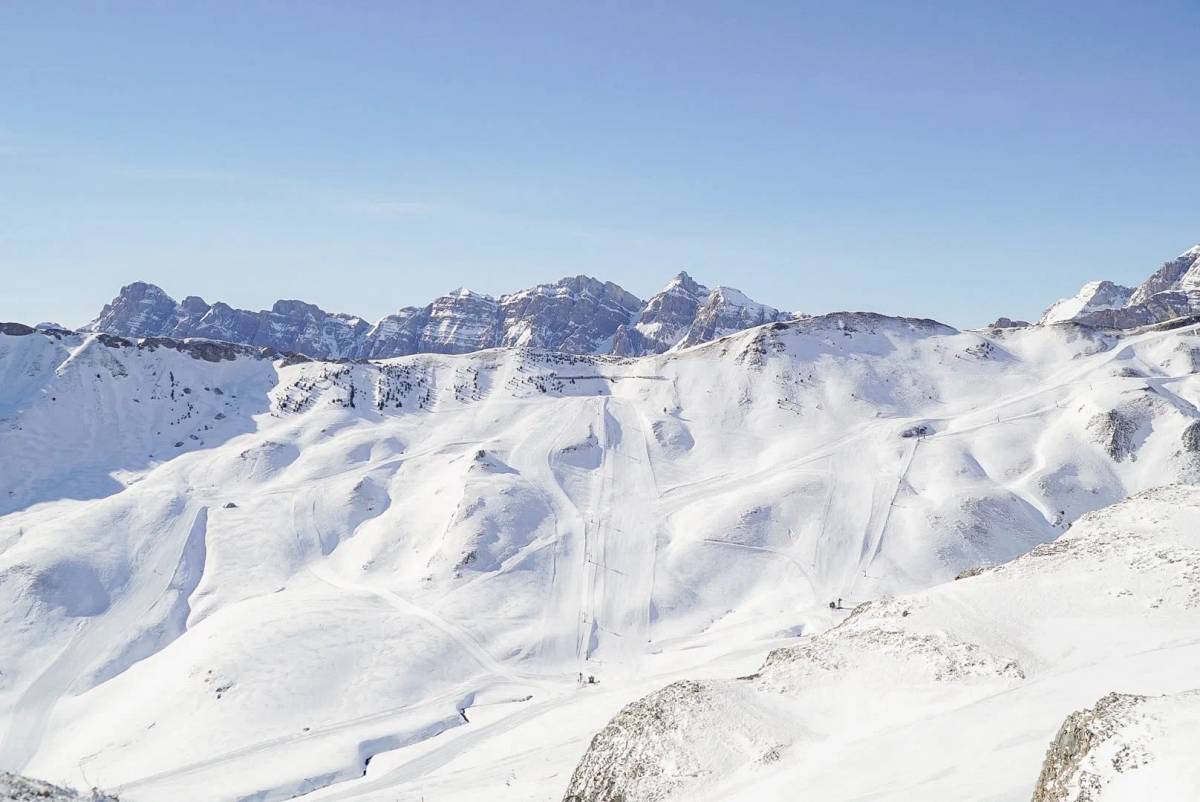
Formigal Panticosa is Spain's largest ski domain, spreading 182km of marked pistes and 147 runs across six valleys in the Tena Valley of the Aragonese Pyrenees. The resort operates as two distinct but pass-linked areas — Formigal, which accounts for 143km of terrain across four valleys (Sextas, Sarrios, Anayet and Portalet), and Panticosa, which contributes a further 39km of slopes in a quieter, more family-oriented setting a short ski bus ride away. Elevations run from 1,145m at the base to 2,265m at the Tres Hombres summit, delivering a vertical drop of 1,120m across 11 green, 39 blue, 51 red, 41 black and 5 off-piste itinerary runs — a mix that skews firmly toward advanced ground, with 29% expert and 37% advanced terrain alongside sufficient beginner and intermediate options for mixed-ability groups.
Formigal has shaped the Aragonese ski scene since it opened its first lift in 1964, growing across four valleys before formally merging with Panticosa in 2010 under the Aramón group. The predominantly north and northeast-facing slopes across the Formigal valleys provide reliable snow retention throughout the season, and the 6km-wide ski area allows skiers to traverse progressively east from the resort base toward the French border at the Portalet Pass. The resort was selected to host the FIS Alpine Junior World Ski Championships in 2008, and its Sextas zone remains one of the liveliest après-ski hubs in the Spanish Pyrenees, anchored by Marchica — a venue that draws visitors to Formigal specifically for its end-of-day atmosphere.
1120m
Vertical
147
Runs
182 km
Piste
2.1m
Annual snow
The Terrain
147 runs across 182 km of piste
Formigal Panticosa is the largest ski domain in Spain, with 147 runs covering 182 kilometres of piste in the Tena valley, from 1,145 metres to 2,265 metres. The vertical is 1,120 metres, and the grading tilts towards the harder end: 37% advanced and 29% expert, 27% intermediate and only 7% beginner. Formigal itself is arranged in four valleys, Sextas, Sarrios, Anayet and Portalet, each with its own base, while quieter Panticosa sits close by and is marketed alongside it. Expect plenty of variety, but not many easy ways home.
Tres Hombres is the signature slope, a steep, emblematic piste above Formigal, while the run from the Tres Hombres summit down to Sextas stretches about six kilometres. The Portalet sector holds Infierno, the resort's toughest piste, and advanced skiers will find the open bowls around Anayet and Sarrios rewarding after fresh snow. Panticosa, by contrast, is mellower and suits families or anyone building confidence. Freeriders should treat the off-piste as serious terrain and hire a guide. With so many lifts and valleys, it suits strong skiers who want a week of different pistes.
Terrain split
147
runs
147 runs across 4 grades
Beginner10 runs · 7%
Intermediate40 runs · 27%
Advanced54 runs · 37%
Expert43 runs · 29%
Time it right
When to visit Formigal Panticosa
Formigal Panticosa operates from mid-December through late April, with the 2025/26 season running 13 December to 21 April. The resort records an average annual snowfall of around 5 metres, with snow depths typically peaking in March — historically the snowiest month — when the western Pyrenees receives its heaviest late-season accumulations. The north and northeast-facing aspect across the majority of Formigal's four valleys plays a significant role in snow preservation, shading slopes from direct afternoon sun and maintaining cold, dry snow quality through the mid and late season. Current base depth for 2025/26 stands at 300cm with a season total of 475cm, figures that reflect a consistent winter across the Aragonese Pyrenees.
The altitude range of the ski area — with the majority of terrain sitting between 1,900m and 2,265m — means conditions across the upper mountain hold well into spring even when lower base areas begin to soften. March delivers the best average snow depth at both summit and base elevations, making it the optimal window for those prioritising cover and quality simultaneously. The Sabocos sector in Panticosa is particularly well regarded for powder accumulation after storms, collecting and holding snow in a configuration that consistently produces some of the deepest deposits in the combined domain. The resort's free shuttle system means conditions across all six valleys can be assessed and skied on any given day without the need to repark or reposition.
Season 2026 - 2027
28 Nov 2026
Opens
4 Apr 2027
Closes
127
Days open
2.1 m
Annual snow
The record
Historical snowfall at Formigal Panticosa
Daily snow reports at Formigal Panticosa go back to 2017, 10 winters on the books. Open the record to compare winters, lifts and piste.
85 cm
Snowiest day
9 Mar 2020
7.1 cm
This winter · 2026-27
so far
185 cm
Typical winter
average of complete seasons
Winter totals
cm
Past wintersThis winter
Getting there
Getting to Formigal Panticosa, and where to stay
Formigal Panticosa sits in the Tena Valley of the province of Huesca in Aragon, northeastern Spain, positioned directly on the Spanish-French border at the Portalet Pass. The resort base at Formigal is approximately 170km from Zaragoza and sits within the municipality of Sallent de Gállego, a stone-built Pyrenean village that provides an authentic alternative to the purpose-built resort accommodation directly on the slopes. The nearest international airports are Zaragoza in Spain and Lourdes in France, both around two to two and a half hours by road. Toulouse is approximately 268km away and is the preferred gateway for travellers arriving from northern Europe, offering the most direct route via the French side of the Pyrenees.
The Panticosa side of the combined resort carries a distinct character from the larger Formigal base — it is a smaller, traditional mountain town known for the historic Panticosa Spa, a thermal resort operating at 1,636m just 7km from the ski lifts, with two four-star hotels and centuries of history as a mountain wellness destination. The Tena Valley as a whole retains strong Aragonese cultural identity, with the local cuisine drawing on mountain traditions — slow-cooked lamb, cured meats and hearty mountain stews — available across the resort's 30-plus on-mountain and village restaurants. As an Aramón group resort, a combined Formigal Panticosa pass also provides access to Cerler, Javalambre and Valdelinares under the Aramón four-resort season pass.
Where to stay
Search all stays →Hotels and lodges near Formigal Panticosa, powered by Stay22.
Latest News
From the SnowStash desk
Kitzbüheler Horn Summit Cable Car to Be Replaced After 70 Years
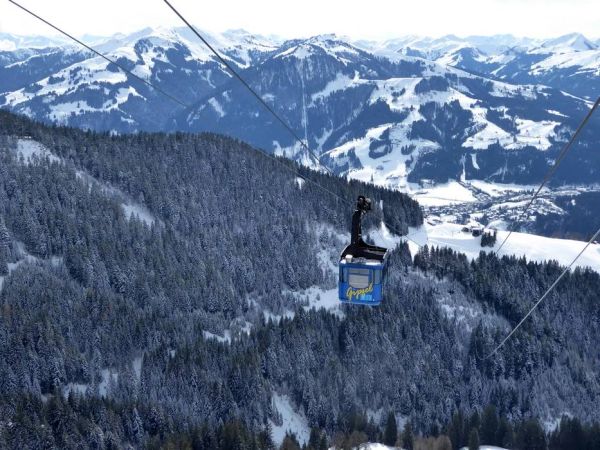
A Tyrolean summit lift that has been carrying guests up the Kitzbüheler Horn since 1955 is on borrowed time. Its licence runs to 2045, but a new inspection rule has made refurbishment uneconomic, so Bergbahn AG Kitzbühel will spend around €15 million on a replacement on the same line. It should hold roughly 100 people and keep running in winds that would stop today’s lift. Building starts in autumn 2027, which makes this winter and next summer the last chances to ride the old one.
30 Oct 2026
What’s New in Japan Skiing This Winter: Niseko Gondola, a Private Resort and a Bigger Ikon Pass
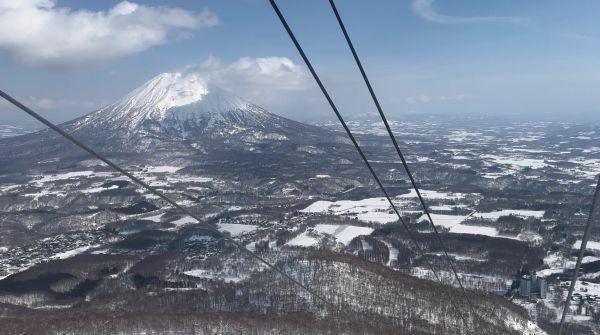
Niseko Village is replacing a lift from the early 1980s with an eight-person gondola, Tsugaike gets a six-person chairlift, Madarao joins the Ikon Pass and Togari opens Asia’s first private ski resort. Here’s what is actually new in Japan skiing for 2026/27, plus what is still a year or two away.
30 Oct 2026
Wolf Creek Opens on Halloween Weekend as Colorado’s Early Season Gathers Pace
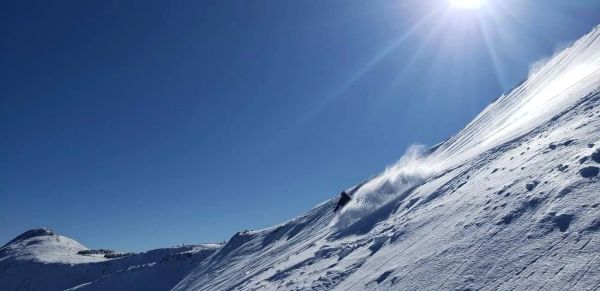
Colorado’s early-season dominoes keep falling. Arapahoe Basin opened on Wednesday, Keystone follows on Friday, and now Wolf Creek is joining in on Saturday 31 October, just in time for Halloween. A storm on 23 and 24 October left 20 inches of natural snow in the San Juans, and three lifts will turn from 9:00 am, covering about 30% of the mountain. Expect rocks, unmarked obstacles and open water, but also Local Appreciation lift tickets at $73 for adults.
30 Oct 2026
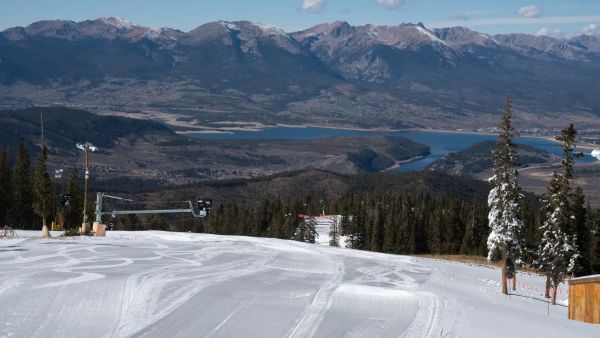
Keystone Resort Opens for 2026/27 With More Than Two Miles of Skiing
Keystone is next. After Arapahoe Basin claimed the first chairlift skiing of the season on Wednesday, Keystone opens on Friday 30 October at 9:00 am with more than two miles of snowmaking-built terrain on Schoolmarm and Silver Spoon, plus free donuts, coffee and a live DJ. Last year the order was reversed, when Keystone squeezed in a three-hour afternoon session to beat A-Basin by a day. Snowmaking has been running since 15 October.
29 Oct 2026
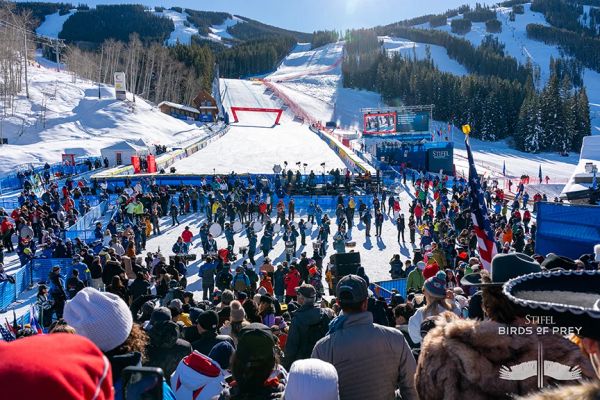
Beaver Creek Installs 16 Automated Snow Guns on Birds of Prey Ahead of Record World Cup
Beaver Creek is getting ready for the biggest Birds of Prey ever, and this time it is not leaving the snow to chance. Crews started making snow on 27 October with 16 newly installed automated guns on the lower third of the course, after last December’s warm spell forced a downhill off the schedule. Seven races across two weekends run from 3 to 13 December, the most the course has hosted since its 1997 debut, and the guns start themselves whenever the weather allows.
29 Oct 2026

Arapahoe Basin Opens First for North America’s 2026/27 Ski Season
Winter has officially started in North America, and it is one blue run long. On Wednesday 28 October, Arapahoe Basin fired up the Black Mountain Express at around 10:30 am after a surprise announcement just hours earlier, becoming the first major North American resort open for 2026/27. Cold nights, a dusting of natural snow and a lot of snowmaking made it happen in the resort’s 80th winter. More terrain is promised as the snow guns keep running.
28 Oct 2026
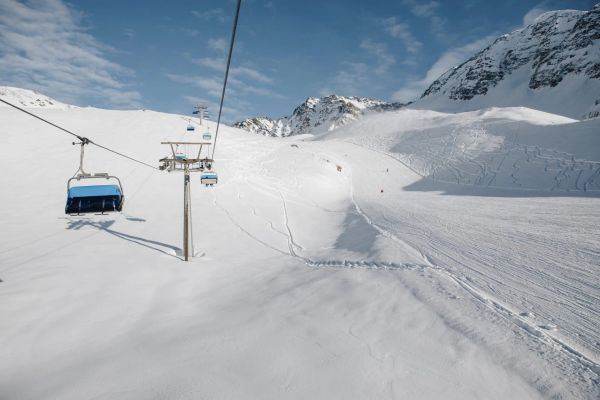
Sulden am Ortler Pushes Its Season Start Back a Week to 7 November
Sulden am Ortler has called off its 31 October opening. The South Tyrol ski area has pushed its 2026/27 start back to Saturday 7 November, citing current weather and snow conditions and saying it will use the extra week to get the slopes in the best possible shape. The season is still scheduled to run through 2 May 2027. Elsewhere in Europe, around a dozen areas are already open, led by Sölden’s 30 kilometres of groomed runs.
28 Oct 2026
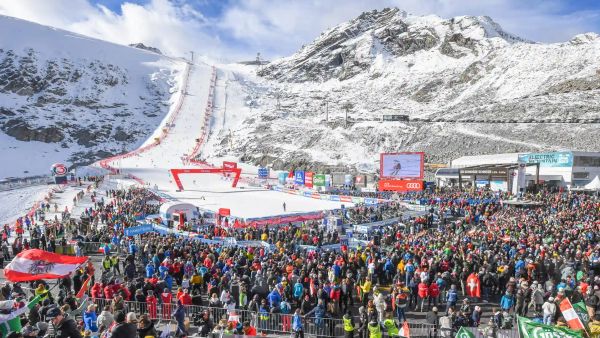
Pinheiro Braathen Wins Sölden Giant Slalom Opener by 0.48 Seconds
Two days at Sölden, two races decided by a hundredth somewhere on the podium, and one very quick Brazilian. Lucas Pinheiro Braathen led from the first run to win the men’s World Cup opener by 0.48 seconds, with Loïc Meillard second and Marco Odermatt third. River Radamus charged from 15th to fourth on a rutted course, and Britain’s Freddy Carrick-Smith banked his first World Cup points. Braathen still hasn’t lost a giant slalom since Olympic gold.
25 Oct 2026
Formigal Panticosa Webcams
7 live angles across the mountain. Tap any camera to go full-screen.
About Formigal Panticosa's live webcams
Check live conditions across Formigal Panticosa with 7 real-time webcams showing snow, weather, and lift operations, updated every 10 minutes. Check high-elevation cams for powder visibility and base-area cams for crowd levels before you head up.
Camera guide
- Pico Royo2265m
- Experience commanding summit views through this webcam Formigal at Pico Royo, positioned at 2265 meters at the very top of the resort — the highest point in Spain's largest ski domain. This Formigal webcam delivers real-time conditions across the upper mountain terrain where the resort's most demanding blacks and expert itineraries begin, with sweeping sightlines toward the French border at Portalet. The definitive webcam Formigal infonieve reference for assessing summit visibility and upper-mountain snow quality before planning your descent across any of the six valleys below.
- Portalet Advanced Zone1888m
- Check conditions on one of the Pyrenees' most demanding expert terrain clusters through this webcam Formigal surveying the legendary Portalet zone at 1750 meters, positioned at Spain's largest ski domain right on the French border. This Formigal webcam delivers real-time views of the advanced runs and upper snowpack that define the Portalet valley's reputation among serious skiers — north and northeast-facing slopes that hold cold, dry powder long after neighbouring areas consolidate. An essential formigal webcam reference for experts planning their approach to the steepest terrain across this 182km Aragonese domain.
- Anayet2150m
- Monitor the key inter-valley connection through this webcam Formigal at the summit of the Anayet quad lift at 2150 meters, the critical link between the Zona Anayet and Zona Sarrios that keeps skiers moving fluidly across the western side of Spain's largest ski area. This Formigal webcam delivers real-time visibility of snow conditions and lift activity at one of the domain's most-used interchange points, helping skiers plan efficient cross-valley routes on busy days. A practical live snow cam for anyone traversing the Formigal valleys — check current conditions here before committing to your next sector.
- Zona Petrosos1900m
- Survey the Petrosos valley through this webcam Formigal positioned at 1900 meters in one of the combined Formigal Panticosa domain's most productive intermediate sectors. This Formigal Panticosa live cam delivers real-time visibility across the varied slopes and lift connections that make Petrosos a go-to zone for skiers wanting to cover ground efficiently between the two linked resort areas. Cross-reference with webcam Formigal infonieve snow data for the full picture — this Formigal webcam gives you ground-level conditions across one of Spain's largest ski area's most frequently skied sectors.
- Garmet2050m
- Track conditions at the strategic gateway between Formigal's two most challenging sectors through this webcam Formigal at the top of the Garmet chairlift at 2050 meters — the access point linking Zona Anayet with the expert terrain of Zona Portalet near the French border. This Formigal Panticosa live cam provides essential real-time intelligence for advanced skiers planning to push toward the resort's most demanding ground, revealing current visibility and snow quality at this important high-altitude crossroads. One of the most tactically useful webcams Formigal offers for experienced riders navigating the full breadth of this 182km Aragonese domain.
- Sabocos High Zone1940m
- Assess powder-holding conditions in the Panticosa side's most celebrated sector through this webcam Formigal at 1940 meters in the Sabocos zone, consistently regarded as one of the deepest snow collectors across the entire combined domain. This Formigal Panticosa live cam monitors the upper Panticosa terrain that draws powder hunters after every storm, with real-time visibility of slope conditions across runs that regularly hold the best snow in the Aragonese Pyrenees. Among the most valuable webcams Formigal Panticosa offers for timing your visit — check this Formigal webcam after snowfall before committing to the free shuttle ride across from the main Formigal valleys.
- Balneario de Panticosa1650m
- Discover the unique thermal spa valley setting through this webcam Formigal focused on the historic Balneario de Panticosa at 1650 meters, high above the Panticosa base in one of the Pyrenees' most atmospheric mountain enclaves. This Formigal Panticosa live cam monitors conditions around the legendary century-old spa complex — a destination in its own right with two four-star hotels — giving visitors a real-time view of valley snow coverage and weather before making the journey up from the ski base. A distinctive addition to the webcams Formigal Panticosa network, this live snow cam captures a corner of the resort that blends mountain wellness heritage with genuine Aragonese alpine character.
Formigal Panticosa snow cams FAQ
How often do Formigal Panticosa snow cams update?
All Formigal Panticosa snow cams and webcams update every 10 minutes with fresh images showing current mountain conditions. This frequent update schedule ensures you have access to near real-time conditions for planning your ski day at Formigal Panticosa.
Which Formigal Panticosa webcam shows the best powder conditions?
The high-elevation Pico Royo webcam at 2,265m provides the clearest view of powder conditions and snowfall. These Formigal Panticosa webcams capture fresh snow accumulation and visibility better than base area cameras.
Can I see Formigal Panticosa lift queues on the webcams?
Yes. Multiple Formigal Panticosa snow cams specifically show lift queue areas and chairlift operations, helping you time your arrival and avoid peak queue periods.
When is the best time to check Formigal Panticosa snow cams?
Check Formigal Panticosa webcams early morning (7-8am) for overnight snowfall assessment, and mid-afternoon for current crowd levels and weather. The live cams are most useful after storm events to assess fresh powder.
How can I check current conditions before buying Formigal Panticosa lift tickets?
Use our Formigal Panticosa webcams alongside the live snow report to assess conditions before purchasing lift tickets. The webcams show real-time visibility, snow quality, and operational status.
Do Formigal Panticosa webcams work on mobile devices?
Yes. All Formigal Panticosa snow cams and webcams are optimized for mobile viewing, so you can check live conditions from anywhere using your phone or tablet.
More Formigal Panticosa intelligence: snow report, lift tickets, trail map, resort overview.