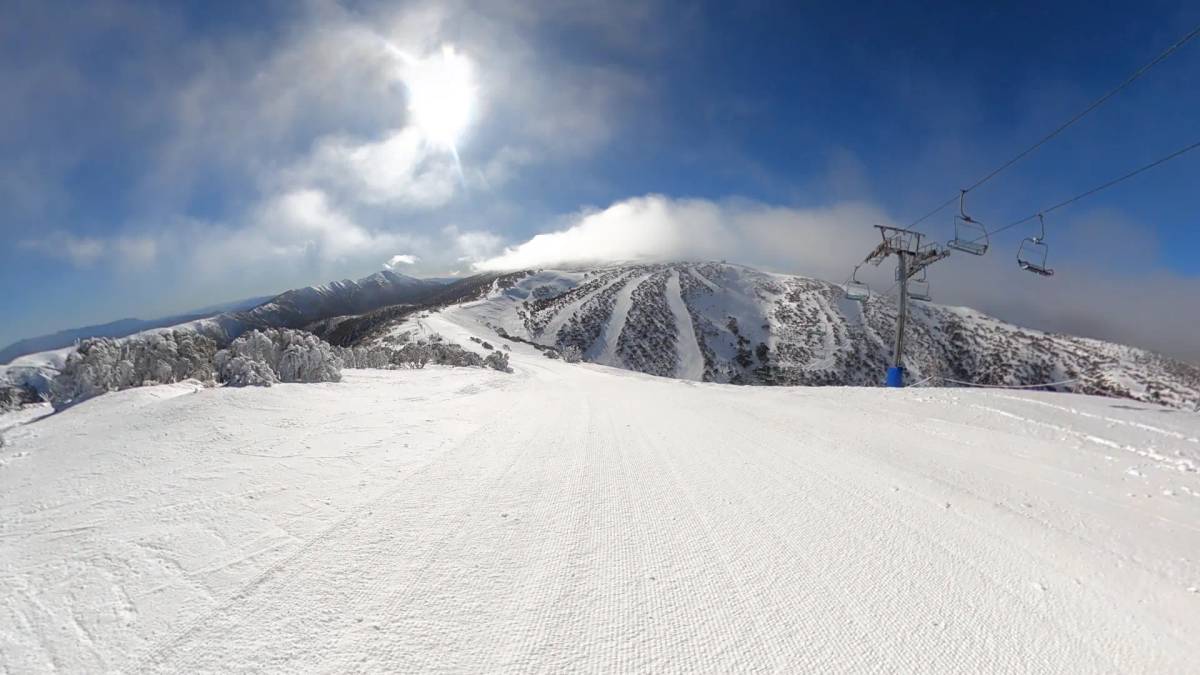
Hotham
Australia's highest alpine village at 1,750m with 320 hectares and 72 runs in Victoria's Alps. Epic Pass access, open June to October.

Season 2026
Opens
6 June 2026
Closes
6 Sept 2026
Days open
92
Annual snow
3m
Expert review
Michael Fulton
Melbourne-based skier and snowboarder with 50+ resorts across 5 continents. Specialises in Australian resorts and international resort comparisons.
Mt Hotham is Australia's only upside-down ski resort - the village sits at 1,750m along the Great Alpine Road ridge, with nearly all 72 runs flowing downhill away from it. Rather than riding a lift to start the day, skiers step out of their accommodation and drop straight in. This layout is a product of the mountain's ancient geology: a flat ridgeline at the top where the village and beginner terrain sit, steepening progressively as the runs fall into the gullies and valleys below. The village elevation of 1,750m makes Hotham Australia's highest alpine resort, second only to Charlotte Pass among all Australian ski villages.
The resort covers 320 hectares across 72 runs between 1,450m and 1,861m, with a terrain profile that weights heavily toward challenge - 40% intermediate, 25% advanced and 15% expert, leaving 20% for beginners. The Heavenly Valley chairlift serves the resort's most demanding terrain, including some of the steepest in-bounds runs in Australia, while the remote Orchard zone provides Hotham's best intermediate skiing and the Summit area gives beginners a high-elevation, uncrowded learning environment. The resort also holds Australia's only biathlon range, used for competition and training by elite athletes including national team members.
411m
Vertical
72
Runs
791 acres
Skiable
3m
Annual snow
Epic Pass
Pass
Watch
See Hotham in motion
The Terrain
72 runs across 791 acres skiable, read by zone
Beginner terrain at Hotham breaks into two distinct zones, each offering something the rest of the Australian snow sports scene doesn't always deliver: real separation from faster traffic, and snow conditions reliable enough to keep learning terrain open for longer.
The Big D Experience
The standout is the Big D, a dedicated learning area that functions like a resort within the resort. Serviced by a single chair, it caters exclusively to beginners, creating a pressure-free environment where first-timers can focus on fundamentals without dodging confident intermediates or advanced riders.
What makes the Big D work isn't just the beginner-only policy - it's the psychological comfort that comes with it. At Buller, the main learning area can feel like Bourke Street at rush hour, and Falls Creek mixes beginners in with every skill level. Hotham's complete separation means your first days on snow happen in a supportive bubble where everyone around you is learning too.
The terrain itself is gentle and predictable, with enough length to practice linking turns without feeling rushed. The single chair means you'll get comfortable with loading and unloading quickly - a skill that carries over to the rest of the mountain. The Big D also runs night skiing during peak season, useful if you want smaller crowds or need to fit lessons around a work schedule.
Terrain split
72
runs
72 runs across 4 grades
Beginner14 runs · 20%
Intermediate29 runs · 40%
Advanced18 runs · 25%
Expert11 runs · 15%
How it compares
Where Hotham sits in the landscape
Regional Context for Developing Riders
In the Victorian high country, the three major resorts serve different roles in rider development. Falls Creek excels for absolute beginners, with extensive, varied learning terrain and a family-friendly village. Mount Buller is convenient and accessible but struggles with crowding and variable snow quality. Mount Hotham sits at the top of the progression pyramid - it's where intermediate riders come to be challenged, and where beginners come to push past their first season.
That positioning makes it an excellent "second resort" for developing riders. Once you've mastered the basics at Falls Creek or navigated the crowds at Buller, Hotham offers the terrain variety and challenge that pushes intermediates toward advanced skills.
International Perspective on Learning
Weighing Hotham's beginner and intermediate terrain against resorts across Europe and North America, the picture is mixed. Overseas destinations often provide more diverse terrain and deeper resort amenities, but they come with meaningfully higher costs once international travel, accommodation and destination-resort pricing are factored in.
For Australian riders focused on skill development, overseas trips can offer more terrain variety and longer seasons - but the total spend often exceeds several visits to Australian resorts, and learning to navigate an unfamiliar lift system and layout eats into time that could go toward actual progression.
Hotham's advantage is its progression pathway design. The terrain guides riders from beginner to intermediate to advanced in a logical sequence that larger, more sprawling international resorts often lack simply because of their scale and complexity. That structure is what makes it particularly valuable for Australian riders focused on consistent, step-by-step improvement.
Value Proposition for Developing Riders
The cost-to-progression ratio here favours intermediates more than beginners. The Orchard and the rest of the intermediate network create real value for riders ready to be challenged. Beginners get excellent, purpose-built facilities but comparatively limited terrain variety, which makes Falls Creek the stronger value proposition for a first-ever visit.
The Epic Australia Pass changes the maths. At $999-$1,249 AUD depending on purchase timing, it pays for itself in five to six visits and includes Falls Creek access - which supports a natural progression path: learn at Falls Creek, develop at Hotham, and use both as your ability grows.
The Verdict
The call on Hotham
Michael Fulton
After 15 visits and countless runs across every skill level, Hotham earns its place as one of Australia's most rewarding resorts for intermediate riders and ambitious beginners. The unique "upside" layout, reliable snow and terrain variety create an experience that challenges and rewards developing riders in ways few other Australian resorts match.
Who Should Choose Hotham
Hotham works best for:
- Intermediate riders seeking variety and challenge in a setting that pushes skill development
- Ambitious beginners who want to progress beyond the basics in their first season
- Riders planning multiple visits who can justify the Epic Australia Pass investment
- Those seeking an authentic Australian alpine experience, with terrain that flows through native snow gums
When to Choose Elsewhere
Consider other options if you're:
- A complete first-timer who'd benefit from Falls Creek's more extensive beginner terrain
- Looking for a traditional, walkable ski village
- Planning only a single visit, where the high cost outweighs the terrain benefits
- Uncomfortable with challenging mountain driving conditions
The Progression Pathway
Hotham fits naturally into an Australian skiing and snowboarding progression: learn the fundamentals at Falls Creek, develop intermediate skills here, and use both resorts as your ability grows. The Epic Australia Pass makes that progression financially viable while giving you access to terrain matched to each stage.
Final Assessment
Hotham is Australia's most rewarding resort for intermediate riders, and its toughest for beginners ready to push past the basics. Reliable snow, distinctive terrain and a genuine progression pathway combine into an experience that keeps pushing riders toward their next skill level.
The mountain demands respect - from the access road to the terrain itself - but rewards it with some of the most varied and authentic skiing and snowboarding in the country. For developing riders ready to be challenged, it offers something few other Australian resorts can: terrain that grows with your ability.
Planning a visit? Late August or early September tends to offer the best balance of snow and weather. Start at the Big D and Summit if you're beginning, explore the Orchard and Australian Drift as an intermediate, and always check the Blue Ribbon chair status - when it's running, you're in for something special.
The drive up can be intimidating, but the terrain that awaits makes every switchback worthwhile. Hotham isn't just a ski resort - it's where Australian riders go to push their limits and find out what's possible on snow.
Time it right
When to visit Hotham
The 2026 season at Hotham runs from 6 June to 4 October, aligned with the Victorian alpine calendar. Annual snowfall averages 3 metres - the highest recorded precipitation of any Victorian resort over the past decade - and the village elevation of 1,750m ensures natural snow reliability from early in the season. Snowmaking covers 38 hectares of key terrain, providing early-season and shoulder-period coverage across the main runs off the village.
Peak conditions typically arrive in late July and August, with early September offering a well-regarded combination of established snow base, softer spring surface and reduced crowds. The mountain's position on the Great Alpine Road ridge, with runs facing multiple aspects, means there is usually terrain in good condition regardless of which direction the weather is coming from. Hotham is part of the Epic Pass network, which also covers Perisher and Falls Creek under the Epic Australia arrangement.
Season 2026
6 June 2026
Opens
6 Sept 2026
Closes
92
Days open
3 m
Annual snow
The record
Historical snowfall at Hotham
Daily snow reports at Hotham go back to 2025, 2 winters on the books. Open the record to compare winters, lifts and piste.
32 cm
Snowiest day
8 June 2025
176 cm
This winter · 2026
so far
283 cm
Typical winter
average of complete seasons
Winter totals
cm
Past wintersThis winter
Plan your trip
Getting to Hotham, and where to stay
1
Seasonal Timing and Conditions
Hotham's high elevation means a longer season with more reliable snow than lower resorts. Peak season runs late July through August, with early September often bringing the best combination of established base and improving weather.
For beginner and intermediate riders, the sweet spot is often late August into early September. The base is established, crowds are thinning, and spring conditions bring softer, more forgiving snow that's ideal for building confidence.
2
Daily Strategy for Success
Success here takes some strategic thinking, especially for developing riders. Start early to catch the best conditions, particularly if you're heading to the Orchard - this remote intermediate terrain shows its best face in the morning before sun and traffic take their toll.
For beginners, the Big D and Summit areas hold consistent conditions throughout the day, making them a good bet for afternoon sessions once other parts of the mountain get tracked out. The Blue Ribbon chair's unpredictable opening schedule means it's worth checking conditions reports and staying flexible with your plans.
3
Village and Logistics Reality Check
Hotham's village isn't a traditional walkable ski town. Accommodation is spread along the mountain roads, connected by shuttle buses that run regularly but need a bit of planning around. This layout suits the "upside" operation well - park at the top and drop straight into runs - but it means getting between lodging, dining and lift access takes more effort than at other resorts.
For families with beginners, the bus system can be tiring after a long day on the mountain. Many locals solve this by staying at Dinner Plain instead - a nearby alpine village with easier access and a more traditional mountain-town feel, plus activities for non-skiers.
4
Budget Considerations
A trip to Hotham is a real investment - daily adult lift tickets range from $186 to $233 AUD depending on the date. The Epic Australia Pass makes financial sense for anyone planning multiple visits, particularly since it also covers Falls Creek, creating a natural progression path from Falls Creek's beginner-friendly terrain to Hotham's intermediate challenge.
Given the cost of Australian skiing, getting value means planning around it: save your lift-ticket days for good weather when the whole mountain is accessible, and consider the Epic Pass if skiing or snowboarding is going to be a regular part of your season.
Getting there
Mt Hotham sits 226km north-east of Melbourne in Victoria's Alpine National Park, accessed via the Great Alpine Road - one of Australia's most scenic alpine drives. The resort is approximately 4.5 hours from Melbourne by car, 31km south of the town of Bright, and 11km west of Dinner Plain, a smaller alpine village that provides an alternative accommodation base with a quieter atmosphere. The town of Harrietville, at the foot of the mountain, is the last services stop before the climb.
Snow chains are a legal requirement for all vehicles entering the resort during the declared snow season and must be fitted when directed - ladder chains, spider chains and snow socks are not permitted. Mt Hotham Airport, located 20 minutes from the resort, operates seasonal regional services, with Albury Airport offering a 2.5-hour road transfer as an alternative gateway. From Melbourne, coach transfers operate throughout the season via the Great Alpine Road route.
Season 2026
6 June 2026
Opens
6 Sept 2026
Closes
Where to stay
Search all stays →Stays map loads when you scroll here
Hotels and lodges near Hotham, powered by Stay22.
Latest News
From the SnowStash desk

Val Gardena to Alpe di Siusi Lift Link Back in Play After Court Ruling
The Val Gardena-Alpe di Siusi lift link isn’t dead after all. A South Tyrol court has overturned Santa Cristina’s rejection of the new Monte Pana-Saltria link on procedural grounds, after the council skipped required public information sessions. Opponents want the missing sessions held and a fresh vote, and nothing has been approved. For now it’s still a bus between the two, but a plan first floated in 2017 is back in the conversation.
8 Nov 2026
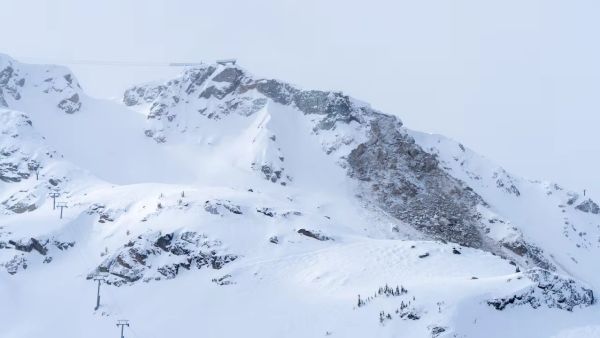
Whistler Blackcomb Rockslide Zone Stays Closed Through 2026-27 Season
A section of Whistler Peak terrain will stay closed all 2026-27 season, Vail Resorts has confirmed, with rockslide mitigation work continuing into summer 2027. Peak Express is still expected to run this winter, but locals are already arguing about what’s actually off limits, whether the Whistler Bowl is gone, and why the news landed after pass sales wound down. Here’s where things stand.
7 Nov 2026
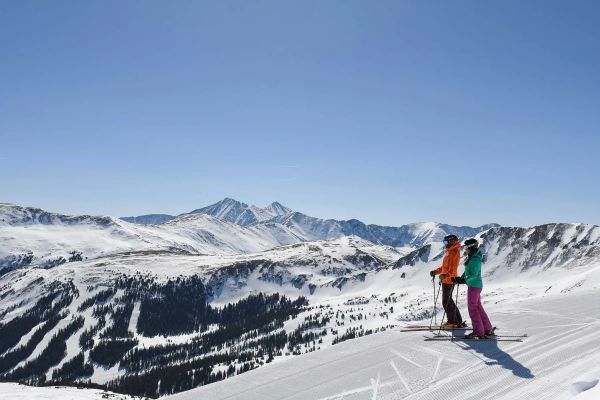
Loveland Ski Area Opens for 2026-27 and Marks 60 Years of Snowmaking
Loveland is open. The Colorado ski area started Chet’s Dream turning on Saturday 7 November to kick off 2026-27, with $60 adult lift tickets to mark 60 years of snowmaking. Expect three runs, nearly 1,000 vertical feet (about 300 metres) of top-to-bottom skiing, live music on the Basin Patio and no beginner terrain yet. Here’s what’s open, what it costs and when Loveland Valley follows.
7 Nov 2026
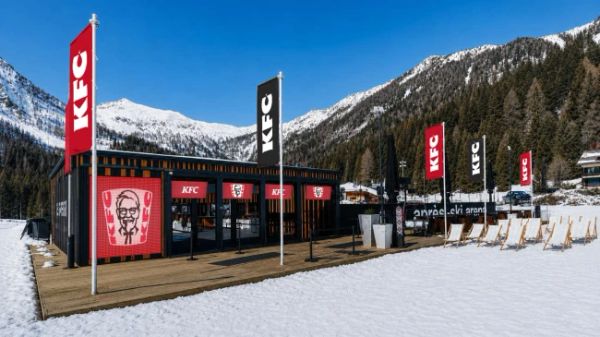
KFC Is Coming to the Slopes at Cortina and Madonna di Campiglio
Fried chicken is heading up the Dolomites. From 5 December KFC will run two restaurants on the slopes - one at 2,123 metres at Cortina, one at 1,700 metres at Madonna di Campiglio - and the polenta-and-canederli crowd has opinions. Local politicians, conservation groups and plenty of Facebook commenters are calling it a step too far, while others just want a cheaper lunch. Here’s what’s on the menu and what’s the fuss.
5 Nov 2026

Mt Rose Aims to Open First in Tahoe on November 6
Mt Rose is going for the first-in-Tahoe title, with the Lakeview Express due to spin at 9 a.m. on Friday, November 6. One main lift, three runs and plenty of snowmaking, sitting on the highest base elevation in the region at 8,260 ft. Here is what is open, what is not (sorry, tubing fans), and how the early North American openings are stacking up.
4 Nov 2026

Europe Snow Forecast: Serre Chevalier Leads With 82 cm Over the Next 10 Days
Europe has had a quiet start to November, but our 10-day forecast has Serre Chevalier on 82 cm and Les 2 Alpes on 71 cm. Two pushes are lined up: a western Alps top-up from Friday, then a bigger, wider system on Thursday, November 12 and Friday, November 13 that reaches Italy and Switzerland. Full leaderboard inside.
4 Nov 2026

Mammoth Mountain Opens Early on November 5 With Up to 33 Inches of Snow in the Forecast
Mammoth just moved opening day forward to Thursday, November 5, eight days ahead of schedule. A snowy weekend and cold snowmaking nights did the work, and our forecast shows up to 33 inches more landing on November 13 and 14. Here is what opens, what the weather looks like and where Mammoth sits among the early Ikon Pass openers.
3 Nov 2026

Utah Snow Storm Builds Early-Season Base Ahead of November Openings
Rain down low, snow up high, and a snow report full of zeros that mostly means ‘not updated yet’. Utah’s first proper storm of 2026-27 is rolling through the Wasatch, Snowbird’s snow stake is closing in on 10 inches, and Brian Head is five days from opening day. Early November snow rarely looks like much, but it is the layer every November opening date is built on. Here is where it stands.
1 Nov 2026
Hotham Webcams
9 live angles across the mountain. Tap any camera to go full-screen.
About Hotham's live webcams
Check live conditions across Hotham with 9 real-time webcams showing snow, weather, and lift operations, updated every 10 minutes. Check high-elevation cams for powder visibility and base-area cams for crowd levels before you head up.
Camera guide
- Hotham Heights1752m
- Positioned at 1752 meters above the Village Quad, this Hotham snow cam watches over the main lift corridor connecting the base to the heart of the resort. It's the camera that tells you how the day is flowing - skiers loading up, conditions on the climb, and the general rhythm of Australia's Powder Capital going about its business. Updated every 10 minutes, it's a reliable morning reference before you head out.
- Summit 3601783m
- The highest and most complete view on the mountain - this Mt Hotham livecam sits at 1783 meters and delivers a full interactive 360-degree panorama across the resort and deep into the surrounding Victorian Alps. Pan across to Heavenly Valley, sweep toward the Orchard, or check what's building on the Razorback horizon. No other Hotham camera gives you this much information in a single look.
- Upper Imagine1762m
- One of Hotham's most popular trails gets its own dedicated Mt Hotham webcam at 1762 meters, positioned to show current snow conditions on the Imagine run before you drop in. Updated every 10 minutes, it's the practical check for skiers deciding whether to lap this trail or push further across the mountain. Snow texture and surface quality are easy to read from this angle.
- Slalom Gully1532m
- Down at 1532 meters on the Heavenly Valley Quad, this Hotham snow cam looks up the Slalom Gully - one of the resort's most demanding runs and a reliable indicator of conditions in the advanced terrain zone. Updated every 10 minutes, it shows you exactly what the steep stuff is doing before you commit to the traverse across. If Slalom Gully looks good from here, Heavenly Valley is firing.
- Sun Run1750m
- This Mt Hotham snow cam at 1750 meters looks out from the village across the Sun Run and lower valley with one of the resort's widest natural perspectives. On a clear day the view stretches all the way to the Orchard chair at the far end of the resort - a genuine sense of Hotham's scale in a single frame. Updated every 10 minutes, it's the camera that shows you how much mountain there is to explore.
- Snake Gully (Top)1679m
- These Hotham cams at 1679 meters look down Snake Gully toward the Heavenly Valley Quad, covering one of the resort's most beloved intermediate-to-advanced trails from the top. Watch the pitch, read the snow surface, and gauge how much traffic is already on the run before you head across from the village. Updated every 10 minutes - the essential check before committing to Snake Gully.
- Snake Gully (Bottom)1533m
- The complementary view to the camera above - this Hotham webcam at 1533 meters looks back up the full length of Snake Gully from the bottom, showing you the complete challenge of the run in a single frame. It's a different kind of intelligence: where the top camera shows surface conditions, this one shows the full profile and fall line. Together they give you the complete picture of one of Hotham's most iconic trails.
- Upper Heavenly Valley1788m
- At 1788 meters, this Mt Hotham webcam sits at one of the resort's highest camera positions with an unobstructed view toward Mt Feathertop and the Razorback Ridge - the kind of alpine backdrop that reminds you why this place earned the name Powder Capital. Updated every 10 minutes, it also delivers a practical read on conditions across Heavenly Valley's upper terrain. Equal parts useful and spectacular.
- Gotcha1757m
- The Hotham livecam focused on the Gotcha chair at 1757 meters is your window into the backside of the resort - quieter, often less tracked, and consistently worth the traverse when conditions are right. Updated every 10 minutes, it shows snow quality and activity levels across one of Hotham's more rewarding off-the-beaten-path zones. Check it mid-morning when the main runs are getting busy and the Gotcha area is still pristine.
Hotham snow cams FAQ
How often do Hotham snow cams update?
All Hotham snow cams and webcams update every 10 minutes with fresh images showing current mountain conditions. This frequent update schedule ensures you have access to near real-time conditions for planning your ski day at Hotham.
Which Hotham webcam shows the best powder conditions?
The high-elevation Upper Heavenly Valley webcam at 1,788m provides the clearest view of powder conditions and snowfall. These Hotham webcams capture fresh snow accumulation and visibility better than base area cameras.
Can I see Hotham lift queues on the webcams?
Yes. Multiple Hotham snow cams specifically show lift queue areas and chairlift operations, helping you time your arrival and avoid peak queue periods.
When is the best time to check Hotham snow cams?
Check Hotham webcams early morning (7-8am) for overnight snowfall assessment, and mid-afternoon for current crowd levels and weather. The live cams are most useful after storm events to assess fresh powder.
How can I check current conditions before buying Hotham lift tickets?
Use our Hotham webcams alongside the live snow report to assess conditions before purchasing lift tickets. The webcams show real-time visibility, snow quality, and operational status.
Do Hotham webcams work on mobile devices?
Yes. All Hotham snow cams and webcams are optimized for mobile viewing, so you can check live conditions from anywhere using your phone or tablet.
More Hotham intelligence: snow report, lift tickets, trail map, resort overview.