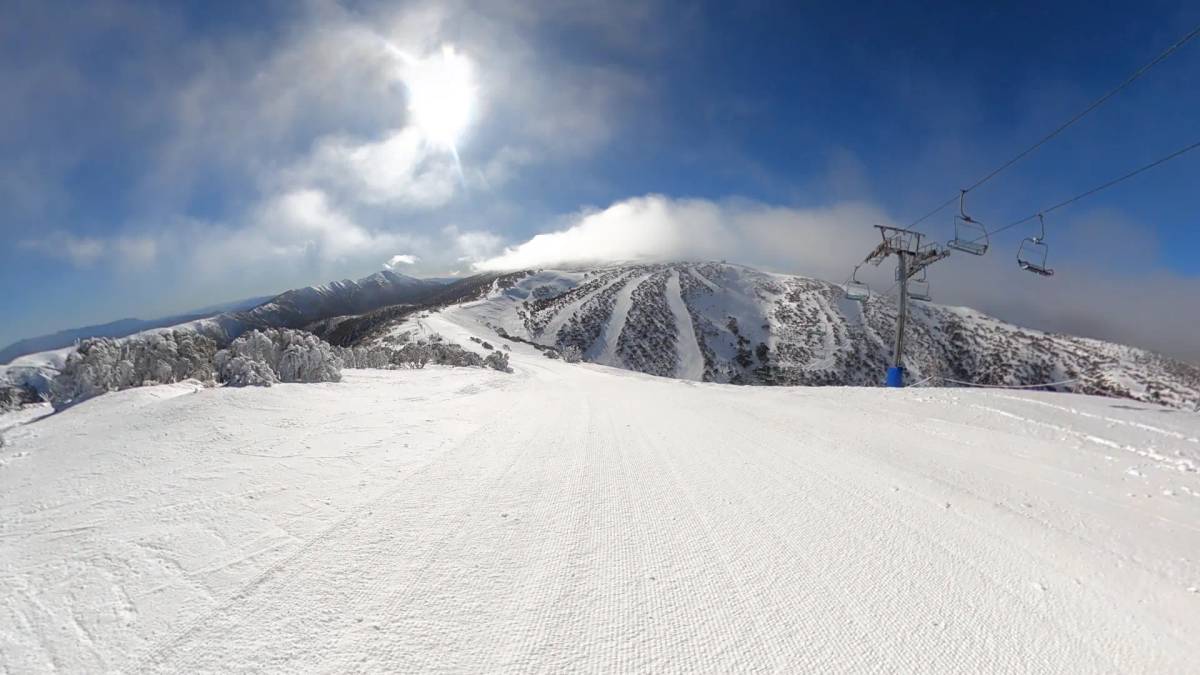
Hotham
Australia's highest alpine village at 1,750m with 320 hectares and 72 runs in Victoria's Alps. Epic Pass access, open June to October.

Season 2026
Opens
6 June 2026
Closes
6 Sept 2026
Days open
92
Annual snow
3m
Expert review
Michael Fulton
Melbourne-based skier and snowboarder with 50+ resorts across 5 continents. Specialises in Australian resorts and international resort comparisons.
Mt Hotham is Australia's only upside-down ski resort - the village sits at 1,750m along the Great Alpine Road ridge, with nearly all 72 runs flowing downhill away from it. Rather than riding a lift to start the day, skiers step out of their accommodation and drop straight in. This layout is a product of the mountain's ancient geology: a flat ridgeline at the top where the village and beginner terrain sit, steepening progressively as the runs fall into the gullies and valleys below. The village elevation of 1,750m makes Hotham Australia's highest alpine resort, second only to Charlotte Pass among all Australian ski villages.
The resort covers 320 hectares across 72 runs between 1,450m and 1,861m, with a terrain profile that weights heavily toward challenge - 40% intermediate, 25% advanced and 15% expert, leaving 20% for beginners. The Heavenly Valley chairlift serves the resort's most demanding terrain, including some of the steepest in-bounds runs in Australia, while the remote Orchard zone provides Hotham's best intermediate skiing and the Summit area gives beginners a high-elevation, uncrowded learning environment. The resort also holds Australia's only biathlon range, used for competition and training by elite athletes including national team members.
411m
Vertical
72
Runs
791 acres
Skiable
3m
Annual snow
Epic Pass
Pass
Watch
See Hotham in motion
The Terrain
72 runs across 791 acres skiable, read by zone
Beginner terrain at Hotham breaks into two distinct zones, each offering something the rest of the Australian snow sports scene doesn't always deliver: real separation from faster traffic, and snow conditions reliable enough to keep learning terrain open for longer.
The Big D Experience
The standout is the Big D, a dedicated learning area that functions like a resort within the resort. Serviced by a single chair, it caters exclusively to beginners, creating a pressure-free environment where first-timers can focus on fundamentals without dodging confident intermediates or advanced riders.
What makes the Big D work isn't just the beginner-only policy - it's the psychological comfort that comes with it. At Buller, the main learning area can feel like Bourke Street at rush hour, and Falls Creek mixes beginners in with every skill level. Hotham's complete separation means your first days on snow happen in a supportive bubble where everyone around you is learning too.
The terrain itself is gentle and predictable, with enough length to practice linking turns without feeling rushed. The single chair means you'll get comfortable with loading and unloading quickly - a skill that carries over to the rest of the mountain. The Big D also runs night skiing during peak season, useful if you want smaller crowds or need to fit lessons around a work schedule.
Terrain split
72
runs
72 runs across 4 grades
Beginner14 runs · 20%
Intermediate29 runs · 40%
Advanced18 runs · 25%
Expert11 runs · 15%
How it compares
Where Hotham sits in the landscape
Regional Context for Developing Riders
In the Victorian high country, the three major resorts serve different roles in rider development. Falls Creek excels for absolute beginners, with extensive, varied learning terrain and a family-friendly village. Mount Buller is convenient and accessible but struggles with crowding and variable snow quality. Mount Hotham sits at the top of the progression pyramid - it's where intermediate riders come to be challenged, and where beginners come to push past their first season.
That positioning makes it an excellent "second resort" for developing riders. Once you've mastered the basics at Falls Creek or navigated the crowds at Buller, Hotham offers the terrain variety and challenge that pushes intermediates toward advanced skills.
International Perspective on Learning
Weighing Hotham's beginner and intermediate terrain against resorts across Europe and North America, the picture is mixed. Overseas destinations often provide more diverse terrain and deeper resort amenities, but they come with meaningfully higher costs once international travel, accommodation and destination-resort pricing are factored in.
For Australian riders focused on skill development, overseas trips can offer more terrain variety and longer seasons - but the total spend often exceeds several visits to Australian resorts, and learning to navigate an unfamiliar lift system and layout eats into time that could go toward actual progression.
Hotham's advantage is its progression pathway design. The terrain guides riders from beginner to intermediate to advanced in a logical sequence that larger, more sprawling international resorts often lack simply because of their scale and complexity. That structure is what makes it particularly valuable for Australian riders focused on consistent, step-by-step improvement.
Value Proposition for Developing Riders
The cost-to-progression ratio here favours intermediates more than beginners. The Orchard and the rest of the intermediate network create real value for riders ready to be challenged. Beginners get excellent, purpose-built facilities but comparatively limited terrain variety, which makes Falls Creek the stronger value proposition for a first-ever visit.
The Epic Australia Pass changes the maths. At $999-$1,249 AUD depending on purchase timing, it pays for itself in five to six visits and includes Falls Creek access - which supports a natural progression path: learn at Falls Creek, develop at Hotham, and use both as your ability grows.
The Verdict
The call on Hotham
Michael Fulton
After 15 visits and countless runs across every skill level, Hotham earns its place as one of Australia's most rewarding resorts for intermediate riders and ambitious beginners. The unique "upside" layout, reliable snow and terrain variety create an experience that challenges and rewards developing riders in ways few other Australian resorts match.
Who Should Choose Hotham
Hotham works best for:
- Intermediate riders seeking variety and challenge in a setting that pushes skill development
- Ambitious beginners who want to progress beyond the basics in their first season
- Riders planning multiple visits who can justify the Epic Australia Pass investment
- Those seeking an authentic Australian alpine experience, with terrain that flows through native snow gums
When to Choose Elsewhere
Consider other options if you're:
- A complete first-timer who'd benefit from Falls Creek's more extensive beginner terrain
- Looking for a traditional, walkable ski village
- Planning only a single visit, where the high cost outweighs the terrain benefits
- Uncomfortable with challenging mountain driving conditions
The Progression Pathway
Hotham fits naturally into an Australian skiing and snowboarding progression: learn the fundamentals at Falls Creek, develop intermediate skills here, and use both resorts as your ability grows. The Epic Australia Pass makes that progression financially viable while giving you access to terrain matched to each stage.
Final Assessment
Hotham is Australia's most rewarding resort for intermediate riders, and its toughest for beginners ready to push past the basics. Reliable snow, distinctive terrain and a genuine progression pathway combine into an experience that keeps pushing riders toward their next skill level.
The mountain demands respect - from the access road to the terrain itself - but rewards it with some of the most varied and authentic skiing and snowboarding in the country. For developing riders ready to be challenged, it offers something few other Australian resorts can: terrain that grows with your ability.
Planning a visit? Late August or early September tends to offer the best balance of snow and weather. Start at the Big D and Summit if you're beginning, explore the Orchard and Australian Drift as an intermediate, and always check the Blue Ribbon chair status - when it's running, you're in for something special.
The drive up can be intimidating, but the terrain that awaits makes every switchback worthwhile. Hotham isn't just a ski resort - it's where Australian riders go to push their limits and find out what's possible on snow.
Time it right
When to visit Hotham
The 2026 season at Hotham runs from 6 June to 4 October, aligned with the Victorian alpine calendar. Annual snowfall averages 3 metres - the highest recorded precipitation of any Victorian resort over the past decade - and the village elevation of 1,750m ensures natural snow reliability from early in the season. Snowmaking covers 38 hectares of key terrain, providing early-season and shoulder-period coverage across the main runs off the village.
Peak conditions typically arrive in late July and August, with early September offering a well-regarded combination of established snow base, softer spring surface and reduced crowds. The mountain's position on the Great Alpine Road ridge, with runs facing multiple aspects, means there is usually terrain in good condition regardless of which direction the weather is coming from. Hotham is part of the Epic Pass network, which also covers Perisher and Falls Creek under the Epic Australia arrangement.
Season 2026
6 June 2026
Opens
6 Sept 2026
Closes
92
Days open
3 m
Annual snow
The record
Historical snowfall at Hotham
Daily snow reports at Hotham go back to 2025, 2 winters on the books. Open the record to compare winters, lifts and piste.
32 cm
Snowiest day
8 June 2025
176 cm
This winter · 2026
so far
283 cm
Typical winter
average of complete seasons
Winter totals
cm
Past wintersThis winter
Plan your trip
Getting to Hotham, and where to stay
1
Seasonal Timing and Conditions
Hotham's high elevation means a longer season with more reliable snow than lower resorts. Peak season runs late July through August, with early September often bringing the best combination of established base and improving weather.
For beginner and intermediate riders, the sweet spot is often late August into early September. The base is established, crowds are thinning, and spring conditions bring softer, more forgiving snow that's ideal for building confidence.
2
Daily Strategy for Success
Success here takes some strategic thinking, especially for developing riders. Start early to catch the best conditions, particularly if you're heading to the Orchard - this remote intermediate terrain shows its best face in the morning before sun and traffic take their toll.
For beginners, the Big D and Summit areas hold consistent conditions throughout the day, making them a good bet for afternoon sessions once other parts of the mountain get tracked out. The Blue Ribbon chair's unpredictable opening schedule means it's worth checking conditions reports and staying flexible with your plans.
3
Village and Logistics Reality Check
Hotham's village isn't a traditional walkable ski town. Accommodation is spread along the mountain roads, connected by shuttle buses that run regularly but need a bit of planning around. This layout suits the "upside" operation well - park at the top and drop straight into runs - but it means getting between lodging, dining and lift access takes more effort than at other resorts.
For families with beginners, the bus system can be tiring after a long day on the mountain. Many locals solve this by staying at Dinner Plain instead - a nearby alpine village with easier access and a more traditional mountain-town feel, plus activities for non-skiers.
4
Budget Considerations
A trip to Hotham is a real investment - daily adult lift tickets range from $186 to $233 AUD depending on the date. The Epic Australia Pass makes financial sense for anyone planning multiple visits, particularly since it also covers Falls Creek, creating a natural progression path from Falls Creek's beginner-friendly terrain to Hotham's intermediate challenge.
Given the cost of Australian skiing, getting value means planning around it: save your lift-ticket days for good weather when the whole mountain is accessible, and consider the Epic Pass if skiing or snowboarding is going to be a regular part of your season.
Getting there
Mt Hotham sits 226km north-east of Melbourne in Victoria's Alpine National Park, accessed via the Great Alpine Road - one of Australia's most scenic alpine drives. The resort is approximately 4.5 hours from Melbourne by car, 31km south of the town of Bright, and 11km west of Dinner Plain, a smaller alpine village that provides an alternative accommodation base with a quieter atmosphere. The town of Harrietville, at the foot of the mountain, is the last services stop before the climb.
Snow chains are a legal requirement for all vehicles entering the resort during the declared snow season and must be fitted when directed - ladder chains, spider chains and snow socks are not permitted. Mt Hotham Airport, located 20 minutes from the resort, operates seasonal regional services, with Albury Airport offering a 2.5-hour road transfer as an alternative gateway. From Melbourne, coach transfers operate throughout the season via the Great Alpine Road route.
Season 2026
6 June 2026
Opens
6 Sept 2026
Closes
Where to stay
Search all stays →Stays map loads when you scroll here
Hotels and lodges near Hotham, powered by Stay22.
Latest News
From the SnowStash desk
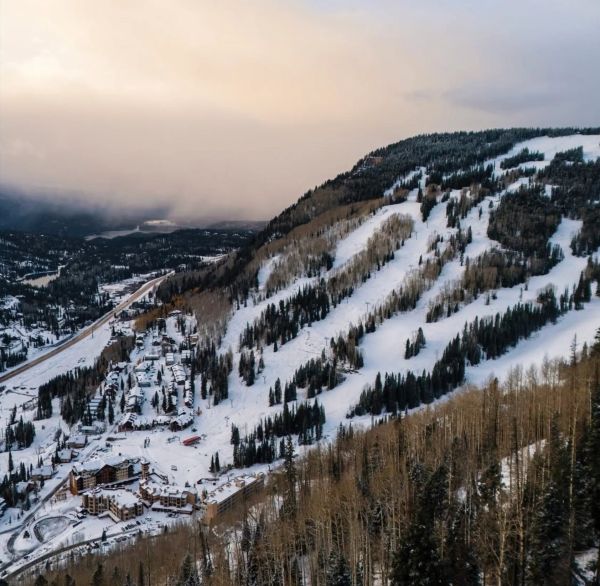
Purgatory Reveals Seven New Trails and a Colorado Couloir Chairlift Opening in December
Purgatory’s new trail map reads like a warning label. Seven new trails named after Dante’s Divine Comedy arrive with the Colorado Couloir chairlift in December, adding around 40 acres (16 ha) of steep pitches and gladed tree skiing. Five of them are black or double black. The resort opens for the season this Friday, 20 November.
19 Nov 2026
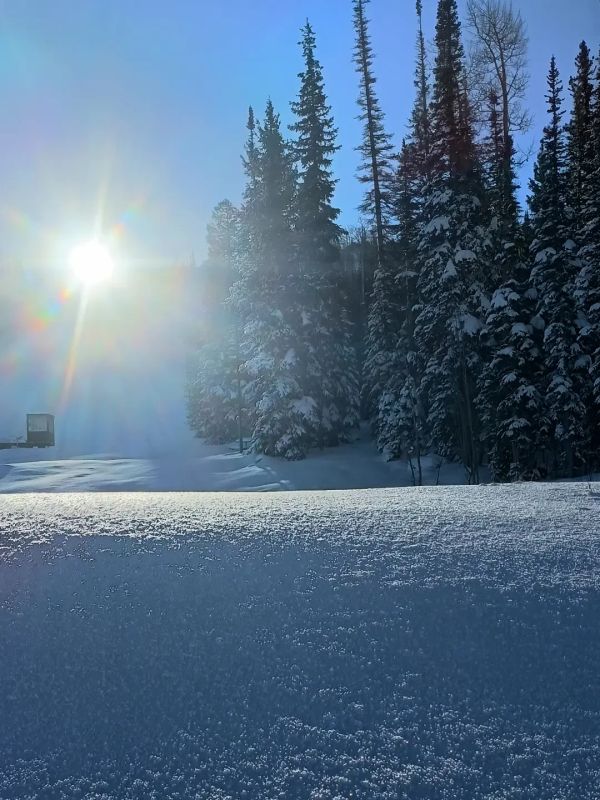
Brian Head Becomes First Utah Resort to Open for 2026-27, With Six Trails and a New Snowmaking Pipeline
Utah’s ski season has started, and it began in the south. Brian Head opened on Tuesday, 17 November, with six trails on the Navajo Express after 14 inches (36 cm) of storm snow and another half foot on opening day. It is the second year running the resort has beaten the rest of the state to first chair, and it has put nearly $1 million into a new snowmaking pipeline that can run 24 guns at once.
19 Nov 2026
Heavenly and Northstar Open Friday as Lake Tahoe Snow Stacks Up, With Kirkwood Eyeing an Early Start
Tahoe has gone from dry to deep in a week. Heavenly and Northstar open this Friday, 20 November, with up to 24 inches (61 cm) already down at Kirkwood and 50+ inches (127 cm) in the 10-day forecast. Kirkwood normally waits until December, but this snow might change that. Heavenly is even talking about opening Stagecoach in Nevada early, which almost never happens this soon.
18 Nov 2026
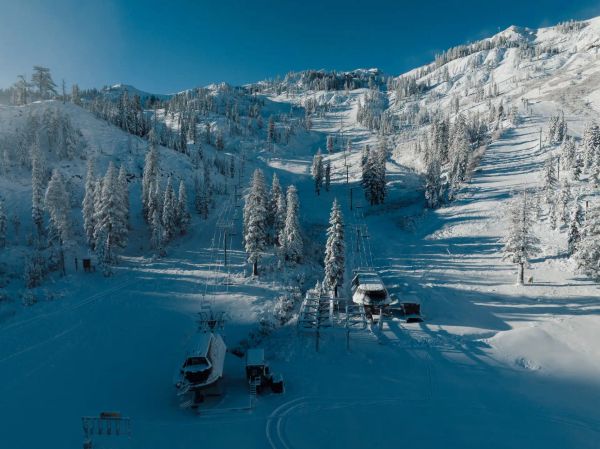
Palisades Tahoe Opens Saturday, Four Days Early, After 26 Inches of New Snow
Palisades Tahoe has pulled its opening forward by four days. Lifts spin this Saturday, 21 November, after 26 inches (66 cm) of new snow, with up to 50 more in the forecast. Opening terrain includes Treeline Cirque at Alpine and Gold Coast and Sunkid 1 at Palisades, though the resort says the weather could change the plan. Tickets are $99 through Tuesday.
18 Nov 2026
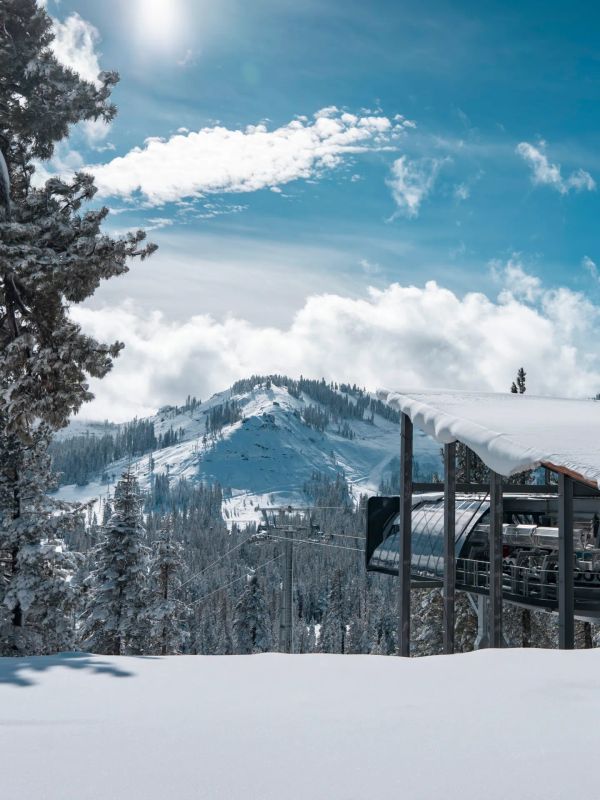
Sugar Bowl Gondola Slips to January 2027 as Opening Day Holds
Sugar Bowl still opens on 27 November, just without its new gondola. The eight-passenger Village Gondola is now targeting January 2027, with all eight towers up, the haul rope on and the first cabin hanging. Until it runs, everyone gets in through the Main Lodge, with curbside drop-off and parking lot shuttles. It replaces the first gondola in the western US, which dates from 1953.
16 Nov 2026
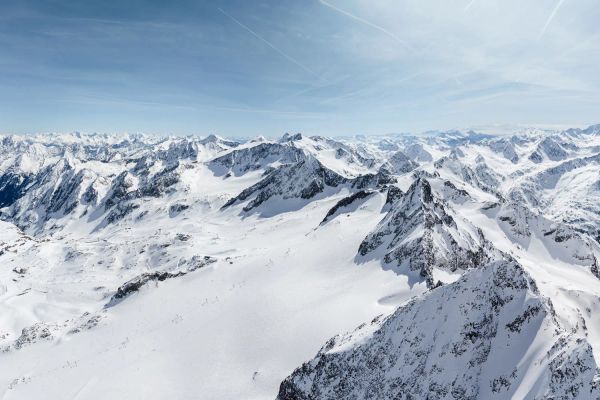
Stubai Glacier Avalanche Ends in Austria’s First Death of the Season
A 72-year-old American skier has died on Stubai Glacier after a small slab avalanche carried him over rocky ground and into a 20-metre crevasse. It is Austria’s first avalanche death of the 2026-27 season, and forecasters had flagged this exact setup two days earlier. Here is what happened near the Daunscharte, and what the snowpack was already telling anyone who was reading it.
15 Nov 2026
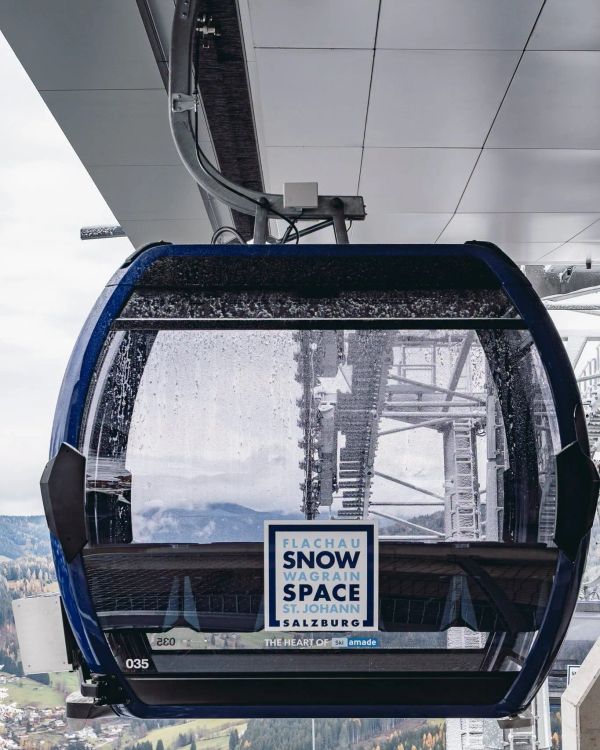
Wagrain’s New Grafenbergbahn Gondola Appears in First Photos
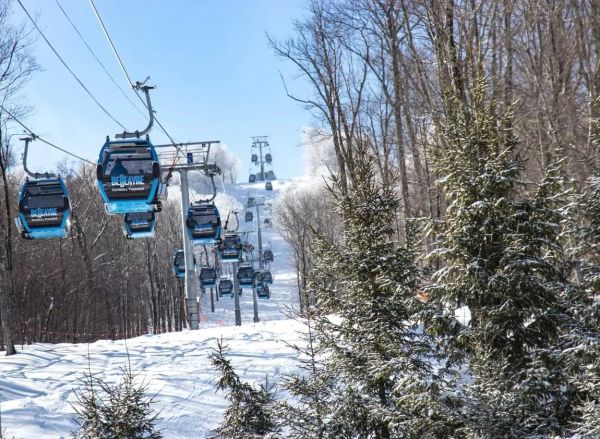
Wagrain’s new Grafenbergbahn is nearly here, and Snow Space Salzburg stamped “no AI” on the first photos, which says plenty about 2026. One 10-person gondola takes over from three old lifts, with 120 cabins moving up to 3,400 people an hour and a mid-station link into the G-Link. Dark blue cabins, fresh snow, no opening date yet.
14 Nov 2026
Indy Pass Adds 10 Alpine and 5 Nordic Partners for 2026-27
Indy Pass just got bigger. On 12 November it announced 10 new alpine resorts and 5 Nordic centres for 2026-27, including four in Norway and one in Austria. Three New York State mountains - Whiteface, Gore and Belleayre - also signed on to its Allied Program, with discounted tickets rather than included days. Waitlisted customers are being offered passes, and Learn to Turn news is due this week. Full list inside.
13 Nov 2026
Hotham Snow Report
Snow Report
Updated 20 Nov 2026
1861m
summit
+0cm
new snow · last 24 hours
Mainly Clear10°C / 18°C · N 27km/h
Snowfall
24 hours
0cm
48 hours
0cm
7 days
0cm
Base depth
0cm
Season total
176cm
Typical winter 283cm
Total lifts11
Live open status isn’t available right now.
6 June 2026 - 6 Sept 2026
Hour by Hour
Next 30 hours· Updated Nov 21, 2026 at 6:02 PM
Scroll for the full outlook · Open-Meteo
7-Day Outlook
1,779 mUpdated Nov 21, 2026 at 6:02 PMOpen-Meteo
Days 1–7
0.0cm
Days 8–14
0.0cm
Sun, Nov 22
Rain Showers
Temp18° / 10°°C
Snow0.0cm(98%)
Wind27 km/h N
Live snow from the resort feed; forecast from Open-Meteo, via Supabase.
Understanding the Hotham snow report
Track current conditions at Hotham in Victoria. This report covers snowfall totals, base and summit depth, and the forecast across 72 runs.
Snow measurements
Base depth, summit depth, and recent snowfall are the core numbers to watch. At Hotham, summit conditions (1861m) can differ noticeably from the base, so we break both out separately rather than showing a single average.
Weather conditions
Current weather conditions affect snow quality. Cold temperatures with low wind typically preserve snow quality, while warm temperatures or rain can impact conditions negatively — something worth watching closely at Hotham's 1450m base elevation, where temperatures run milder than the summit.
Data sources
Hotham snow data is collected through a combination of on-mountain reports and weather forecasting services, giving you both official resort updates and independent forecast data in one place. The mountain is served by 11 lifts, including 8 quad chairlifts.
When to check
Conditions can change overnight, so mornings and late afternoons are the best times to check back on Hotham.