
The Overview
Mt Baw Baw Alpine Resort offers a compact yet complete snow experience just 2.5 hours from Melbourne. As Victoria's closest downhill ski area to the capital, it provides an accessible alpine getaway without the long drive. The resort features gentle slopes perfect for beginners and families, alongside more challenging terrain for experienced skiers and snowboarders. With accommodation options ranging from cosy lodges to self-contained apartments, Mt Baw Baw delivers an authentic Victorian alpine experience on a smaller, more approachable scale.
105m
Vertical
17
Runs
86 acres
Skiable
3m
Annual snow
The Terrain
17 runs across 86 acres skiable
Mt Baw Baw is a very small ski area in the Victorian Alps of Gippsland, with only about 35 hectares between 1,460 and 1,565 metres and a vertical of just 105 metres. Its 17 runs split 25% beginner, 65% intermediate and 10% advanced, with no expert terrain. Those numbers describe a compact, gentle hill where the slopes are short and the pitches mild. Everything is packed into a plateau setting, so lifts are quick, distances are tiny and the whole hill is quickly understood. It is a place to learn, not a place to chase vertical.
Surface lifts do all the work, including the Maltese Cross T-Bar, the Summit T-Bar, the Big Hill Poma and the Painted Run T-Bar, plus the Tank Hill and Hut Run platters near the base. Named runs such as Tank Hill and Home Run keep things easy to follow. Intermediates make up nearly two-thirds of the terrain, but they should expect short, mellow runs rather than long descents. Mt Baw Baw suits young families, first-timers and beginner to low-intermediate skiers who value a small, friendly mountain. Experienced skiers will run out of challenge within a morning, and may find the toboggan areas more entertaining.
Terrain split
17
runs
17 runs across 4 grades
Beginner4 runs · 25%
Intermediate11 runs · 65%
Advanced2 runs · 10%
Expert0 runs · 0%
Time it right
When to visit Mt Baw Baw
The Mt Baw Baw snow season typically runs from early June through September, with peak conditions usually occurring in July and August. The mountain receives an average annual snowfall of 1-2 metres, supplemented by snowmaking facilities on key runs. Beyond the winter months, Mt Baw Baw transforms into a bushwalking and mountain biking destination from November through April. The changing seasonal landscape offers wildflower displays in summer and stunning autumn colours in March and April, making the mountain worth visiting year-round.
Season 2026
20 June 2026
Opens
7 Sept 2026
Closes
79
Days open
3 m
Annual snow
Getting there
Getting to Mt Baw Baw, and where to stay
Located in the Baw Baw National Park within Victoria's Great Dividing Range, Mt Baw Baw sits approximately 120km east of Melbourne. This positioning in the western Gippsland region makes it the closest alpine resort to Melbourne, accessible via a scenic drive through the Latrobe Valley and Yarra Ranges. The mountain stands at 1,567 metres above sea level, often catching snow when nearby peaks miss out due to its unique position. The resort area borders magnificent old-growth forests and sub-alpine woodlands, providing a distinctive ecological setting unlike other Victorian ski fields.
Where to stay
Search all stays →Hotels and lodges near Mt Baw Baw, powered by Stay22.
Latest News
From the SnowStash desk
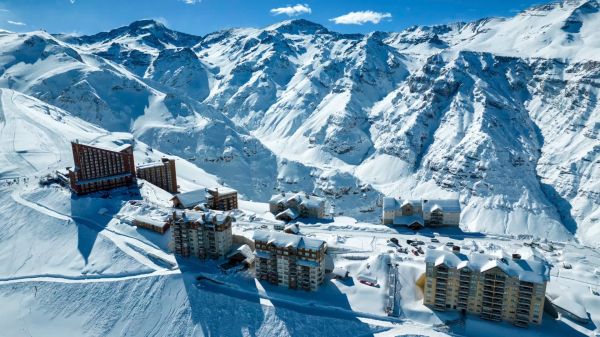
Valle Nevado Extends Season to November 8 After 108 cm in 48 Hours
Winter was meant to be winding down in Chile. Then Valle Nevado took 108 cm in 48 hours in early October, and the resort has pushed its closing date out to November 8 - its latest in 38 years of operation. That makes 143 days of skiing since opening day on June 19, with 690 cm banked for the season. Only part of the mountain is running while the storm settles, so check the mountain report before you plan a trip.
9 Oct 2026
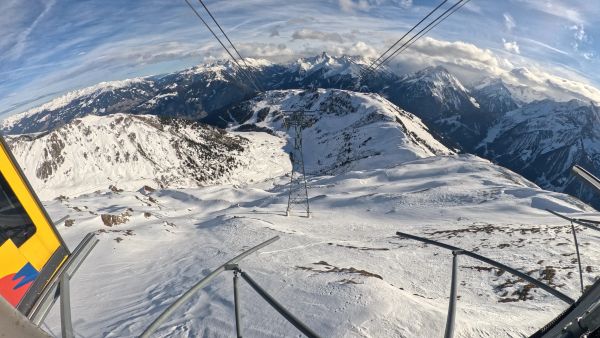
Alps Snow Forecast: Cold Front Brings Thursday Snow to the High Alps
The Alps look a lot more like winter today, for a day or so. A cold front is moving west to east, dropping up to 35 cm on high glaciers and peaks, with snow levels falling to around 1,500-1,800 m at times. Don’t plan a trip around it: mid-elevation snow will be thin and wet, every area is closed bar a limited Sölden glacier opening tomorrow, and warmer weather returns by Monday.
8 Oct 2026
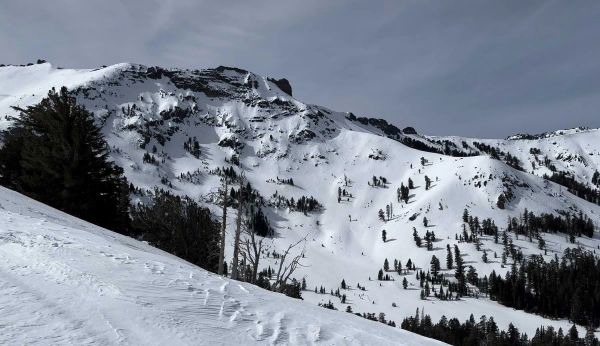
California Ski Resort Opening Dates 2026-27: Mammoth Leads, Tahoe Follows
Mammoth Mountain is first up in California, targeting Friday 13 November after a dusting of September snow. Heavenly and Northstar follow on 20 November, Palisades Tahoe on Wednesday 25 November and Sugar Bowl on 27 November, with Kirkwood on 4 December and June Mountain on 19 December. Plenty of smaller areas have no date yet. A super El Niño favours the Sierra, but a warmer storm track is the catch.
7 Oct 2026
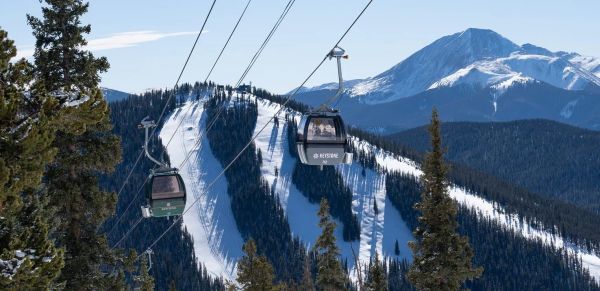
Colorado Ski Resort Opening Dates 2026-27: A-Basin and Keystone Race to Be First
Arapahoe Basin, Keystone and Winter Park are all chasing an October start, though none has a firm date yet. The first dated openers are Breckenridge and Copper on Friday 6 November, then Vail on 13 November, with most of the rest bunched around US Thanksgiving. Hesperus did not open at all last season. A super El Niño offers hope but no guarantee, and forecasters say the southern mountains have the better odds.
5 Oct 2026
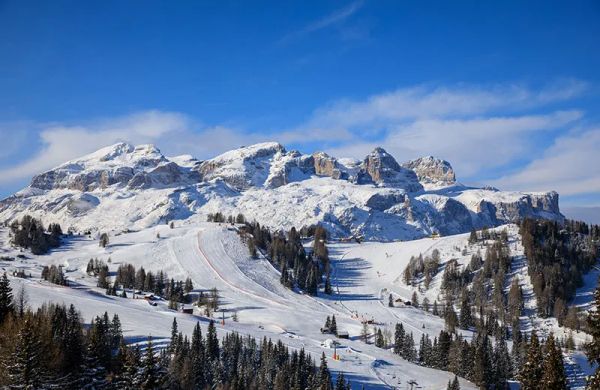
Dolomiti Superski 2026-27: Four New Gondolas, New Reservoirs and an €89 Peak Day Pass
Dolomiti Superski is spending around €100 million across its 12 areas before winter. Kronplatz gets a new 10-passenger gondola with a middle station, 3 Zinnen gets Helmissimo, and Val di Fassa swaps a chairlift for a gondola above Col Valvacin. New water-storage basins and upgraded snowmaking follow, and construction has started on the San Martino to Passo Rolle link. A peak adult day pass is €89.
4 Oct 2026
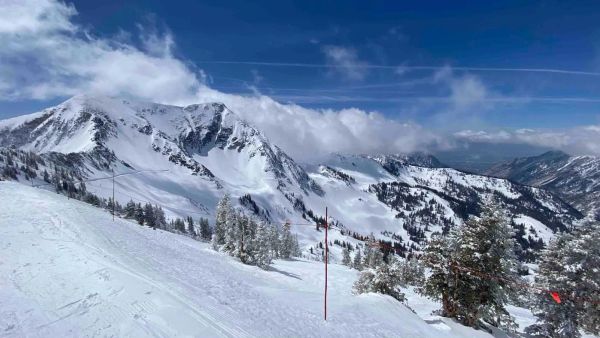
Utah Ski Resort Opening Dates 2026-27: Brian Head First, Eagle Point Out
Brian Head is targeting 6 November, though last year it aimed for 7 November and did not open until the 25th. Park City, Alta and Solitude are pencilled in for 20 November, Snowbird and Snowbasin for 27 November, and Deer Valley for 5 December. Eagle Point will stay closed after the Cottonwood Fire. A super El Niño is forecast, but the big snow is not expected until January.
4 Oct 2026
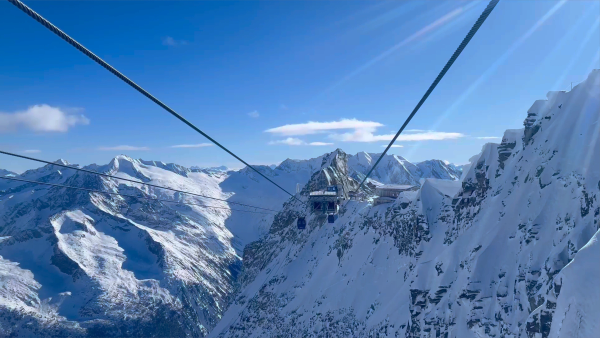
Hintertux Glacier Opens for 2026-27 With 12 Kilometres of Piste
Hintertux became Austria's second glacier to open for 2026-27 on Friday 2 October, after the Pitztal Glacier. Twelve kilometres of piste are running around the Olperer and Gefrorene Wand, served by one gondola and two drag lifts, with the Betterpark also open. Lifts officially run 8:15 am to 4:30 pm, but skiing stops at 2 pm for now.
4 Oct 2026
Vail Resorts Counts the Cost of a Thin Winter as Pass Sales Slide Further
A historically poor western winter cut Vail Resorts' annual net income from $280 million to $147.5 million and skier visits by 13.4 per cent. Now 2026-27 pass units are down 12 per cent as of 18 September, worse than the 10 per cent flagged in spring. Vail blames the weather and thinks some buyers are simply waiting, and it forecasts a rebound if the snow behaves.
3 Oct 2026