
Mont Tremblant
305 hectares, 102 runs in the Laurentians. Purpose-built pedestrian village, Eastern Canada's top resort, Ikon Pass.
Season 2026 - 2027
Opens
27 Nov 2026
Closes
18 Apr 2027
Days open
142
Annual snow
4m
The Overview
Michael Fulton
Melbourne-based skier and snowboarder with 50+ resorts across 5 continents. Specialises in Australian resorts and international resort comparisons.
Mont Tremblant's summit reaches 875 metres, dropping 645 vertical metres to a base at 230 metres across 102 runs spread over roughly 305 hectares in the Laurentians, Quebec. Terrain splits 37 per cent advanced, 30 per cent intermediate, 19 per cent beginner and 14 per cent expert, with average annual snowfall of roughly 3.5 metres. The resort carries Ikon Pass affiliation. Fourteen lifts, including seven quad chairs and three gondolas, serve the mountain alongside one triple chair and three surface lifts.
Mont Tremblant holds a distinguished place as Eastern Canada's leading ski resort, built around a purpose-designed pedestrian village widely regarded as one of the most successful mountain-village developments in North America. Its considerable scale for the Laurentians, combined with a genuinely varied terrain mix, has built Tremblant's reputation as Quebec's premier four-season destination.
Jo Ryan opened Mont Tremblant Lodge in February 1939, developing a resort that included a summer beach and tennis club alongside 16,500 acres of mountain terrain leased from the Quebec provincial government. Mary Ryan continued operating the resort until selling it to a group of Montreal businessmen in 1966, and ownership changed hands several times over the following fifteen years.
Intrawest acquired Mont Tremblant for an estimated 22 million Canadian dollars in 1991, its first resort purchase after Blackcomb, and invested 48 million Canadian dollars between 1991 and 1995, lifting daily capacity from 8,500 to 14,500 skiers. The company's purpose-built pedestrian village, designed by Eldon Beck, the same architect behind Vail and the original Whistler Village, remains central to the resort's identity. Adult daily tickets run from 149 to 179 Canadian dollars.
645m
Vertical
102
Runs
753 acres
Skiable
4m
Annual snow
Ikon
Pass
The Terrain
102 runs across 753 acres skiable
Mont Tremblant is the largest area in this batch, with 102 runs over roughly 305 hectares and a vertical of 645 metres, from 230 to 875 metres. Grading is 19% beginner, 30% intermediate, 37% advanced and 14% expert, so more than half the terrain is steep. Seven quad chairs, a triple, three gondolas and three surface lifts connect four distinct sides of the mountain: the South Side, North Side, Soleil and the Edge. It is a lower-vertical mountain by global standards, yet the scale and variety stand out in eastern Canada, and it carries the Ikon Pass.
The Edge and upper North Side hold the harder lines, with Dynamite often described as the steepest run on the hill and Expo a firm test when the moguls build up. The Edge also offers natural terrain and glades for skiers who want something less groomed. Soleil has sunnier, flowing blues with wooded surrounds, and the South Side is the quick option from the pedestrian village. Cold snaps can leave the surface hard and fast, so keep your edges tuned. Tremblant suits strong intermediates and advanced skiers wanting variety, plus families who want the village on the doorstep.
Terrain split
102
runs
102 runs across 4 grades
Beginner19 runs · 19%
Intermediate31 runs · 30%
Advanced38 runs · 37%
Expert14 runs · 14%
Time it right
When to visit Mont Tremblant
The 2025-26 season at Mont Tremblant ran from 27 November 2025 to 12 April 2026, a roughly nineteen-week season supported by average annual snowfall of around 3.5 metres. Season dates can shift depending on early and late-season weather in the Laurentians.
Midwinter, from December through February, typically brings the most consistent conditions to Tremblant's varied, advanced-weighted terrain. As an Ikon Pass resort, Tremblant draws substantial visitation from pass holders alongside destination travellers seeking the resort's genuinely developed pedestrian village.
Tremblant's purpose-built village continues to draw considerable visitation for its dining, shopping and nightlife alongside the skiing itself. School holiday periods bring substantial family visitation given the resort's varied terrain and considerable four-season amenities.
Specific event programming beyond standard operations is not confirmed in available resort information. Since Intrawest's 1991 acquisition, Tremblant has continued building on more than eight decades of history since Jo Ryan's 1939 founding. The resort's status as Eastern Canada's leading ski destination remains central to its enduring reputation.
Season 2026 - 2027
27 Nov 2026
Opens
18 Apr 2027
Closes
142
Days open
4 m
Annual snow
Getting there
Getting to Mont Tremblant, and where to stay
Mont Tremblant sits in the Laurentians, Quebec, with a base elevation of 230 metres and a summit at 875 metres across a 645-metre vertical drop over roughly 305 hectares. This setting places the resort within a comparatively short drive of Montreal, among the more accessible major resorts in Eastern Canada.
The purpose-built pedestrian village at Tremblant's base offers extensive lodging, dining, shopping and nightlife directly at the mountain, while the nearby town of Saint-Jovite provides additional services.
Route 117 and Autoroute 15 provide direct access to the resort from Montreal. Winter driving conditions on these routes can include snow and ice, though the well-travelled roads are regularly maintained given the resort's status as a major Quebec destination.
Montreal-Trudeau International Airport, roughly a two-hour drive away, is the primary gateway for visitors flying into the region, with Tremblant's considerable international profile supporting substantial visitation from across Canada, the United States and further afield.
Where to stay
Search all stays →Hotels and lodges near Mont Tremblant, powered by Stay22.
Latest News
From the SnowStash desk
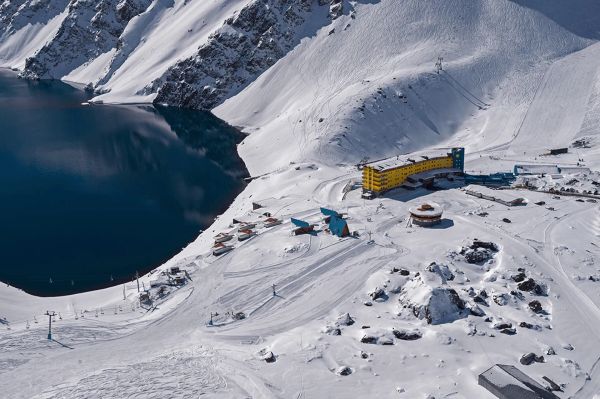
Four Dead After Avalanche Near Ski Portillo in Chile
A large avalanche struck near Laguna del Inca adjacent to Ski Portillo on Saturday afternoon, killing four people and injuring four others. The group were day visitors mountaineering in the backcountry after reportedly being warned about elevated avalanche risk by resort staff.
18 Oct 2026
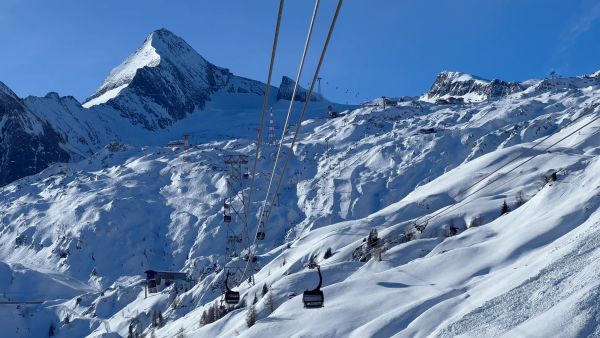
Europe Ski Resorts Open Now: What Is Skiable in Mid-October 2026
Europe’s ski season is open, technically. After a record-warm summer, glaciers in Austria, Switzerland and Italy are running a few pistes apiece, Sölden, Stubai and Kitzsteinhorn started late, Titlis has pushed back to 24 October, and Zermatt reopens a few lifts on 14 October after more than two months shut. Finland’s Levi and Ruka are skiing on stored snow. Here is what is open, and what you actually get at each.
14 Oct 2026
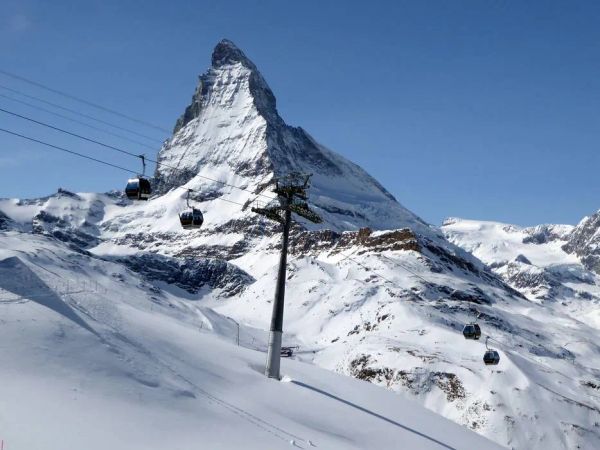
Zermatt Plans World Cup Downhill Return on the Gornergrat for 2028
Zermatt is having another crack at a World Cup downhill, and this time nobody has to cross a border. Around 13 million Swiss francs is going into rebuilding the Gornergrat piste, including a jump fed by a roughly 300-metre in-run across the roof of the Gornergrat Railway gallery, with the Matterhorn lined up behind it for the TV cameras. First men’s race is pencilled in for March 2028, pending FIS homologation.
14 Oct 2026
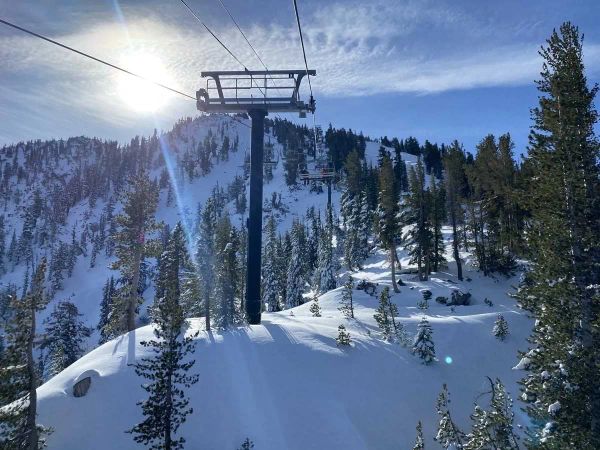
Mt. Rose Begins Snowmaking for the 2026-27 Season at Lake Tahoe
Lake Tahoe’s highest base elevation is paying off early: Mt. Rose has started making snow for 2026-27 after the first flurries and a cold snap. The Nevada resort is backing it with nearly US$2 million in upgrades, including a replacement snowmaking main line, a new PistenBully groomer and restraint bars on every lift. Opening day is yet to be confirmed, though Heavenly and Northstar are already eyeing 20 November.
13 Oct 2026
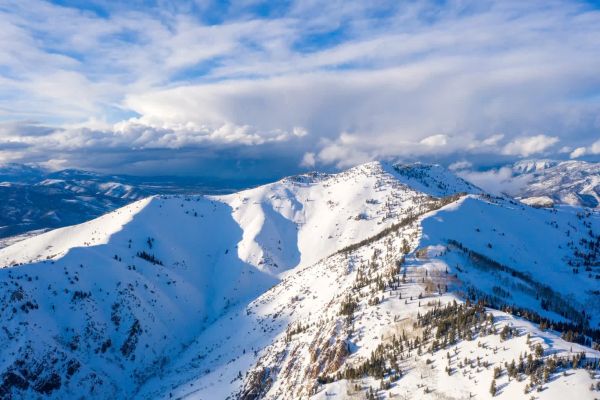
Utah Ski Resorts 2026-27: What’s New at Alta, Deer Valley, Powder Mountain and More
Utah is still building flat out. For 2026-27, Powder Mountain opens a steep new Skytrac chair into more than 1,000 acres of advanced terrain, Deer Valley adds 200 acres on Hail Peak, Sundance gets a new quad and Park City adds a gondola from its new parking structure. Snowmaking is expanding almost everywhere, Eagle Point stays closed after the Cottonwood Fire, and the 2034 Games are setting the pace. Here’s what’s new, resort by resort.
13 Oct 2026
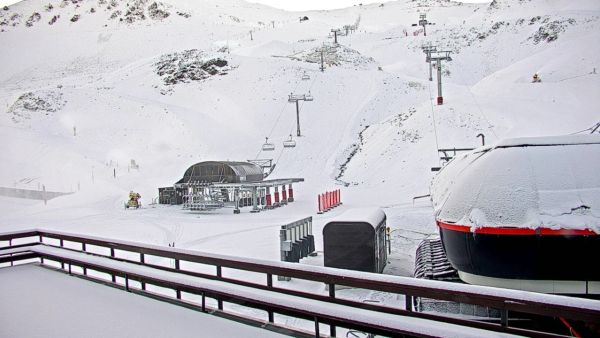
Mt Hutt Invests NZ$12 Million in Base Area, Tripling Its Sun Deck
Mt Hutt is getting busier, and its base lodge is about to catch up. NZ$12 million goes into a heated sun deck roughly three times the current size (430 m² to 1,300 m²), plus a new toilet block, heated steps down to snow level, extra storage and a new food and beverage outlet. Building starts after the 2026 season, with everything due for winter 2027.
11 Oct 2026
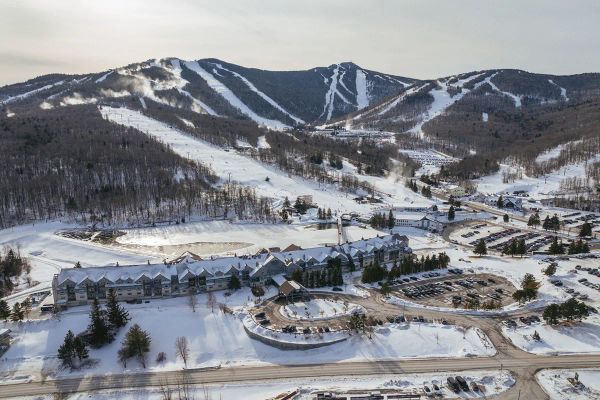
Vermont Ski Resort Opening Dates 2026-27: Few Dates Set, Killington Waits on the Cold
Vermont's season is slow to take shape. Stratton is tentatively targeting 18 November and Sugarbush 21 November, while Pico has Friday 11 December on the calendar. Killington never sets a date and opens when the snowmaking allows, and Vail Resorts has yet to name days for Stowe, Okemo and Mount Snow. The forecasts disagree about snow, and the main El Niño worry for the Green Mountains is warmth.
9 Oct 2026
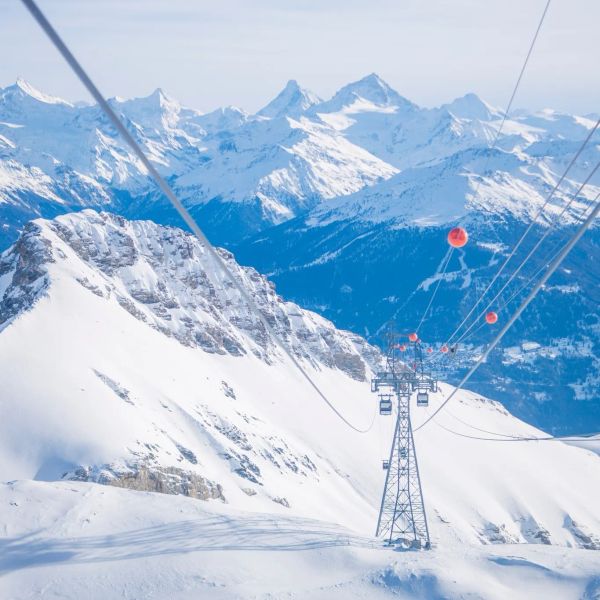
Crans-Montana 2027 World Championships President Resigns Ahead of Fraud Hearing
Less than four months out from the Crans-Montana 2027 World Championships, the man running the organising committee has stepped down. Claude-Alain Schmidhalter resigned as Swiss-Ski vice president and OC president after being indicted over a business dispute unrelated to skiing. He denies the allegations and faces court on October 27. Interim leaders are in place for the February 1-14 event.
9 Oct 2026