
Grandvalira
Grandvalira: 210km of slopes across 6 sectors, 74 lifts, 1,710–2,815m. Andorra's largest ski domain.
Season 2026 - 2027
Opens
5 Dec 2026
Closes
4 Apr 2027
Days open
120
Annual snow
5m
The Overview
Michael Fulton
Melbourne-based skier and snowboarder with 50+ resorts across 5 continents. Specialises in Australian resorts and international resort comparisons.
Grandvalira stands as the largest ski resort in the Pyrenees and one of the most significant ski domains in Europe outside the Alps, spreading across six interconnected sectors — Pas de la Casa, Grau Roig, Soldeu, El Tarter, Canillo, and Encamp — in the tiny mountain principality of Andorra. Born from the 2003 merger of two of the Pyrenees' oldest ski areas (Pas de la Casa-Grau Roig, established 1956, and Soldeu-El Tarter, established 1964), the resort now delivers 210 kilometres of groomed terrain across 138 runs, ranging from an accessible base of 1,710m up to a summit of 2,815m, giving a vertical drop of over 1,100m. The terrain breakdown suits a broad range of abilities, with 17% beginner, 39% intermediate, 29% advanced, and 15% expert pistes, complemented by three dedicated terrain parks and night skiing at Pas de la Casa.
Grandvalira has built a genuine international profile, hosting the Alpine Ski World Cup Finals in 2012, 2016, 2019, and again in 2023, 2024, and 2025, cementing its standing as a venue capable of attracting the world's best alpine athletes. Beyond competitive skiing, the resort offers a compelling mix of on-mountain dining, après-ski, snowshoeing, snowmobile tours, and the 1,800m² Palau de Gel ice rink in Canillo. Duty-free shopping across Andorra adds a distinctive appeal rarely found at ski destinations of comparable scale, making Grandvalira a resort that rewards visitors as much off the slopes as on them.
1105m
Vertical
138
Runs
210 km
Piste
5m
Annual snow
Nord Pass
Pass
The Terrain
138 runs across 210 km of piste
Grandvalira is the largest ski area in the Pyrenees, with 210 kilometres of piste across 138 runs in the eastern valleys of Andorra. The elevation runs from 1,710 metres to 2,815 metres, a vertical of 1,105 metres. The grading is broad: 39% intermediate, 29% advanced, 17% beginner and 15% expert, so no single ability dominates. Six linked sectors, Pas de la Casa, Grau Roig, Soldeu, El Tarter, Canillo and Encamp, each have their own character, and a keen skier could spend a week here without exhausting the options. Plan around sectors rather than trying to see everything in a day.
Soldeu has the Avet, a steep World Cup piste that tests even strong skiers, while Grau Roig and Pas de la Casa have the higher, more open ground and the steeper couloirs for advanced riders. Canillo and El Tarter are friendlier, with beginner areas, snowparks and wide cruising runs, and Encamp is the way in from Spain. Intermediates will find mile after mile of rolling reds, and the sectors link so that you can cross much of the domain without retracing your tracks. Freeriders should hire a guide. It suits mixed groups and keen intermediates.
Terrain split
138
runs
138 runs across 4 grades
Beginner23 runs · 17%
Intermediate54 runs · 39%
Advanced40 runs · 29%
Expert21 runs · 15%
Time it right
When to visit Grandvalira
Grandvalira operates from early December through to early April, with the 2025/26 season running from 3 December 2025 to 5 April 2026. The resort's high-altitude position, with all skiable terrain sitting above 1,700m, combined with an average annual snowfall of 5.49m, produces reliable conditions across a lengthy season. January and February deliver the coldest temperatures and best powder opportunities, while March typically offers the deepest snowpack — historically averaging 134cm at summit elevation — making late-season skiing in Andorra particularly worthwhile for those seeking high-volume soft snow.
The resort benefits from Atlantic moisture systems moving in from the west, which deliver significant snowfall events throughout winter, typically well above what comparable Pyrenean resorts at lower elevations can expect. When natural snowfall is insufficient, Grandvalira's snowmaking operation across 126 kilometres of piste provides consistent coverage from opening day. The combination of altitude, reliable snowfall, and large-scale snow management means Grandvalira carries snow from the first lifts in December through to the April close with far greater consistency than its position in the Pyrenees might suggest compared to the Alps.
Season 2026 - 2027
5 Dec 2026
Opens
4 Apr 2027
Closes
120
Days open
5 m
Annual snow
Getting there
Getting to Grandvalira, and where to stay
Grandvalira occupies the mountainous interior of the Principality of Andorra, a landlocked microstate of just 468 square kilometres situated between France to the north and Spain to the south in the eastern Pyrenees. The resort's six sectors stretch across the country's northeastern valleys, with Pas de la Casa sitting right on the French border at the Col d'Envalira, the highest road pass in the Pyrenees, while Encamp offers access from near the capital Andorra la Vella. The unique political status of Andorra — not a member of the European Union — means the country operates as a low-tax jurisdiction, making everything from lift passes and accommodation to fuel and consumer goods notably more affordable than neighbouring France and Spain.
The two primary international gateways are Barcelona El Prat Airport in Spain, approximately a three-hour drive via the Túnel del Cadí, and Toulouse-Blagnac Airport in France, roughly two hours and 15 minutes to the north via the N20. Perpignan, Carcassonne, Girona, and Lleida airports all sit within three hours and provide additional options for travellers from across Europe. Andorra la Vella, just minutes from the Encamp sector gondola, provides a full range of accommodation, world-class spa facilities at the Caldea thermal spa complex, and tax-free retail along Avinguda Meritxell, giving Grandvalira visitors a base that functions as a genuine destination in its own right.
Where to stay
Search all stays →Hotels and lodges near Grandvalira, powered by Stay22.
Latest News
From the SnowStash desk
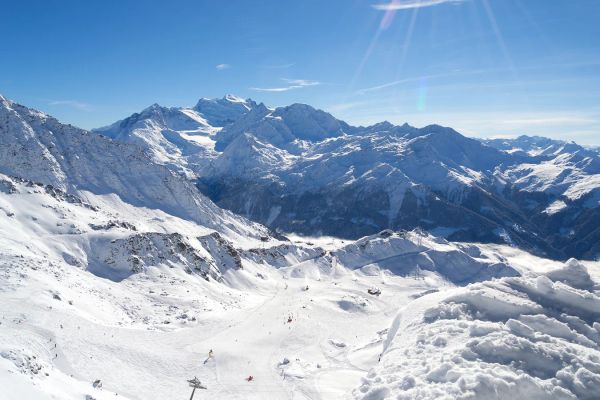
Alps Snow Forecast: Up to 64 cm Headed for the High Glaciers as the Snow Line Drops
The Alps are about to swap mild, sunny October weather for something far more wintry. A cold front arrives Tuesday, and SnowStash forecasts have Monterosa Ski out in front with 64 cm over 14 days, ahead of Blatten Belalp (55 cm) and Verbier (43 cm). The snow line should fall below 2000 metres by Wednesday night, and glaciers across Switzerland, Italy and Austria are in line for the best of it. The wind will have a say too.
20 Oct 2026
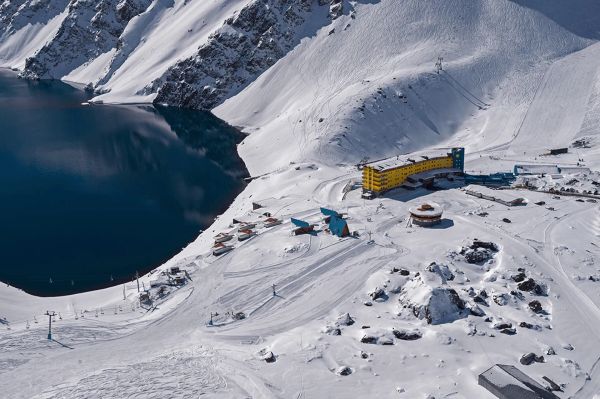
Four Dead After Avalanche Near Ski Portillo in Chile
A large avalanche struck near Laguna del Inca adjacent to Ski Portillo on Saturday afternoon, killing four people and injuring four others. The group were day visitors mountaineering in the backcountry after reportedly being warned about elevated avalanche risk by resort staff.
18 Oct 2026
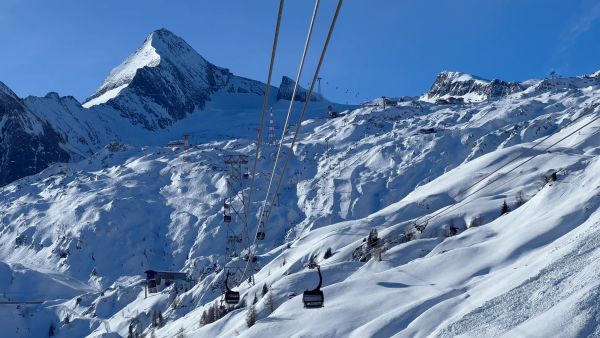
Europe Ski Resorts Open Now: What Is Skiable in Mid-October 2026
Europe’s ski season is open, technically. After a record-warm summer, glaciers in Austria, Switzerland and Italy are running a few pistes apiece, Sölden, Stubai and Kitzsteinhorn started late, Titlis has pushed back to 24 October, and Zermatt reopens a few lifts on 14 October after more than two months shut. Finland’s Levi and Ruka are skiing on stored snow. Here is what is open, and what you actually get at each.
14 Oct 2026
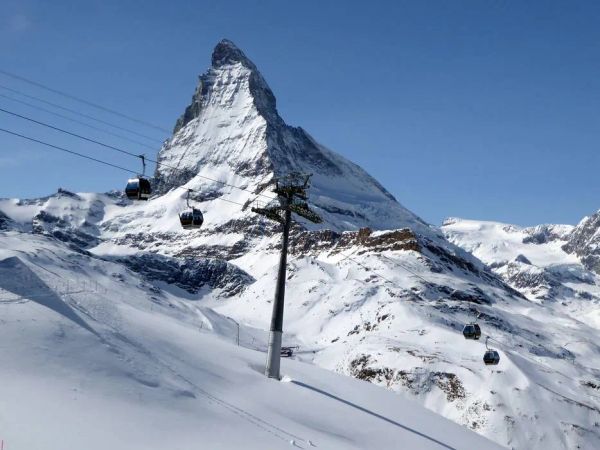
Zermatt Plans World Cup Downhill Return on the Gornergrat for 2028
Zermatt is having another crack at a World Cup downhill, and this time nobody has to cross a border. Around 13 million Swiss francs is going into rebuilding the Gornergrat piste, including a jump fed by a roughly 300-metre in-run across the roof of the Gornergrat Railway gallery, with the Matterhorn lined up behind it for the TV cameras. First men’s race is pencilled in for March 2028, pending FIS homologation.
14 Oct 2026
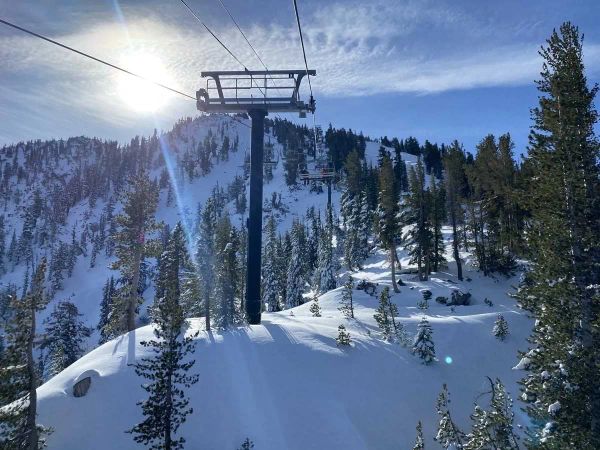
Mt. Rose Begins Snowmaking for the 2026-27 Season at Lake Tahoe
Lake Tahoe’s highest base elevation is paying off early: Mt. Rose has started making snow for 2026-27 after the first flurries and a cold snap. The Nevada resort is backing it with nearly US$2 million in upgrades, including a replacement snowmaking main line, a new PistenBully groomer and restraint bars on every lift. Opening day is yet to be confirmed, though Heavenly and Northstar are already eyeing 20 November.
13 Oct 2026
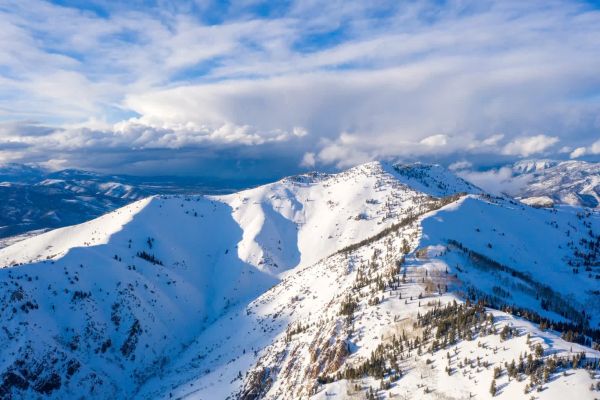
Utah Ski Resorts 2026-27: What’s New at Alta, Deer Valley, Powder Mountain and More
Utah is still building flat out. For 2026-27, Powder Mountain opens a steep new Skytrac chair into more than 1,000 acres of advanced terrain, Deer Valley adds 200 acres on Hail Peak, Sundance gets a new quad and Park City adds a gondola from its new parking structure. Snowmaking is expanding almost everywhere, Eagle Point stays closed after the Cottonwood Fire, and the 2034 Games are setting the pace. Here’s what’s new, resort by resort.
13 Oct 2026
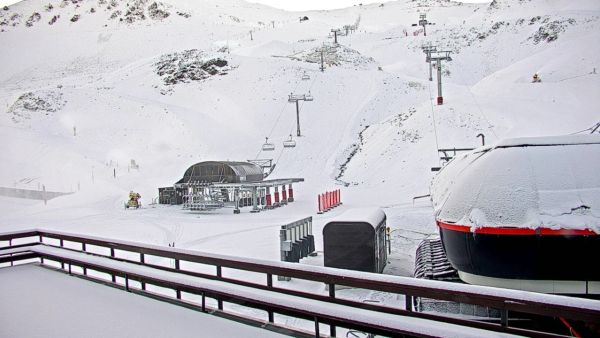
Mt Hutt Invests NZ$12 Million in Base Area, Tripling Its Sun Deck
Mt Hutt is getting busier, and its base lodge is about to catch up. NZ$12 million goes into a heated sun deck roughly three times the current size (430 m² to 1,300 m²), plus a new toilet block, heated steps down to snow level, extra storage and a new food and beverage outlet. Building starts after the 2026 season, with everything due for winter 2027.
11 Oct 2026
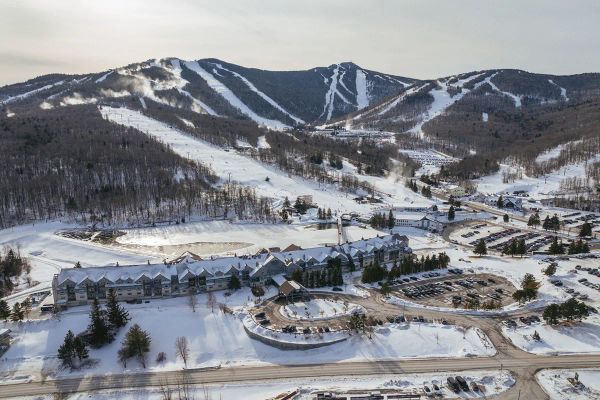
Vermont Ski Resort Opening Dates 2026-27: Few Dates Set, Killington Waits on the Cold
Vermont's season is slow to take shape. Stratton is tentatively targeting 18 November and Sugarbush 21 November, while Pico has Friday 11 December on the calendar. Killington never sets a date and opens when the snowmaking allows, and Vail Resorts has yet to name days for Stowe, Okemo and Mount Snow. The forecasts disagree about snow, and the main El Niño worry for the Green Mountains is warmth.
9 Oct 2026
Grandvalira Lift System
Grandvalira's lift network of 74 installations is one of the largest and most efficient in the Pyrenees, built to move skiers seamlessly across six sectors without the bottlenecks common to smaller resorts. The fleet includes six gondolas, nine six-person high-speed chairlifts, 17 quad chairs, two double chairs, 25 T-bars, and 15 surface lifts, designed to distribute traffic across the domain's wide geography. The Funicamp gondola at Encamp is a standout piece of infrastructure — a 6-kilometre cabin ride that climbs from the valley floor into the Solanelles sector in approximately 15 minutes, providing easy access from the Andorran capital region without requiring guests to drive up to the mountain.
With 126 kilometres of piste covered by over 1,000 snow cannons, Grandvalira backs its natural snowfall with substantial snowmaking infrastructure, keeping 65% of the terrain operational even during low-snow periods. The lift design across sectors prioritises connection, allowing skiers to link Pas de la Casa at the French border with Encamp on the western edge in a single day without retracing terrain. Grandvalira's lift pass also provides access to the Ordino Arcalís resort, adding a further 30 kilometres of terrain to the combined Andorra ski domain — an option well worth exploring for those spending four or more days in the country.
74lifts across 6 types
6
Gondolas
9
6-Person Chairs
17
Quad Chairs
2
Double Chairs
25
T-Bars
15
Surface Lifts
Grandvalira lift system
Grandvalira is served by 74 lifts, listed here by type. Check which lifts are turning against the live conditions before you plan your first laps - early lifts and high-speed chairs get you to the best snow fastest.
More Grandvalira intelligence: trail map, snow report, webcams, resort overview.