Carezza
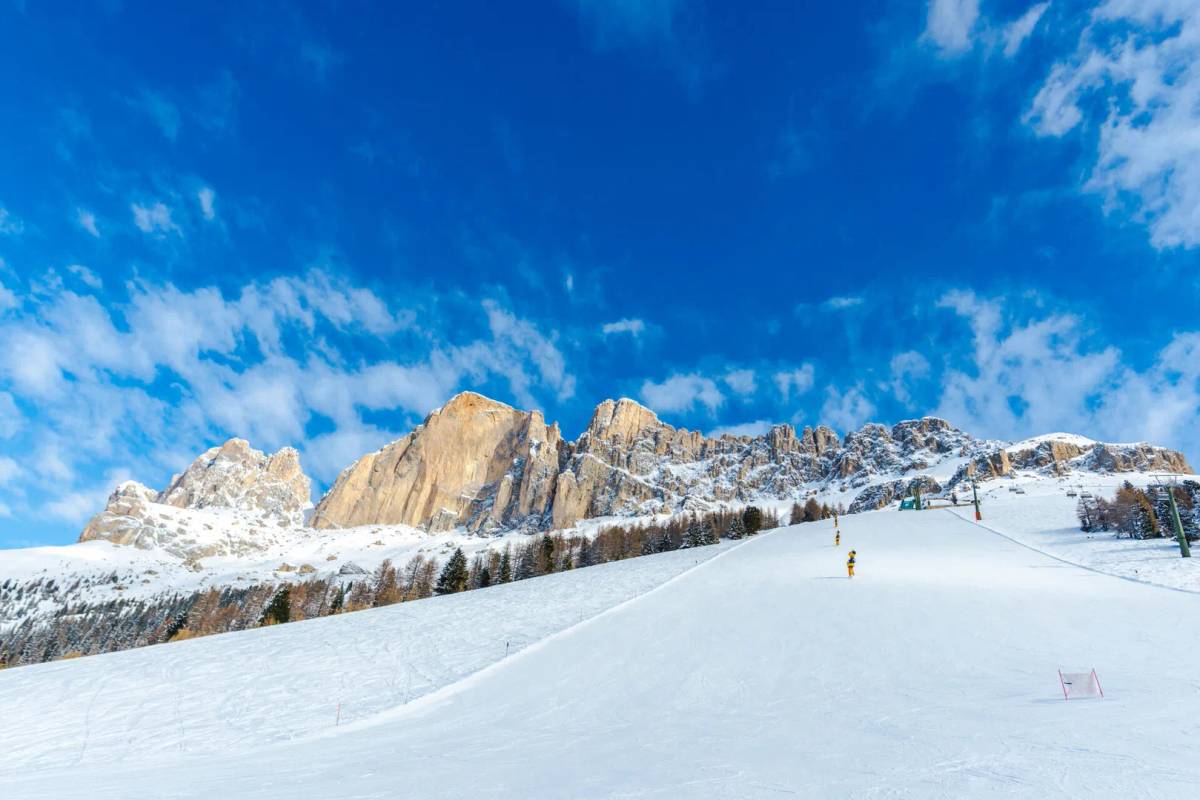
Carezza: 40km slopes beneath legendary Rosengarten massif, 1,182-2,337m elevation. Climate ski resort 20km from Bolzano.

Season 2026 - 2027
Opens
4 Dec 2026
Closes
4 Apr 2027
Days open
121
Annual snow
2.2m
The Overview
Michael Fulton
Melbourne-based skier and snowboarder with 50+ resorts across 5 continents. Specialises in Australian resorts and international resort comparisons.
Carezza offers 40 kilometres of meticulously groomed pistes nestled beneath the distinctive Rosengarten and Latemar mountains, whose pink-hued Dolomite rock creates spectacular alpenglow displays at sunset. The resort combines gentle learning zones with flowing intermediate terrain, reaching elevations from 1,182 to 2,337 metres across south and east-facing slopes. Advanced snowmaking systems cover 98% of all marked runs, ensuring reliable skiing throughout winter.
The area's legendary status stems from the tale of King Laurin, the dwarf king who created a magical rose garden on the Rosengarten massif, only to curse it so its beauty could never again be seen by day or night—forgetting twilight, when the mountains glow pink. This mythology permeates the resort experience, from themed children's areas to mountain hut names, creating an enchanting atmosphere that distinguishes Carezza from typical Alpine destinations. The resort's commitment to preserving this natural wonder earned it "Climate Ski Resort" designation, recognising extensive sustainability initiatives.
Johann Wolfgang von Goethe famously wrote about this area's extraordinary natural beauty during his Italian journey, observations that continue attracting visitors to its unique combination of scenic splendour and perfectly prepared slopes. The resort's position within the UNESCO World Heritage Dolomites provides access to one of the planet's most spectacular mountain landscapes, where distinctive pale limestone formations create an extraordinary backdrop for technical skiing beneath some of Europe's most photographed peaks.
1155m
Vertical
25
Runs
40 km
Piste
2.2m
Annual snow
The Terrain
25 runs across 40 km of piste
Carezza is a compact Dolomite area at the foot of the Rosengarten and Latemar, with 40 kilometres of piste across 25 runs. The vertical is 1,155 metres, from the 1,182-metre base to a 2,337-metre top. Sanity splits the grading into 48% beginner, 41% intermediate and 11% advanced, with no expert terrain. That gives the area a gentle, easygoing feel, and the lifts reflect a modern, comfortable approach, including several gondolas, an aerial tram and a six-seat and eight-seat chair. Access is from the Karerpass, Welschnofen or Tiers, which gives several ways in.
The best-known run is the König Laurin Challenge, which links runs 20 and 24 for a descent of about 7.7 kilometres and more than 1,100 metres of vertical. Another long trail leads down through forest to Welschnofen, giving a pleasant finish to the day. The area has no recognised freeride zone, and the advanced share is small. It suits families, beginners progressing to reds, and intermediates looking for scenery and relaxed cruising, and it also works as a quiet day trip from other Dolomiti Superski areas.
Terrain split
25
runs
25 runs across 4 grades
Beginner12 runs · 48%
Intermediate10 runs · 41%
Advanced3 runs · 11%
Expert0 runs · 0%
Time it right
When to visit Carezza
The Carezza winter season typically runs from early December through early April, with optimal conditions from January through March. The area benefits from its strategic position within the Dolomites, receiving consistent snowfall from both Mediterranean and Alpine weather systems. Early season operations begin on higher elevation sectors before expanding across the entire network by Christmas week.
February offers peak snow conditions, complemented by increasing sunshine hours that showcase the extraordinary Dolomite scenery. Special night skiing operations extend the experience on select slopes throughout the season, with illuminated descents offering unique perspectives on the surrounding mountains.
Season 2026 - 2027
4 Dec 2026
Opens
4 Apr 2027
Closes
121
Days open
2.2 m
Annual snow
The record
Historical snowfall at Carezza
Daily snow reports at Carezza go back to 1996, 31 winters on the books. Open the record to compare winters, lifts and piste.
65 cm
Snowiest day
15 Nov 2019
25 cm
This winter · 2026-27
so far
223 cm
Typical winter
average of complete seasons
Winter totals
cm
Past wintersThis winter
Getting there
Getting to Carezza, and where to stay
Situated 20 kilometres northeast of Bolzano in South Tyrol, Carezza occupies a spectacular position beneath the western face of the Rosengarten massif. The resort spans several traditional villages including Nova Levante and Passo Costalunga, which maintain authentic Alpine architecture and strong Ladin cultural heritage. These communities have welcomed visitors since the 19th century, with notable guests including Agatha Christie, Winston Churchill, Arthur Schnitzler, and Austrian Empress Sisi, all drawn to the area's remarkable natural beauty and the mysterious allure of the legendary Lake Carezza below.
The surrounding region features remarkable biodiversity with extensive protected forests accessible via winter hiking trails and cross-country skiing routes. The Pian di Gembro Nature Reserve and surrounding areas within the UNESCO World Heritage Dolomites provide opportunities to experience pristine alpine environments beyond the pistes. Local villages offer authentic South Tyrolean hospitality with traditional restaurants serving regional specialties including speck, canederli dumplings, and locally produced wines from Alto Adige's renowned vineyards.
Carezza's strategic location places it within the broader Dolomiti Superski network, with the neighbouring Fassa Valley resorts accessible via a short bus connection, allowing exploration of different areas within a single holiday. The Panorama Ski Tour connects Carezza with multiple Dolomites destinations, whilst the famous Sella Ronda circuit lies within easy reach for day excursions. Excellent road connections via the SS241 and proximity to Bolzano Airport (30 minutes) provide convenient access, whilst the resort's compact layout and ski-in accommodation options eliminate the need for a car once arrived.
Where to stay
Search all stays →Stays map loads when you scroll here
Hotels and lodges near Carezza, powered by Stay22.
Latest News
From the SnowStash desk
Swiss Avalanche Danger Hits Level 4 From Valais to Glarus
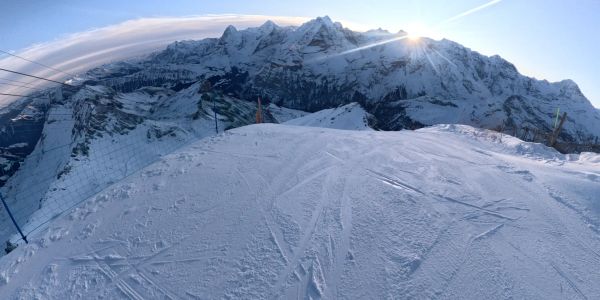
Level 4 of 5 avalanche danger is forecast for Monday 23 November from the Valais Alps to the Glarus Alps, and the SLF says to skip ski touring for now. Engelberg, Leukerbad and the Wildhorn are all on the list, while snow on the Bernina pass sent cars sliding off the road and shut it for two hours on Sunday. Early-season snow is welcome, but it is also what is loading the slopes. Here is where the danger sits and what to do about it.
23 Nov 2026
California Storm Cycle Delivers 86 Inches at Sugar Bowl and Pulls Openings Forward
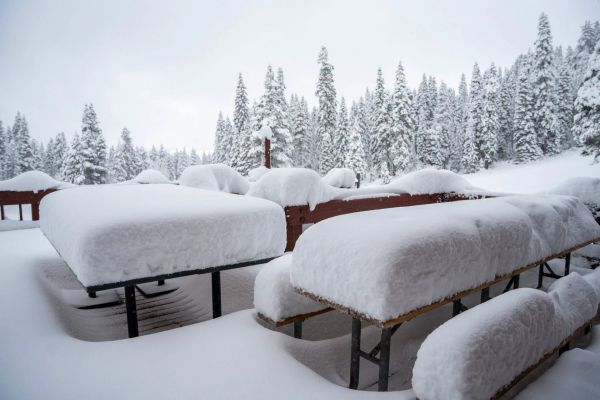
A run of storms, including an atmospheric river, has buried the Sierra Nevada, with Sugar Bowl recording 86 inches (218 cm) between 14 and 20 November. Resorts across California and Nevada have pulled opening days forward after a dismal last winter. Here is what fell, who is open this weekend and what the forecast brings before Thanksgiving.
22 Nov 2026
Purgatory Reveals Seven New Trails and a Colorado Couloir Chairlift Opening in December
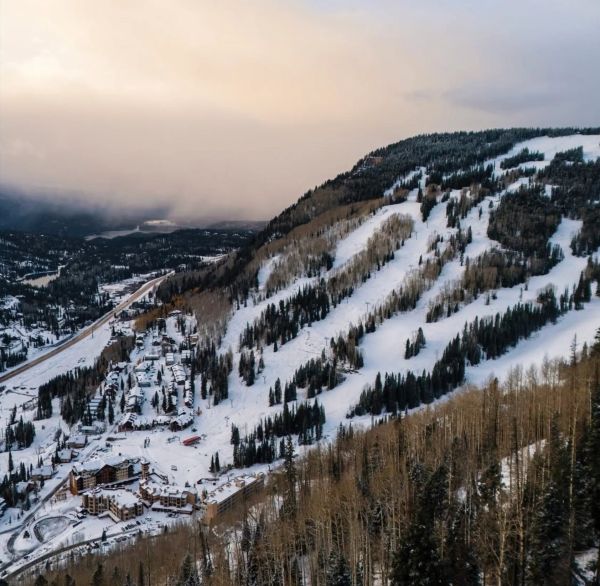
Purgatory’s new trail map reads like a warning label. Seven new trails named after Dante’s Divine Comedy arrive with the Colorado Couloir chairlift in December, adding around 40 acres (16 ha) of steep pitches and gladed tree skiing. Five of them are black or double black. The resort opens for the season this Friday, 20 November.
19 Nov 2026
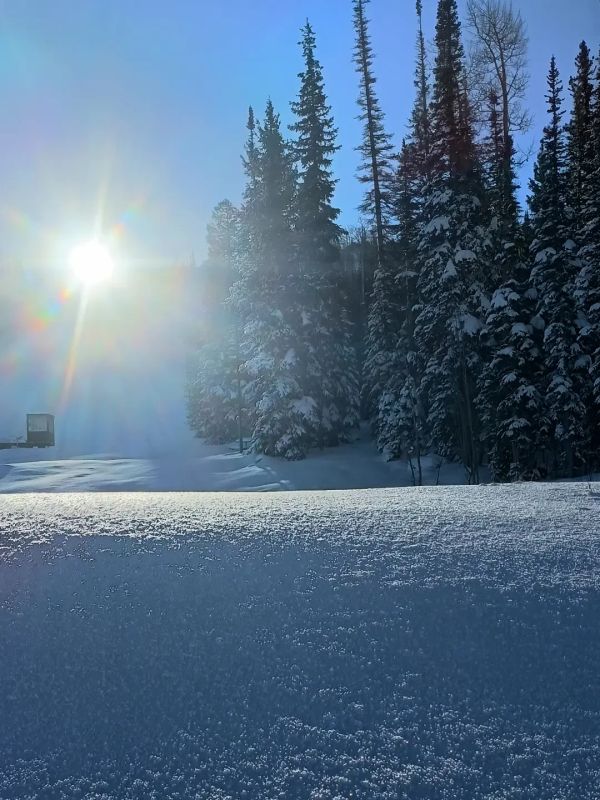
Brian Head Becomes First Utah Resort to Open for 2026-27, With Six Trails and a New Snowmaking Pipeline
Utah’s ski season has started, and it began in the south. Brian Head opened on Tuesday, 17 November, with six trails on the Navajo Express after 14 inches (36 cm) of storm snow and another half foot on opening day. It is the second year running the resort has beaten the rest of the state to first chair, and it has put nearly $1 million into a new snowmaking pipeline that can run 24 guns at once.
19 Nov 2026
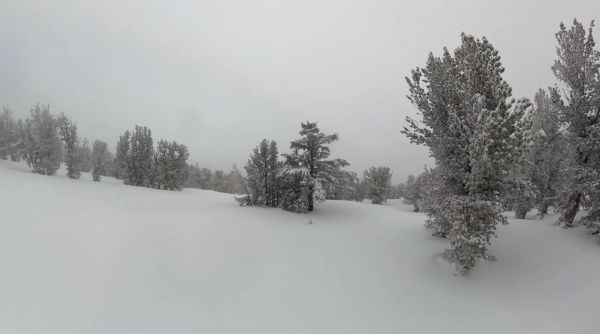
Heavenly and Northstar Open Friday as Lake Tahoe Snow Stacks Up, With Kirkwood Eyeing an Early Start
Tahoe has gone from dry to deep in a week. Heavenly and Northstar open this Friday, 20 November, with up to 24 inches (61 cm) already down at Kirkwood and 50+ inches (127 cm) in the 10-day forecast. Kirkwood normally waits until December, but this snow might change that. Heavenly is even talking about opening Stagecoach in Nevada early, which almost never happens this soon.
18 Nov 2026
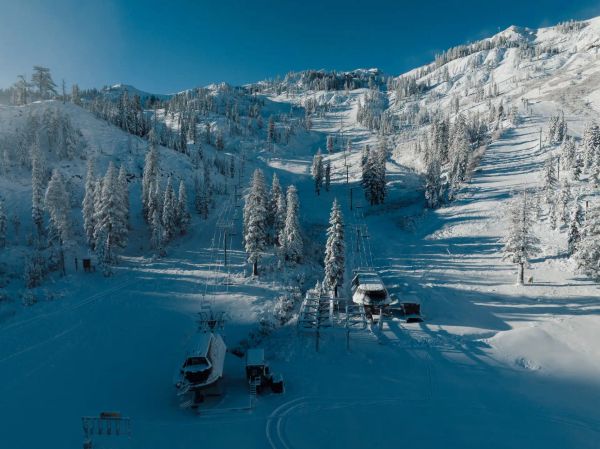
Palisades Tahoe Opens Saturday, Four Days Early, After 26 Inches of New Snow
Palisades Tahoe has pulled its opening forward by four days. Lifts spin this Saturday, 21 November, after 26 inches (66 cm) of new snow, with up to 50 more in the forecast. Opening terrain includes Treeline Cirque at Alpine and Gold Coast and Sunkid 1 at Palisades, though the resort says the weather could change the plan. Tickets are $99 through Tuesday.
18 Nov 2026
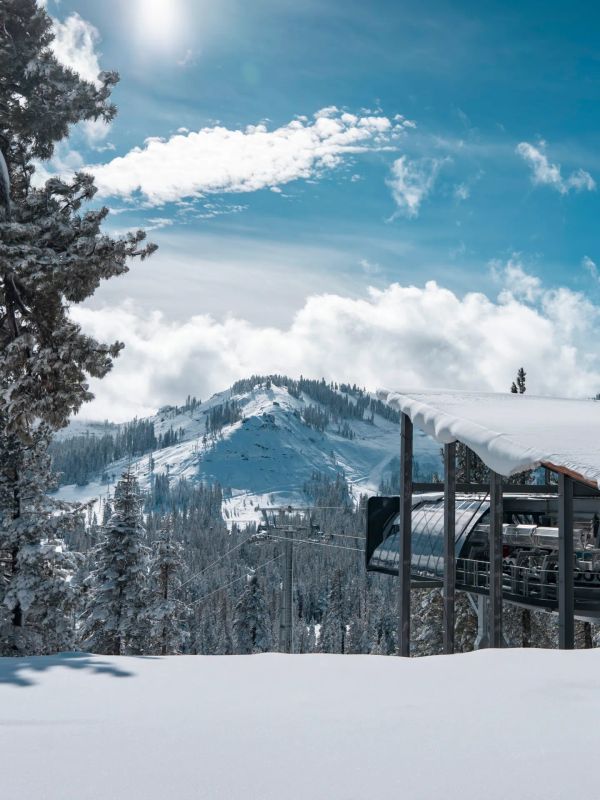
Sugar Bowl Gondola Slips to January 2027 as Opening Day Holds
Sugar Bowl still opens on 27 November, just without its new gondola. The eight-passenger Village Gondola is now targeting January 2027, with all eight towers up, the haul rope on and the first cabin hanging. Until it runs, everyone gets in through the Main Lodge, with curbside drop-off and parking lot shuttles. It replaces the first gondola in the western US, which dates from 1953.
16 Nov 2026
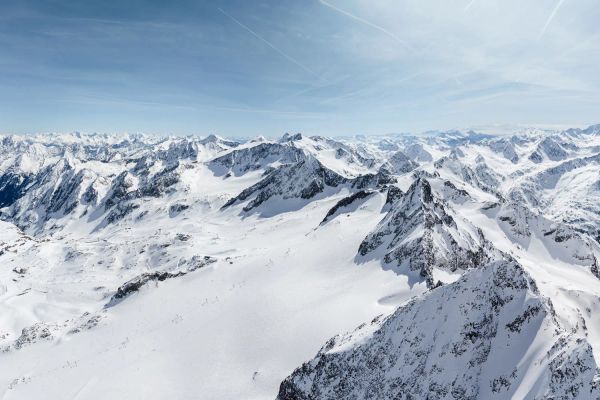
Stubai Glacier Avalanche Ends in Austria’s First Death of the Season
A 72-year-old American skier has died on Stubai Glacier after a small slab avalanche carried him over rocky ground and into a 20-metre crevasse. It is Austria’s first avalanche death of the 2026-27 season, and forecasters had flagged this exact setup two days earlier. Here is what happened near the Daunscharte, and what the snowpack was already telling anyone who was reading it.
15 Nov 2026
Carezza Snow Report
Snow Report
Updated 23 Nov 2026
2337m
summit
+0cm
new snow · last 24 hours
Mainly Clear-7°C / -3°C · NW 10km/h
Snowfall
24 hours
0cm
48 hours
2cm
7 days
8cm
Base depth
0cm
Season total
25cm
Typical winter 223cm
Total lifts14
Live open status isn’t available right now.
4 Dec 2026 - 4 Apr 2027
Hour by Hour
Next 39 hours· Updated Nov 23, 2026 at 5:02 PM
Scroll for the full outlook · Open-Meteo
7-Day Outlook
2,106 mUpdated Nov 23, 2026 at 5:02 PMOpen-Meteo
Days 1–7
17cm
Days 8–14
0.0cm
Tue, Nov 24
Overcast
Temp-3° / -7°°C
Snow0.0cm(3%)
Wind10 km/h NW
Live snow from the resort feed; forecast from Open-Meteo, via Supabase.
Understanding the Carezza snow report
Planning a day at Carezza? Our snow report combines official mountain data with live weather so you know exactly what conditions look like right now, from the 1182m base to the 2337m summit.
Snow measurements
Our snow reports measure snowfall in centimeters over multiple time windows — last 24 hours, last 7 days, and the season total. Base depth reflects accumulation at the 1182m base area, while summit depth captures conditions 1155m higher at 2337m, where snow typically stays colder and lingers longer. Imperial conversions are shown alongside for convenience.
Weather conditions
Current weather conditions affect snow quality. Cold temperatures with low wind typically preserve snow quality, while warm temperatures or rain can impact conditions negatively — something worth watching closely at Carezza's 1182m base elevation, where temperatures run milder than the summit.
Data sources
Snowfall and depth figures for Carezza come from official mountain sources; weather and outlook data comes from independent forecasting services. The mountain is served by 14 lifts, including an aerial tram and a 8-person chairlift.
When to check
Conditions can change overnight, so mornings and late afternoons are the best times to check back on Carezza.