Cortina d’Ampezzo
Explore Olympic heritage and Italian mountain elegance. Experience world-class skiing, stunning UNESCO scenery, and refined Alpine lifestyle.

Season 2026 - 2027
Opens
21 Nov 2026
Closes
2 May 2027
Days open
162
Annual snow
3.8m
The Overview
Michael Fulton
Melbourne-based skier and snowboarder with 50+ resorts across 5 continents. Specialises in Australian resorts and international resort comparisons.
Cortina d'Ampezzo reigns as the "Queen of the Dolomites" with 120km of interconnected slopes spreading across five distinct ski areas beneath the towering peaks of Tofane, Cristallo, and the iconic Cinque Torri formations. This legendary UNESCO World Heritage resort combines world-class skiing with Italian elegance at elevations between 1,217m and 2,828m, creating an unmatched Alpine experience in the heart of the Veneto Dolomites. As host of both the 1956 and upcoming 2026 Winter Olympics, Cortina delivers exceptional terrain accessed by 27 modern lifts including three aerial trams, two gondolas, and multiple high-speed chairs that efficiently transport skiers across the resort's spectacular mountain faces.
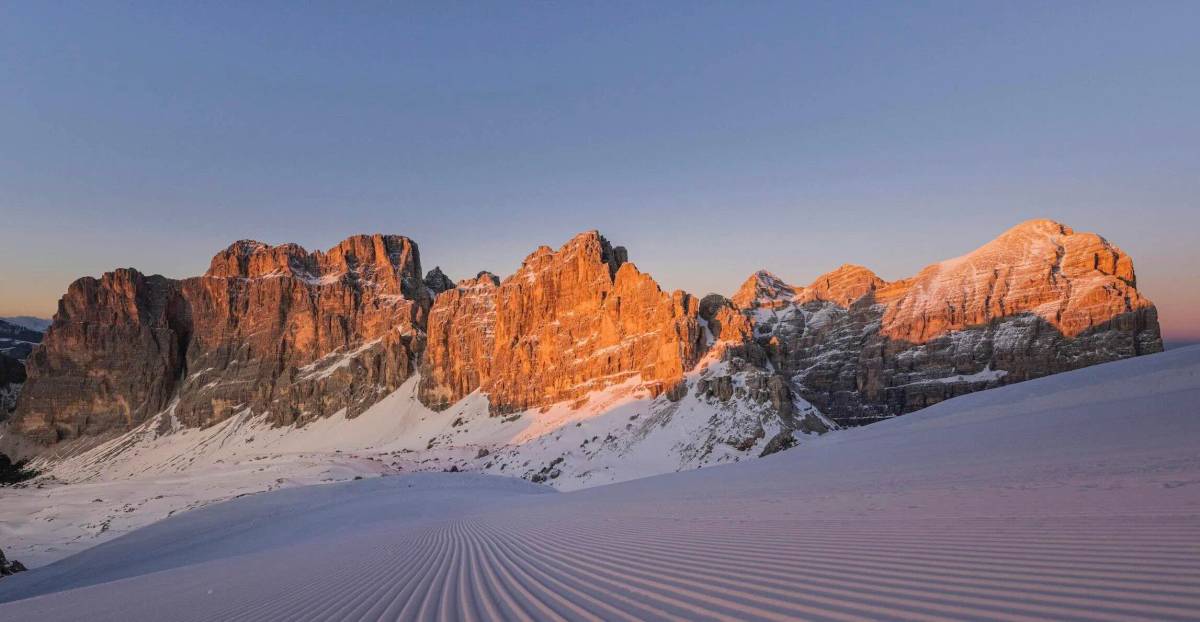
The resort's diverse ski areas—Tofana-Socrepes, Faloria-Cristallo, Lagazuoi-5 Torri, plus satellite areas at San Vito di Cadore, Auronzo, and Misurina—offer exceptional variety for all abilities, from gentle nursery slopes to the legendary Olympia delle Tofane World Cup downhill run. Part of the Dolomiti Superski network providing access to 1,200km of skiing across 12 resorts, Cortina maintains its distinctive character through refined Italian hospitality, designer boutiques lining the pedestrianised Corso Italia, and mountain huts serving authentic Dolomites cuisine. The resort's position within the Ampezzo valley surrounds skiers with dramatic limestone peaks and the famous "enrosadira" phenomenon—the spectacular pink alpenglow that illuminates the Dolomites at sunset, creating an unforgettable backdrop for world-class skiing.
1611m
Vertical
73
Runs
120 km
Piste
3.8m
Annual snow
Dolomiti Superski Pass
Pass
The Terrain
73 runs across 120 km of piste
Cortina d'Ampezzo spreads 120 kilometres of piste over 73 runs, climbing from the town at 1,217 metres to 2,828 metres on Tofana, a vertical of 1,611 metres. The terrain splits into 38% beginner, 49% intermediate, 10% advanced and 3% expert, so most of it is comfortable red and blue skiing rather than extreme pitches. The area is divided into separate sectors around Tofana, Faloria-Cristallo and Lagazuoi-Cinque Torri, and moving between them often means a bus or a cable car. Plan each day around one sector and you will spend more time skiing and less time in transit.
Olympia delle Tofane is the headline run, a women's World Cup downhill course that starts with a steep rock chute known as the Schuss. Cristallo has narrower, rockier terrain with couloirs that local guides use for off-piste, and Lagazuoi leads into the Hidden Valley, a long, rolling red through a canyon towards Armentarola. Strong intermediates and advanced skiers will find the most variety, and racing fans will want to ski the course. Beginners are catered for, but the sectors are spread out. Off-piste routes here are best tackled with a guide and proper avalanche gear.
Terrain split
73
runs
73 runs across 4 grades
Beginner28 runs · 38%
Intermediate36 runs · 49%
Advanced7 runs · 10%
Expert2 runs · 3%
Time it right
When to visit Cortina d’Ampezzo
Cortina typically operates from mid-November through late April, delivering one of the longest ski seasons in the Dolomites with peak conditions concentrated in January through March. The resort benefits from average annual snowfall of 350cm supplemented by comprehensive snowmaking coverage across 95% of terrain, ensuring reliable conditions throughout the extended season. The elevation span from 1,217m to 2,828m creates varied snow conditions, with Tofana's upper slopes maintaining excellent coverage while Faloria-Cristallo's technical terrain preserves quality through strategic snowmaking and favorable north-facing aspects.
The resort's position within the UNESCO World Heritage Dolomites exposes skiers to the region's distinctive microclimates and dramatic weather systems, though clear weather reveals extraordinary panoramic views extending across the Sella Group, Marmolada, and Tre Cime di Lavaredo peaks. The predominantly intermediate terrain with 49% red runs and 38% blue runs appeals particularly during stable winter periods, while 13% black runs including the legendary Forcella Rossa (62% gradient) and technical Schuss (56% average gradient) challenge expert skiers. Spring skiing extends well into April thanks to high-altitude terrain on Tofana and Lagazuoi, where north-facing slopes preserve corn snow quality. The extended season coincides with major sporting events including the annual Women's Alpine Ski World Cup races in January and preparations for the February 2026 Winter Olympics when Cortina hosts women's alpine skiing, bobsleigh, skeleton, luge, and curling competitions.
Season 2026 - 2027
21 Nov 2026
Opens
2 May 2027
Closes
162
Days open
3.8 m
Annual snow
The record
Historical snowfall at Cortina d’Ampezzo
Daily snow reports at Cortina d’Ampezzo go back to 1996, 31 winters on the books. Open the record to compare winters, lifts and piste.
90 cm
Snowiest day
5 Dec 2020
29 cm
This winter · 2026-27
so far
380 cm
Typical winter
average of complete seasons
Winter totals
cm
Past wintersThis winter
Getting there
Getting to Cortina d’Ampezzo, and where to stay
Located in the Ampezzo valley within Belluno province in the heart of the Veneto Dolomites, Cortina sits approximately 150km north of Venice and 160km south of Innsbruck, Austria, creating exceptional international accessibility. The elegant mountain town of Cortina d'Ampezzo at 1,217m altitude provides comprehensive accommodation spanning Belle Époque luxury hotels to family-run guesthouses, all centered around the famous pedestrianised Corso Italia lined with designer boutiques, refined restaurants, and historic architecture reflecting over 1,000 years of Alpine heritage.
Venice Marco Polo Airport provides the primary international gateway just 150km south with regular direct bus services completing the transfer in 2 hours and 15 minutes, while Treviso Airport offers budget carrier access 137km away. Innsbruck Airport creates convenient northern access for European visitors 164km distant, establishing Cortina as one of Europe's most accessible major Dolomites destinations. The resort's position within the UNESCO World Heritage Dolomites landscape surrounds visitors with geological masterpieces including the towering Tofane massif, Cristallo peaks, and the distinctive Cinque Torri rock formations. The valley's Ladin cultural heritage—one of five historic Ladin valleys in the Dolomites—enriches the experience through traditional architecture, local language preservation, and authentic mountain cuisine. Strategic position enables access to the Great War Ski Tour traversing World War I battlefields, connections to the Sellaronda circuit via Alta Badia, and ski bus links to Marmolada glacier, creating opportunities for comprehensive Dolomites exploration beyond Cortina's exceptional local terrain.
Where to stay
Search all stays →Stays map loads when you scroll here
Hotels and lodges near Cortina d’Ampezzo, powered by Stay22.
Latest News
From the SnowStash desk

Val Gardena to Alpe di Siusi Lift Link Back in Play After Court Ruling
The Val Gardena-Alpe di Siusi lift link isn’t dead after all. A South Tyrol court has overturned Santa Cristina’s rejection of the new Monte Pana-Saltria link on procedural grounds, after the council skipped required public information sessions. Opponents want the missing sessions held and a fresh vote, and nothing has been approved. For now it’s still a bus between the two, but a plan first floated in 2017 is back in the conversation.
8 Nov 2026
Whistler Blackcomb Rockslide Zone Stays Closed Through 2026-27 Season
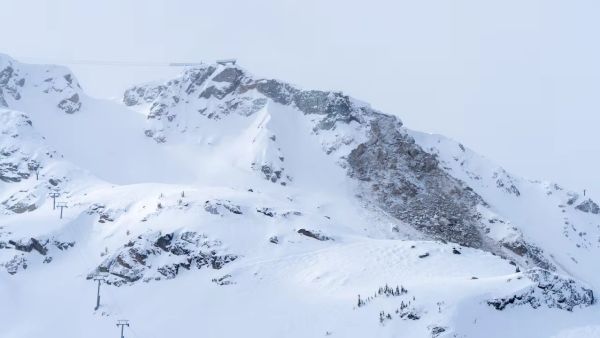
A section of Whistler Peak terrain will stay closed all 2026-27 season, Vail Resorts has confirmed, with rockslide mitigation work continuing into summer 2027. Peak Express is still expected to run this winter, but locals are already arguing about what’s actually off limits, whether the Whistler Bowl is gone, and why the news landed after pass sales wound down. Here’s where things stand.
7 Nov 2026
Loveland Ski Area Opens for 2026-27 and Marks 60 Years of Snowmaking
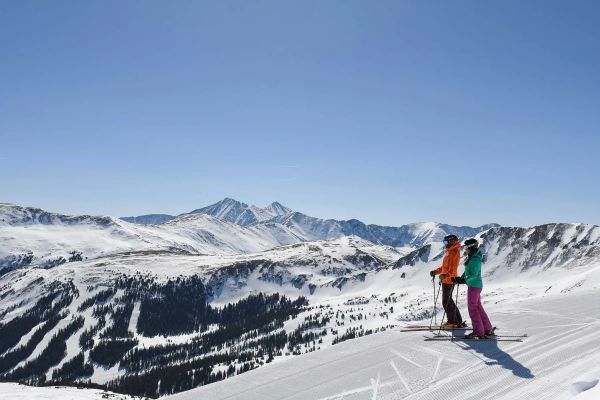
Loveland is open. The Colorado ski area started Chet’s Dream turning on Saturday 7 November to kick off 2026-27, with $60 adult lift tickets to mark 60 years of snowmaking. Expect three runs, nearly 1,000 vertical feet (about 300 metres) of top-to-bottom skiing, live music on the Basin Patio and no beginner terrain yet. Here’s what’s open, what it costs and when Loveland Valley follows.
7 Nov 2026
KFC Is Coming to the Slopes at Cortina and Madonna di Campiglio
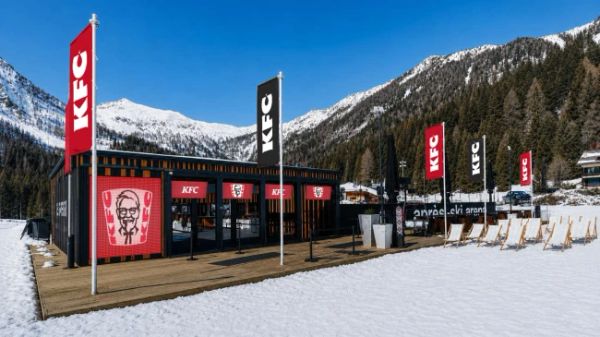
Fried chicken is heading up the Dolomites. From 5 December KFC will run two restaurants on the slopes - one at 2,123 metres at Cortina, one at 1,700 metres at Madonna di Campiglio - and the polenta-and-canederli crowd has opinions. Local politicians, conservation groups and plenty of Facebook commenters are calling it a step too far, while others just want a cheaper lunch. Here’s what’s on the menu and what’s the fuss.
5 Nov 2026

Mt Rose Aims to Open First in Tahoe on November 6
Mt Rose is going for the first-in-Tahoe title, with the Lakeview Express due to spin at 9 a.m. on Friday, November 6. One main lift, three runs and plenty of snowmaking, sitting on the highest base elevation in the region at 8,260 ft. Here is what is open, what is not (sorry, tubing fans), and how the early North American openings are stacking up.
4 Nov 2026

Europe Snow Forecast: Serre Chevalier Leads With 82 cm Over the Next 10 Days
Europe has had a quiet start to November, but our 10-day forecast has Serre Chevalier on 82 cm and Les 2 Alpes on 71 cm. Two pushes are lined up: a western Alps top-up from Friday, then a bigger, wider system on Thursday, November 12 and Friday, November 13 that reaches Italy and Switzerland. Full leaderboard inside.
4 Nov 2026

Mammoth Mountain Opens Early on November 5 With Up to 33 Inches of Snow in the Forecast
Mammoth just moved opening day forward to Thursday, November 5, eight days ahead of schedule. A snowy weekend and cold snowmaking nights did the work, and our forecast shows up to 33 inches more landing on November 13 and 14. Here is what opens, what the weather looks like and where Mammoth sits among the early Ikon Pass openers.
3 Nov 2026

Utah Snow Storm Builds Early-Season Base Ahead of November Openings
Rain down low, snow up high, and a snow report full of zeros that mostly means ‘not updated yet’. Utah’s first proper storm of 2026-27 is rolling through the Wasatch, Snowbird’s snow stake is closing in on 10 inches, and Brian Head is five days from opening day. Early November snow rarely looks like much, but it is the layer every November opening date is built on. Here is where it stands.
1 Nov 2026
Cortina d’Ampezzo Lift System
The lift infrastructure at Cortina features 27 installations strategically distributed across five interconnected ski areas, efficiently moving skiers through 1,611m of vertical terrain beneath the UNESCO World Heritage Dolomites peaks. Three modern aerial trams provide primary access from the valley, including the Freccia nel Cielo ("Arrow in the Sky") to Tofana's summit at 2,828m and the iconic Faloria cable car departing directly from Cortina town centre. The comprehensive network includes two gondolas, one six-person chair, ten quad chairs, three triple chairs, and five double chairs serving specific terrain zones, while surface lifts and T-bars provide beginner area access.
The Cortina Skyline gondola represents the resort's most significant recent infrastructure investment, creating seamless connections between the Tofana and Lagazuoi-5 Torri areas that previously required ski bus transfers. The Tofana-Socrepes sector features 12 lifts accessing 47km of terrain, including the dramatic Freccia nel Cielo tram ascending 1,000m in a single span to deliver skiers to the resort's highest slopes. The Faloria-Cristallo area offers seven lifts spanning 44km of technical terrain, with the Faloria cable car providing direct mountain access from town. Free ski buses efficiently connect the main areas with satellite resorts, while the lift system's modern design with weather protection covers maintains comfort during variable Alpine weather. This thoughtful distribution ensures access to everything from the legendary Olympia delle Tofane race course to peaceful off-piste descents like Val Orita and Bus de Tofana.
27lifts across 8 types
3
Aerial Trams
2
Gondolas
1
6-Person Chair
10
Quad Chairs
3
Triple Chairs
5
Double Chairs
2
T-Bars
1
Surface Lift
Cortina d’Ampezzo lift system
Cortina d’Ampezzo is served by 27 lifts, listed here by type. Check which lifts are turning against the live conditions before you plan your first laps - early lifts and high-speed chairs get you to the best snow fastest.
More Cortina d’Ampezzo intelligence: trail map, snow report, webcams, resort overview.