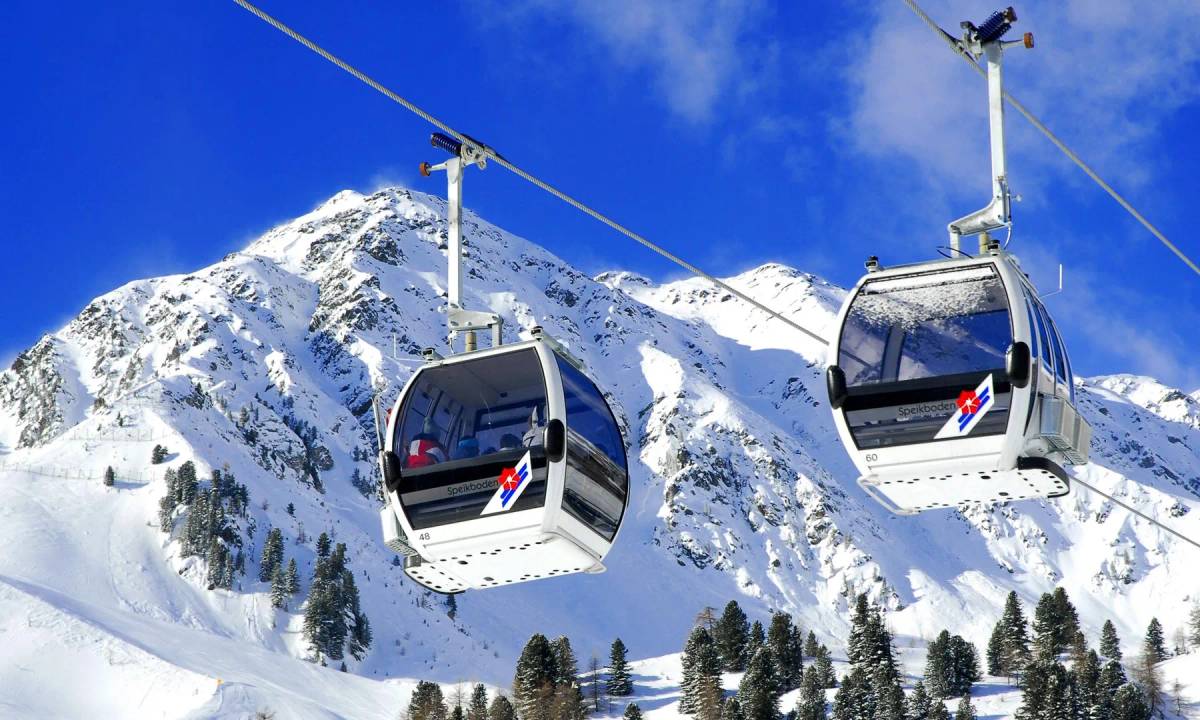
Speikboden
41.5km of pistes from 950-2,400m in South Tyrol. 100% snowmaking, 10 lifts, 1,450m vertical. Part of Skiworld Ahrntal.

Season 2026 - 2027
Opens
4 Dec 2026
Closes
11 Apr 2027
Days open
128
Annual snow
1.7m
The Overview
Michael Fulton
Melbourne-based skier and snowboarder with 50+ resorts across 5 continents. Specialises in Australian resorts and international resort comparisons.
Speikboden rises from 950 metres at the valley base to 2,400 metres at its summit, delivering 1,450 metres of vertical drop across 41.5 kilometres of pistes. The resort offers 20 marked runs spread over approximately 100 hectares of skiable terrain, with 100% snowmaking coverage ensuring reliable conditions throughout the season. Located in South Tyrol's Tauferer Ahrntal valley, surrounded by 84 peaks exceeding 3,000 metres, Speikboden benefits from northerly weather patterns similar to nearby Austrian glacier resorts, receiving consistent snowfall that many Dolomite resorts miss.
The terrain breakdown favours newer skiers and families, with 55% of runs graded easy (22.8 kilometres), 31% intermediate (13 kilometres), and 14% difficult (5.7 kilometres). The Gamsleiten and Seenock slopes provide the steepest challenges, whilst most skiing takes place in a wide east-facing basin straddling the treeline above the mid-mountain Speikboden Alm station. The seven-kilometre valley run from summit to base ranks among the area's signature descents, offering sustained skiing through varied terrain. A 400-metre snowpark near the Seenock piste features jumps and rails across easy and medium lines.
Speikboden operates as an efficiently run, family-orientated area where modern infrastructure handles peak demand without generating lengthy queues. The Speikboden Mountain Restaurant at 2,000 metres serves as a popular meeting point, whilst 11 ski huts across the mountain invite refreshment stops. An observation tower at the 2,400-metre summit provides panoramic views extending to the Dolomites and across the Zillertal Alps. The atmosphere is distinctly Tirolean - more Austrian than Italian in character - with wide, groomed slopes and a relaxed pace suiting families and intermediate skiers.
Speikboden forms part of Skiworld Ahrntal alongside Klausberg, with a combined lift pass accessing 21 lifts and 74 kilometres of slopes across both areas. A free ski bus connects the two resorts, located roughly 30 minutes apart, making multi-day exploration straightforward. The resort suits families with young children particularly well, with a dedicated Family Fun Park at the valley station featuring magic carpets, a snow castle, and a practice slope. Children aged six and under ski free, whilst the Mini-Club Speikboden provides professional childcare and lessons.
1450m
Vertical
20
Runs
41.5 km
Piste
1.7m
Annual snow
The Terrain
20 runs across 41.5 km of piste
Speikboden is the ski mountain above Sand in Taufers in South Tyrol's Ahrntal, dropping a big 1,450 metres from 2,400 metres to a valley base at 950 metres. The terrain is gentle by design: 55% beginner, 31% intermediate and 14% advanced across 20 runs and 41.5 kilometres, with no expert grades. Those numbers make it one of the easiest ski areas in this part of Italy. Modern lifts do the heavy lifting, with two gondolas, three eight-seat chairs, two quads and three surface lifts moving people up the mountain quickly, so the long vertical is easier to ski than the figure suggests.
Most of the skiing is on wide, groomed slopes in the basin around the Speikboden Alm, with long runs back to the valley station. The Gamsleiten and Seenock slopes are the steeper pistes and give advanced skiers a proper workout. Down at the car park, a Family Fun Park has magic carpets and a practice slope for first-timers. Freeride options are limited, so this is a groomer's mountain. It suits families, beginners and relaxed intermediates, and it pairs well with nearby Klausberg for a second day on the same Skiworld Ahrntal pass.
Terrain split
20
runs
20 runs across 4 grades
Beginner11 runs · 55%
Intermediate6 runs · 31%
Advanced3 runs · 14%
Expert0 runs · 0%
Time it right
When to visit Speikboden
Speikboden's 2025-2026 winter season runs from 6 December 2025 through 22 April 2026, providing approximately four and a half months of skiing. Lifts operate daily from 08:30 to 16:30, with the last valley descent at 17:00 from the Speikboden Alm at 2,000 metres. Early December openings rely on the extensive snowmaking system covering 100% of slopes, allowing consistent terrain availability regardless of natural snowfall timing.
Annual snowfall averages around 3.5 metres, with the resort's position south of the Zillertal Alpine Divide capturing northerly and north-westerly weather systems that often miss resorts further into the Dolomites. February typically delivers peak snow depths, averaging 215 centimetres at summit elevation. The combination of high altitude terrain and predominantly north-east facing slopes preserves snow quality, with powder stashes remaining untracked for days after fresh snowfall in quieter sectors.
The first week of February marks the snowiest period, averaging 27 centimetres across 4.3 snowy days. January through March offers optimal conditions, with February providing the deepest base depths and March bringing increasingly reliable sunshine alongside excellent morning skiing after overnight freezes. The resort averages 75 sunny days per season - above the Italian average of 68 - with March being the sunniest month at 19 days. Quieter periods occur in January outside school holidays and during early December's opening weeks.
Speikboden operates mountain igloo accommodation near the 2,000-metre gondola station, offering overnight stays on the mountain. Sunrise gondola rides run during winter season, with the Speikboden cable car and Sonnklar chairlift transporting early risers to 2,400 metres for dawn panoramas. The Family Fun Park at the valley station operates throughout winter with free entry, providing entertainment for children and beginners. Tandem paragliding flights offer an alternative perspective on the mountain landscape.
Season 2026 - 2027
4 Dec 2026
Opens
11 Apr 2027
Closes
128
Days open
1.7 m
Annual snow
The record
Historical snowfall at Speikboden
Daily snow reports at Speikboden go back to 2017, 10 winters on the books. Open the record to compare winters, lifts and piste.
55 cm
Snowiest day
12 Dec 2017
33 cm
This winter · 2026-27
so far
153 cm
Typical winter
average of complete seasons
Winter totals
cm
Past wintersThis winter
Getting there
Getting to Speikboden, and where to stay
Speikboden occupies a massif in the Central Eastern Alps between the Weißenbach, Mühlwald, and Ahrntal valleys, forming the eastern part of an outlier of the western Zillertal Alps. The valley station sits at Drittelsand, just north of Sand in Taufers (Campo Tures in Italian), positioned 85 kilometres northeast of Bolzano in South Tyrol's Tauferer Ahrntal. The summit at 2,517 metres offers 360-degree panoramas encompassing the Durreck range, Zillertal peaks exceeding 3,000 metres, and the Sesto Dolomites to the south.
Sand in Taufers lies 2.9 kilometres from the valley station, whilst Lutago (Luttach) sits 2.6 kilometres distant, and Molini di Tures (Mühlen in Taufers) is positioned five kilometres away. The area maintains a distinctive German-speaking South Tyrolean character, with traditional Alpine architecture, local cuisine featuring Ahrntal grey cheese and bacon dumplings, and the medieval Taufers Castle dominating the village. The region blends Italian administration with Austrian cultural heritage, creating a unique cross-border atmosphere.
Road access follows the Brenner Autostrada (A22) from the north, exiting at Brixen/Pustertal before continuing on the state road through the Pustertal valley to Bruneck, then onwards through Sand in Taufers to Ahrntal. From East Tyrol, drivers cross the Austrian-Italian border on the B100-E66 and continue via the SS49-E66 into the Pustertal. Journey times from Munich approximate three hours, whilst the drive from Innsbruck takes under two hours via the Brenner Pass. Winter tyres or chains are mandatory from 15 November through 15 April.
The nearest airport is Bolzano Dolomiti, approximately 100 kilometres distant. Innsbruck Airport lies 101 minutes by car, with Verona and Venice airports accessible within three hours. Train connections run via the Pustertal railway from Fortezza/Franzensfeste to Bruneck station, where Bus Line 450 provides frequent services to Sand in Taufers. The Südtirol Transfer shuttle service offers connections from Bruneck station directly to accommodation. Regional buses integrate with South Tyrol's public transport network, accessible free with the Kronplatz Guest Pass.
Where to stay
Search all stays →Stays map loads when you scroll here
Hotels and lodges near Speikboden, powered by Stay22.
Latest News
From the SnowStash desk
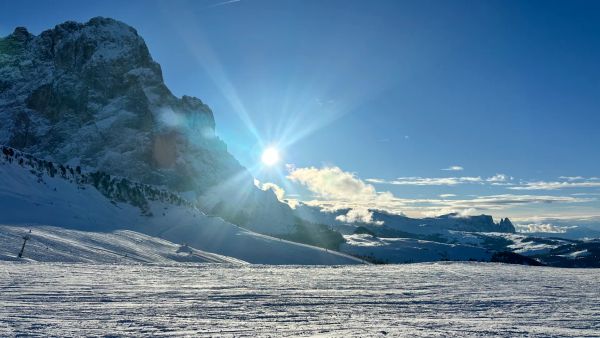
Val Gardena to Alpe di Siusi Lift Link Back in Play After Court Ruling
The Val Gardena-Alpe di Siusi lift link isn’t dead after all. A South Tyrol court has overturned Santa Cristina’s rejection of the new Monte Pana-Saltria link on procedural grounds, after the council skipped required public information sessions. Opponents want the missing sessions held and a fresh vote, and nothing has been approved. For now it’s still a bus between the two, but a plan first floated in 2017 is back in the conversation.
8 Nov 2026
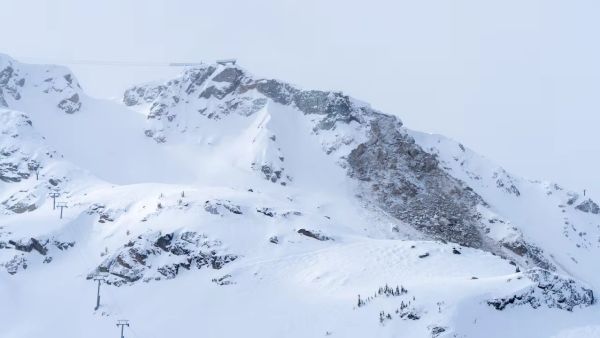
Whistler Blackcomb Rockslide Zone Stays Closed Through 2026-27 Season
A section of Whistler Peak terrain will stay closed all 2026-27 season, Vail Resorts has confirmed, with rockslide mitigation work continuing into summer 2027. Peak Express is still expected to run this winter, but locals are already arguing about what’s actually off limits, whether the Whistler Bowl is gone, and why the news landed after pass sales wound down. Here’s where things stand.
7 Nov 2026
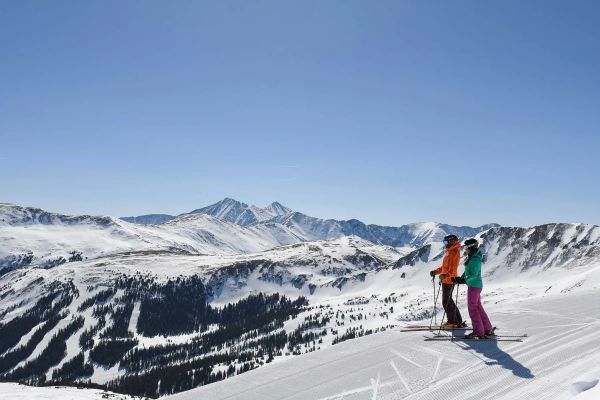
Loveland Ski Area Opens for 2026-27 and Marks 60 Years of Snowmaking
Loveland is open. The Colorado ski area started Chet’s Dream turning on Saturday 7 November to kick off 2026-27, with $60 adult lift tickets to mark 60 years of snowmaking. Expect three runs, nearly 1,000 vertical feet (about 300 metres) of top-to-bottom skiing, live music on the Basin Patio and no beginner terrain yet. Here’s what’s open, what it costs and when Loveland Valley follows.
7 Nov 2026
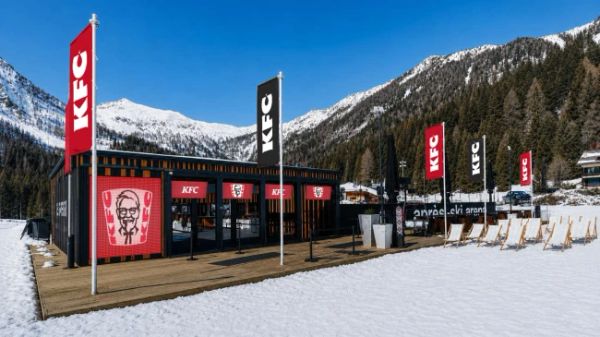
KFC Is Coming to the Slopes at Cortina and Madonna di Campiglio
Fried chicken is heading up the Dolomites. From 5 December KFC will run two restaurants on the slopes - one at 2,123 metres at Cortina, one at 1,700 metres at Madonna di Campiglio - and the polenta-and-canederli crowd has opinions. Local politicians, conservation groups and plenty of Facebook commenters are calling it a step too far, while others just want a cheaper lunch. Here’s what’s on the menu and what’s the fuss.
5 Nov 2026
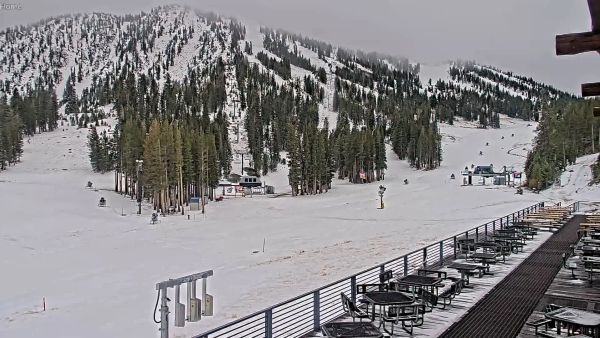
Mt Rose Aims to Open First in Tahoe on November 6
Mt Rose is going for the first-in-Tahoe title, with the Lakeview Express due to spin at 9 a.m. on Friday, November 6. One main lift, three runs and plenty of snowmaking, sitting on the highest base elevation in the region at 8,260 ft. Here is what is open, what is not (sorry, tubing fans), and how the early North American openings are stacking up.
4 Nov 2026
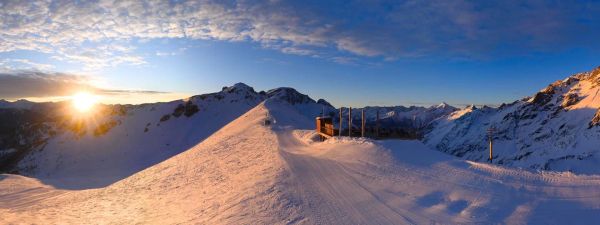
Europe Snow Forecast: Serre Chevalier Leads With 82 cm Over the Next 10 Days
Europe has had a quiet start to November, but our 10-day forecast has Serre Chevalier on 82 cm and Les 2 Alpes on 71 cm. Two pushes are lined up: a western Alps top-up from Friday, then a bigger, wider system on Thursday, November 12 and Friday, November 13 that reaches Italy and Switzerland. Full leaderboard inside.
4 Nov 2026
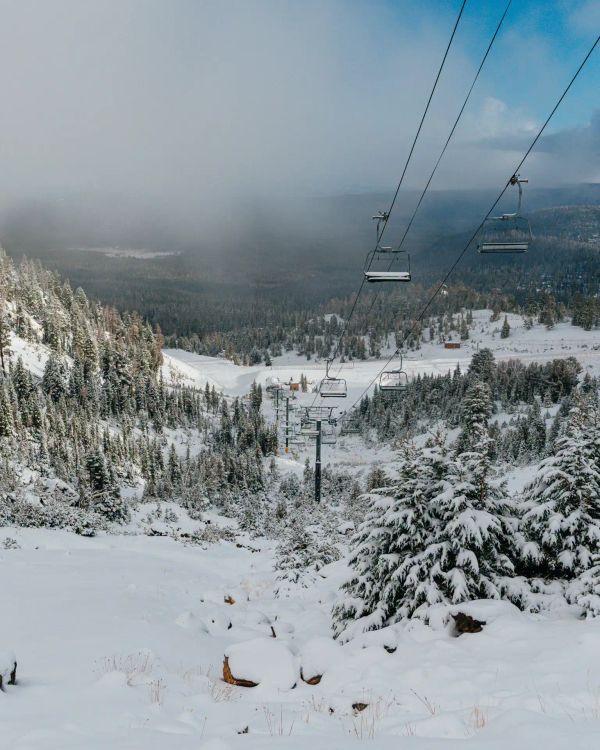
Mammoth Mountain Opens Early on November 5 With Up to 33 Inches of Snow in the Forecast
Mammoth just moved opening day forward to Thursday, November 5, eight days ahead of schedule. A snowy weekend and cold snowmaking nights did the work, and our forecast shows up to 33 inches more landing on November 13 and 14. Here is what opens, what the weather looks like and where Mammoth sits among the early Ikon Pass openers.
3 Nov 2026
Utah Snow Storm Builds Early-Season Base Ahead of November Openings
Rain down low, snow up high, and a snow report full of zeros that mostly means ‘not updated yet’. Utah’s first proper storm of 2026-27 is rolling through the Wasatch, Snowbird’s snow stake is closing in on 10 inches, and Brian Head is five days from opening day. Early November snow rarely looks like much, but it is the layer every November opening date is built on. Here is where it stands.
1 Nov 2026
Speikboden Lift System
Speikboden's lift network comprises 10 installations: two gondolas, three eight-person chairlifts, two quad chairlifts, and three surface lifts including magic carpet conveyors at the Family Fun Park. The system delivers a combined uphill capacity of 12,140 persons per hour, efficiently distributing skiers across the compact ski area. All primary chairlifts feature detachable technology for rapid loading, whilst bubble covers provide weather protection on exposed upper slopes.
The Speikboden gondola serves as the primary access point, transporting skiers from the Drittelsand valley station near Sand in Taufers up to the mid-mountain hub. The Alm-Express gondola, an eight-person Doppelmayr installation built in 2007, connects the 1,853-metre station to 2,003 metres at a speed of five metres per second, moving 2,400 passengers hourly. The Sonnklar quad chairlift reaches the highest accessible point at 2,400 metres, where views extend across the Eastern Alps into Austria.
Most skiing concentrates above the first gondola's top station, with the Alm-Express and four chairlifts accessing the wide Speikboden Alm basin. The Seenock chairlift has recently been renewed after 30 years of service, becoming the first eight-seater chairlift in the Ahrntal Valley and offering the highest transport capacity in the entire area. The Bernhard Glück and Tottomandl chairlifts serve intermediate terrain, whilst the Sonnklar lift provides summit access to more challenging runs.
Future infrastructure plans include two new 10-person gondolas designated Speikboden I and Speikboden II, scheduled for construction by 2027. RFID ticketing technology has been introduced across the system, and heated seats feature on newer installations. The lift layout enables natural circulation through progressively challenging terrain, with strategic positioning minimising traverses between sectors. Even during peak periods, the infrastructure handles demand comfortably, with queue times remaining minimal.
10lifts across 4 types
2
Gondolas
3
8-Person Chairs
2
Quad Chairs
3
Surface Lifts
Speikboden lift system
Speikboden is served by 10 lifts, listed here by type. Check which lifts are turning against the live conditions before you plan your first laps - early lifts and high-speed chairs get you to the best snow fastest.
More Speikboden intelligence: trail map, snow report, webcams, resort overview.