Sulden am Ortler
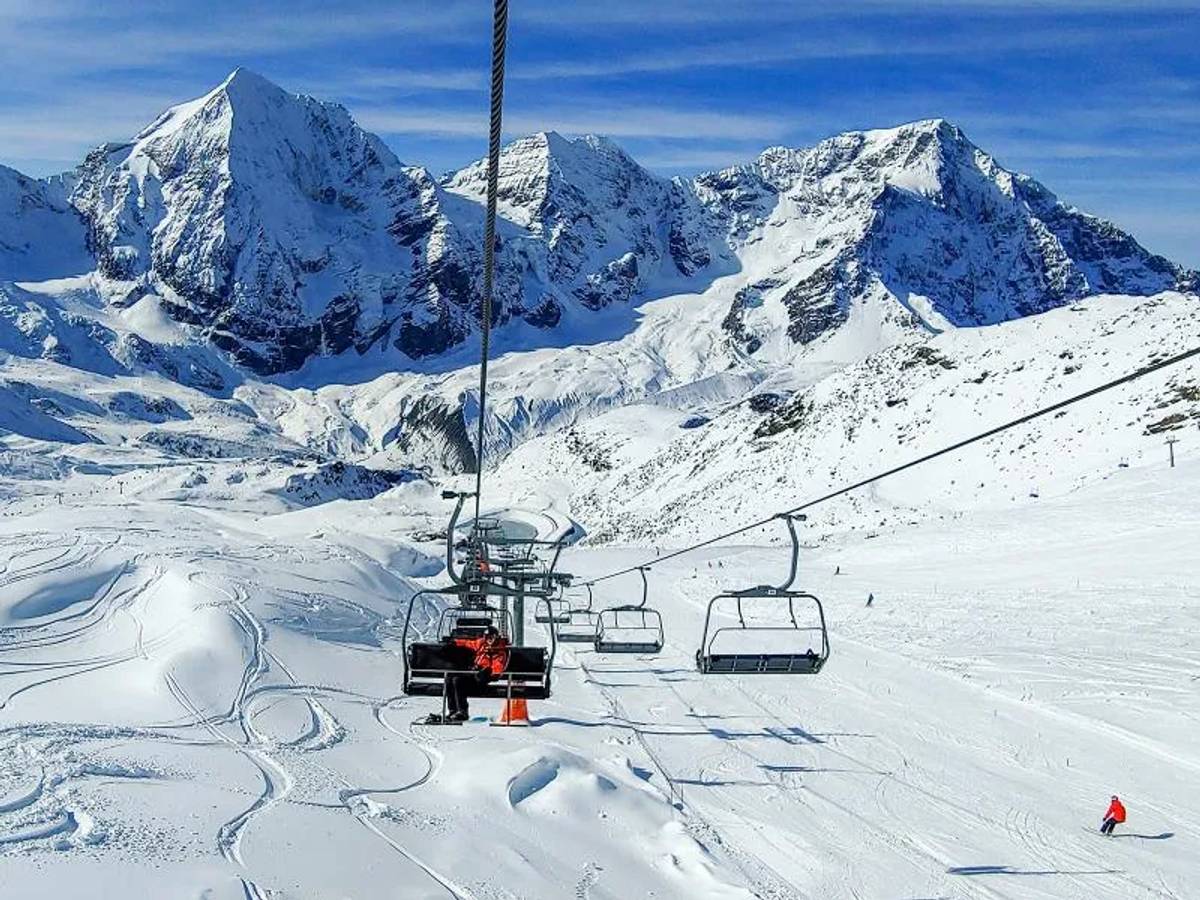
Ski 44km of terrain from 1,900-3,250m at Sulden am Ortler. 100% snowmaking, 11 lifts, and views of the 3,905m Ortler in South Tyrol.
Season 2025 - 2026
Opens
15 Nov 2025
Closes
1 May 2026
Days open
167
Annual snow
1.9m
The Overview
Michael Fulton
Melbourne-based skier and snowboarder with 50+ resorts across 5 continents. Specialises in Australian resorts and international resort comparisons.
Sulden am Ortler delivers 44 kilometres of high-altitude skiing beneath the Ortler massif, with elevations spanning 1,900 to 3,250 metres creating one of Italy's most snow-reliable resorts. The 1,350-metre vertical drop includes terrain across three distinct sectors - Schöntaufspitze, Kanzel, and Langenstein - with the longest descent stretching 11 kilometres from summit to base. Set within the Stelvio National Park in South Tyrol's Venosta Valley, the resort operates at the foot of King Ortler, at 3,905 metres the highest peak in the Eastern Alps outside the Bernina Range. Snowmaking covers 100% of marked runs, complementing natural snowfall that maintains reliable conditions from late October through early May.
The terrain divides into 17 kilometres of blue runs, 13 kilometres of intermediate reds, and 14 kilometres of challenging black pistes, offering a balanced spread for all abilities. Beginners find dedicated learning areas at the valley station with practice lifts and the Sonnenhang slope, whilst the slopes at Kanzel and Langenstein deliver steeper pitches for experienced skiers. The Madritsch sector provides wide-open high-alpine bowls ideal for confident intermediates seeking consistent grooming, and a funpark with halfpipe and boardercross sits adjacent to the Madritsch mountain hut. Three ungroomed ski routes - Hochleiten, Schaubachweg, and Marlet - extend options for freeriders seeking off-piste lines beneath the glaciated peaks.
The village of Sulden maintains authentic Alpine character at 1,900 metres, with traditional South Tyrolean architecture reflecting the region's trilingual German, Italian, and Ladin heritage. Crowd pressure remains light compared to larger Italian resorts, with multiple base access points distributing skiers efficiently across the mountain. The Messner Mountain Museum Ortles, an underground museum designed by architect Arnold Gapp, houses the world's largest collection of Ortler paintings alongside exhibits on ice climbing and polar exploration. On-mountain facilities include several rifugios and the renovated K2 Langenstein restaurant, whilst the village offers diverse accommodation from ski-in ski-out hotels to traditional guesthouses.
Sulden forms part of the Ortler Skiarena region, with multi-day passes providing access to neighbouring resorts including Trafoi and Watles across 123 kilometres of combined terrain. The Skiarena Due Paesi pass extends coverage further, linking six ski areas between Austrian Tyrol and South Tyrol totalling 211 kilometres of slopes. The resort suits families seeking reliable snow and uncrowded slopes, intermediate skiers appreciating long sustained descents, and freeriders attracted to the extensive off-piste terrain beneath 14 surrounding peaks exceeding 3,000 metres. Free ski buses connect all parts of the village to the lift stations throughout the winter season.
1350m
Vertical
20
Runs
44 km
Piste
1.9m
Annual snow
The Terrain
20 runs across 44 km of piste
Sulden am Ortler sits in the shadow of the Ortler, with lifts running from 1,900 metres up to 3,250 metres for a vertical of 1,350 metres. The 20 runs cover 44 kilometres and the difficulty mix is balanced, at 39% beginner, 30% intermediate and 31% advanced, with no expert-rated pistes. That mix is skewed toward the ends of the scale, so it works for families and for strong skiers rather than only for the middle. The terrain breaks into three sectors, Schontaufspitze, Kanzel and Langenstein, linked by runs and valley trails, and the lifts include two aerial trams and two gondolas.
Schontaufspitze is the high sector, reached by the big Schaubach cable cars, and it is where freeriders find deep-snow lines, so go with a guide. The Madritsch blue sweeps in a wide arc from the top of the Schontauf II chair, and a fun park and boardercross course sit near the Madritsch hut. Kanzel and Langenstein hold the steeper pistes for advanced skiers. Sulden suits strong skiers who value altitude and quiet slopes, plus families using the gentle lower terrain. Keep in mind that the sectors are separate, so plan each day around one.
Terrain split
20
runs
20 runs across 4 grades
Beginner8 runs · 39%
Intermediate6 runs · 30%
Advanced6 runs · 31%
Expert0 runs · 0%
Time it right
When to visit Sulden am Ortler
Sulden am Ortler operates an extended winter season running from 25 October 2025 through 3 May 2026, offering over six months of skiing thanks to its exceptional high-altitude location. The cable car typically commences limited operations in late October before the full network activates by mid-November, with all 11 lifts running through to the season close in early May. The Rosim gondola, Kanzel gondola, Langenstein chairlift, and Madritsch chairlifts open daily at 8:30am and close at 4pm, whilst the main Sulden cable car operates from 8:45am to 4:30pm. Operating dates and times may vary depending on snow and weather conditions.
The resort's elevation profile - base at 1,900 metres rising to 3,250 metres - delivers exceptional snow preservation throughout winter, with temperatures regularly remaining below freezing even during sunny periods. Average snow depths range from 50 to 200 centimetres during peak season, with annual snowfall averaging around 3.5 metres at resort level and significantly higher accumulations on upper slopes. Snowmaking equipment covers 100% of marked runs, ensuring consistent coverage across all terrain regardless of natural precipitation patterns. The combination of high altitude and full snowmaking capability provides guaranteed snow conditions that few Italian resorts can match.
January and February deliver peak powder opportunities, particularly on north-facing slopes in the Madritsch sector that receive minimal direct sunlight and preserve fresh snow for extended periods. Early season skiing from late October through December sees operations concentrated around the Madritsch and Schöntaufspitze areas before expanding across the entire network. Spring skiing from March through May offers excellent corn snow conditions as daytime warming and overnight freezing create consistent surfaces, with ski mountaineering enthusiasts finding ideal conditions for glacier tours during this period. The quietest periods fall in January and early December, whilst February half-term and Easter see peak visitor numbers.
The resort hosts an international snowboarding festival at the end of each season in early May, whilst the Yeti Club ski kindergarten runs daily programmes throughout winter for young children. Night skiing operates three times weekly on the two-kilometre illuminated toboggan run connecting Pulpito to the cable car, offering after-dark activities beyond traditional skiing. The Sulden Ski School, established over 75 years ago, holds Gold Seal accreditation from the South Tyrolean Ski Schools association and offers specialised courses alongside children's programmes. Winter hiking trails, snowshoe routes, and ice climbing at the frozen waterfalls below the middle station provide alternatives for non-skiers.
Season 2025 - 2026
15 Nov 2025
Opens
1 May 2026
Closes
167
Days open
1.9 m
Annual snow
The record
Historical snowfall at Sulden am Ortler
Daily snow reports at Sulden am Ortler go back to 2017, 10 winters on the books. Open the record to compare winters, lifts and piste.
148 cm
Snowiest day
10 Dec 2021
8.8 cm
This winter · 2026-27
so far
185 cm
Typical winter
average of complete seasons
Winter totals
cm
Past wintersThis winter
Getting there
Getting to Sulden am Ortler, and where to stay
Sulden am Ortler occupies an extraordinary high-valley position at 1,900 metres elevation in the Suldental, a tributary valley branching south from the Venosta Valley in the western reaches of South Tyrol. The village sits within the Stelvio National Park, surrounded by 14 peaks exceeding 3,000 metres including the imposing Ortler at 3,905 metres, Königspitze at 3,859 metres, and Monte Cevedale at 3,769 metres. This dramatic setting approximately 100 kilometres northwest of Bolzano places skiers beneath the highest mountains in the Eastern Alps, with glaciated terrain visible from virtually every run. The traditional mountain village maintains authentic Alpine architecture reflecting centuries of farming heritage and strong cultural connections to the region's unique trilingual community.
The nearest settlements include Gomagoi at 9 kilometres, Stilfs at 12 kilometres, and Trafoi at 13 kilometres, with the market town of Prad am Stilfserjoch located 16 kilometres down-valley. Merano, South Tyrol's second largest city, lies approximately 64 kilometres southeast and serves as the regional centre for services and facilities. The Stelvio Pass, one of the highest paved mountain passes in the Alps at 2,758 metres, connects to Bormio in Lombardy during summer months but remains closed throughout the winter ski season for safety reasons. During winter, all access routes approach Sulden exclusively via the Venosta Valley.
Driving access from the Brenner Motorway requires exiting at Bolzano Sud and following the Bolzano-Merano highway west, then continuing via the Venosta Valley state road to Spondinig, turning onto the SS38 Stelvio Pass road to Gomagoi, and finally taking the SS622 to Sulden - a journey of approximately 92 kilometres taking around 90 minutes. From the Austrian A12 Inntal Autobahn, exit at Reschen and drive south through the Vinschgau for approximately 98 kilometres requiring 95 minutes. Free parking is available at all base stations, with particularly generous capacity at the main cable car and the Rosim lift at the valley end. A free ski bus circulates between the villages of Lichtenberg, Agums, Prad, Stilfs Dorf, Gomagoi, Trafoi, and Sulden throughout the season.
Bolzano Airport sits approximately 99 kilometres from the resort, requiring around one hour and 40 minutes driving time, though this small regional airport offers limited commercial flights. Innsbruck Airport in Austria provides better international connections at 165 kilometres distance and approximately two hours 15 minutes driving time. Verona and Bergamo airports serve as alternatives for those flying from further afield, both requiring around three hours transfer time. Train access involves travelling to Spondinig station via Bolzano and Merano, then connecting via bus line 271 which reaches Sulden in approximately 30 minutes with stops directly at the cable car valley station.
Where to stay
Search all stays →Hotels and lodges near Sulden am Ortler, powered by Stay22.
Latest News
From the SnowStash desk
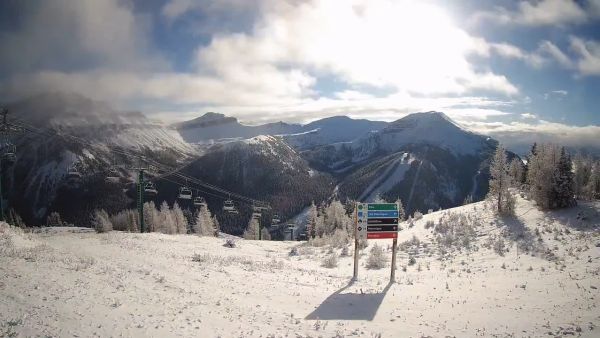
Lake Louise Opens Early on 1 November With Juniper Express and Easy Street
The Rockies get their first lift-served turns of the season early. Lake Louise opens Sunday 1 November, five days ahead of schedule, after a cold October and round-the-clock work from the snowmaking and mountain crews. Terrain is limited to Juniper Express Chair and Easy Street, with two small terrain parks and the beginner area for lessons. Opening-day tickets are over 60% off, with prices rising as more lifts open. First chair is at 9:30 am under the resort’s new lift hours.
31 Oct 2026
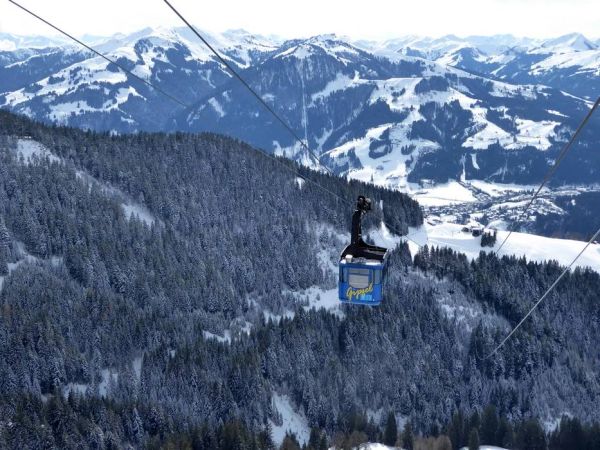
Kitzbüheler Horn Summit Cable Car to Be Replaced After 70 Years
A Tyrolean summit lift that has been carrying guests up the Kitzbüheler Horn since 1955 is on borrowed time. Its licence runs to 2045, but a new inspection rule has made refurbishment uneconomic, so Bergbahn AG Kitzbühel will spend around €15 million on a replacement on the same line. It should hold roughly 100 people and keep running in winds that would stop today’s lift. Building starts in autumn 2027, which makes this winter and next summer the last chances to ride the old one.
30 Oct 2026
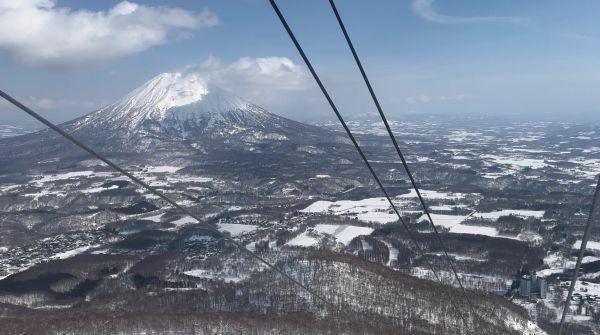
What’s New in Japan Skiing This Winter: Niseko Gondola, a Private Resort and a Bigger Ikon Pass
Niseko Village is replacing a lift from the early 1980s with an eight-person gondola, Tsugaike gets a six-person chairlift, Madarao joins the Ikon Pass and Togari opens Asia’s first private ski resort. Here’s what is actually new in Japan skiing for 2026/27, plus what is still a year or two away.
30 Oct 2026
Wolf Creek Opens on Halloween Weekend as Colorado’s Early Season Gathers Pace
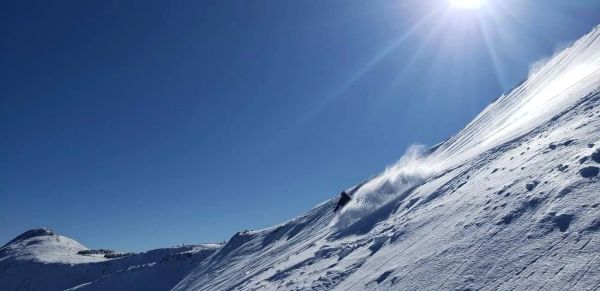
Colorado’s early-season dominoes keep falling. Arapahoe Basin opened on Wednesday, Keystone follows on Friday, and now Wolf Creek is joining in on Saturday 31 October, just in time for Halloween. A storm on 23 and 24 October left 20 inches of natural snow in the San Juans, and three lifts will turn from 9:00 am, covering about 30% of the mountain. Expect rocks, unmarked obstacles and open water, but also Local Appreciation lift tickets at $73 for adults.
30 Oct 2026
Keystone Resort Opens for 2026/27 With More Than Two Miles of Skiing
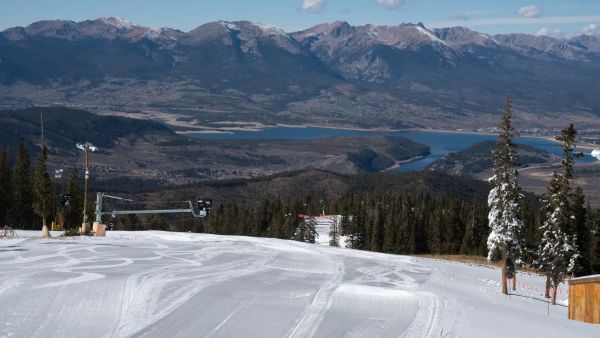
Keystone is next. After Arapahoe Basin claimed the first chairlift skiing of the season on Wednesday, Keystone opens on Friday 30 October at 9:00 am with more than two miles of snowmaking-built terrain on Schoolmarm and Silver Spoon, plus free donuts, coffee and a live DJ. Last year the order was reversed, when Keystone squeezed in a three-hour afternoon session to beat A-Basin by a day. Snowmaking has been running since 15 October.
29 Oct 2026
Beaver Creek Installs 16 Automated Snow Guns on Birds of Prey Ahead of Record World Cup
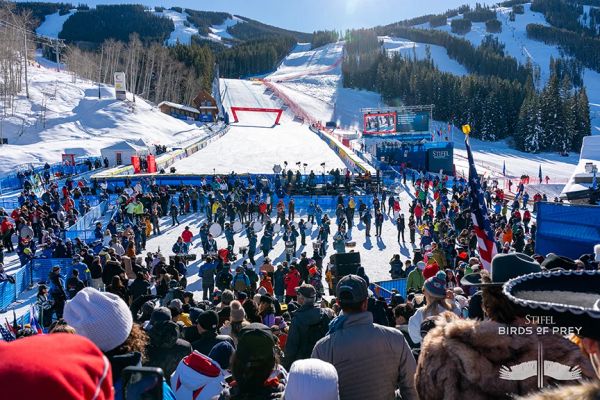
Beaver Creek is getting ready for the biggest Birds of Prey ever, and this time it is not leaving the snow to chance. Crews started making snow on 27 October with 16 newly installed automated guns on the lower third of the course, after last December’s warm spell forced a downhill off the schedule. Seven races across two weekends run from 3 to 13 December, the most the course has hosted since its 1997 debut, and the guns start themselves whenever the weather allows.
29 Oct 2026
Arapahoe Basin Opens First for North America’s 2026/27 Ski Season
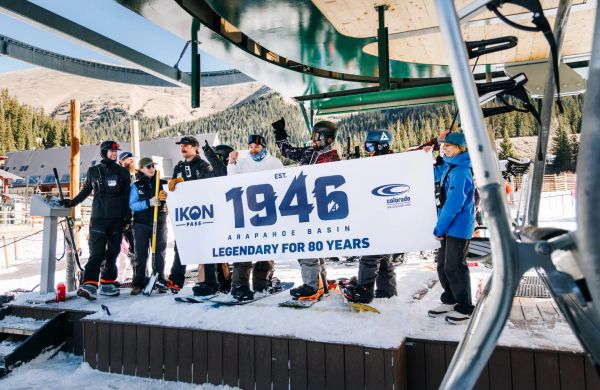
Winter has officially started in North America, and it is one blue run long. On Wednesday 28 October, Arapahoe Basin fired up the Black Mountain Express at around 10:30 am after a surprise announcement just hours earlier, becoming the first major North American resort open for 2026/27. Cold nights, a dusting of natural snow and a lot of snowmaking made it happen in the resort’s 80th winter. More terrain is promised as the snow guns keep running.
28 Oct 2026
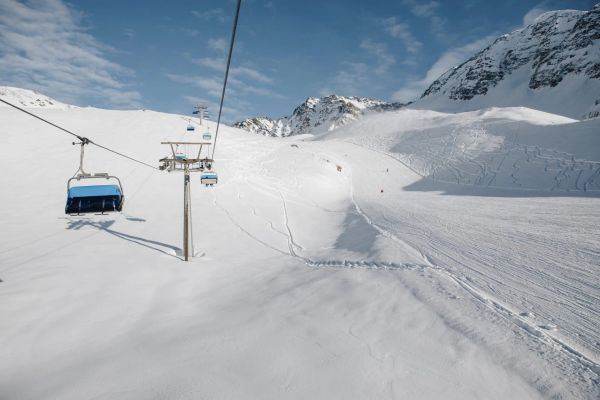
Sulden am Ortler Pushes Its Season Start Back a Week to 7 November
Sulden am Ortler has called off its 31 October opening. The South Tyrol ski area has pushed its 2026/27 start back to Saturday 7 November, citing current weather and snow conditions and saying it will use the extra week to get the slopes in the best possible shape. The season is still scheduled to run through 2 May 2027. Elsewhere in Europe, around a dozen areas are already open, led by Sölden’s 30 kilometres of groomed runs.
28 Oct 2026
Sulden am Ortler Snow Report
Snow Report
Updated 30 Oct 2026
3250m
summit
+0cm
new snow · last 24 hours
Clear-6°C / -2°C · SE 19km/h
Snowfall
24 hours
0cm
48 hours
0cm
7 days
5cm
Base depth
0cm
Season total
9cm
Typical winter 185cm
Total lifts11
Live open status isn’t available right now.
15 Nov 2025 - 1 May 2026
Hour by Hour
Next 47 hours· Updated Oct 31, 2026 at 5:02 AM
Scroll for the full outlook · Open-Meteo
7-Day Outlook
2,980 mUpdated Oct 31, 2026 at 5:02 AMOpen-Meteo
Days 1–7
0.6cm
Days 8–14
2.1cm
Sat, Oct 31
Clear
Temp-2° / -6°°C
Snow0.0cm
Wind19 km/h SE
Live snow from the resort feed; forecast from Open-Meteo, via Supabase.
Understanding the Sulden am Ortler snow report
Get the latest Sulden am Ortler snow report — real-time snowfall, snow depth, and mountain weather for this Italy resort, spanning 1900m to 3250m in elevation.
Snow measurements
Base depth, summit depth, and recent snowfall are the core numbers to watch. At Sulden am Ortler, summit conditions (3250m) can differ noticeably from the base, so we break both out separately rather than showing a single average.
Weather conditions
Wind and temperature swings matter as much as fresh snowfall. Cold, calm conditions hold snow quality well, while wind-loading or a warm-up can change things quickly — especially given the elevation spread between Sulden am Ortler's base and summit.
Data sources
We pull Sulden am Ortler's conditions from on-the-ground mountain reporting, then layer in forecast data so you get a fuller picture than either source alone. The mountain is served by 11 lifts, including 2 aerial trams and 4 quad chairlifts.
When to check
The biggest swings usually happen right after a storm. Check Sulden am Ortler's report in the morning for the freshest numbers, and again in the afternoon as conditions evolve.