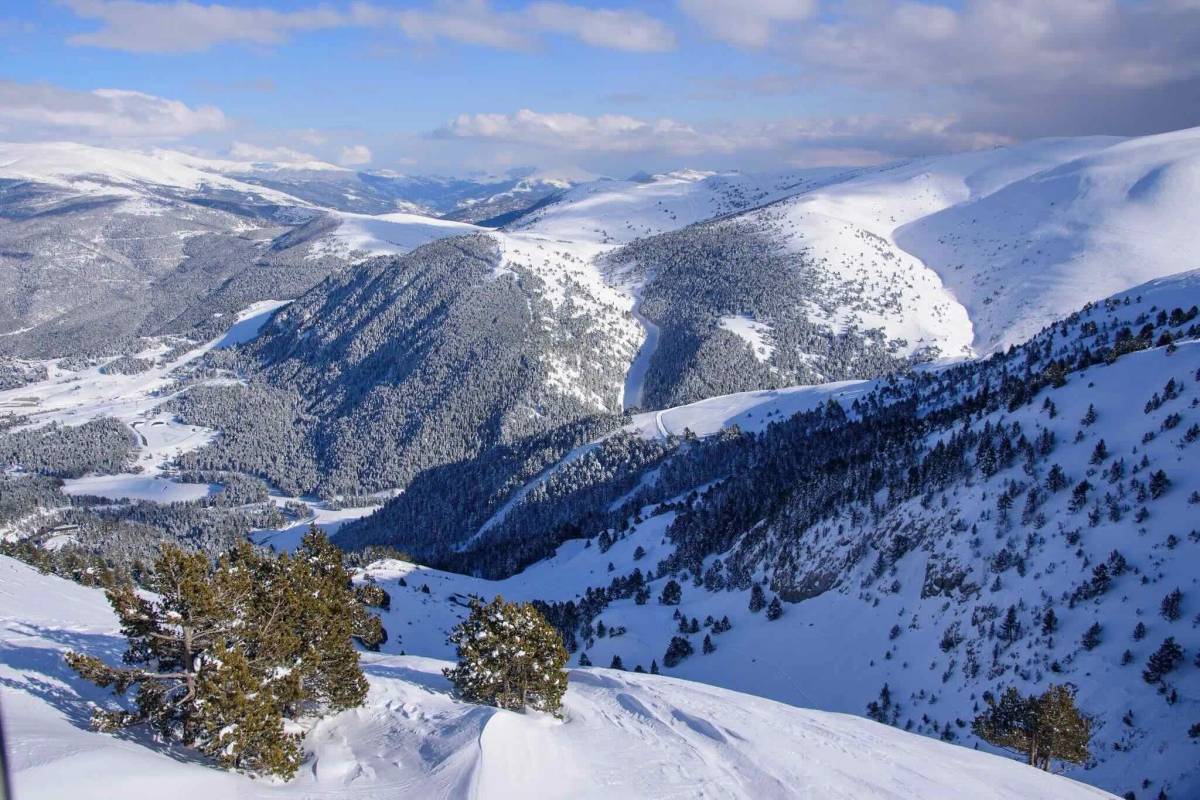
La Molina
Ski Spain's oldest resort in the Catalan Pyrenees. 71km of terrain, Alp2500 combined domain and direct train access from Barcelona.

Season 2026 - 2027
Opens
28 Nov 2026
Closes
25 Apr 2027
Days open
148
Annual snow
1.8m
The Overview
Michael Fulton
Melbourne-based skier and snowboarder with 50+ resorts across 5 continents. Specialises in Australian resorts and international resort comparisons.
La Molina holds a unique place in Spanish skiing history — it is the oldest ski resort in the country, having installed Spain's first commercial ski lift on 28 February 1943, followed a year later by the nation's first ski school. Managed by Ferrocarrils de la Generalitat de Catalunya (FGC Turisme), the resort sits in the Cerdanya region of the Catalan Pyrenees at elevations between 1,667m and 2,537m, offering 71km of marked pistes across 66 runs.
The terrain is broadly accessible, with 30% beginner, 27% intermediate and 34% advanced runs, plus 9% expert — a profile that reflects La Molina's long-standing reputation as one of the most family-friendly and all-ability resorts in the Pyrenean range. The resort also hosts the largest superpipe in the Pyrenees alongside a well-developed snowpark, making it a genuine year-round destination for freestyle skiers and snowboarders.
La Molina's competition pedigree is substantial for a resort of its size. It hosted the Alpine Skiing World Cup in December 2008, the Snowboard World Championships in 2011 and the IPC Disabled Alpine Skiing World Championships in 2013 — a record that speaks directly to the quality of the groomed piste network and supporting infrastructure.
The resort pairs with neighbouring Masella to form the Alp2500 combined domain, which connects the two mountains via gondola and delivers a total of 145km of linked skiing across both resorts on a single pass. La Molina's Adapted Sports Centre, a pioneer in Europe for adaptive skiing, adds further distinction to a resort that has spent over 80 years building one of the most complete mountain offerings in Spain.
870m
Vertical
66
Runs
71 km
Piste
1.8m
Annual snow
The Terrain
66 runs across 71 km of piste
La Molina offers 71 kilometres of piste over 66 runs on the Cerdanya side of the Pyrenees, falling 870 metres from 2,537 metres down to the 1,667-metre base. The balance is unusually even across the grades: 30% beginner, 27% intermediate, 34% advanced and 9% expert. That makes it a handy choice for groups whose abilities do not line up, since nobody is stuck at the bottom or the top. A gondola from the base takes you up into the main skiing, and the nursery slopes are easy to reach, which suits families. The pistes are varied enough to keep everyone busy.
The upper slopes climb the shoulders of the Tosa d'Alp, where the best views over the Cerdanya valley appear and the advanced pistes drop away. Beginners and children have gentle areas close to the village, while intermediates can link long, rolling blues and reds. The Alp 2500 cable car connects with neighbouring Masella across the Tosa, so keen skiers can add a second area to their day. Freeride terrain is limited, so this is a pistes-first resort for families, mixed-ability groups and people who like a sunny day on the snow.
Terrain split
66
runs
66 runs across 4 grades
Beginner20 runs · 30%
Intermediate18 runs · 27%
Advanced22 runs · 34%
Expert6 runs · 9%
Time it right
When to visit La Molina
La Molina operates from early December through to late April, with the 2025/26 season running 10 December to 27 April — one of the longer season windows of any resort in the Catalan Pyrenees. The resort records an average annual snowfall of around 6 metres, with the Cerdanya region's position on the southern side of the Pyrenean divide producing a climate that combines cold continental air with periodic Atlantic weather systems, resulting in heavy snowfall events followed by extended periods of high pressure and sunshine.
The snowiest conditions are typically concentrated from January through March, and the current 2025/26 season has accumulated 402cm total with a base depth of 240cm by early March.
The higher elevations of the ski area — particularly the summit terrain above 2,300m accessed via the Cadí-Moixeró gondola — hold snow quality well into spring, and the north-facing Torrent Negre and Tosa d'Alp sectors are among the last in the Catalan Pyrenees to lose their winter cover. La Molina's snowmaking infrastructure provides important early-season support, ensuring the main access runs and beginner areas open reliably from the December start date regardless of natural snowfall timing.
The resort's relatively sunny disposition — the Cerdanya is one of the sunniest valleys in the Pyrenees — makes spring skiing particularly attractive, with warm afternoon temperatures on south-facing blues contrasting with preserved cold snow on shaded upper runs.
Season 2026 - 2027
28 Nov 2026
Opens
25 Apr 2027
Closes
148
Days open
1.8 m
Annual snow
The record
Historical snowfall at La Molina
Daily snow reports at La Molina go back to 2017, 10 winters on the books. Open the record to compare winters, lifts and piste.
190 cm
Snowiest day
6 Feb 2018
18 cm
This winter · 2026-27
so far
175 cm
Typical winter
average of complete seasons
Winter totals
cm
Past wintersThis winter
Getting there
Getting to La Molina, and where to stay
La Molina sits in the Cerdanya Valley within the province of Girona in Catalonia, approximately 150km north of Barcelona by road via the C-16 through the Túnel del Cadí. What distinguishes La Molina from most ski resorts of comparable size in Europe is its direct rail connection — a RENFE Rodalies train service runs from Barcelona's Passeig de Gràcia to La Molina station, placing the resort within around two hours of the city centre without a car.
The resort actively packages this connection as the Barcelona Ski Train, which combines the rail fare with a lift ticket, making it one of the most straightforward urban-to-slopes access options in Spain and a practical choice for visitors based in Barcelona.
The surrounding Cerdanya region is a broad, sunlit valley straddling the Spanish-French border, with the French town of Puigcerdà just 12km from the resort base and the Andorran border within 50km to the west. The valley's gentle pastoral character — stone farmhouses, open meadows, village markets — provides a notably different atmosphere to the purpose-built resort towns more common in the French Alps.
Nearby Alp and Alp village offer traditional Catalan accommodation and restaurants serving local cuisine including hearty Cerdanya stews, local cheeses and trinxat — a pressed potato and cabbage dish specific to the region. For those combining skiing with broader travel, La Molina's position makes it a practical base for day trips into Andorra, the French Cerdagne and the wider Alt Pirineu natural park.
Where to stay
Search all stays →Stays map loads when you scroll here
Hotels and lodges near La Molina, powered by Stay22.
Latest News
From the SnowStash desk
Sugar Bowl Gondola Slips to January 2027 as Opening Day Holds
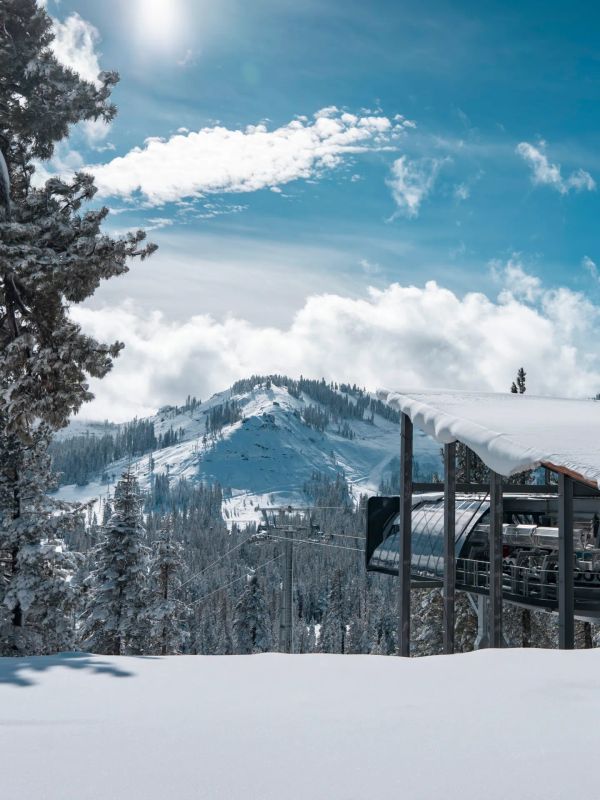
Sugar Bowl still opens on 27 November, just without its new gondola. The eight-passenger Village Gondola is now targeting January 2027, with all eight towers up, the haul rope on and the first cabin hanging. Until it runs, everyone gets in through the Main Lodge, with curbside drop-off and parking lot shuttles. It replaces the first gondola in the western US, which dates from 1953.
16 Nov 2026
Stubai Glacier Avalanche Ends in Austria’s First Death of the Season
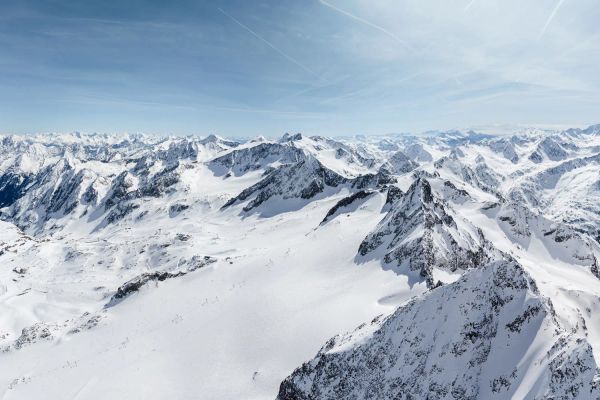
A 72-year-old American skier has died on Stubai Glacier after a small slab avalanche carried him over rocky ground and into a 20-metre crevasse. It is Austria’s first avalanche death of the 2026-27 season, and forecasters had flagged this exact setup two days earlier. Here is what happened near the Daunscharte, and what the snowpack was already telling anyone who was reading it.
15 Nov 2026
Wagrain’s New Grafenbergbahn Gondola Appears in First Photos
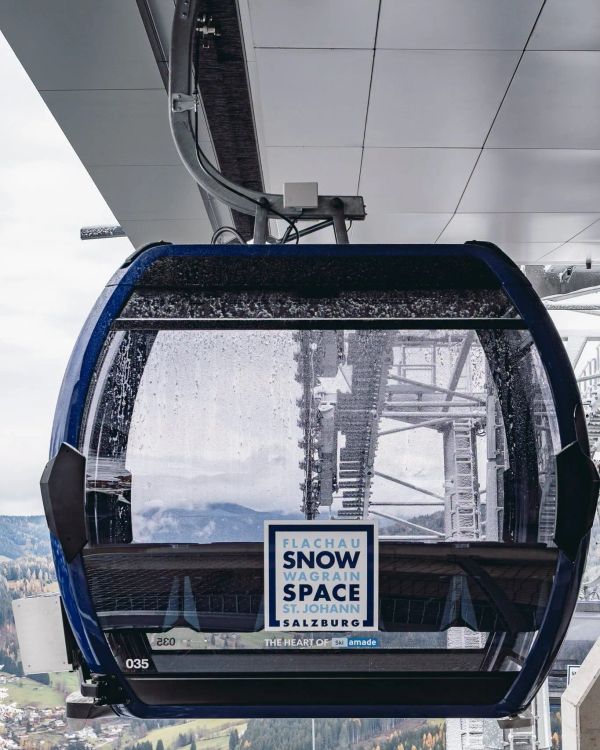
Wagrain’s new Grafenbergbahn is nearly here, and Snow Space Salzburg stamped “no AI” on the first photos, which says plenty about 2026. One 10-person gondola takes over from three old lifts, with 120 cabins moving up to 3,400 people an hour and a mid-station link into the G-Link. Dark blue cabins, fresh snow, no opening date yet.
14 Nov 2026
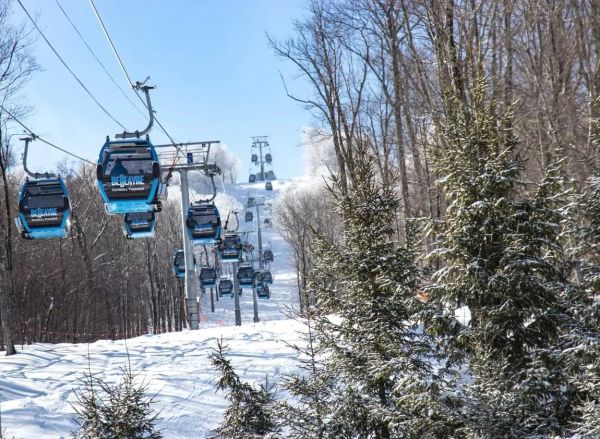
Indy Pass Adds 10 Alpine and 5 Nordic Partners for 2026-27
Indy Pass just got bigger. On 12 November it announced 10 new alpine resorts and 5 Nordic centres for 2026-27, including four in Norway and one in Austria. Three New York State mountains - Whiteface, Gore and Belleayre - also signed on to its Allied Program, with discounted tickets rather than included days. Waitlisted customers are being offered passes, and Learn to Turn news is due this week. Full list inside.
13 Nov 2026
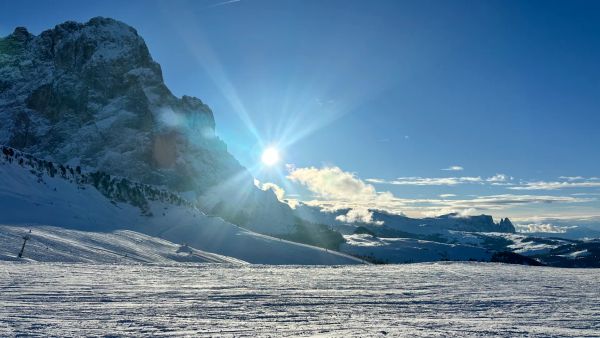
Val Gardena to Alpe di Siusi Lift Link Back in Play After Court Ruling
The Val Gardena-Alpe di Siusi lift link isn’t dead after all. A South Tyrol court has overturned Santa Cristina’s rejection of the new Monte Pana-Saltria link on procedural grounds, after the council skipped required public information sessions. Opponents want the missing sessions held and a fresh vote, and nothing has been approved. For now it’s still a bus between the two, but a plan first floated in 2017 is back in the conversation.
8 Nov 2026
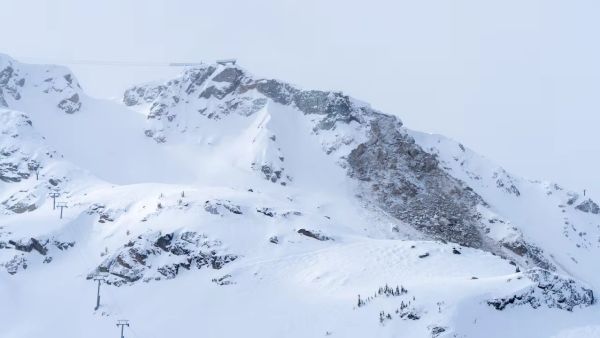
Whistler Blackcomb Rockslide Zone Stays Closed Through 2026-27 Season
A section of Whistler Peak terrain will stay closed all 2026-27 season, Vail Resorts has confirmed, with rockslide mitigation work continuing into summer 2027. Peak Express is still expected to run this winter, but locals are already arguing about what’s actually off limits, whether the Whistler Bowl is gone, and why the news landed after pass sales wound down. Here’s where things stand.
7 Nov 2026
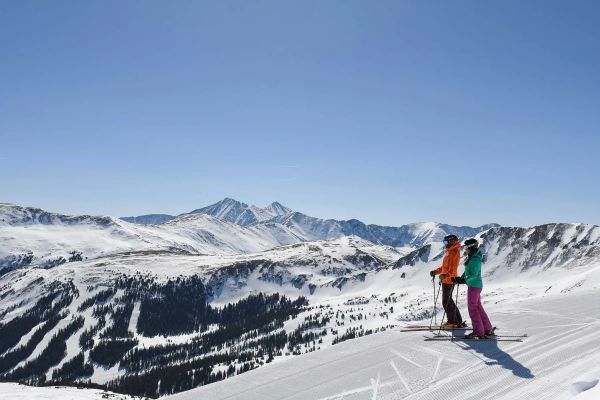
Loveland Ski Area Opens for 2026-27 and Marks 60 Years of Snowmaking
Loveland is open. The Colorado ski area started Chet’s Dream turning on Saturday 7 November to kick off 2026-27, with $60 adult lift tickets to mark 60 years of snowmaking. Expect three runs, nearly 1,000 vertical feet (about 300 metres) of top-to-bottom skiing, live music on the Basin Patio and no beginner terrain yet. Here’s what’s open, what it costs and when Loveland Valley follows.
7 Nov 2026
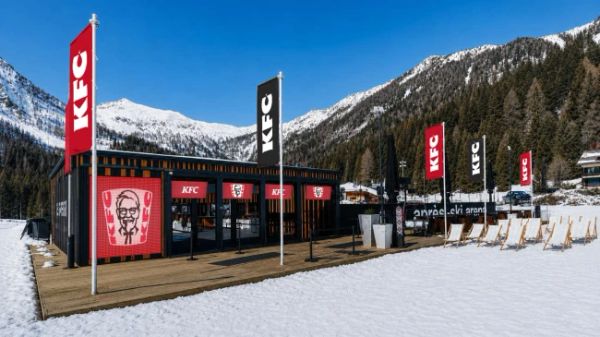
KFC Is Coming to the Slopes at Cortina and Madonna di Campiglio
Fried chicken is heading up the Dolomites. From 5 December KFC will run two restaurants on the slopes - one at 2,123 metres at Cortina, one at 1,700 metres at Madonna di Campiglio - and the polenta-and-canederli crowd has opinions. Local politicians, conservation groups and plenty of Facebook commenters are calling it a step too far, while others just want a cheaper lunch. Here’s what’s on the menu and what’s the fuss.
5 Nov 2026
La Molina Snow Report
Snow Report
Updated 17 Nov 2026
2537m
summit
+0cm
new snow · last 24 hours
Overcast2°C / 6°C · W 32km/h
Snowfall
24 hours
0cm
48 hours
0cm
7 days
2cm
Base depth
0cm
Season total
18cm
Typical winter 175cm
Total lifts16
Live open status isn’t available right now.
28 Nov 2026 - 25 Apr 2027
Hour by Hour
Next 42 hours· Updated Nov 17, 2026 at 4:02 AM
Scroll for the full outlook · Open-Meteo
7-Day Outlook
2,363 mUpdated Nov 17, 2026 at 4:02 AMOpen-Meteo
Days 1–7
0.0cm
Days 8–14
2.5cm
Tue, Nov 17
Overcast
Temp6° / 2°°C
Snow0.0cm(3%)
Wind32 km/h W
Live snow from the resort feed; forecast from Open-Meteo, via Supabase.
Understanding the La Molina snow report
Track current conditions at La Molina in Spain. This report covers snowfall totals, base and summit depth, and the forecast across 66 runs.
Snow measurements
Base depth, summit depth, and recent snowfall are the core numbers to watch. At La Molina, summit conditions (2537m) can differ noticeably from the base, so we break both out separately rather than showing a single average.
Weather conditions
Snow quality tracks closely with temperature and wind. We surface both alongside the snowfall data so you can judge whether conditions at La Molina are holding up or starting to soften.
Data sources
We pull La Molina's conditions from on-the-ground mountain reporting, then layer in forecast data so you get a fuller picture than either source alone. The mountain is served by 16 lifts, including 6 quad chairlifts and 2 6-person chairlifts.
When to check
Snow reports are typically updated early morning and late afternoon. For the most current conditions, check back regularly, especially if a winter storm is approaching.