
Saas Fee
100km of pistes from 1,800-3,573m. Nine-month season on the Fee Glacier. Metro Alpin funicular to Mittelallalin. Valais, Switzerland.
Season 2026 - 2027
Opens
1 Nov 2026
Closes
18 Apr 2027
Days open
168
Annual snow
8m
The Overview
Michael Fulton
Melbourne-based skier and snowboarder with 50+ resorts across 5 continents. Specialises in Australian resorts and international resort comparisons.
Saas Fee rises from 1,800 metres in its car-free village to 3,573 metres on the Mittelallalin, delivering 1,773 metres of vertical across 100 kilometres of marked pistes. The resort operates 25 lifts including six gondolas, two aerial trams and the Metro Alpin, the world's highest underground funicular railway that burrows 1,749 metres through solid rock to reach the glacier. Eighteen four-thousand-metre peaks encircle the ski area, and the Fee Glacier enables one of Europe's longest ski seasons running from July through late April.
Terrain splits 20 per cent beginner, 60 per cent intermediate and 20 per cent advanced or expert across 48 marked runs. The upper glacier offers wide, forgiving slopes above 3,000 metres whilst mid-mountain sectors demand more commitment, with several intermediate runs grading steeper than equivalent trails at neighbouring resorts. The 9-kilometre descent from Mittelallalin to the village ranks among the longest continuous runs in the Alps, though downloading from Morenia mid-station remains the safer option for less confident skiers.
The car-free village preserves its Valaisan timber architecture and pedestrian lanes, free from combustion engines since 1951. Electric shuttles and hotel transfers provide the only motorised movement, and the compact layout keeps all lift bases, restaurants and lodging within walking distance. The Allalin revolving restaurant at 3,500 metres completes one rotation per hour, and the Ice Pavilion beneath the glacier adds another drawcard for non-skiing hours.
Saas Fee and neighbouring Saas Almagell are included in the Magic Pass network, valid across more than 85 Swiss resorts. The Saastal Destination Pass covers all four valley villages including Saas Grund and Saas Balen, connected by free PostBus services. The resort suits intermediates seeking reliable snow and high-altitude cruising, though beginners face awkward terrain transitions and experts must venture off-piste to find meaningful challenge.
1773m
Vertical
48
Runs
100 km
Piste
8m
Annual snow
The Terrain
48 runs across 100 km of piste
Saas-Fee skis from the car-free village at 1,800 metres to 3,573 metres on the Mittelallalin, a vertical of 1,773 metres ringed by 4,000-metre peaks. Across 100 kilometres and 48 runs, intermediates take 60% of the terrain, with 20% beginner, 15% advanced and 5% expert. Most of the upper mountain sits on glacier, which keeps the snow dependable long after lower resorts have thinned out. Getting up there involves six gondolas, two aerial trams, a dozen T-bars and the Metro Alpin, an underground railway that climbs through solid rock to the glacier.
The long run from the Mittelallalin back to the village covers about 9 kilometres. Strong skiers can take the Morenia route, where the Gletscherschuss and the Alte Kanonenrohr put a couple of steep pitches in the way, while less confident skiers can follow the blue alternatives. Off-piste lines are plentiful from the glacier, though they call for a guide. Saas-Fee suits skiers who are happy to trade drive-up convenience for a compact village and high, reliable snow, and who like a day that starts cold and ends with sore thighs.
Terrain split
48
runs
48 runs across 4 grades
Beginner10 runs · 20%
Intermediate29 runs · 60%
Advanced7 runs · 15%
Expert2 runs · 5%
Time it right
When to visit Saas Fee
The 2025-26 season runs 7 July 2025 through 26 April 2026, spanning nine months and encompassing both summer glacier skiing and the traditional winter period. Full operations commence in November when the entire mountain opens, though the glacier terrain remains accessible from mid-July with approximately 20 kilometres of prepared pistes for race teams and summer training camps. Lift hours extend gradually from 07:00-13:00 in July to 08:30-17:00 during winter peak.
Annual snowfall averages 533 centimetres across the ski area, with the high-altitude north-facing slopes holding snow well into May above 3,000 metres. The glacier skiing sits above 3,500 metres where natural accumulation remains reliable regardless of valley conditions, though the resort receives less precipitation than neighbouring valleys due to its sheltered position. Snowmaking installations service 24 kilometres of lower runs, critical for maintaining village access during marginal early and late season conditions.
Mid-February through mid-April delivers the strongest combination of stable snow and extended daylight, with high-pressure spells bringing crisp mornings and soft spring corn by afternoon. November and December face shorter days and potential weather instability as the season builds, whilst January brings deep cold at altitude that can push temperatures well below freezing even at midday. Late March and April offer excellent value with lighter crowds and reliable glacier conditions, though village-level snow deteriorates by mid-April.
The resort hosts the Ice Climbing World Cup each winter at the multisport car park venue, drawing international competitors to frozen walls under floodlights. Summer glacier operations from July to October attract professional ski teams for training camps, and the Morenia Freestyle Park functions year-round depending on snow cover. Night skiing and special events remain limited compared to larger resorts, though sunrise skiing packages at Mittelallalin operate selected mornings from late February through mid-April.
Season 2026 - 2027
1 Nov 2026
Opens
18 Apr 2027
Closes
168
Days open
8 m
Annual snow
Getting there
Getting to Saas Fee, and where to stay
Saas Fee sits at 1,800 metres elevation at the head of the Saastal, a southern tributary valley of the main Rhône corridor in Canton Valais. The village occupies a high plateau surrounded by 18 peaks exceeding 4,000 metres including the Dom at 4,545 metres, Switzerland's highest mountain located entirely within the country. The Mischabel range forms an amphitheatre of rock and ice that defines the skyline, whilst the Fee Glacier descends nearly to the village outskirts.
The municipality of Saas Fee numbers 1,636 permanent residents and neighbours three smaller villages down-valley: Saas Grund 4 kilometres north, Saas Almagell 8 kilometres south and Saas Balen 7 kilometres distant. Visp serves as the valley's main transport hub 27 kilometres to the north in the Rhône Valley, whilst the Italian border via the Simplon Pass lies 45 minutes south by car. Zermatt sits 40 kilometres west over the mountain divide, though no direct winter road connects the two resorts.
Road access follows the Saastalstrasse from Visp, climbing through Stalden where the valley branches south towards Saas Grund then continuing to the village terminus. The Lötschberg car shuttle between Kandersteg and Goppenstein provides the fastest north-south route through the Alps, running half-hourly departures. From the west, the A9 motorway along the Rhône Valley connects Lausanne to Visp in approximately 90 minutes, whilst eastbound traffic crosses the Furka Pass in summer or uses the Furka car train during winter closure.
Geneva Airport lies 226 kilometres distant with 2 hours 45 minutes driving time, whilst Zurich Airport sits 250 kilometres away requiring 3 hours 15 minutes by road. Sion Airport offers the nearest option at 70 kilometres though flight frequency remains limited. Train services connect both major airports to Visp station, where PostBus line 511 departs half-hourly for the 40-minute climb to Saas Fee. The car-free village policy requires all private vehicles to park at the multistorey facility at the village entrance, with electric shuttles and hotel transfers completing the final leg to accommodation.
Where to stay
Search all stays →Hotels and lodges near Saas Fee, powered by Stay22.
Latest News
From the SnowStash desk

Vermont Ski Resort Opening Dates 2026-27: Few Dates Set, Killington Waits on the Cold
Vermont's season is slow to take shape. Stratton is tentatively targeting 18 November and Sugarbush 21 November, while Pico has Friday 11 December on the calendar. Killington never sets a date and opens when the snowmaking allows, and Vail Resorts has yet to name days for Stowe, Okemo and Mount Snow. The forecasts disagree about snow, and the main El Niño worry for the Green Mountains is warmth.
9 Oct 2026

Crans-Montana 2027 World Championships President Resigns Ahead of Fraud Hearing
Less than four months out from the Crans-Montana 2027 World Championships, the man running the organising committee has stepped down. Claude-Alain Schmidhalter resigned as Swiss-Ski vice president and OC president after being indicted over a business dispute unrelated to skiing. He denies the allegations and faces court on October 27. Interim leaders are in place for the February 1-14 event.
9 Oct 2026

Kelly Canyon, Idaho, Adds Snowmaking, a Bigger Terrain Park and More Parking for 2026-27
Kelly Canyon had a rough 2025-26, and the Idaho resort has spent the summer making sure it doesn’t repeat. Snowmaking now reaches the top of Goldrush, the terrain park is doubling in size with a stereo system, lights and a snack shack, and the car park is getting bigger. Grooming is stepping up too. Target opening is December 4, conditions permitting.
9 Oct 2026
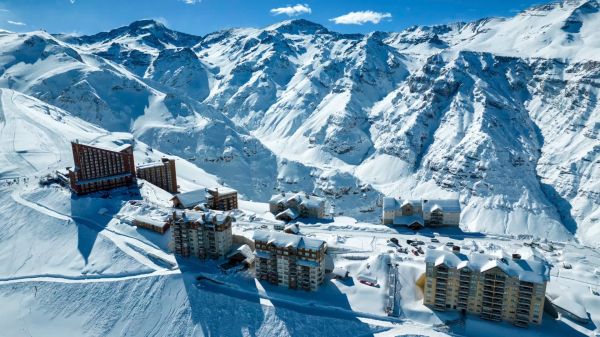
Valle Nevado Extends Season to November 8 After 108 cm in 48 Hours
Winter was meant to be winding down in Chile. Then Valle Nevado took 108 cm in 48 hours in early October, and the resort has pushed its closing date out to November 8 - its latest in 38 years of operation. That makes 143 days of skiing since opening day on June 19, with 690 cm banked for the season. Only part of the mountain is running while the storm settles, so check the mountain report before you plan a trip.
9 Oct 2026
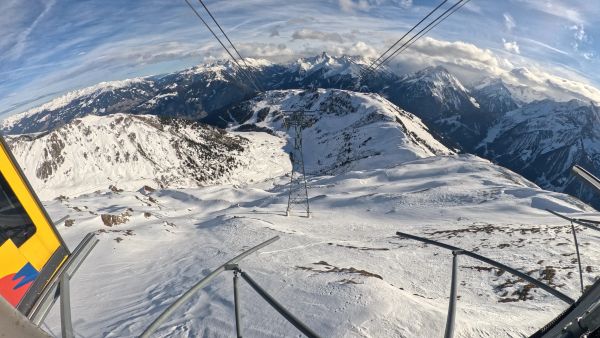
Alps Snow Forecast: Cold Front Brings Thursday Snow to the High Alps
The Alps look a lot more like winter today, for a day or so. A cold front is moving west to east, dropping up to 35 cm on high glaciers and peaks, with snow levels falling to around 1,500-1,800 m at times. Don’t plan a trip around it: mid-elevation snow will be thin and wet, every area is closed bar a limited Sölden glacier opening tomorrow, and warmer weather returns by Monday.
8 Oct 2026
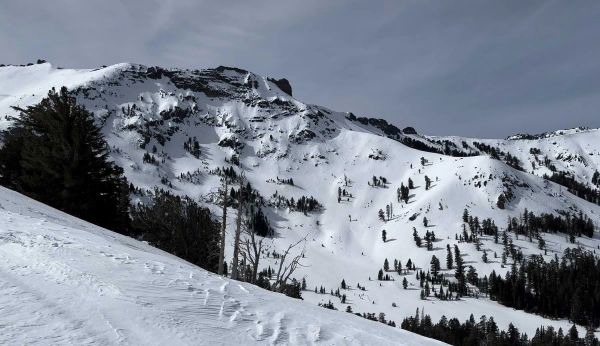
California Ski Resort Opening Dates 2026-27: Mammoth Leads, Tahoe Follows
Mammoth Mountain is first up in California, targeting Friday 13 November after a dusting of September snow. Heavenly and Northstar follow on 20 November, Palisades Tahoe on Wednesday 25 November and Sugar Bowl on 27 November, with Kirkwood on 4 December and June Mountain on 19 December. Plenty of smaller areas have no date yet. A super El Niño favours the Sierra, but a warmer storm track is the catch.
7 Oct 2026
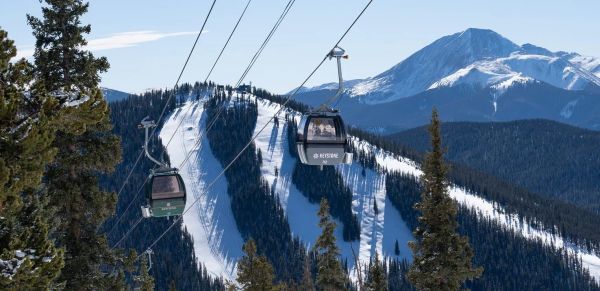
Colorado Ski Resort Opening Dates 2026-27: A-Basin and Keystone Race to Be First
Arapahoe Basin, Keystone and Winter Park are all chasing an October start, though none has a firm date yet. The first dated openers are Breckenridge and Copper on Friday 6 November, then Vail on 13 November, with most of the rest bunched around US Thanksgiving. Hesperus did not open at all last season. A super El Niño offers hope but no guarantee, and forecasters say the southern mountains have the better odds.
5 Oct 2026
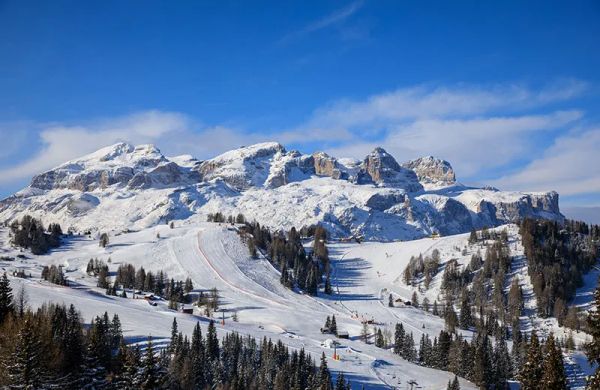
Dolomiti Superski 2026-27: Four New Gondolas, New Reservoirs and an €89 Peak Day Pass
Dolomiti Superski is spending around €100 million across its 12 areas before winter. Kronplatz gets a new 10-passenger gondola with a middle station, 3 Zinnen gets Helmissimo, and Val di Fassa swaps a chairlift for a gondola above Col Valvacin. New water-storage basins and upgraded snowmaking follow, and construction has started on the San Martino to Passo Rolle link. A peak adult day pass is €89.
4 Oct 2026
Saas Fee Webcams
9 live angles across the mountain. Tap any camera to go full-screen.
About Saas Fee's live webcams
Check live conditions across Saas Fee with 9 real-time webcams showing snow, weather, and lift operations, updated every 10 minutes. Check high-elevation cams for powder visibility and base-area cams for crowd levels before you head up.
Camera guide
- Mittelallalin3500m
- Experience breathtaking high-alpine perspectives through this Saas Fee webcam at Mittelallalin at 3500 meters elevation, one of the world's highest revolving restaurants. This Saas Fee live cam offers spectacular panoramas of glaciers and surrounding 4000-meter peaks including the Dom and Allalinhorn. Essential for monitoring extreme altitude conditions and year-round glacier skiing, this live snow cam provides real-time visibility across pristine alpine terrain, while this Saas Fee web cam showcases the dramatic landscape that makes this Valais resort legendary for high-altitude summer and winter skiing.
- Saas-Fee Village1800m
- Monitor the charming car-free village through this Saas Fee webcam providing complete 360-degree perspectives at 1800 meters elevation. This Saas Fee live cam shows the traditional Valais village and surrounding peaks, capturing current weather and atmospheric conditions. Perfect for checking base area conditions before heading to the glaciers, this live snow cam reveals the authentic alpine atmosphere, while this Saas Fee web cam demonstrates the unique character of this traffic-free resort surrounded by Switzerland's highest mountains in the Saas valley.
- Längfluh2870m
- Track mid-mountain conditions through this Saas Fee webcam positioned at Längfluh at 2870 meters elevation. This Saas Fee live cam captures expansive intermediate terrain and impressive glacier views across the resort's popular skiing zones. Essential for assessing snow quality and skier traffic, this live snow cam shows real-time conditions on diverse runs, while this Saas Fee web cam reveals the extensive trail network that makes this Valais resort perfect for intermediates seeking high-altitude glacier skiing experiences.
- Hannig2339m
- Experience the quieter eastern sector through this Saas Fee webcam at Hannig at 2339 meters elevation. This Saas Fee live cam offers panoramic views of family-friendly slopes away from the main glacier area, showcasing accessible terrain. Perfect for checking visibility and conditions on gentler runs, this live snow cam captures the welcoming atmosphere, while this Saas Fee web cam demonstrates the diverse terrain options that make this car-free Valais resort appealing to families and intermediates alongside its challenging glacier skiing.
- Heidbodme - Saas-Almagell2400m
- Monitor the southern skiing area through this Saas Fee webcam showcasing the Saas-Almagell sector at 2400 meters elevation. This Saas Fee live cam provides excellent visibility of terrain in the valley's southern reaches with views toward neighboring resorts. Essential for tracking weather patterns moving through the valley, this live snow cam captures conditions across varied aspects, while this Saas Fee web cam helps visitors navigate the extended Saas valley ski network connecting multiple resorts.
- Mattmark Dam2197m
- Experience dramatic southern valley views through this Saas Fee live cam at Mattmark Dam at 2197 meters elevation. This Saas Fee webcam provides unique perspectives of the iconic reservoir with spectacular mountain backdrops across the approach valley. Perfect for checking conditions on the scenic route to the ski area, this live snow cam captures the stunning landscape, while this Saas Fee web cam showcases the dramatic alpine environment surrounding Switzerland's highest altitude dam and this pristine Valais skiing destination.
- Kreuzboden - Saas-Grund2400m
- Track connected resort conditions through this Saas Fee web cam at Kreuzboden at 2400 meters elevation in the Saas-Grund sector. This Saas Fee webcam offers excellent visibility of the family-friendly Saas-Grund ski area within the extended valley domain. Essential for monitoring lift operations and terrain conditions, this live snow cam captures activity across this welcoming sector, while this Saas Fee live cam helps visitors explore the interconnected Saas valley resorts that offer diverse skiing experiences beyond the main glacier terrain.
- Hohsaas - Saas-Grund3200m
- Experience impressive high-mountain perspectives through this Saas Fee webcam at Hohsaas at 3200 meters elevation. This Saas Fee live cam delivers stunning alpine views from the Saas-Grund sector's highest accessible point, showcasing challenging terrain. Perfect for advanced skiers checking conditions on difficult slopes, this live snow cam captures spectacular scenery across dramatic high-altitude landscape, while this Saas Fee web cam demonstrates the serious alpine skiing available throughout the extended Saas valley resort network.
- Britanniahütte3030m
- Discover high-alpine mountain refuge perspectives through this Saas Fee webcam at the iconic Britanniahütte at 3030 meters elevation. This Saas Fee live cam monitors backcountry conditions from this historic SAC mountain hut, providing inspiring glacier views. Essential for ski tourers and alpinists, this live snow cam captures the dramatic high-mountain environment, while this Saas Fee web cam showcases the mountaineering heritage and backcountry skiing opportunities that complement the resort terrain in this legendary Valais alpine destination.
Saas Fee snow cams FAQ
How often do Saas Fee snow cams update?
All Saas Fee snow cams and webcams update every 10 minutes with fresh images showing current mountain conditions. This frequent update schedule ensures you have access to near real-time conditions for planning your ski day at Saas Fee.
Which Saas Fee webcam shows the best powder conditions?
The high-elevation Mittelallalin webcam at 3,500m provides the clearest view of powder conditions and snowfall. These Saas Fee webcams capture fresh snow accumulation and visibility better than base area cameras.
Can I see Saas Fee lift queues on the webcams?
Yes. Multiple Saas Fee snow cams specifically show lift queue areas and chairlift operations, helping you time your arrival and avoid peak queue periods.
When is the best time to check Saas Fee snow cams?
Check Saas Fee webcams early morning (7-8am) for overnight snowfall assessment, and mid-afternoon for current crowd levels and weather. The live cams are most useful after storm events to assess fresh powder.
How can I check current conditions before buying Saas Fee lift tickets?
Use our Saas Fee webcams alongside the live snow report to assess conditions before purchasing lift tickets. The webcams show real-time visibility, snow quality, and operational status.
Do Saas Fee webcams work on mobile devices?
Yes. All Saas Fee snow cams and webcams are optimized for mobile viewing, so you can check live conditions from anywhere using your phone or tablet.
More Saas Fee intelligence: snow report, lift tickets, trail map, resort overview.