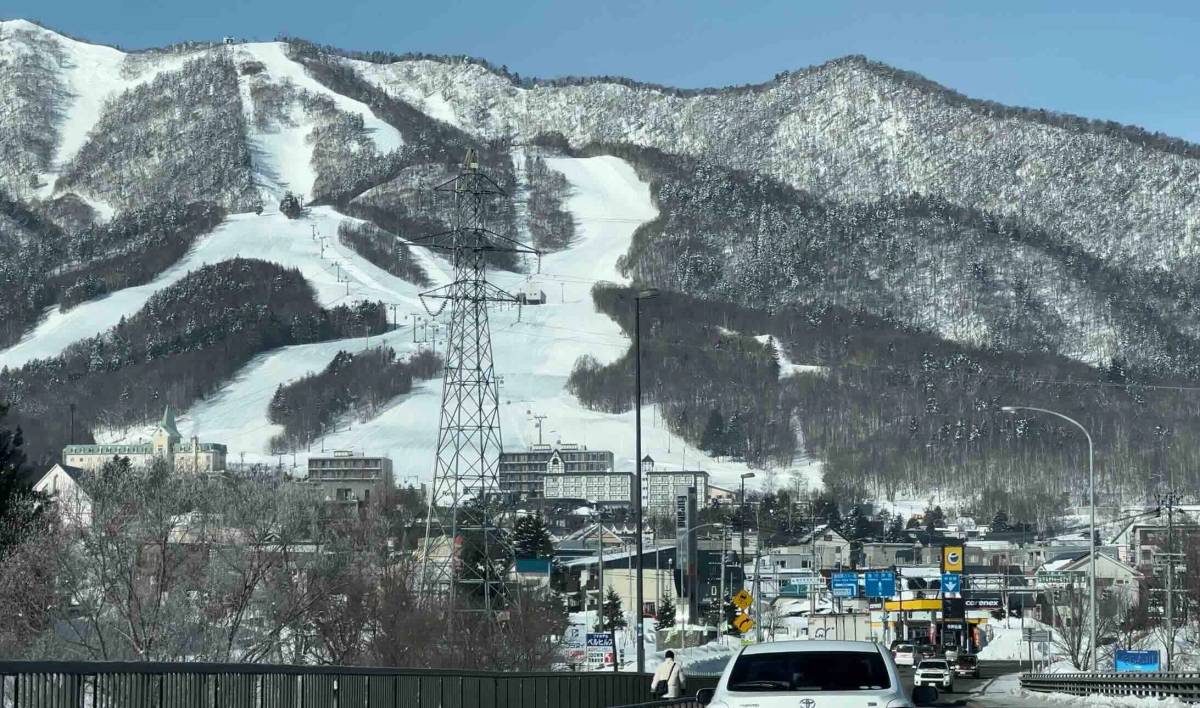
Furano
Experience Furano's legendary dry powder and pristine pistes. Family-friendly facilities, extensive terrain, and stunning views of the Tokachi mountain range.

Season 2026 - 2027
Opens
28 Nov 2026
Closes
6 May 2027
Days open
159
Annual snow
5.8m
Expert review
Michael Fulton
Melbourne-based skier and snowboarder with 50+ resorts across 5 continents. Specialises in Australian resorts and international resort comparisons.
Discover why Furano Ski Resort stands out as Hokkaido's premier destination for beginner and intermediate skiers and snowboarders seeking authentic Japanese powder without the crowds.
After riding 45+ resorts across 5 continents, I can confidently say Furano offers something special for developing riders. During my March 2024 visit, I discovered a resort that prioritizes the learning experience over profit margins - where beginner skiers can access summit-to-base runs with volcanic mountain views, and intermediate snowboarders can perfect their carving technique on wide, perfectly groomed cruisers.
This isn't just another resort review. As SnowStash founder Michael Fulton, I'm sharing the insider perspective that only comes from experiencing Furano firsthand, focusing on what matters most to the 80% of snow sports participants who are still developing their skills on both skis and snowboard.
839m
Vertical
28
Runs
479 acres
Skiable
5.8m
Annual snow
Watch
See Furano in motion
The Terrain
28 runs across 479 acres skiable, read by zone
Why Furano is Perfect for Beginner Skiers and Snowboarders
Learning Paradise: 50% Beginner Terrain
Furano dedicates an exceptional 14 runs specifically to beginner skiers and snowboarders - more learning terrain than most North American resorts. What sets Furano apart isn't just the quantity, but the quality and variety of beginner-friendly slopes.
For First-Day Skiers:
- Wide, gentle slopes in both Furano and Kitanomine zones eliminate intimidation
- Multiple learning areas prevent overcrowding during peak periods
- Natural terrain features help beginners learn balance without artificial obstacles
- Summit access via aerial tram means beginners enjoy the same mountain views as experts
For Beginning Snowboarders:
- Consistent fall-line pitches perfect for learning heel-side and toe-side turns
- Wide runs provide plenty of space for the lateral movement snowboarding requires
- Longer gentle descents allow sustained practice without frequent lift rides
- Tree-lined runs offer natural wind protection on stormy days
Progression Pathway Excellence: The genius of Furano's beginner terrain lies in its natural progression. New skiers start on the gentlest slopes near the base, then gradually work up to longer runs with slightly more pitch. By day three, most beginners can confidently ski from the 1,074-meter summit to the 245-meter base - a massive confidence boost that creates lifelong snow sports enthusiasts.
Terrain split
28
runs
28 runs across 4 grades
Beginner11 runs · 40%
Intermediate11 runs · 40%
Advanced4 runs · 15%
Expert1 run · 5%
How it compares
Where Furano sits in the landscape
How Furano Compares Globally for Beginner/Intermediate Development
International Learning Environment Assessment
After experiencing resorts across 5 continents, Furano ranks among the top destinations for skill development:
Advantages over North American resorts:
- 50% dedicated beginner terrain vs. typical 25-30%
- Affordable pricing enables extended learning periods
- Less aggressive skiing culture reduces intimidation
- Superior snow quality accelerates technique development
Advantages over European destinations:
- English-speaking instruction widely available
- Gentler learning curves without overcrowded beginner areas
- Cultural experiences enhance overall trip satisfaction
- Significantly lower daily costs
Unique positioning for Australian skiers: The snow quality revelation alone justifies the trip. Furano's light, dry powder provides immediate feedback for technique improvement while being forgiving enough to encourage experimentation.
Weather and Snow Conditions for Skill Development
Why Furano's Snow Builds Better Skiers and Snowboarders
Annual snowfall: 9 meters (354 inches) of consistently light, dry powder
Elevation advantage: 1,074m summit maintains quality throughout season
Temperature consistency: Inland location prevents rain events affecting coastal areas
Learning Benefits:
- Light snow provides immediate feedback for technique adjustments
- Consistent quality eliminates excuses - progress depends on effort, not conditions
- Forgiving nature reduces fear factor for attempting new techniques
- Extended season (December-April) allows multiple trips for accelerated development
The Verdict
Bottom Line: Expert Verdict for Developing Riders
Michael Fulton
Why I'd Bring My Beginner and Intermediate Friends Here
Furano succeeds where many international destinations fail - prioritizing the learning experience over maximum revenue extraction. The resort genuinely cares about creating positive progression experiences rather than just moving people through lifts efficiently.
Perfect for:
- First-time Japan visitors wanting authentic experience without overwhelming crowds
- Intermediate skiers/snowboarders ready to tackle longer, more varied runs
- Families with mixed abilities needing terrain for everyone
- Budget-conscious travelers seeking maximum value for extended stays
- Anyone wanting to experience legendary Japanese snow quality
Choose elsewhere if:
- You need extensive expert terrain for advanced skiing/snowboarding
- You prefer resort villages with extensive nightlife and shopping
- You're only visiting for 1-2 days (doesn't justify the travel time)
- You need guaranteed English throughout all services
Final Assessment: 5/5
Stars for Beginner/Intermediate Development
Furano delivers exceptional value for the 80% of skiers and snowboarders still developing their skills. The combination of quality learning terrain, affordable pricing, superior snow conditions, and authentic Japanese cultural experience creates an unmatched destination for skill progression.
The resort's focus on sustainable tourism over maximum extraction means better experiences for visitors and preserved mountain environments for future generations. This approach aligns perfectly with developing riders who want to build long-term relationships with snow sports rather than just survive a few challenging runs.
Time it right
When to visit Furano
During a typical winter season at Furano Japan the ski resort will see a total snowfall of 11m or 440” of incredibly light powder snow that the who region or country is known for, there are some storm cycles which can last for weeks with continual snowfall every single night. During the peak of the seasons when the snow starts to really fall the resort can open up the 479 acres of terrain. Whilst this number might appear small when comparing to resorts in other countries, you don’t come to Japan for huge mega resorts, you come to Furano Japan for the snow, the tree skiing, and the overall experience.
Season 2026 - 2027
28 Nov 2026
Opens
6 May 2027
Closes
159
Days open
5.8 m
Annual snow
The record
Historical snowfall at Furano
Daily snow reports at Furano go back to 2012, 15 winters on the books. Open the record to compare winters, lifts and piste.
62 cm
Snowiest day
15 Jan 2022
34 cm
This winter · 2026-27
so far
576 cm
Typical winter
average of complete seasons
Winter totals
cm
Past wintersThis winter
Plan your trip
Getting to Furano, and where to stay
1
Strategic Planning Guide for Developing Riders
2
Optimal Timing for Learning
Season Planning:
- December-January: Best powder conditions, but coldest temperatures
- February-March: Ideal learning weather with excellent snow quality
- April: Spring conditions, fewer crowds, perfect for building confidence
Daily Strategy: Morning hours offer the best groomed conditions for skill development. Beginners should focus on main Furano zone initially, while intermediate riders can explore both zones. Afternoon conditions provide opportunities to practice in slightly more challenging snow textures.
3
Lift Strategy for Maximum Learning
The aerial tramway moves large numbers efficiently but isn't high-speed - perfect for beginners who need recovery time between runs. The variety of lifts (11 total) means shorter lines and more skiing time. Japanese lift operations prioritize safety, so expect weather-related closures that protect developing riders.
4
Budget Optimization for Extended Learning
At ¥6,000 ($60 AUD) per day, Furano costs 25-40% less than major international destinations. This affordability enables longer stays that accelerate skill development:
- 5-day passes: ¥25,000 ($250 AUD) - only $50 AUD per day
- Equipment rental: ¥3,000-4,000 ($30-40 AUD) daily for quality gear
- Lessons: Significantly less expensive than European or North American rates
The pricing structure eliminates the pressure to "get your money's worth" each day, allowing natural progression without forcing challenging terrain before you're ready.
5
Family and Group Logistics Made Simple
6
Accommodation for Mixed-Ability Groups
Ski-in/Ski-out Options: New Furano Prince Hotel (¥15,000-45,000/$150-450 AUD per night) provides convenience for families with different ability levels. Kids can easily return to rooms for breaks while adults continue skiing.
Budget-Friendly Alternatives: Furano town properties (¥6,000-15,000/$60-150 AUD nightly) offer better value with 10-minute resort access. Perfect for groups wanting authentic Japanese cultural experiences alongside skiing.
7
Dining That Doesn't Break the Budget
On-mountain dining maintains reasonable pricing:
- Katsu curry: ¥1,200 ($12 AUD)
- Local ramen varieties featuring Hokkaido specialties
- Family-friendly options that accommodate different preferences
- Western alternatives for less adventurous eaters
The quality exceeds typical resort food standards while maintaining affordability that lets families eat on-mountain without financial stress.
8
Getting There: Practical Access from Sapporo
9
Self-Drive Freedom (Recommended)
Route Planning: 150km southeast of Sapporo via Routes 12, 38, and 237. Total drive time: 2 hours under normal conditions. English signage at major junctions helps navigation.
Winter Driving Requirements:
- Snow tires legally mandatory (rental companies provide automatically)
- Carry chains as backup
- Leave Sapporo before 6:30 AM to avoid weekend congestion
Airport Access: From New Chitose Airport: 2.5 hours direct drive. Having your own vehicle provides flexibility for weather changes and exploring multiple Hokkaido resorts.
Getting there
Furano ski area is tucked deep into Hokkaido and its relatively easy to access. Once you fly into Sapporo international airport (New Chitose Airport) you can either rent a car, get on a bus, take a train into Sapporo, and then get a bus transfer, or take a lengthy train all the way to Furano ski field. For those who choose to drive we recommend you get a car with AWD just for the extra safety and if you are finding yourself driving on a stormy day make sure you take your time, have extra supplies in the car as the travel time can easily double.
The other option is to fly into Asahikawa airport which is smaller than Sapporo airport however a lot closer to the town and ski resort of Furano Japan. Both JAL and ANA have daily flights from Tokyo Haneda airport through to Asahikawa airport.
Season 2026 - 2027
28 Nov 2026
Opens
6 May 2027
Closes
Where to stay
Search all stays →Stays map loads when you scroll here
Hotels and lodges near Furano, powered by Stay22.
Latest News
From the SnowStash desk

Val Gardena to Alpe di Siusi Lift Link Back in Play After Court Ruling
The Val Gardena-Alpe di Siusi lift link isn’t dead after all. A South Tyrol court has overturned Santa Cristina’s rejection of the new Monte Pana-Saltria link on procedural grounds, after the council skipped required public information sessions. Opponents want the missing sessions held and a fresh vote, and nothing has been approved. For now it’s still a bus between the two, but a plan first floated in 2017 is back in the conversation.
8 Nov 2026
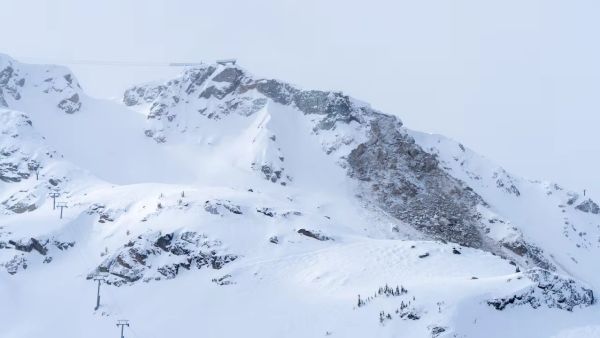
Whistler Blackcomb Rockslide Zone Stays Closed Through 2026-27 Season
A section of Whistler Peak terrain will stay closed all 2026-27 season, Vail Resorts has confirmed, with rockslide mitigation work continuing into summer 2027. Peak Express is still expected to run this winter, but locals are already arguing about what’s actually off limits, whether the Whistler Bowl is gone, and why the news landed after pass sales wound down. Here’s where things stand.
7 Nov 2026
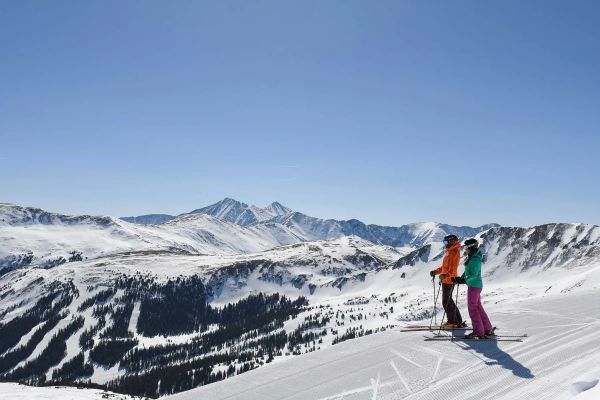
Loveland Ski Area Opens for 2026-27 and Marks 60 Years of Snowmaking
Loveland is open. The Colorado ski area started Chet’s Dream turning on Saturday 7 November to kick off 2026-27, with $60 adult lift tickets to mark 60 years of snowmaking. Expect three runs, nearly 1,000 vertical feet (about 300 metres) of top-to-bottom skiing, live music on the Basin Patio and no beginner terrain yet. Here’s what’s open, what it costs and when Loveland Valley follows.
7 Nov 2026
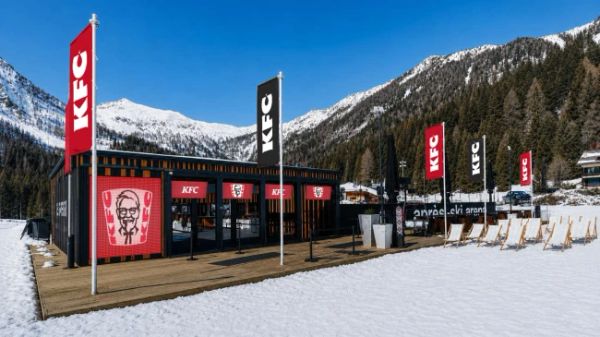
KFC Is Coming to the Slopes at Cortina and Madonna di Campiglio
Fried chicken is heading up the Dolomites. From 5 December KFC will run two restaurants on the slopes - one at 2,123 metres at Cortina, one at 1,700 metres at Madonna di Campiglio - and the polenta-and-canederli crowd has opinions. Local politicians, conservation groups and plenty of Facebook commenters are calling it a step too far, while others just want a cheaper lunch. Here’s what’s on the menu and what’s the fuss.
5 Nov 2026

Mt Rose Aims to Open First in Tahoe on November 6
Mt Rose is going for the first-in-Tahoe title, with the Lakeview Express due to spin at 9 a.m. on Friday, November 6. One main lift, three runs and plenty of snowmaking, sitting on the highest base elevation in the region at 8,260 ft. Here is what is open, what is not (sorry, tubing fans), and how the early North American openings are stacking up.
4 Nov 2026

Europe Snow Forecast: Serre Chevalier Leads With 82 cm Over the Next 10 Days
Europe has had a quiet start to November, but our 10-day forecast has Serre Chevalier on 82 cm and Les 2 Alpes on 71 cm. Two pushes are lined up: a western Alps top-up from Friday, then a bigger, wider system on Thursday, November 12 and Friday, November 13 that reaches Italy and Switzerland. Full leaderboard inside.
4 Nov 2026

Mammoth Mountain Opens Early on November 5 With Up to 33 Inches of Snow in the Forecast
Mammoth just moved opening day forward to Thursday, November 5, eight days ahead of schedule. A snowy weekend and cold snowmaking nights did the work, and our forecast shows up to 33 inches more landing on November 13 and 14. Here is what opens, what the weather looks like and where Mammoth sits among the early Ikon Pass openers.
3 Nov 2026

Utah Snow Storm Builds Early-Season Base Ahead of November Openings
Rain down low, snow up high, and a snow report full of zeros that mostly means ‘not updated yet’. Utah’s first proper storm of 2026-27 is rolling through the Wasatch, Snowbird’s snow stake is closing in on 10 inches, and Brian Head is five days from opening day. Early November snow rarely looks like much, but it is the layer every November opening date is built on. Here is where it stands.
1 Nov 2026
Furano Snow Report
Snow Report
Updated 9 Nov 2026
1074m
summit
+0cm
new snow · last 24 hours
Partly Cloudy-11°C / -4°C · W 11km/h
Snowfall
24 hours
0cm
48 hours
0cm
7 days
3cm
Base depth
0cm
Season total
34cm
Typical winter 576cm
Total lifts11
Live open status isn’t available right now.
28 Nov 2026 - 6 May 2027
Hour by Hour
Next 39 hours· Updated Nov 9, 2026 at 5:02 PM
Scroll for the full outlook · Open-Meteo
7-Day Outlook
906 mUpdated Nov 9, 2026 at 5:02 PMOpen-Meteo
Days 1–7
1.3cm
Days 8–14
9.7cm
Mon, Nov 9
Slight Snow Showers
Temp-4° / -11°°C
Snow0.8cm(88%)
Wind11 km/h W
Live snow from the resort feed; forecast from Open-Meteo, via Supabase.
Understanding the Furano snow report
Planning a day at Furano? Our snow report combines official mountain data with live weather so you know exactly what conditions look like right now, from the 235m base to the 1074m summit.
Snow measurements
Our snow reports measure snowfall in centimeters over multiple time windows — last 24 hours, last 7 days, and the season total. Base depth reflects accumulation at the 235m base area, while summit depth captures conditions 839m higher at 1074m, where snow typically stays colder and lingers longer. Imperial conversions are shown alongside for convenience.
Weather conditions
Snow quality tracks closely with temperature and wind. We surface both alongside the snowfall data so you can judge whether conditions at Furano are holding up or starting to soften.
Data sources
We pull Furano's conditions from on-the-ground mountain reporting, then layer in forecast data so you get a fuller picture than either source alone. The mountain is served by 11 lifts, including an aerial tram and 2 quad chairlifts.
When to check
Conditions can change overnight, so mornings and late afternoons are the best times to check back on Furano.