
Saddleback
440 acres, 68 runs in the Rangeley Lakes. Reopened 2020, named #1 in the East by SKI Magazine.
Season 2025 - 2026
Opens
12 Dec 2025
Closes
19 Apr 2026
Days open
128
Annual snow
19ft
The Overview
Michael Fulton
Melbourne-based skier and snowboarder with 50+ resorts across 5 continents. Specialises in Australian resorts and international resort comparisons.
Saddleback's summit reaches 4,123 feet, dropping 1,662 vertical feet to a base at 2,461 feet across 68 runs spread over 440 acres in the Rangeley Lakes region of western Maine. Terrain splits 33 per cent intermediate, 32 per cent beginner, 25 per cent advanced and 10 per cent expert, with average annual snowfall of roughly 225 inches. The resort carries Indy Pass affiliation. Six lifts, including three quad chairs, serve the mountain alongside one surface lift and two t-bars.
Saddleback's remote Rangeley Lakes setting keeps crowds notably lighter than Maine's larger, more accessible resorts, a character that has become central to its identity since reopening after a lengthy closure. The mountain's classic New England layout and terrain variety have earned it strong reader recognition in recent years, an unusual result for a resort still rebuilding its full destination infrastructure. Its comparatively high snowfall total supports reliable natural conditions.
Saddleback opened in 1960 and built a loyal following through the 1970s under owner-manager John Christie, with the Berry family later investing more than 40 million US dollars in lifts, trails and lodging starting in 2003. The resort closed after the 2014-15 season when its owners put it up for sale without finding a buyer, leaving Saddleback shuttered for five consecutive seasons. On 31 January 2020, Arctaris Impact Fund purchased the resort for 6.5 million US dollars.
Saddleback reopened on 15 December 2020 after five years of closure, with Arctaris committing to invest a total of 38 million US dollars over the following seven years. The turnaround has been striking: Down East Magazine named it Best in Maine for 2022, 2023 and 2024, and SKI Magazine's reader survey ranked it the number one resort in the East for 2025, just five years after its dramatic reopening. Adult daily tickets run from 89 to 139 US dollars, with multi-day packages from 200 dollars.
1,660ft
Vertical
68
Runs
440 acres
Skiable
19ft
Annual snow
Indy
Pass
The Terrain
68 runs across 440 acres skiable
Saddleback rises above the Rangeley Lakes in western Maine, with 68 runs over 440 acres (178 hectares). The vertical is 1,660 ft (506 m), from a 2,460 ft (750 m) base to a 4,120 ft (1,256 m) summit. The split is 32% beginner, 33% intermediate, 25% advanced and 10% expert. Snowfall averages around 225 inches a year, heavy by New England standards, and the high base helps it last. Three quad chairs carry most skiers, with t-bars and a surface lift serving further terrain across a mountain that feels spacious and quiet.
Every trail takes its name from a fishing fly invented in Rangeley, and the lifts are named after local rivers. The Kennebago Quad serves the upper mountain, including Warden's Worry, Nightmare Glades and the scenic America trail. Tree skiers have Dark Wizard, Intimidator, Casablanca and Woolly Bugger glades, and Tight Line is another named run. A Cupsuptic T-bar reaches more terrain. Saddleback suits intermediates and advanced skiers chasing snow and space, and its remote setting in the Rangeley Lakes region keeps lift lines light and crowds well below those at Maine's larger resorts.
Terrain split
68
runs
68 runs across 4 grades
Beginner22 runs · 32%
Intermediate22 runs · 33%
Advanced17 runs · 25%
Expert7 runs · 10%
Time it right
When to visit Saddleback
The 2025-26 season at Saddleback ran from 12 December 2025 to 19 April 2026, a roughly eighteen-week season supported by average annual snowfall of around 225 inches, a relatively high total for a Maine resort. This snowfall level has been part of the mountain's appeal since its 2020 reopening, supporting reliable natural conditions across its 440 acres. Season dates can shift depending on early and late-season weather.
Midwinter, from January through February, typically brings the most consistent conditions to Saddleback's varied terrain. The resort's remote Rangeley Lakes location keeps crowds meaningfully lighter than Maine's larger resorts, even during peak periods, a quality frequently cited in its recent reader-survey recognition. Weekday visits in particular remain notably quiet.
Since reopening in December 2020, Arctaris Impact Fund's ongoing seven-year, 38 million US dollar investment plan has continued to shape the resort's seasonal offerings and infrastructure. The recognition from Down East Magazine as Best in Maine for three consecutive years and SKI Magazine's number one Eastern resort ranking for 2025 has brought increased visitor interest during the current rebuilding phase. School holiday periods bring the heaviest family visitation.
Specific event programming beyond standard lift operations is not confirmed in available resort information. The five-year closure between 2015 and 2020 remains a significant part of Saddleback's recent history, with the resort's current trajectory framed explicitly around its comeback under Arctaris ownership. Its Indy Pass affiliation continues to draw visiting skiers from beyond its traditional Rangeley Lakes catchment.
Season 2025 - 2026
12 Dec 2025
Opens
19 Apr 2026
Closes
128
Days open
19 ft
Annual snow
Getting there
Getting to Saddleback, and where to stay
Saddleback sits in the Rangeley Lakes region of western Maine, with a base elevation of 2,461 feet and a summit at 4,123 feet across a 1,662-foot vertical drop over 440 acres. This is one of the more remote parts of Maine's ski country, set among lakes and forested mountains well north of the state's coastal population centres.
Rangeley is the nearest town, a small lakeside community offering lodging and dining that has grown alongside the resort's fortunes through its closure and subsequent reopening. The broader Rangeley Lakes region draws visitors for fishing, hiking and lake recreation beyond winter sports, giving the area a four-season identity distinct from Maine's coast. Portland and the state's more populous south lie several hours south by road.
Maine State Route 4 and Route 16 provide the main routes into the Rangeley area from the south and west, with the drive from Portland typically taking around two and a half hours. Winter driving conditions on these rural Maine roads can include snow and ice, and the remoteness of the Rangeley Lakes region means travellers should plan accordingly. There is no direct public transport service to the resort.
Portland International Jetport is the nearest airport with substantial commercial service, roughly two and a half hours south of Rangeley. This distance from the nearest major airport reinforces Saddleback's remote character relative to Maine's more accessible resorts, with most visitors making the drive from Portland or elsewhere in New England rather than flying closer to the mountain itself.
Where to stay
Search all stays →Hotels and lodges near Saddleback, powered by Stay22.
Latest News
From the SnowStash desk
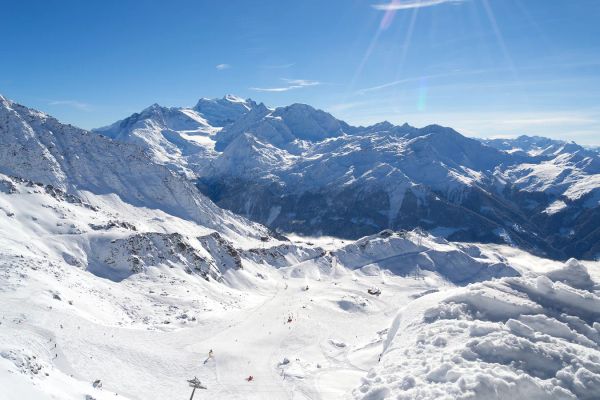
Alps Snow Forecast: Up to 64 cm Headed for the High Glaciers as the Snow Line Drops
The Alps are about to swap mild, sunny October weather for something far more wintry. A cold front arrives Tuesday, and SnowStash forecasts have Monterosa Ski out in front with 64 cm over 14 days, ahead of Blatten Belalp (55 cm) and Verbier (43 cm). The snow line should fall below 2000 metres by Wednesday night, and glaciers across Switzerland, Italy and Austria are in line for the best of it. The wind will have a say too.
20 Oct 2026
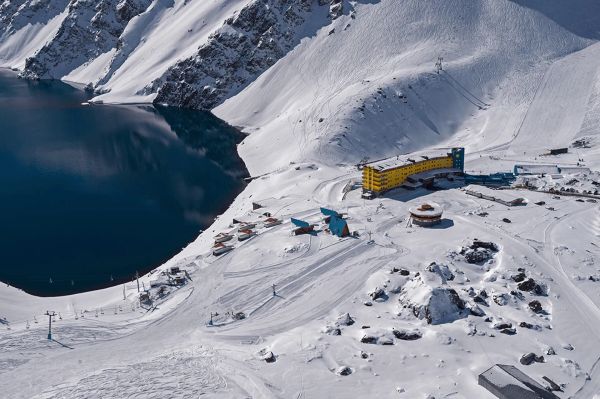
Four Dead After Avalanche Near Ski Portillo in Chile
A large avalanche struck near Laguna del Inca adjacent to Ski Portillo on Saturday afternoon, killing four people and injuring four others. The group were day visitors mountaineering in the backcountry after reportedly being warned about elevated avalanche risk by resort staff.
18 Oct 2026
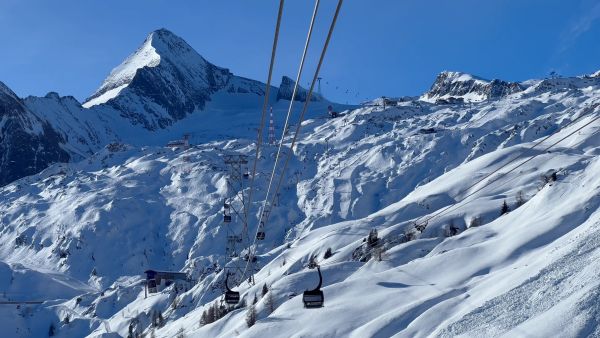
Europe Ski Resorts Open Now: What Is Skiable in Mid-October 2026
Europe’s ski season is open, technically. After a record-warm summer, glaciers in Austria, Switzerland and Italy are running a few pistes apiece, Sölden, Stubai and Kitzsteinhorn started late, Titlis has pushed back to 24 October, and Zermatt reopens a few lifts on 14 October after more than two months shut. Finland’s Levi and Ruka are skiing on stored snow. Here is what is open, and what you actually get at each.
14 Oct 2026
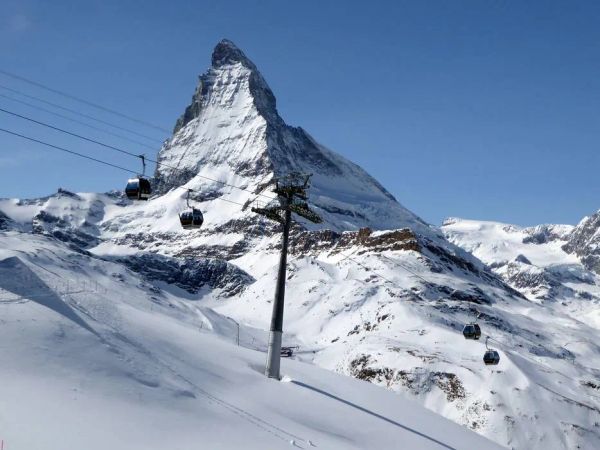
Zermatt Plans World Cup Downhill Return on the Gornergrat for 2028
Zermatt is having another crack at a World Cup downhill, and this time nobody has to cross a border. Around 13 million Swiss francs is going into rebuilding the Gornergrat piste, including a jump fed by a roughly 300-metre in-run across the roof of the Gornergrat Railway gallery, with the Matterhorn lined up behind it for the TV cameras. First men’s race is pencilled in for March 2028, pending FIS homologation.
14 Oct 2026
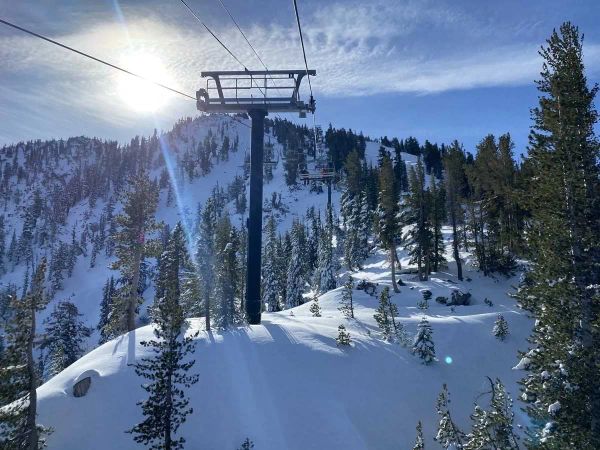
Mt. Rose Begins Snowmaking for the 2026-27 Season at Lake Tahoe
Lake Tahoe’s highest base elevation is paying off early: Mt. Rose has started making snow for 2026-27 after the first flurries and a cold snap. The Nevada resort is backing it with nearly US$2 million in upgrades, including a replacement snowmaking main line, a new PistenBully groomer and restraint bars on every lift. Opening day is yet to be confirmed, though Heavenly and Northstar are already eyeing 20 November.
13 Oct 2026
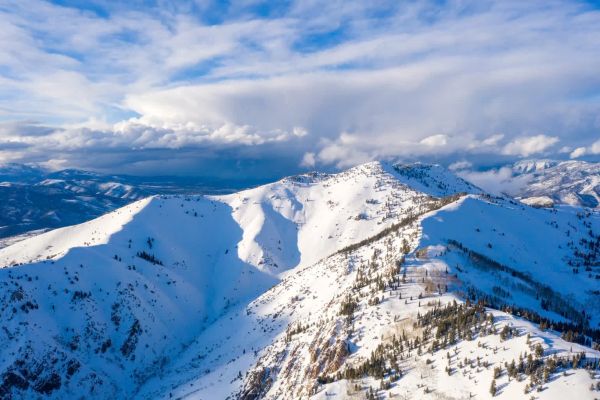
Utah Ski Resorts 2026-27: What’s New at Alta, Deer Valley, Powder Mountain and More
Utah is still building flat out. For 2026-27, Powder Mountain opens a steep new Skytrac chair into more than 1,000 acres of advanced terrain, Deer Valley adds 200 acres on Hail Peak, Sundance gets a new quad and Park City adds a gondola from its new parking structure. Snowmaking is expanding almost everywhere, Eagle Point stays closed after the Cottonwood Fire, and the 2034 Games are setting the pace. Here’s what’s new, resort by resort.
13 Oct 2026
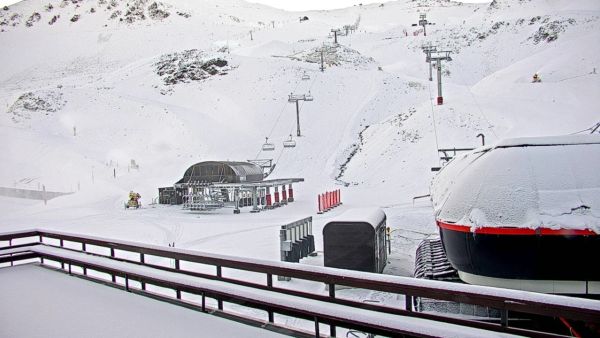
Mt Hutt Invests NZ$12 Million in Base Area, Tripling Its Sun Deck
Mt Hutt is getting busier, and its base lodge is about to catch up. NZ$12 million goes into a heated sun deck roughly three times the current size (430 m² to 1,300 m²), plus a new toilet block, heated steps down to snow level, extra storage and a new food and beverage outlet. Building starts after the 2026 season, with everything due for winter 2027.
11 Oct 2026

Vermont Ski Resort Opening Dates 2026-27: Few Dates Set, Killington Waits on the Cold
Vermont's season is slow to take shape. Stratton is tentatively targeting 18 November and Sugarbush 21 November, while Pico has Friday 11 December on the calendar. Killington never sets a date and opens when the snowmaking allows, and Vail Resorts has yet to name days for Stowe, Okemo and Mount Snow. The forecasts disagree about snow, and the main El Niño worry for the Green Mountains is warmth.
9 Oct 2026
Saddleback Webcams
3 live angles across the mountain. Tap any camera to go full-screen.
About Saddleback's live webcams
Check live conditions across Saddleback with 3 real-time webcams showing snow, weather, and lift operations, updated every 10 minutes. Check high-elevation cams for powder visibility and base-area cams for crowd levels before you head up.
Camera guide
- Saddleback Webcam | Top of the World3,993ft
- Take in breathtaking panoramic views with this Saddleback webcam positioned at the top of the Kennebago Quad. This strategically placed Saddleback web cam offers sweeping vistas of the Rangeley Lakes Region and Western Maine mountains, perfect for checking high elevation conditions before your visit.
- Saddleback Webcam | Rangeley Summit3,602ft
- Monitor conditions at the summit with this Saddleback webcam overlooking the top of Grey Ghost trail. Located at the Rangeley Express Quad's upper station, this Saddleback web cam provides excellent visibility of upper mountain terrain, helping you plan your approach to some of the resort's most popular runs.
- Saddleback Webcam | Lodge2,448ft
- Check out the base area action with this Saddleback webcam offering views of both the Rangeley Express High-Speed Quad and the new Sandy Quad. This Saddleback cams feed helps you assess lift lines and base conditions at Maine's authentic mountain adventure destination.
Saddleback snow cams FAQ
How often do Saddleback snow cams update?
All Saddleback snow cams and webcams update every 10 minutes with fresh images showing current mountain conditions. This frequent update schedule ensures you have access to near real-time conditions for planning your ski day at Saddleback.
Which Saddleback webcam shows the best powder conditions?
The high-elevation Saddleback Webcam | Top of the World webcam at 1,217m provides the clearest view of powder conditions and snowfall. These Saddleback webcams capture fresh snow accumulation and visibility better than base area cameras.
Can I see Saddleback lift queues on the webcams?
Yes. Multiple Saddleback snow cams specifically show lift queue areas and chairlift operations, helping you time your arrival and avoid peak queue periods.
When is the best time to check Saddleback snow cams?
Check Saddleback webcams early morning (7-8am) for overnight snowfall assessment, and mid-afternoon for current crowd levels and weather. The live cams are most useful after storm events to assess fresh powder.
How can I check current conditions before buying Saddleback lift tickets?
Use our Saddleback webcams alongside the live snow report to assess conditions before purchasing lift tickets. The webcams show real-time visibility, snow quality, and operational status.
Do Saddleback webcams work on mobile devices?
Yes. All Saddleback snow cams and webcams are optimized for mobile viewing, so you can check live conditions from anywhere using your phone or tablet.
More Saddleback intelligence: snow report, lift tickets, trail map, resort overview.