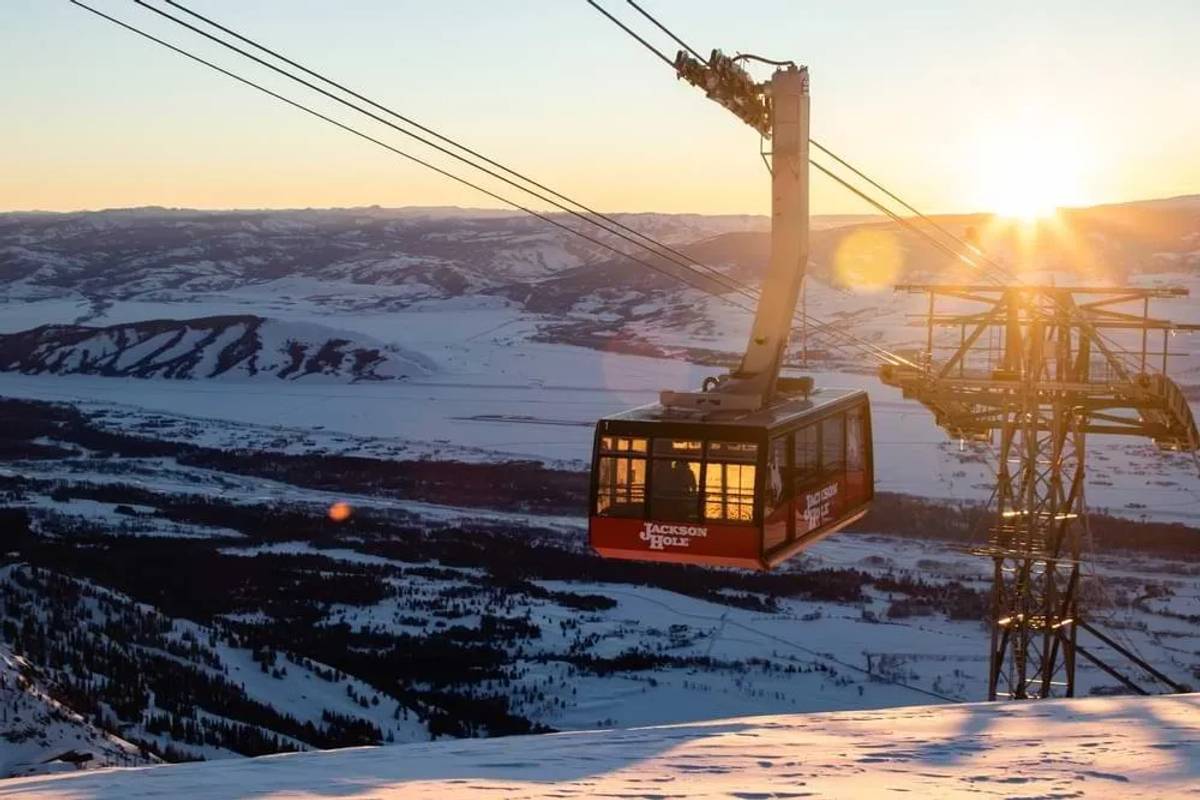
Jackson Hole
133 runs, 4,140ft vertical, 2,500 acres in the Tetons. 42% advanced terrain. Ikon Pass, Teton Village.

Season 2026 - 2027
Opens
27 Nov 2026
Closes
11 Apr 2027
Days open
135
Annual snow
458in
The Overview
Michael Fulton
Melbourne-based skier and snowboarder with 50+ resorts across 5 continents. Specialises in Australian resorts and international resort comparisons.
Jackson Hole's summit reaches 10,450 feet, dropping 4,140 vertical feet to a base at 6,310 feet across 133 runs spread over 2,500 acres in the Teton Range. Terrain splits 42 per cent advanced, 38 per cent intermediate, 16 per cent expert and just 4 per cent beginner, the steepest terrain mix of any major Wyoming resort. Average annual snowfall reaches 458 inches. The resort operates on the Ikon Pass and Mountain Collective, giving members access alongside dozens of partner resorts worldwide.
The 4,140-foot vertical drop ranks among the largest in North America, accessed via the Bridger Gondola and the original aerial tram, rebuilt since its 1966 debut. Corbet's Couloir, one of American skiing's best-known expert lines, drops off the summit ridge into Rendezvous Bowl. With only 4 per cent of terrain rated beginner, the mountain is built around advanced and expert skiing rather than progression terrain. Cody Bowl and the Hobacks add further steep, ungroomed terrain accessed from the tram summit.
The base area sits in Teton Village, a purpose-built village at the mountain's base rather than an existing town, with lodging, dining and shops clustered around the tram and gondola bases. Jackson itself lies 12 miles away, connected by a regular shuttle and Highway 22. The resort's reputation for difficulty and deep snow draws a mix of destination visitors and serious skiers rather than a beginner-focused crowd. Grand Teton National Park sits immediately north of the resort boundary.
Ikon Pass holders get a set number of days at Jackson Hole depending on pass tier, while Mountain Collective members receive two days regardless of tier. Adult day tickets range from 175 to 225 US dollars depending on date, with a five-day flex pass at 799 dollars. The resort suits experienced and advanced skiers seeking steep terrain and deep snow over a beginner-friendly progression mountain. Its position at the base of the Tetons, immediately south of Grand Teton National Park, gives it a mountain-town rather than purpose-resort feel despite the built Teton Village base.
4,140ft
Vertical
133
Runs
2,500 acres
Skiable
458in
Annual snow
Ikon / Mountain Collective
Pass
The Terrain
133 runs across 2,500 acres skiable
Jackson Hole covers 2,500 acres (1,012 hectares) of the Teton Range above Teton Village, and its numbers explain the reputation. The vertical is 4,140 ft (1,262 m), from 6,310 ft (1,923 m) at the base to 10,450 ft (3,185 m) on Rendezvous Mountain. Across 133 runs, 42% are advanced and 16% expert, with 38% intermediate and only 4% beginner, so this is a mountain for strong skiers. Snowfall averages about 458 inches. Uphill access comes from an aerial tram, two gondolas, nine quad chairs, a double chair and a surface lift.
The aerial tram carries up to 100 passengers to the summit in about nine minutes, and from there the choices get serious. Corbet's Couloir is the famous drop-in, Rendezvous Bowl is the wide-open advanced way down, and Laramie Bowl and the Alta Chutes sit beside the Sublette Quad. Below that chair, the Hobacks drop nearly 3,000 ft of ungroomed vertical with no easy bail-out to a groomed run. Tensleep offers a way back towards the centre of the resort. Jackson Hole suits advanced and expert skiers, and good intermediates should choose their days and conditions carefully.
Terrain split
133
runs
133 runs across 4 grades
Beginner5 runs · 4%
Intermediate51 runs · 38%
Advanced56 runs · 42%
Expert21 runs · 16%
Time it right
When to visit Jackson Hole
The 2025-26 season at Jackson Hole ran from 28 November 2025 to 12 April 2026, a roughly nineteen-week season typical for the resort's high elevation. The mountain's summit at 10,450 feet supports a long operating window relative to lower Wyoming ski areas. Early and late-season dates can shift based on snowpack, though Jackson Hole's high base snowfall makes early opening more reliable than at lower-elevation resorts. The season length places it among the longer in the region.
Average annual snowfall of 458 inches makes Jackson Hole one of the snowiest major resorts in the Rockies, a result of its position catching Pacific storms crossing the Snake River Plain before reaching the Teton Range. The mountain's steep, advanced-leaning terrain holds natural snow well given limited grooming on off-piste sectors like Cody Bowl. Base depth builds through midwinter, supporting the terrain that remains ungroomed through the season. Snowmaking plays a secondary role given the resort's naturally high snowfall totals.
January and February typically bring the deepest natural snowpack and the most reliable powder conditions in bowls like Cody and the Hobacks. Holiday periods from Christmas through New Year bring the heaviest crowds and longest tram queues of the season. March offers a balance of strong snow totals and improving weather, extending into the 12 April 2026 close. Early and late-season visits carry more variable conditions given the terrain's advanced-leaning, less-groomed character.
Jackson Hole does not run night skiing on its main mountain, unlike the town's smaller Snow King Mountain nearby. The resort's event calendar includes competitions tied to its expert terrain reputation, though specific festival programming varies by year. Grand Teton National Park's proximity adds wildlife-watching and other winter activities beyond the ski area boundary. The resort's identity centres on steep, deep-snow skiing rather than the groomed-cruiser or festival-driven programming found at some competitors.
Season 2026 - 2027
27 Nov 2026
Opens
11 Apr 2027
Closes
135
Days open
458 in
Annual snow
The record
Historical snowfall at Jackson Hole
Daily snow reports at Jackson Hole go back to 2025, 2 winters on the books. Open the record to compare winters, lifts and piste.
17 in
Snowiest day
12 Feb 2026
0 in
This winter · 2026-27
so far
335 in
Typical winter
average of complete seasons
Winter totals
in
Past wintersThis winter
Getting there
Getting to Jackson Hole, and where to stay
Jackson Hole Mountain Resort sits in Teton Village, Wyoming, in the Teton Range of the Rocky Mountains, immediately south of Grand Teton National Park. Base elevation is 6,310 feet, with the summit reaching 10,450 feet across a 4,140-foot vertical drop. The resort occupies the western edge of the Jackson Hole valley, with the Snake River running through the valley floor below. Teton Village itself was purpose-built around the resort base rather than growing from an existing settlement.
Jackson, Wyoming, lies 12 miles southeast of the resort, the valley's main town with the bulk of area lodging, dining and services beyond Teton Village itself. The town retains a Western character alongside its ski-tourism economy, with a historic town square and elk antler arches as local landmarks. Grand Teton National Park's southern boundary sits just north of the resort, giving the area frequent wildlife including elk, moose and bison. The broader Jackson Hole valley sits at high elevation itself, at roughly 6,200 feet even before reaching the mountains.
Highway 22 and Highway 390 connect Jackson to Teton Village, a straightforward 20-minute drive absent heavy snow or traffic. A regular START bus shuttle runs between Jackson and Teton Village throughout the ski season, reducing the need to drive daily. Winter driving conditions on the valley roads are generally well-maintained given the volume of ski traffic, though mountain passes further from the valley can close in storms. No direct highway crosses the Tetons themselves; Teton Pass to the south links Jackson to Idaho's Teton Valley.
Jackson Hole Airport (JAC) sits 11 miles northeast of Teton Village, inside Grand Teton National Park, the only commercial airport located within a US national park. The airport offers seasonal service to roughly 20 cities during ski season, more than most comparable Wyoming resorts. Idaho Falls Regional Airport offers an alternative roughly two hours away by road, sometimes with lower fares. No rail service reaches Jackson Hole, and the START bus shuttle only covers local valley routes rather than longer regional transfers.
Where to stay
Search all stays →Stays map loads when you scroll here
Hotels and lodges near Jackson Hole, powered by Stay22.
Latest News
From the SnowStash desk
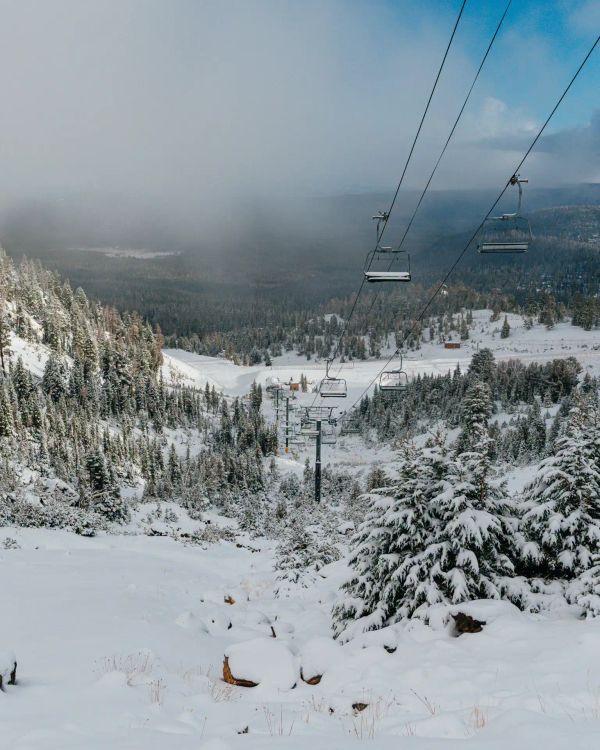
Mammoth Mountain Opens Early on November 5 With Up to 33 Inches of Snow in the Forecast
Mammoth just moved opening day forward to Thursday, November 5, eight days ahead of schedule. A snowy weekend and cold snowmaking nights did the work, and our forecast shows up to 33 inches more landing on November 13 and 14. Here is what opens, what the weather looks like and where Mammoth sits among the early Ikon Pass openers.
3 Nov 2026
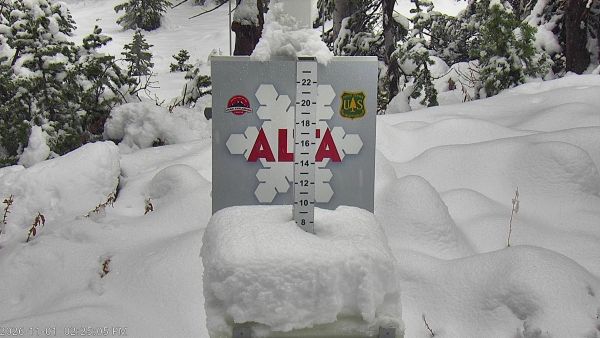
Utah Snow Storm Builds Early-Season Base Ahead of November Openings
Rain down low, snow up high, and a snow report full of zeros that mostly means ‘not updated yet’. Utah’s first proper storm of 2026-27 is rolling through the Wasatch, Snowbird’s snow stake is closing in on 10 inches, and Brian Head is five days from opening day. Early November snow rarely looks like much, but it is the layer every November opening date is built on. Here is where it stands.
1 Nov 2026
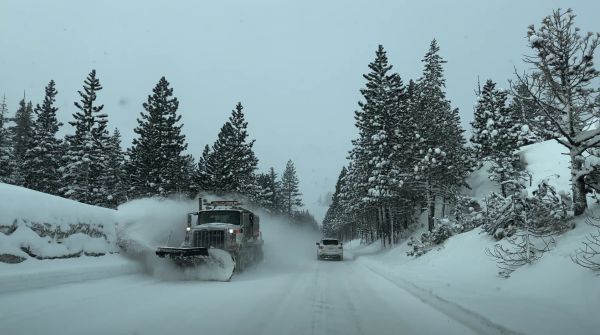
Sierra Nevada Halloween Storm: Dodge Ridge Forecast to Lead With 19 Inches
Halloween weekend brings a wet, windy storm to the Sierra Nevada. Our five-day forecast has Dodge Ridge on top with 19 in, followed by Bear Valley at 15 in and Mammoth Mountain at 12 in, with most of it landing on Saturday. A winter weather advisory covers the Tahoe Basin and Mono County until 7 AM Sunday, gusts could reach 47 mph and the freezing level swings between 4,900 and 8,700 ft, so some bases will see rain. A dry spell follows from Monday.
31 Oct 2026
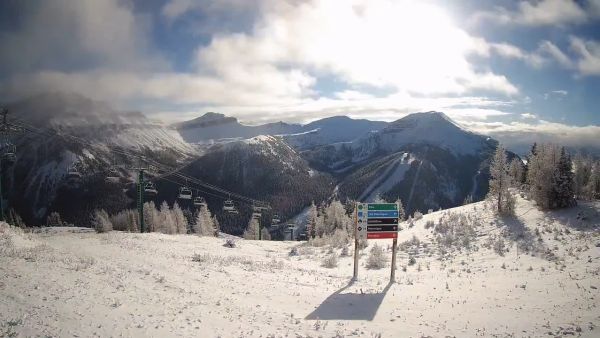
Lake Louise Opens Early on 1 November With Juniper Express and Easy Street
The Rockies get their first lift-served turns of the season early. Lake Louise opens Sunday 1 November, five days ahead of schedule, after a cold October and round-the-clock work from the snowmaking and mountain crews. Terrain is limited to Juniper Express Chair and Easy Street, with two small terrain parks and the beginner area for lessons. Opening-day tickets are over 60% off, with prices rising as more lifts open. First chair is at 9:30 am under the resort’s new lift hours.
31 Oct 2026
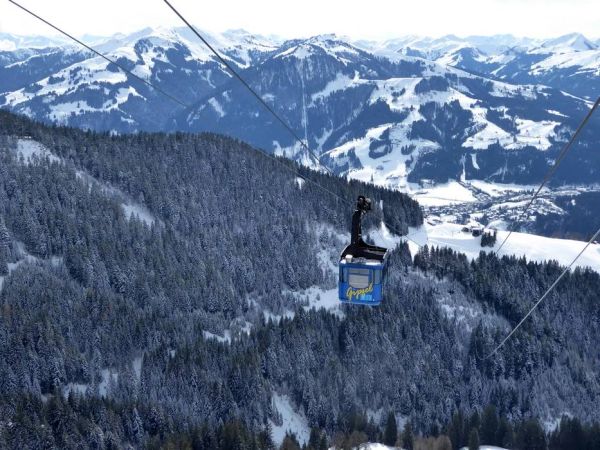
Kitzbüheler Horn Summit Cable Car to Be Replaced After 70 Years
A Tyrolean summit lift that has been carrying guests up the Kitzbüheler Horn since 1955 is on borrowed time. Its licence runs to 2045, but a new inspection rule has made refurbishment uneconomic, so Bergbahn AG Kitzbühel will spend around €15 million on a replacement on the same line. It should hold roughly 100 people and keep running in winds that would stop today’s lift. Building starts in autumn 2027, which makes this winter and next summer the last chances to ride the old one.
30 Oct 2026
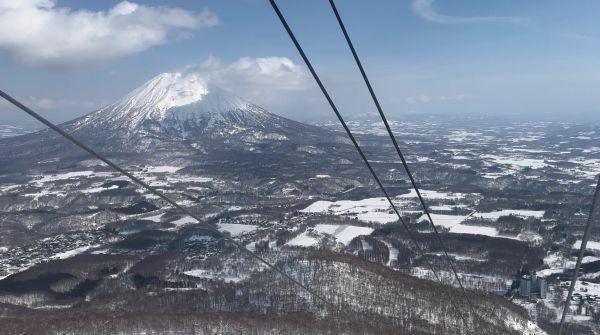
What’s New in Japan Skiing This Winter: Niseko Gondola, a Private Resort and a Bigger Ikon Pass
Niseko Village is replacing a lift from the early 1980s with an eight-person gondola, Tsugaike gets a six-person chairlift, Madarao joins the Ikon Pass and Togari opens Asia’s first private ski resort. Here’s what is actually new in Japan skiing for 2026/27, plus what is still a year or two away.
30 Oct 2026
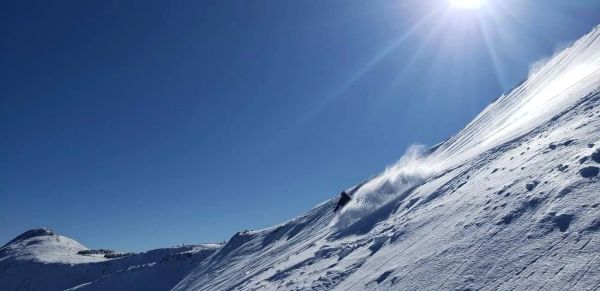
Wolf Creek Opens on Halloween Weekend as Colorado’s Early Season Gathers Pace
Colorado’s early-season dominoes keep falling. Arapahoe Basin opened on Wednesday, Keystone follows on Friday, and now Wolf Creek is joining in on Saturday 31 October, just in time for Halloween. A storm on 23 and 24 October left 20 inches of natural snow in the San Juans, and three lifts will turn from 9:00 am, covering about 30% of the mountain. Expect rocks, unmarked obstacles and open water, but also Local Appreciation lift tickets at $73 for adults.
30 Oct 2026
Keystone Resort Opens for 2026/27 With More Than Two Miles of Skiing
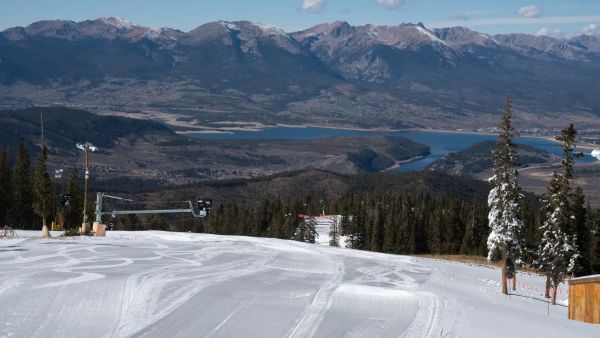
Keystone is next. After Arapahoe Basin claimed the first chairlift skiing of the season on Wednesday, Keystone opens on Friday 30 October at 9:00 am with more than two miles of snowmaking-built terrain on Schoolmarm and Silver Spoon, plus free donuts, coffee and a live DJ. Last year the order was reversed, when Keystone squeezed in a three-hour afternoon session to beat A-Basin by a day. Snowmaking has been running since 15 October.
29 Oct 2026
Jackson Hole Webcams
9 live angles across the mountain. Tap any camera to go full-screen.
About Jackson Hole's live webcams
Check live conditions across Jackson Hole with 9 real-time webcams showing snow, weather, and lift operations, updated every 10 minutes. Check high-elevation cams for powder visibility and base-area cams for crowd levels before you head up.
Camera guide
- Summit Pano Cam10,449ft
- This Jackson Hole web cam provides a breathtaking perspective from the summit Tram station, showcasing the highest viewpoint in the resort. Watch as the iconic Red Tram delivers eager skiers and snowboarders to this spectacular vantage point.
- Rendezvous Lodge9,094ft
- The Jackson Hole web cam at Rendezvous Lodge sits atop the Bridger Gondola, offering an extraordinary view of the resort's central hub where visitors gather to rest and recharge.
- Cody Bowl9,928ft
- Positioned at the summit of Sublette quad chair, this Jackson Hole web cam captures the untamed beauty of Cody Bowl and the surrounding backcountry terrain just beyond the resort boundaries.
- Sublette Base8,284ft
- The Jackson Hole web cam at Sublette Base provides a vital view of this crucial mid-mountain hub, where riders gather before accessing some of the resort's most challenging terrain and legendary powder stashes.
- Thunder Chair Base7,910ft
- Positioned at the base of one of Jackson Hole's classic lifts, this web cam offers a perfect vantage point of the Thunder Chair area, where expert riders access some of the resort's most revered steep runs and gladed terrain.
- Teton Lift Summit9,012ft
- This Jackson Hole web cam showcases the summit of the Teton Lift, offering spectacular views of the surrounding mountain range and providing crucial visibility for those seeking to explore the resort's expanded terrain options.
- Base of Bridger Gondola6,312ft
- One of the essential Jackson Hole web cams, this view captures the bustling base area where the Bridger Gondola begins its ascent, carrying riders toward their mountain adventures.
- Aerial Tram Base6,312ft
- This popular Jackson Hole web cam showcases the legendary Tram in action, capturing the start of skiing's most iconic lift ride as it begins its 4,139-vertical-foot journey.
- Mountain View6,312ft
- A favorite Jackson Hole web cam angle, this sweeping view from the base village reveals the resort's left side, where advanced riders find their ultimate playground among the challenging terrain.
Jackson Hole snow cams FAQ
How often do Jackson Hole snow cams update?
All Jackson Hole snow cams and webcams update every 10 minutes with fresh images showing current mountain conditions. This frequent update schedule ensures you have access to near real-time conditions for planning your ski day at Jackson Hole.
Which Jackson Hole webcam shows the best powder conditions?
The high-elevation Summit Pano Cam webcam at 3,185m provides the clearest view of powder conditions and snowfall. These Jackson Hole webcams capture fresh snow accumulation and visibility better than base area cameras.
Can I see Jackson Hole lift queues on the webcams?
Yes. Multiple Jackson Hole snow cams specifically show lift queue areas and chairlift operations, helping you time your arrival and avoid peak queue periods.
When is the best time to check Jackson Hole snow cams?
Check Jackson Hole webcams early morning (7-8am) for overnight snowfall assessment, and mid-afternoon for current crowd levels and weather. The live cams are most useful after storm events to assess fresh powder.
How can I check current conditions before buying Jackson Hole lift tickets?
Use our Jackson Hole webcams alongside the live snow report to assess conditions before purchasing lift tickets. The webcams show real-time visibility, snow quality, and operational status.
Do Jackson Hole webcams work on mobile devices?
Yes. All Jackson Hole snow cams and webcams are optimized for mobile viewing, so you can check live conditions from anywhere using your phone or tablet.
More Jackson Hole intelligence: snow report, lift tickets, trail map, resort overview.