
The Overview
Michael Fulton
Melbourne-based skier and snowboarder with 50+ resorts across 5 continents. Specialises in Australian resorts and international resort comparisons.
Marmot Basin's summit reaches 2,612 metres, dropping 914 vertical metres to a base at 1,698 metres across 91 runs spread over roughly 696 hectares within Jasper National Park, Alberta. Terrain splits 30 per cent each for beginner and intermediate, 20 per cent each for advanced and expert, with average annual snowfall of roughly 4.5 metres. The resort carries Indy and Mountain Collective affiliation. Seven lifts, including four quad chairs, one double chair and one triple chair, serve the mountain alongside one surface lift.
Marmot Basin holds a genuinely distinctive place among Canadian Rockies resorts as Jasper National Park's sole ski area, sitting among the highest base elevations of any resort in Canada. This considerable elevation, combined with comparatively light crowds relative to the busier Banff-area resorts, has built Marmot's reputation as an uncrowded, high-alpine alternative within the Rockies.
Joe Weiss first guided cross-country skiers into Marmot Basin via Whistlers Creek in the 1920s, and the first trail was blazed from the Athabasca Valley the following decade. The British Army used the basin for alpine training manoeuvres in 1942, before operator Toby Rayner built the first tow rope in 1961 out of spare parts salvaged from an old British Army truck.
Marmot Basin Ski-Lifts Ltd officially launched operations in Jasper National Park in 1964. The ski area remains owned and operated today by Rocky Mountain Skiing Incorporated, on land leased from the federal government of Canada. Adult daily tickets run at a flat 149 Canadian dollars.
914m
Vertical
91
Runs
1,720 acres
Skiable
5m
Annual snow
Indy / Mountain Collective
Pass
The Terrain
91 runs across 1,720 acres skiable
Marmot Basin in Jasper National Park is a compact, well-balanced mountain with 91 runs across about 696 hectares. It drops 914 metres from the 2,612-metre summit to a base at 1,698 metres, and the grading is unusually even: 30% beginner, 30% intermediate, 20% advanced and 20% expert. With about 4.5 metres of snowfall a year it is not the deepest of the Rockies resorts, but the layout is easy to read and the steeper terrain is a larger share than most skiers expect. Families can ski together here without anyone getting bored or out of their depth.
The Knob Chair reaches the highest terrain, with Charlie's Bowl, Party Slope and several steep chutes. The Paradise Chair covers black runs that are best on powder days, while Eagle Ridge opens the Chalet Slope trees and leads across to Eagle East, a small pocket of double black runs with rocky features and tight trees. Caribou Ridge adds bumps and natural hits for freeriders. Beginners have their own gentle slopes below. Marmot suits families, progressing intermediates and advanced skiers wanting steep, uncrowded lines, and its mix is hard to match among Alberta's mid-size mountains.
Terrain split
91
runs
91 runs across 4 grades
Beginner27 runs · 30%
Intermediate27 runs · 30%
Advanced18 runs · 20%
Expert18 runs · 20%
Time it right
When to visit Marmot Basin
The 2025-26 season at Marmot Basin ran from 21 November 2025 to 5 April 2026, a roughly nineteen-week season supported by average annual snowfall of around 4.5 metres at the resort's considerable elevation. Season dates can shift depending on early and late-season weather in Jasper National Park.
Midwinter, from December through February, typically brings the most consistent conditions to Marmot's evenly balanced terrain. As an Indy and Mountain Collective resort, Marmot draws pass-holding visitors alongside travellers seeking Jasper National Park's comparatively uncrowded alpine scenery relative to the busier Banff corridor.
Marmot's considerable elevation and family-friendly terrain mix continue to support strong visitation throughout the season from across Alberta and beyond. School holiday periods bring family visitation given the resort's evenly split terrain across all ability levels.
Specific event programming beyond standard operations is not confirmed in available resort information. Marmot Basin continues to build on more than six decades of history since its 1964 founding as Marmot Basin Ski-Lifts Ltd, itself following decades of informal skiing dating to Joe Weiss's 1920s guided tours. The resort's high elevation and Jasper National Park setting remain central to its enduring appeal.
Season 2026 - 2027
25 Nov 2026
Opens
2 May 2027
Closes
158
Days open
5 m
Annual snow
Getting there
Getting to Marmot Basin, and where to stay
Marmot Basin sits within Jasper National Park, Alberta, with a base elevation of 1,698 metres and a summit at 2,612 metres across a 914-metre vertical drop over roughly 696 hectares. This considerable base elevation places Marmot among the highest-base ski areas in Canada.
The town of Jasper, a genuine national park community, offers extensive lodging, dining and services within a short drive of the resort, providing a considerably quieter alternative to the busier Banff townsite further south.
Alberta Highway 93A and the Icefields Parkway provide direct access to the resort from Jasper. Winter driving conditions on these routes can include snow and ice, and the resort's location within a remote national park means travellers should carry appropriate equipment.
Edmonton International Airport, roughly a four-hour drive away, is the primary gateway for visitors flying into the region, with Jasper's considerable distance from major population centres drawing a genuinely dedicated visitor base seeking a quieter Rockies experience.
Where to stay
Search all stays →Hotels and lodges near Marmot Basin, powered by Stay22.
Latest News
From the SnowStash desk

Vermont Ski Resort Opening Dates 2026-27: Few Dates Set, Killington Waits on the Cold
Vermont's season is slow to take shape. Stratton is tentatively targeting 18 November and Sugarbush 21 November, while Pico has Friday 11 December on the calendar. Killington never sets a date and opens when the snowmaking allows, and Vail Resorts has yet to name days for Stowe, Okemo and Mount Snow. The forecasts disagree about snow, and the main El Niño worry for the Green Mountains is warmth.
9 Oct 2026
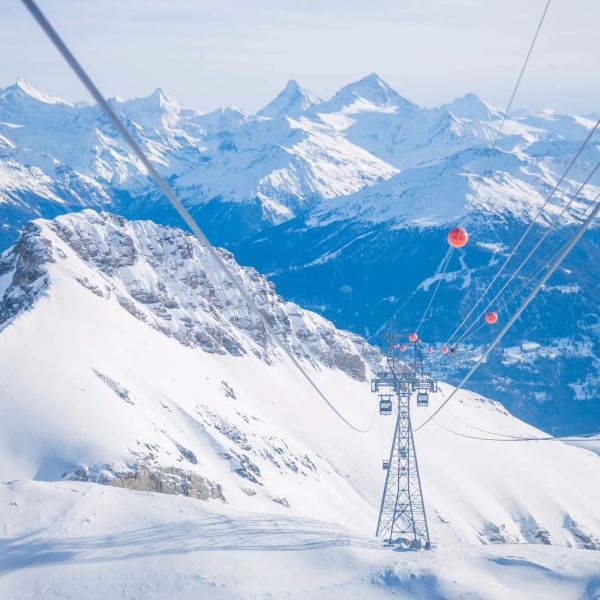
Crans-Montana 2027 World Championships President Resigns Ahead of Fraud Hearing
Less than four months out from the Crans-Montana 2027 World Championships, the man running the organising committee has stepped down. Claude-Alain Schmidhalter resigned as Swiss-Ski vice president and OC president after being indicted over a business dispute unrelated to skiing. He denies the allegations and faces court on October 27. Interim leaders are in place for the February 1-14 event.
9 Oct 2026
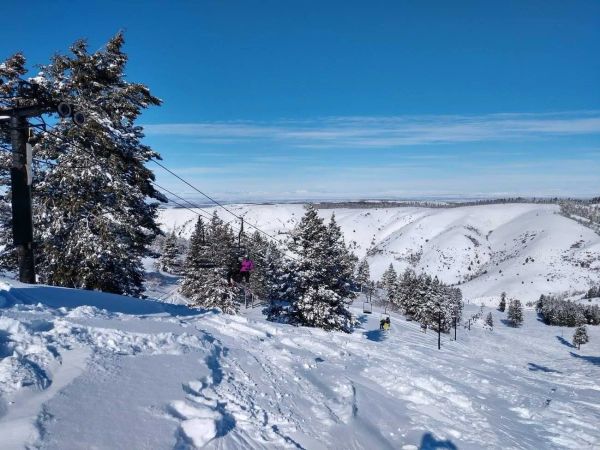
Kelly Canyon, Idaho, Adds Snowmaking, a Bigger Terrain Park and More Parking for 2026-27
Kelly Canyon had a rough 2025-26, and the Idaho resort has spent the summer making sure it doesn’t repeat. Snowmaking now reaches the top of Goldrush, the terrain park is doubling in size with a stereo system, lights and a snack shack, and the car park is getting bigger. Grooming is stepping up too. Target opening is December 4, conditions permitting.
9 Oct 2026
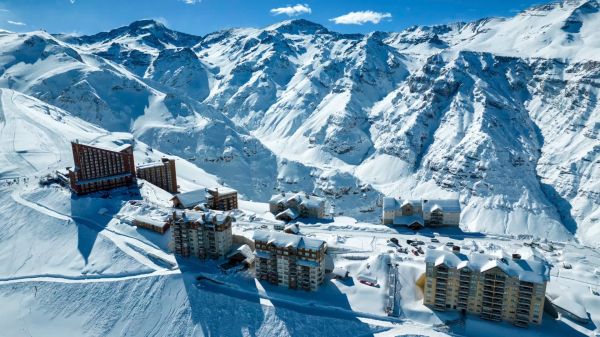
Valle Nevado Extends Season to November 8 After 108 cm in 48 Hours
Winter was meant to be winding down in Chile. Then Valle Nevado took 108 cm in 48 hours in early October, and the resort has pushed its closing date out to November 8 - its latest in 38 years of operation. That makes 143 days of skiing since opening day on June 19, with 690 cm banked for the season. Only part of the mountain is running while the storm settles, so check the mountain report before you plan a trip.
9 Oct 2026
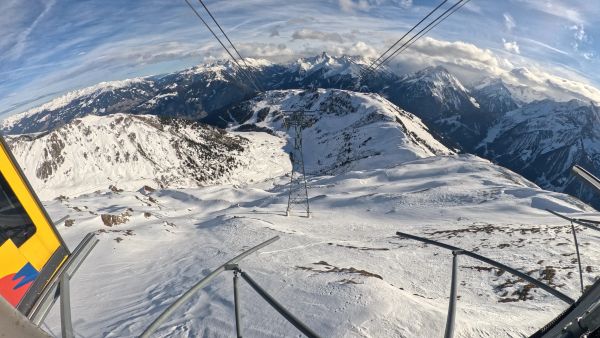
Alps Snow Forecast: Cold Front Brings Thursday Snow to the High Alps
The Alps look a lot more like winter today, for a day or so. A cold front is moving west to east, dropping up to 35 cm on high glaciers and peaks, with snow levels falling to around 1,500-1,800 m at times. Don’t plan a trip around it: mid-elevation snow will be thin and wet, every area is closed bar a limited Sölden glacier opening tomorrow, and warmer weather returns by Monday.
8 Oct 2026
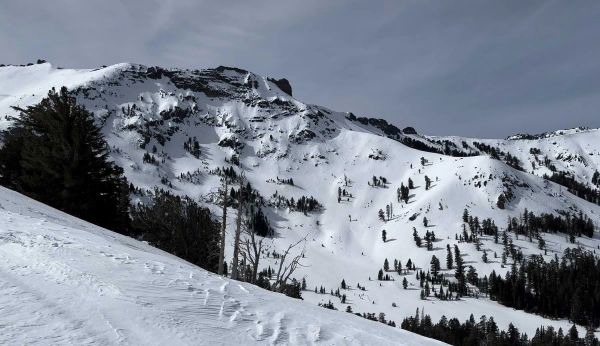
California Ski Resort Opening Dates 2026-27: Mammoth Leads, Tahoe Follows
Mammoth Mountain is first up in California, targeting Friday 13 November after a dusting of September snow. Heavenly and Northstar follow on 20 November, Palisades Tahoe on Wednesday 25 November and Sugar Bowl on 27 November, with Kirkwood on 4 December and June Mountain on 19 December. Plenty of smaller areas have no date yet. A super El Niño favours the Sierra, but a warmer storm track is the catch.
7 Oct 2026
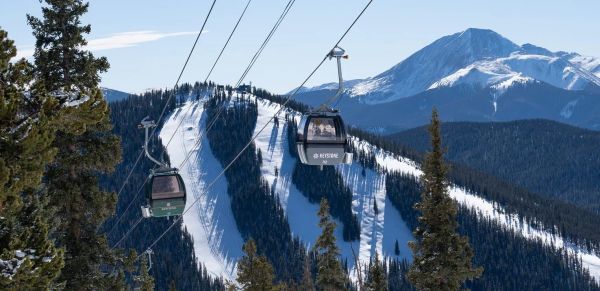
Colorado Ski Resort Opening Dates 2026-27: A-Basin and Keystone Race to Be First
Arapahoe Basin, Keystone and Winter Park are all chasing an October start, though none has a firm date yet. The first dated openers are Breckenridge and Copper on Friday 6 November, then Vail on 13 November, with most of the rest bunched around US Thanksgiving. Hesperus did not open at all last season. A super El Niño offers hope but no guarantee, and forecasters say the southern mountains have the better odds.
5 Oct 2026
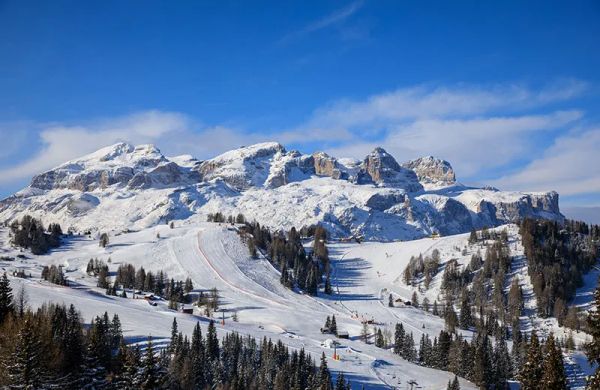
Dolomiti Superski 2026-27: Four New Gondolas, New Reservoirs and an €89 Peak Day Pass
Dolomiti Superski is spending around €100 million across its 12 areas before winter. Kronplatz gets a new 10-passenger gondola with a middle station, 3 Zinnen gets Helmissimo, and Val di Fassa swaps a chairlift for a gondola above Col Valvacin. New water-storage basins and upgraded snowmaking follow, and construction has started on the San Martino to Passo Rolle link. A peak adult day pass is €89.
4 Oct 2026
Marmot Basin Lift System
Marmot Basin runs seven lifts: one double chair, four quad chairs and one triple chair, serving 91 runs across roughly 696 hectares within Jasper National Park, alongside one surface lift. This network traces back to the resort's first tow rope, built in 1961 from spare parts salvaged from an old British Army truck.
That improvised early lift gave way to considerably more substantial infrastructure following Marmot Basin Ski-Lifts Ltd's official 1964 launch, with quad and triple chairs installed across subsequent decades of operation by Rocky Mountain Skiing Incorporated.
The four quad chairs now distribute skiers evenly across Marmot's balanced terrain mix, split evenly between beginner, intermediate, advanced and expert sections, while the double chair and triple chair provide additional capacity across the mountain's varied elevation.
Under ongoing operation by Rocky Mountain Skiing Incorporated on land leased from the federal government, continued investment has supported this seven-lift network. Specific recent individual lift replacement projects are not confirmed in available resort information. Marmot's well-balanced lift network remains suited to its identity as Jasper National Park's sole, high-elevation ski destination.
7lifts across 4 types
4
Quad Chairs
1
Triple Chair
1
Double Chair
1
Surface Lift
Marmot Basin lift system
Marmot Basin is served by 7 lifts, listed here by type. Check which lifts are turning against the live conditions before you plan your first laps - early lifts and high-speed chairs get you to the best snow fastest.
More Marmot Basin intelligence: trail map, snow report, webcams, resort overview.