The Overview
Michael Fulton
Melbourne-based skier and snowboarder with 50+ resorts across 5 continents. Specialises in Australian resorts and international resort comparisons.
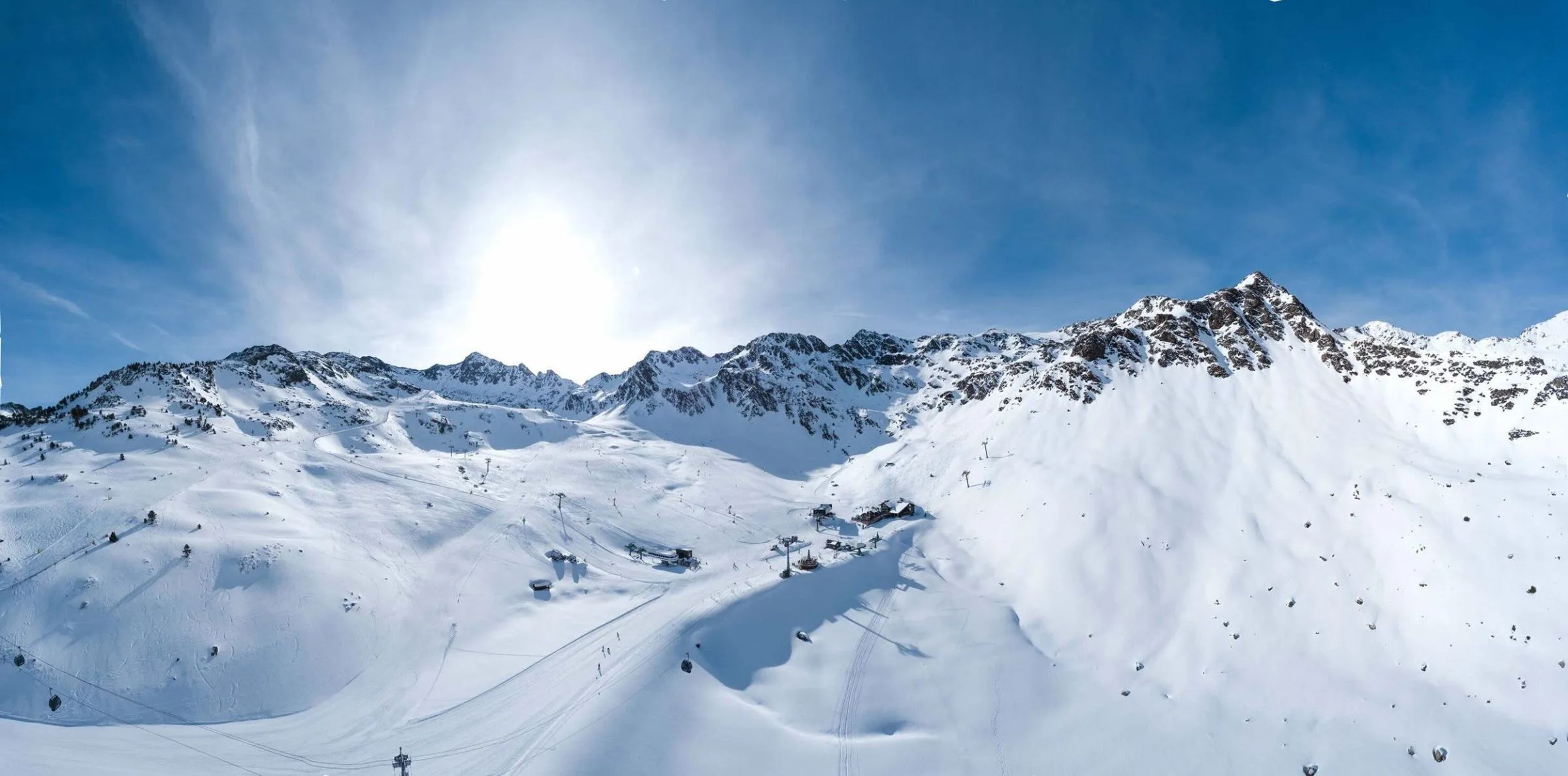
Ordino Arcalís occupies a remote position at the end of the Ordino valley in Andorra's northern parish, sitting entirely above 1,940m and topping out at 2,625m across 442 hectares of skiable domain. While the resort's 31 pisted kilometres across 29 runs make it the smallest on-piste ski area in Andorra, that figure tells a fraction of the story — Ordino Arcalís hosts 450 hectares of skiable terrain in total, with 21 freeride zones, 120 mapped off-piste routes across three difficulty categories, and 4 kilometres of marked freeride itineraries that have drawn elite riders to the Pyrenees for over a decade. The pisted terrain itself covers a practical spread of 31% beginner, 24% intermediate, 39% advanced, and 6% expert, anchored by the 8-kilometre Mega Verde green run — the longest beginner descent in Andorra — which winds from the summit area all the way to the base.
Since joining the Freeride World Tour calendar in 2015, Ordino Arcalís has become one of the most technical stops on the global circuit Grandvalira, and in February 2026 the resort hosted the first-ever FIS Freeride World Championships — the inaugural event to crown official FIS World Champions in freeride across ski and snowboard disciplines. The valley of Ordino itself was declared a UNESCO Biosphere Reserve in 2020, giving the resort a natural setting of genuine ecological significance. At 2,701m, the Tristaina Solar Viewpoint — a suspended 25-metre ring structure perched on Pic de Peyreguils just metres from the French border — has become one of the resort's signature landmarks, accessible in winter by snowshoe or ski touring.
685m
Vertical
29
Runs
31 km
Piste
6m
Annual snow
Nord Pass
Pass
The Terrain
29 runs across 31 km of piste
Ordino Arcalís spreads 29 runs across 31 km of piste of terrain. It leans advanced at 39%, with 9 beginner runs to find your feet and 13 advanced or expert runs when you want to push.
Terrain split
29
runs
29 runs across 4 grades
Beginner9 runs · 31%
Intermediate7 runs · 24%
Advanced11 runs · 39%
Expert2 runs · 6%
Time it right
When to visit Ordino Arcalís
Ordino Arcalís typically runs the longest season of any resort in Andorra, with the 2025/26 season opening 29 November 2025 and closing 12 April 2026 — a week beyond the closing dates of both Grandvalira and Pal Arinsal. The resort's average annual snowfall of 5.84m is the highest of Andorra's three ski areas, a product of its north-facing orientation and position deep within the Ordino valley, which channels Atlantic moisture systems and shields slopes from the warming effects of direct southerly sun. Current season snowpack sits at 350cm at the mountain base, with 43cm recorded in the past seven days — conditions that reflect why advanced and freeride skiers specifically target Ordino Arcalís for the quality and longevity of its snow.
January and February produce the most consistent powder conditions, with the high-altitude freeride terrain above 2,400m holding cold, dry snow through extended periods. The resort's March and early April conditions are particularly well regarded among those chasing late-season depth — the north-facing aspects preserve quality snowpack well beyond what comparable south-facing Pyrenean terrain can sustain. The season's extended closing date also aligns with the resort's ski mountaineering and snowshoe circuits, which remain accessible across the higher terrain into early spring, giving the more adventurous visitor compelling reasons to plan a late-season trip.
Season 2026 - 2027
28 Nov 2026
Opens
4 Apr 2027
Closes
127
Days open
6 m
Annual snow
Getting there
Getting to Ordino Arcalís, and where to stay
Ordino Arcalís sits at the upper end of the Riu Valira d'Ordino valley in the northern Ordino parish, approximately 25 kilometres from Andorra la Vella via the CG-3 and CG-30 roads. Unlike Grandvalira and Pal Arinsal, the resort has no on-mountain accommodation — the nearest lodging is in the village of El Serrat, five minutes by car, with the town of Ordino offering a broader range of hotels approximately 15 minutes from the base. This separation from resort infrastructure is by design as much as geography; Ordino Arcalís functions as a day-trip destination, and its car parks accommodate up to 1,500 vehicles free of charge at the slope-side base area. The UNESCO Biosphere Reserve designation of the Ordino valley places the resort within a protected natural landscape of genuine ecological value, adding a dimension to a visit that most ski destinations cannot offer.
The two primary international gateways are Barcelona El Prat Airport in Spain, approximately three hours south, and Toulouse-Blagnac Airport in France, around two to three hours north. Both airports are served by private transfer and coach services into Andorra, with most visitors collecting a hire car in Barcelona or Toulouse for the road journey, which is recommended given the resort's valley-end location and limited public transport frequency. Visitors based in Andorra la Vella can reach the resort in under 30 minutes by car, and the capital's full range of accommodation, the Caldea thermal spa, and duty-free retail all sit within easy reach for evenings after the lifts close.
Where to stay
Search all stays →Hotels and lodges near Ordino Arcalís, powered by Stay22.
Latest News
From the SnowStash desk
Colorado Ski Resort Opening Dates 2026-27: A-Basin and Keystone Race to Be First
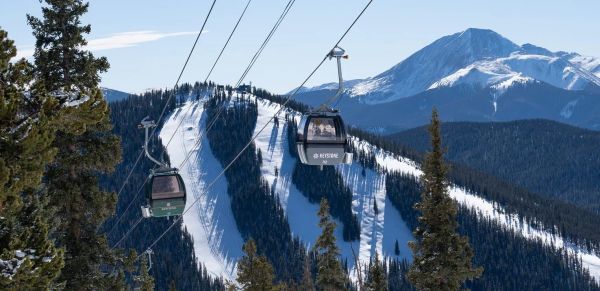
Arapahoe Basin, Keystone and Winter Park are all chasing an October start, though none has a firm date yet. The first dated openers are Breckenridge and Copper on Friday 6 November, then Vail on 13 November, with most of the rest bunched around US Thanksgiving. Hesperus did not open at all last season. A super El Niño offers hope but no guarantee, and forecasters say the southern mountains have the better odds.
5 Oct 2026
Dolomiti Superski 2026-27: Four New Gondolas, New Reservoirs and an €89 Peak Day Pass
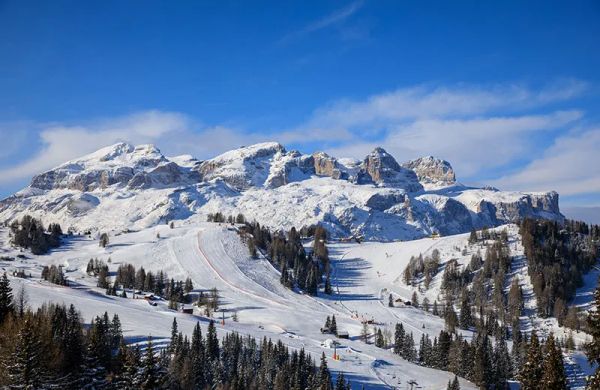
Dolomiti Superski is spending around €100 million across its 12 areas before winter. Kronplatz gets a new 10-passenger gondola with a middle station, 3 Zinnen gets Helmissimo, and Val di Fassa swaps a chairlift for a gondola above Col Valvacin. New water-storage basins and upgraded snowmaking follow, and construction has started on the San Martino to Passo Rolle link. A peak adult day pass is €89.
4 Oct 2026
Utah Ski Resort Opening Dates 2026-27: Brian Head First, Eagle Point Out
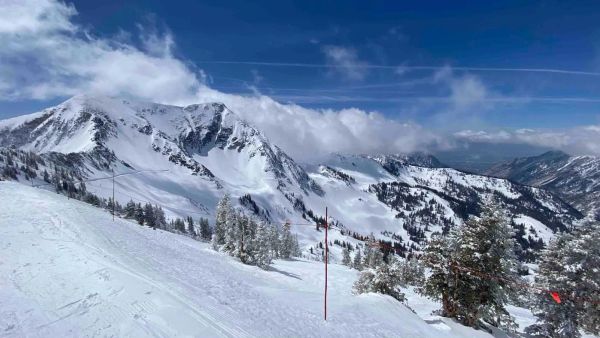
Brian Head is targeting 6 November, though last year it aimed for 7 November and did not open until the 25th. Park City, Alta and Solitude are pencilled in for 20 November, Snowbird and Snowbasin for 27 November, and Deer Valley for 5 December. Eagle Point will stay closed after the Cottonwood Fire. A super El Niño is forecast, but the big snow is not expected until January.
4 Oct 2026
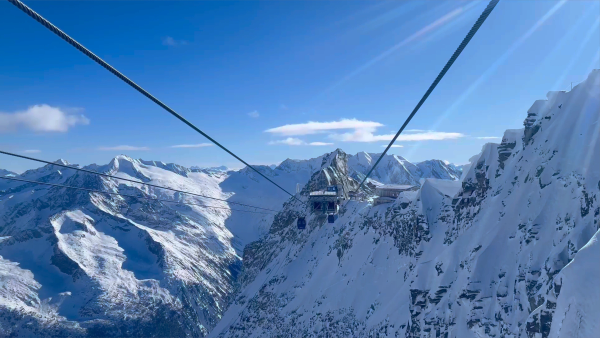
Hintertux Glacier Opens for 2026-27 With 12 Kilometres of Piste
Hintertux became Austria's second glacier to open for 2026-27 on Friday 2 October, after the Pitztal Glacier. Twelve kilometres of piste are running around the Olperer and Gefrorene Wand, served by one gondola and two drag lifts, with the Betterpark also open. Lifts officially run 8:15 am to 4:30 pm, but skiing stops at 2 pm for now.
4 Oct 2026
Vail Resorts Counts the Cost of a Thin Winter as Pass Sales Slide Further
A historically poor western winter cut Vail Resorts' annual net income from $280 million to $147.5 million and skier visits by 13.4 per cent. Now 2026-27 pass units are down 12 per cent as of 18 September, worse than the 10 per cent flagged in spring. Vail blames the weather and thinks some buyers are simply waiting, and it forecasts a rebound if the snow behaves.
3 Oct 2026
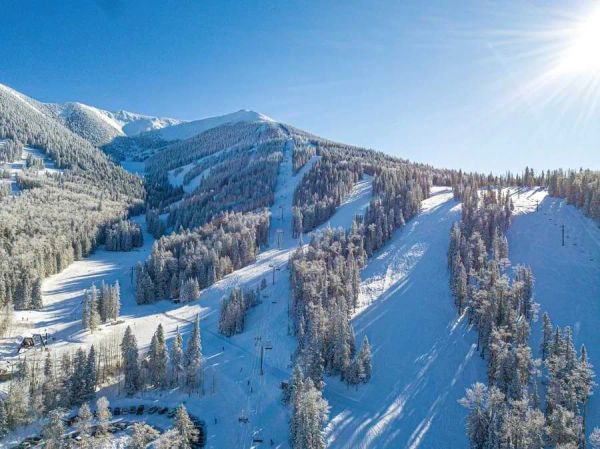
Arizona Snowbowl's $1 Lift Tickets Are Hard to Find, but $9 Days Are Not
Arizona Snowbowl advertised eight $1 lift ticket days this winter. Go looking and only three are showing - 10 March, 1 April and 10 April - so the rest may already have gone. The consolation is a calendar full of $9 days, including all but one day in April. Opening day is 20 November, weather permitting, and opening weekend is $19.
2 Oct 2026
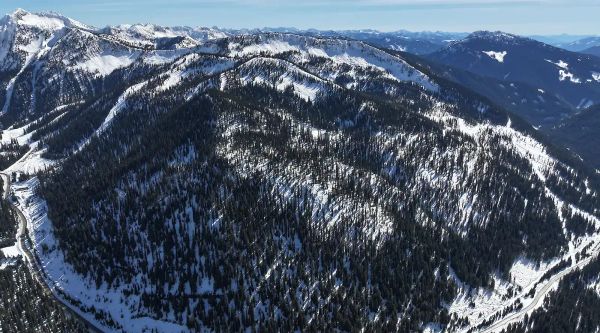
Whitewater Brings Its Short Side Inbounds, With Six New Runs for 2026-27
For years, Whitewater's Short Side was where you ducked a rope and hoped for the best: unmapped, ungroomed and unpatrolled. This winter it's inbounds. Six new runs of glades and fall-line skiing add 190 acres (about 77 hectares), taking the resort past 1,400 acres in total. F2 Logging spent a month in the trees to make it happen, and opening day is pencilled in for 4 December. Bonanza now needs less snow to groom, too.
1 Oct 2026
September Dusting Hits Mammoth Mountain Six Weeks Before Opening Day
Mammoth got its first snow of 2026-27 on Monday 28 September - and promptly lost it by Tuesday morning. Barely an inch fell at McCoy Station, but with opening day pencilled in for Friday 13 November, it's the first sign the Sierra is waking up. Last year's date slipped from 14 November to 20 November, so nobody's booking flights on a dusting just yet. Here's where California's early openers stand.
1 Oct 2026
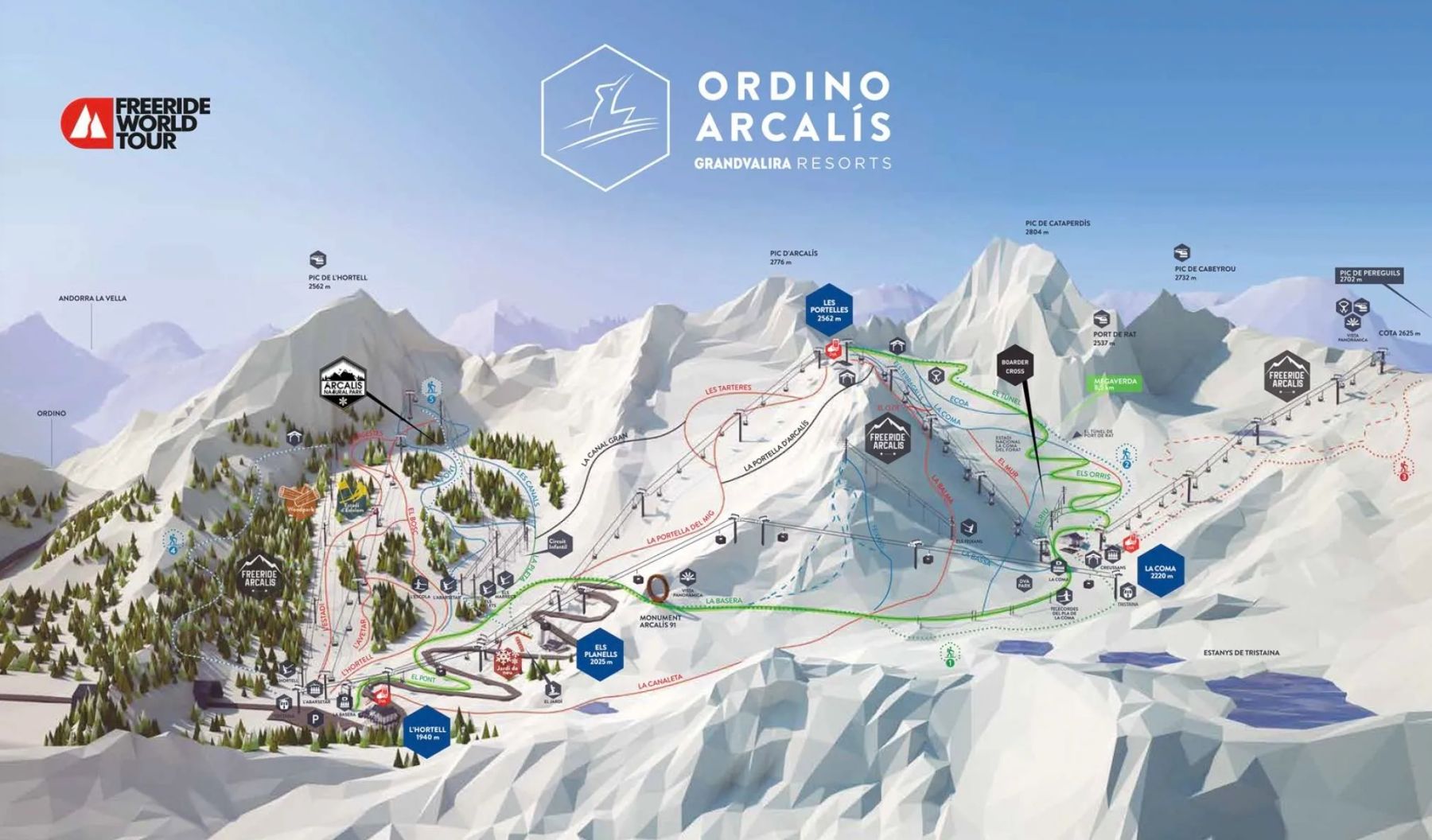
Ordino Arcalís Ski Trails
Live Ordino Arcalís trail map
Loading trail map...
Downloadable Ordino Arcalís trail map
Terrain split
29
runs
Beginner31%
Intermediate24%
Advanced39%
Expert6%
31 km of piste
Resort Stats
Elevation
Base1940m
Summit2625m
Annual snowfall
6m
Season
2026 - 2027
28 Nov 2026 - 4 Apr 2027
Trail coverage
29 runs
31 km
Ordino Arcalís ski trails
Ordino Arcalís offers 29 runs across a mix of difficulties. The terrain split and trail map here show how the mountain breaks down so you can plan a day that suits your group.
- • Match runs to your ability - the terrain split shows how much of Ordino Arcalís is beginner, intermediate and advanced.
- • Check grooming and open-run status against the live conditions before committing to the upper mountain.
- • Early season and after fresh snow, favour the lifts serving your preferred grade to make the most of the day.
More Ordino Arcalís intelligence: trail map, lift system, resort overview.