Stubai
Ski Stubai Glacier: 1,515m vertical, 65km of runs, October-May season. Austria's biggest glacier area, 45 mins from Innsbruck.

Season 2026 - 2027
Opens
9 Oct 2026
Closes
17 May 2027
Days open
220
Annual snow
5.9m
The Overview
Michael Fulton
Melbourne-based skier and snowboarder with 50+ resorts across 5 continents. Specialises in Australian resorts and international resort comparisons.
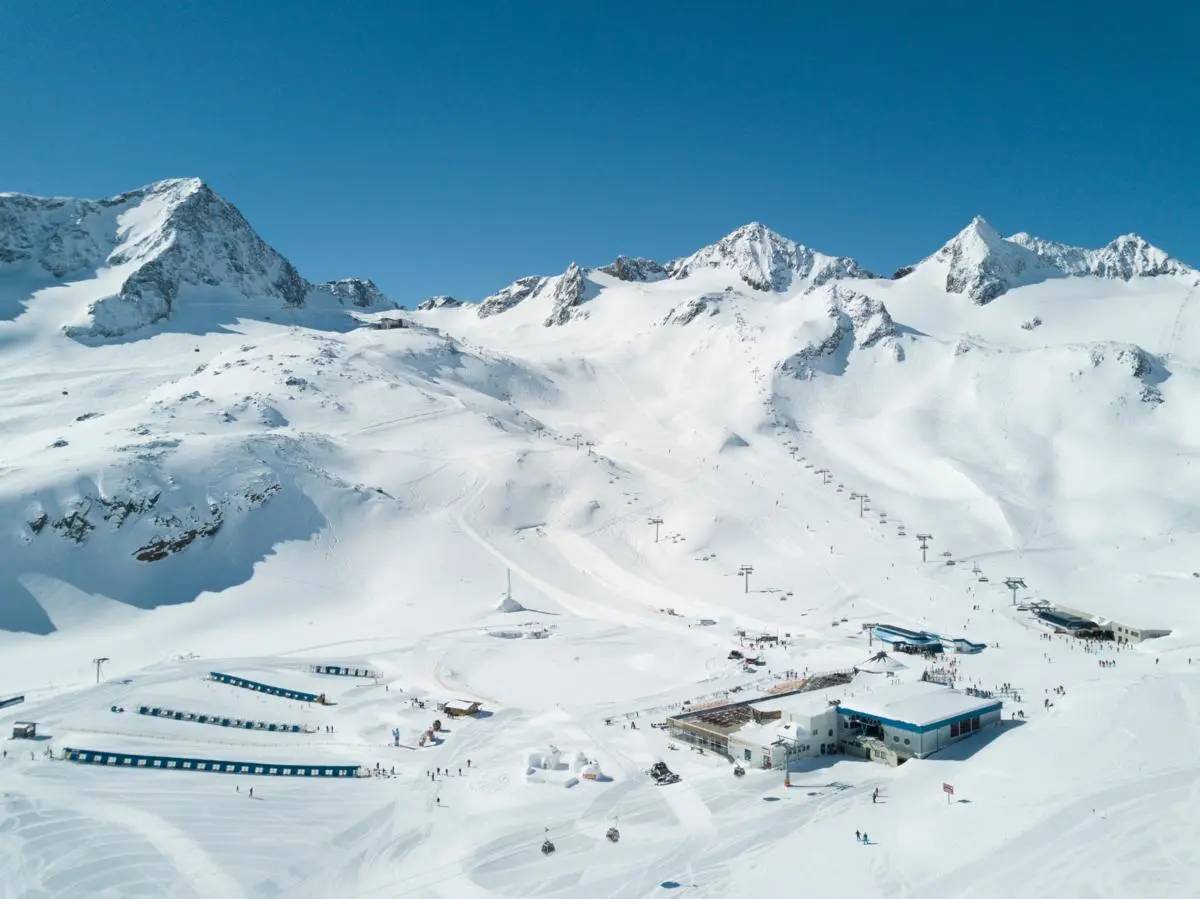
Austria's largest glacier ski area spans 1,450 hectares across five glaciers between 1,697 metres and 3,210 metres, delivering 1,515 metres of vertical drop. The terrain includes 36 runs totalling approximately 65 kilometres of groomed pistes, with a further 40 kilometres of ski routes for off-piste exploration. The glacier's high-altitude position northeast of the Stubaier Wildspitze (3,341m) ensures natural snow coverage from October through May, with the resort recording an average of 6-9 metres of snowfall each winter season.
Terrain splits across difficulty levels with roughly 33% suited to beginners, 22% intermediate and 45% advanced, including dedicated ski routes in the Powder Department freeride zones. The signature Wilde Grub'n descent runs 10 kilometres from the Wildspitz mountain station at 3,210 metres down to the valley station at 1,750 metres - Austria's longest continuous glacier run. The Daunjoch chairlift accesses a demanding black run exceeding 3 kilometres, whilst the Gamsgarten sector offers dedicated beginner zones with magic carpets and practice lifts.
The Eisgrat mountain station at 2,900 metres houses the Marktrestaurant, Cafe Bar Zum Steinbock and an Intersport outlet, whilst the Jochdohle restaurant sits at 3,150 metres near the Gaiskarferner draglift. The Top of Tyrol viewing platform at 3,210 metres offers 360-degree panoramas across 109 three-thousand-metre peaks extending to the Dolomites. Lift queues remain notably short even during peak periods, with uncrowded off-piste terrain accessible throughout the season.
Multi-day passes of four days or more operate as the Stubai Ski Pass, valid across Schlick 2000, Serles and the Elfer sledding area at Neustift. The resort also participates in the Tirol Snow Card and the Innsbruck SKI plus CITY Pass covering 13 regional ski areas. Children under 10 ski free when accompanied by a paying parent, making Stubai a practical choice for families seeking extended glacier seasons with minimal crowds.
1515m
Vertical
22
Runs
68 km
Piste
5.9m
Annual snow
The Terrain
22 runs across 68 km of piste
Stubai Glacier is small but steep, with 22 runs and 68 kilometres of piste dropping 1,515 metres from 3,212 metres to the base at 1,697 metres. The difficulty mix is unusually demanding for a glacier: 35% advanced and 11% expert, against 32% beginner and 22% intermediate. From Mutterberg, the Eisgratbahn gives quick access to the high sectors and the Gamsgartenbahn serves the gentler slopes, which makes Gamsgarten the practical base for families and lessons, while the Eisgrat side suits skiers who want to reach the upper glacier quickly.
Advanced skiers head towards Schaufeljoch and the more exposed upper glacier, and the Daunjoch triple chair, restricted to advanced skiers, serves the hardest terrain, including a black run of more than three kilometres. The Wilde Grub'n is a 10-kilometre descent billed as the longest glacier run in the Alps, and the Daunferner sector has steep couloirs for freeriders. Powder Department routes are marked on a separate map, with freeride checkpoints at Eisgrat and Gamsgarten, but unsecured terrain should only be entered with the right equipment and knowledge.
Terrain split
22
runs
22 runs across 4 grades
Beginner7 runs · 32%
Intermediate5 runs · 22%
Advanced8 runs · 35%
Expert2 runs · 11%
Time it right
When to visit Stubai
The 2025-2026 season opened on 19 September 2025 and runs through 17 May 2026, delivering an eight-month operating window that ranks among the longest in the Alps. Glacier terrain and elevations exceeding 3,000 metres enable reliable early autumn and late spring skiing when most conventional resorts remain closed. The season typically begins in mid-to-late October depending on conditions, though early snowfall in autumn 2025 permitted operations from 3 October.
Annual snowfall averages 6-9 metres at glacier elevations, with historical maximums reaching 13.87 metres and minimums of 6.39 metres across recent seasons. The resort maintains snowmaking coverage on the lower valley runs, though the glacier's natural accumulation typically provides consistent base depths throughout winter. High-altitude, north-facing aspects preserve snow quality well into spring, whilst exposed ridgelines can experience significant wind transport affecting measured totals.
Peak powder conditions occur from December through February, when cold temperatures preserve snow quality and storm cycles deliver fresh accumulation. Spring skiing from March through May offers softer corn snow and warmer temperatures, with the glacier terrain receiving strong solar exposure at midday. October and early November provide autumn training conditions for professional athletes, whilst mid-November marks the beginning of regular public operations with fuller lift access.
The FIS Freeski World Cup Stubai, held annually in November at the Stubai Zoo snowpark, has hosted the slopestyle season opener for nine consecutive years. The INTERSPORT Testival runs in mid-November, with over 20 brands presenting new equipment for on-snow testing. The BIG Family programme runs throughout winter with weekly piste basher rides and children's activities at Gamsgarten.
Season 2026 - 2027
9 Oct 2026
Opens
17 May 2027
Closes
220
Days open
5.9 m
Annual snow
The record
Historical snowfall at Stubai
Daily snow reports at Stubai go back to 1996, 31 winters on the books. Open the record to compare winters, lifts and piste.
44 cm
Snowiest day
21 May 1999
6.1 cm
This winter · 2026-27
so far
593 cm
Typical winter
average of complete seasons
Winter totals
cm
Past wintersThis winter
Getting there
Getting to Stubai, and where to stay
Stubai Glacier occupies the head of the Stubaital (Stubai Valley) in Tyrol, Austria, with five glaciers flowing from the 3,333-metre Schaufelspitze peak. The valley station at Mutterberg sits at 1,697 metres, 18 kilometres south of the main valley town of Neustift im Stubaital. The resort's summits overlook the Italian frontier, with Dolomite peaks visible along the southern horizon. The Stubaier Alps surrounding the glacier include over 109 summits exceeding 3,000 metres.
Neustift im Stubaital serves as the primary accommodation base, with additional options in Fulpmes (24km from the glacier), Mieders and Schönberg at the valley entrance. Innsbruck, the Tyrolean capital and a city of 130,000 residents, lies approximately 42 kilometres northeast and offers extensive dining, cultural attractions and nightlife options. The Stubai Valley maintains its traditional agricultural character alongside the skiing industry, with historic villages dating to medieval settlement patterns.
Road access follows the A13 Brenner Autobahn south from Innsbruck, exiting at Schönberg after approximately 20 minutes. The B183 Stubaitalstraße continues 30 kilometres through the valley to Ranalt, where a private road climbs to the Mutterberg base stations. The Brenner Autobahn section requires a toll separate from the standard Austrian motorway vignette. Free parking accommodates several thousand vehicles at both valley stations, with overflow lots served by free shuttle buses.
Innsbruck Airport lies 43 kilometres from the resort, with transfers taking approximately 45-50 minutes by road. Munich Airport, 180 kilometres north, offers broader international connections with train services to Innsbruck Hauptbahnhof. The VVT bus line 590 departs Innsbruck main station every 30 minutes, reaching Mutterberg in 90 minutes. Free ski buses operate every 15 minutes within the Stubai Valley for passengers with lift passes or winter sports equipment.
Where to stay
Search all stays →Stays map loads when you scroll here
Hotels and lodges near Stubai, powered by Stay22.
Latest News
From the SnowStash desk
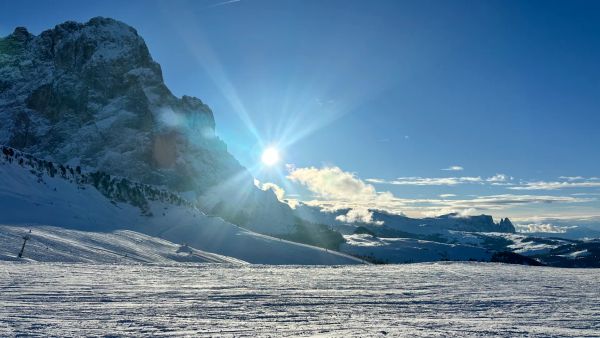
Val Gardena to Alpe di Siusi Lift Link Back in Play After Court Ruling
The Val Gardena-Alpe di Siusi lift link isn’t dead after all. A South Tyrol court has overturned Santa Cristina’s rejection of the new Monte Pana-Saltria link on procedural grounds, after the council skipped required public information sessions. Opponents want the missing sessions held and a fresh vote, and nothing has been approved. For now it’s still a bus between the two, but a plan first floated in 2017 is back in the conversation.
8 Nov 2026
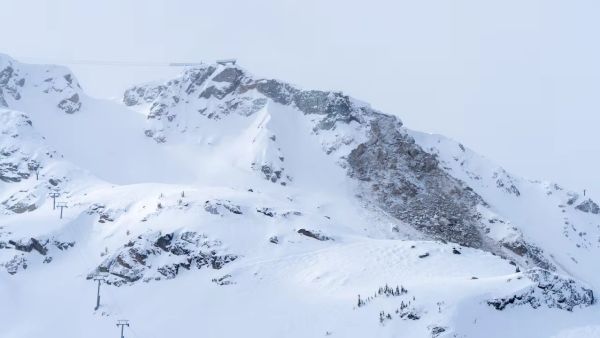
Whistler Blackcomb Rockslide Zone Stays Closed Through 2026-27 Season
A section of Whistler Peak terrain will stay closed all 2026-27 season, Vail Resorts has confirmed, with rockslide mitigation work continuing into summer 2027. Peak Express is still expected to run this winter, but locals are already arguing about what’s actually off limits, whether the Whistler Bowl is gone, and why the news landed after pass sales wound down. Here’s where things stand.
7 Nov 2026
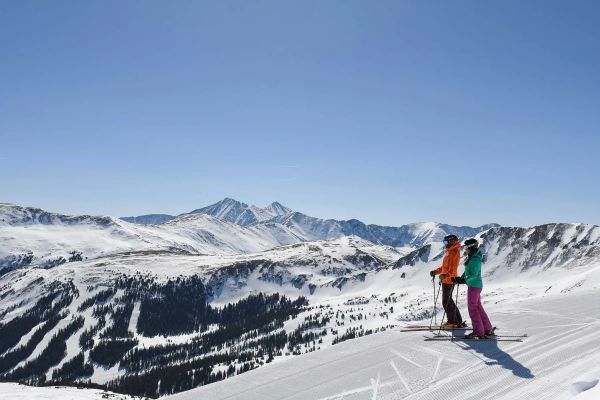
Loveland Ski Area Opens for 2026-27 and Marks 60 Years of Snowmaking
Loveland is open. The Colorado ski area started Chet’s Dream turning on Saturday 7 November to kick off 2026-27, with $60 adult lift tickets to mark 60 years of snowmaking. Expect three runs, nearly 1,000 vertical feet (about 300 metres) of top-to-bottom skiing, live music on the Basin Patio and no beginner terrain yet. Here’s what’s open, what it costs and when Loveland Valley follows.
7 Nov 2026
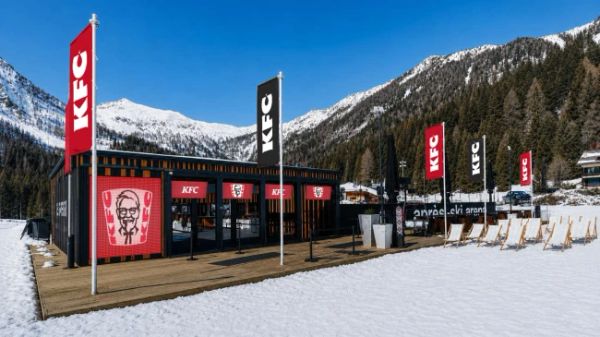
KFC Is Coming to the Slopes at Cortina and Madonna di Campiglio
Fried chicken is heading up the Dolomites. From 5 December KFC will run two restaurants on the slopes - one at 2,123 metres at Cortina, one at 1,700 metres at Madonna di Campiglio - and the polenta-and-canederli crowd has opinions. Local politicians, conservation groups and plenty of Facebook commenters are calling it a step too far, while others just want a cheaper lunch. Here’s what’s on the menu and what’s the fuss.
5 Nov 2026
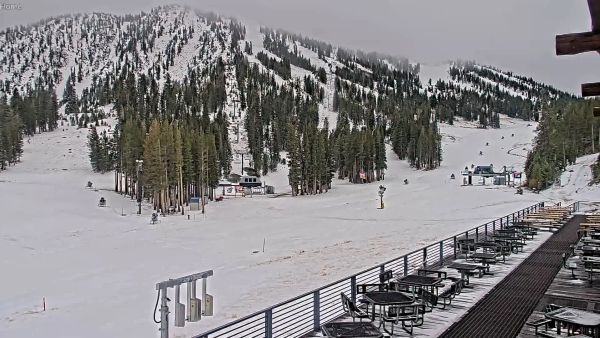
Mt Rose Aims to Open First in Tahoe on November 6
Mt Rose is going for the first-in-Tahoe title, with the Lakeview Express due to spin at 9 a.m. on Friday, November 6. One main lift, three runs and plenty of snowmaking, sitting on the highest base elevation in the region at 8,260 ft. Here is what is open, what is not (sorry, tubing fans), and how the early North American openings are stacking up.
4 Nov 2026
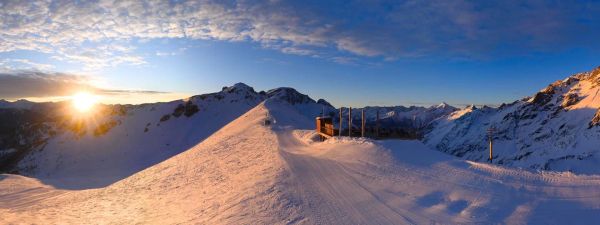
Europe Snow Forecast: Serre Chevalier Leads With 82 cm Over the Next 10 Days
Europe has had a quiet start to November, but our 10-day forecast has Serre Chevalier on 82 cm and Les 2 Alpes on 71 cm. Two pushes are lined up: a western Alps top-up from Friday, then a bigger, wider system on Thursday, November 12 and Friday, November 13 that reaches Italy and Switzerland. Full leaderboard inside.
4 Nov 2026
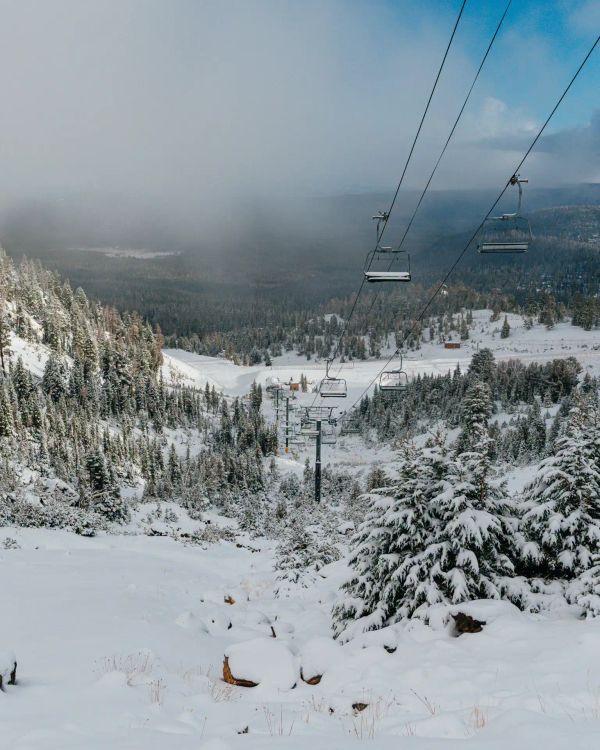
Mammoth Mountain Opens Early on November 5 With Up to 33 Inches of Snow in the Forecast
Mammoth just moved opening day forward to Thursday, November 5, eight days ahead of schedule. A snowy weekend and cold snowmaking nights did the work, and our forecast shows up to 33 inches more landing on November 13 and 14. Here is what opens, what the weather looks like and where Mammoth sits among the early Ikon Pass openers.
3 Nov 2026

Utah Snow Storm Builds Early-Season Base Ahead of November Openings
Rain down low, snow up high, and a snow report full of zeros that mostly means ‘not updated yet’. Utah’s first proper storm of 2026-27 is rolling through the Wasatch, Snowbird’s snow stake is closing in on 10 inches, and Brian Head is five days from opening day. Early November snow rarely looks like much, but it is the layer every November opening date is built on. Here is where it stands.
1 Nov 2026
Stubai Lift System
The lift network comprises 26 installations: five gondolas, seven chairlifts (including one eight-seater, three six-seaters, one quad and two doubles), eight T-bar lifts, two rope tows and four moving carpets. Total uphill capacity moves approximately 35,000 skiers per hour across the glacier terrain. The system connects two valley stations at Mutterberg - the 3S Eisgratbahn and the Gamsgartenbahn - providing parallel access routes to the upper mountain.
The flagship 3S Eisgratbahn, opened in October 2016, represents the largest single investment in Austrian ski lift history. This tricable gondola spans 4.7 kilometres with 48 Pininfarina-designed Symphony cabins, transporting 3,000 passengers per hour to the Eisgrat station at 2,885 metres in just 10.7 minutes. The eight-seater Schaufeljochbahn, notable as the first gondola built directly on glacier ice, connects to the 3,170-metre Schaufeljoch summit.
The Gamsgartenbahn provides an alternative ascent route to 2,600 metres, with both valley station lifts converging at the Fernau mid-station at 2,291 metres. From Gamsgarten, the Eisjoch and Rotadl chairlifts access the upper glacier ridge, whilst the Daunjoch triple chair - restricted to advanced skiers - services the resort's most challenging terrain. The Daunferner double T-bars and Gaiskarferner drag lift serve the upper glacier sectors above 3,000 metres.
The 2012 installation of the eight-seater Rotadl chairlift, featuring weather protection hoods and heated seats, replaced the previous four-seater. The Eisjoch II drag lift was shortened by nearly 200 metres in summer 2023 as glacial retreat continues affecting lift placement across the high-altitude terrain. Electric vehicle charging infrastructure at the valley stations includes 10 stations serving 20 vehicles simultaneously.
25lifts across 7 types
5
Gondolas
1
8-Person Chair
3
6-Person Chairs
1
Quad Chair
1
Double Chair
8
T-Bars
6
Surface Lifts
Stubai lift system
Stubai is served by 25 lifts, listed here by type. Check which lifts are turning against the live conditions before you plan your first laps - early lifts and high-speed chairs get you to the best snow fastest.
More Stubai intelligence: trail map, snow report, webcams, resort overview.