
Stubai
Ski Stubai Glacier: 1,515m vertical, 65km of runs, October-May season. Austria's biggest glacier area, 45 mins from Innsbruck.
Season 2026 - 2027
Opens
9 Oct 2026
Closes
17 May 2027
Days open
220
Annual snow
5m
The Overview
Michael Fulton
Melbourne-based skier and snowboarder with 50+ resorts across 5 continents. Specialises in Australian resorts and international resort comparisons.
Austria's largest glacier ski area spans 1,450 hectares across five glaciers between 1,697 metres and 3,210 metres, delivering 1,515 metres of vertical drop. The terrain includes 36 runs totalling approximately 65 kilometres of groomed pistes, with a further 40 kilometres of ski routes for off-piste exploration. The glacier's high-altitude position northeast of the Stubaier Wildspitze (3,341m) ensures natural snow coverage from October through May, with the resort recording an average of 6-9 metres of snowfall each winter season.
Terrain splits across difficulty levels with roughly 33% suited to beginners, 22% intermediate and 45% advanced, including dedicated ski routes in the Powder Department freeride zones. The signature Wilde Grub'n descent runs 10 kilometres from the Wildspitz mountain station at 3,210 metres down to the valley station at 1,750 metres - Austria's longest continuous glacier run. The Daunjoch chairlift accesses a demanding black run exceeding 3 kilometres, whilst the Gamsgarten sector offers dedicated beginner zones with magic carpets and practice lifts.
The Eisgrat mountain station at 2,900 metres houses the Marktrestaurant, Cafe Bar Zum Steinbock and an Intersport outlet, whilst the Jochdohle restaurant sits at 3,150 metres near the Gaiskarferner draglift. The Top of Tyrol viewing platform at 3,210 metres offers 360-degree panoramas across 109 three-thousand-metre peaks extending to the Dolomites. Lift queues remain notably short even during peak periods, with uncrowded off-piste terrain accessible throughout the season.
Multi-day passes of four days or more operate as the Stubai Ski Pass, valid across Schlick 2000, Serles and the Elfer sledding area at Neustift. The resort also participates in the Tirol Snow Card and the Innsbruck SKI plus CITY Pass covering 13 regional ski areas. Children under 10 ski free when accompanied by a paying parent, making Stubai a practical choice for families seeking extended glacier seasons with minimal crowds.
1515m
Vertical
22
Runs
68 km
Piste
5m
Annual snow
The Terrain
22 runs across 68 km of piste
Stubai Glacier is small but steep, with 22 runs and 68 kilometres of piste dropping 1,515 metres from 3,212 metres to the base at 1,697 metres. The difficulty mix is unusually demanding for a glacier: 35% advanced and 11% expert, against 32% beginner and 22% intermediate. From Mutterberg, the Eisgratbahn gives quick access to the high sectors and the Gamsgartenbahn serves the gentler slopes, which makes Gamsgarten the practical base for families and lessons, while the Eisgrat side suits skiers who want to reach the upper glacier quickly.
Advanced skiers head towards Schaufeljoch and the more exposed upper glacier, and the Daunjoch triple chair, restricted to advanced skiers, serves the hardest terrain, including a black run of more than three kilometres. The Wilde Grub'n is a 10-kilometre descent billed as the longest glacier run in the Alps, and the Daunferner sector has steep couloirs for freeriders. Powder Department routes are marked on a separate map, with freeride checkpoints at Eisgrat and Gamsgarten, but unsecured terrain should only be entered with the right equipment and knowledge.
Terrain split
22
runs
22 runs across 4 grades
Beginner7 runs · 32%
Intermediate5 runs · 22%
Advanced8 runs · 35%
Expert2 runs · 11%
Time it right
When to visit Stubai
The 2025-2026 season opened on 19 September 2025 and runs through 17 May 2026, delivering an eight-month operating window that ranks among the longest in the Alps. Glacier terrain and elevations exceeding 3,000 metres enable reliable early autumn and late spring skiing when most conventional resorts remain closed. The season typically begins in mid-to-late October depending on conditions, though early snowfall in autumn 2025 permitted operations from 3 October.
Annual snowfall averages 6-9 metres at glacier elevations, with historical maximums reaching 13.87 metres and minimums of 6.39 metres across recent seasons. The resort maintains snowmaking coverage on the lower valley runs, though the glacier's natural accumulation typically provides consistent base depths throughout winter. High-altitude, north-facing aspects preserve snow quality well into spring, whilst exposed ridgelines can experience significant wind transport affecting measured totals.
Peak powder conditions occur from December through February, when cold temperatures preserve snow quality and storm cycles deliver fresh accumulation. Spring skiing from March through May offers softer corn snow and warmer temperatures, with the glacier terrain receiving strong solar exposure at midday. October and early November provide autumn training conditions for professional athletes, whilst mid-November marks the beginning of regular public operations with fuller lift access.
The FIS Freeski World Cup Stubai, held annually in November at the Stubai Zoo snowpark, has hosted the slopestyle season opener for nine consecutive years. The INTERSPORT Testival runs in mid-November, with over 20 brands presenting new equipment for on-snow testing. The BIG Family programme runs throughout winter with weekly piste basher rides and children's activities at Gamsgarten.
Season 2026 - 2027
9 Oct 2026
Opens
17 May 2027
Closes
220
Days open
5 m
Annual snow
Getting there
Getting to Stubai, and where to stay
Stubai Glacier occupies the head of the Stubaital (Stubai Valley) in Tyrol, Austria, with five glaciers flowing from the 3,333-metre Schaufelspitze peak. The valley station at Mutterberg sits at 1,697 metres, 18 kilometres south of the main valley town of Neustift im Stubaital. The resort's summits overlook the Italian frontier, with Dolomite peaks visible along the southern horizon. The Stubaier Alps surrounding the glacier include over 109 summits exceeding 3,000 metres.
Neustift im Stubaital serves as the primary accommodation base, with additional options in Fulpmes (24km from the glacier), Mieders and Schönberg at the valley entrance. Innsbruck, the Tyrolean capital and a city of 130,000 residents, lies approximately 42 kilometres northeast and offers extensive dining, cultural attractions and nightlife options. The Stubai Valley maintains its traditional agricultural character alongside the skiing industry, with historic villages dating to medieval settlement patterns.
Road access follows the A13 Brenner Autobahn south from Innsbruck, exiting at Schönberg after approximately 20 minutes. The B183 Stubaitalstraße continues 30 kilometres through the valley to Ranalt, where a private road climbs to the Mutterberg base stations. The Brenner Autobahn section requires a toll separate from the standard Austrian motorway vignette. Free parking accommodates several thousand vehicles at both valley stations, with overflow lots served by free shuttle buses.
Innsbruck Airport lies 43 kilometres from the resort, with transfers taking approximately 45-50 minutes by road. Munich Airport, 180 kilometres north, offers broader international connections with train services to Innsbruck Hauptbahnhof. The VVT bus line 590 departs Innsbruck main station every 30 minutes, reaching Mutterberg in 90 minutes. Free ski buses operate every 15 minutes within the Stubai Valley for passengers with lift passes or winter sports equipment.
Where to stay
Search all stays →Hotels and lodges near Stubai, powered by Stay22.
Latest News
From the SnowStash desk
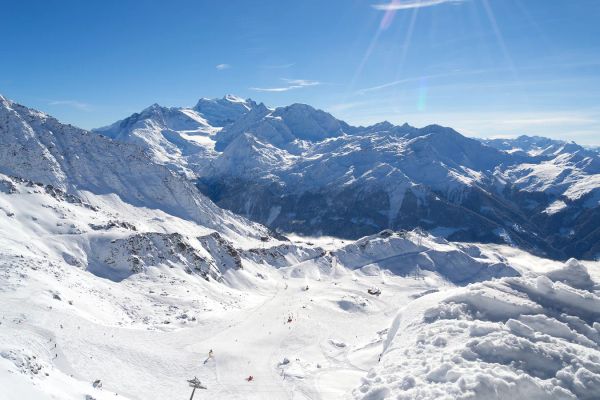
Alps Snow Forecast: Up to 64 cm Headed for the High Glaciers as the Snow Line Drops
The Alps are about to swap mild, sunny October weather for something far more wintry. A cold front arrives Tuesday, and SnowStash forecasts have Monterosa Ski out in front with 64 cm over 14 days, ahead of Blatten Belalp (55 cm) and Verbier (43 cm). The snow line should fall below 2000 metres by Wednesday night, and glaciers across Switzerland, Italy and Austria are in line for the best of it. The wind will have a say too.
20 Oct 2026
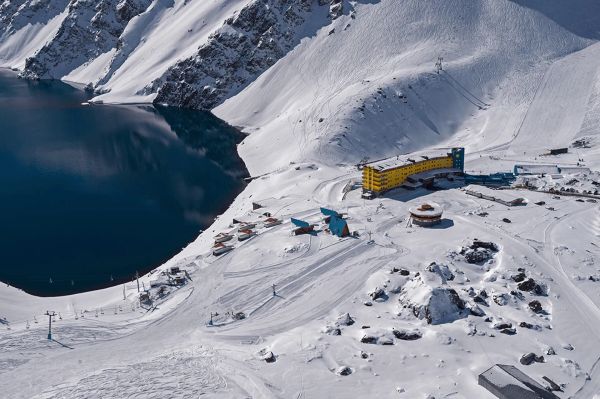
Four Dead After Avalanche Near Ski Portillo in Chile
A large avalanche struck near Laguna del Inca adjacent to Ski Portillo on Saturday afternoon, killing four people and injuring four others. The group were day visitors mountaineering in the backcountry after reportedly being warned about elevated avalanche risk by resort staff.
18 Oct 2026

Europe Ski Resorts Open Now: What Is Skiable in Mid-October 2026
Europe’s ski season is open, technically. After a record-warm summer, glaciers in Austria, Switzerland and Italy are running a few pistes apiece, Sölden, Stubai and Kitzsteinhorn started late, Titlis has pushed back to 24 October, and Zermatt reopens a few lifts on 14 October after more than two months shut. Finland’s Levi and Ruka are skiing on stored snow. Here is what is open, and what you actually get at each.
14 Oct 2026

Zermatt Plans World Cup Downhill Return on the Gornergrat for 2028
Zermatt is having another crack at a World Cup downhill, and this time nobody has to cross a border. Around 13 million Swiss francs is going into rebuilding the Gornergrat piste, including a jump fed by a roughly 300-metre in-run across the roof of the Gornergrat Railway gallery, with the Matterhorn lined up behind it for the TV cameras. First men’s race is pencilled in for March 2028, pending FIS homologation.
14 Oct 2026

Mt. Rose Begins Snowmaking for the 2026-27 Season at Lake Tahoe
Lake Tahoe’s highest base elevation is paying off early: Mt. Rose has started making snow for 2026-27 after the first flurries and a cold snap. The Nevada resort is backing it with nearly US$2 million in upgrades, including a replacement snowmaking main line, a new PistenBully groomer and restraint bars on every lift. Opening day is yet to be confirmed, though Heavenly and Northstar are already eyeing 20 November.
13 Oct 2026

Utah Ski Resorts 2026-27: What’s New at Alta, Deer Valley, Powder Mountain and More
Utah is still building flat out. For 2026-27, Powder Mountain opens a steep new Skytrac chair into more than 1,000 acres of advanced terrain, Deer Valley adds 200 acres on Hail Peak, Sundance gets a new quad and Park City adds a gondola from its new parking structure. Snowmaking is expanding almost everywhere, Eagle Point stays closed after the Cottonwood Fire, and the 2034 Games are setting the pace. Here’s what’s new, resort by resort.
13 Oct 2026

Mt Hutt Invests NZ$12 Million in Base Area, Tripling Its Sun Deck
Mt Hutt is getting busier, and its base lodge is about to catch up. NZ$12 million goes into a heated sun deck roughly three times the current size (430 m² to 1,300 m²), plus a new toilet block, heated steps down to snow level, extra storage and a new food and beverage outlet. Building starts after the 2026 season, with everything due for winter 2027.
11 Oct 2026

Vermont Ski Resort Opening Dates 2026-27: Few Dates Set, Killington Waits on the Cold
Vermont's season is slow to take shape. Stratton is tentatively targeting 18 November and Sugarbush 21 November, while Pico has Friday 11 December on the calendar. Killington never sets a date and opens when the snowmaking allows, and Vail Resorts has yet to name days for Stowe, Okemo and Mount Snow. The forecasts disagree about snow, and the main El Niño worry for the Green Mountains is warmth.
9 Oct 2026
Stubai Webcams
6 live angles across the mountain. Tap any camera to go full-screen.
About Stubai's live webcams
Check live conditions across Stubai with 6 real-time webcams showing snow, weather, and lift operations, updated every 10 minutes. Check high-elevation cams for powder visibility and base-area cams for crowd levels before you head up.
Camera guide
- Eisgrat Bergstation2900m
- The Stubai Glacier webcam at Eisgrat offers stunning panoramic views across this high-alpine playground, giving you live conditions of the main glacier skiing area and surrounding peaks.
- Daunjoch3000m
- This Stubai webcam provides spectacular views from its lofty position at 3000m, offering real-time conditions of the glacier's expansive terrain and high-mountain environment.
- Schaufeljoch Bergstation3170m
- Positioned at one of Stubai Glacier's highest webcam points, this live cam delivers breathtaking views of the upper mountain terrain and the surrounding Tyrolean Alps.
- Murmele Bergstation2672m
- The Stubai webcam at Murmele offers excellent views of the mid-mountain area, perfect for checking conditions on some of the glacier's most popular intermediate runs.
- Fernau Bergstation3064m
- This Stubai Glacier web cam surveys the high-alpine terrain from its impressive 3000m+ vantage point, showing live conditions across the resort's upper slopes.
- Fernau Mittelstation2239m
- The Stubai live cam at Fernau's mid-station provides views of the lower glacier area, helping you monitor conditions on the resort's more accessible terrain.
Stubai snow cams FAQ
How often do Stubai snow cams update?
All Stubai snow cams and webcams update every 10 minutes with fresh images showing current mountain conditions. This frequent update schedule ensures you have access to near real-time conditions for planning your ski day at Stubai.
Which Stubai webcam shows the best powder conditions?
The high-elevation Schaufeljoch Bergstation webcam at 3,170m provides the clearest view of powder conditions and snowfall. These Stubai webcams capture fresh snow accumulation and visibility better than base area cameras.
Can I see Stubai lift queues on the webcams?
Yes. Multiple Stubai snow cams specifically show lift queue areas and chairlift operations, helping you time your arrival and avoid peak queue periods.
When is the best time to check Stubai snow cams?
Check Stubai webcams early morning (7-8am) for overnight snowfall assessment, and mid-afternoon for current crowd levels and weather. The live cams are most useful after storm events to assess fresh powder.
How can I check current conditions before buying Stubai lift tickets?
Use our Stubai webcams alongside the live snow report to assess conditions before purchasing lift tickets. The webcams show real-time visibility, snow quality, and operational status.
Do Stubai webcams work on mobile devices?
Yes. All Stubai snow cams and webcams are optimized for mobile viewing, so you can check live conditions from anywhere using your phone or tablet.
More Stubai intelligence: snow report, lift tickets, trail map, resort overview.