The Overview
Michael Fulton
Melbourne-based skier and snowboarder with 50+ resorts across 5 continents. Specialises in Australian resorts and international resort comparisons.
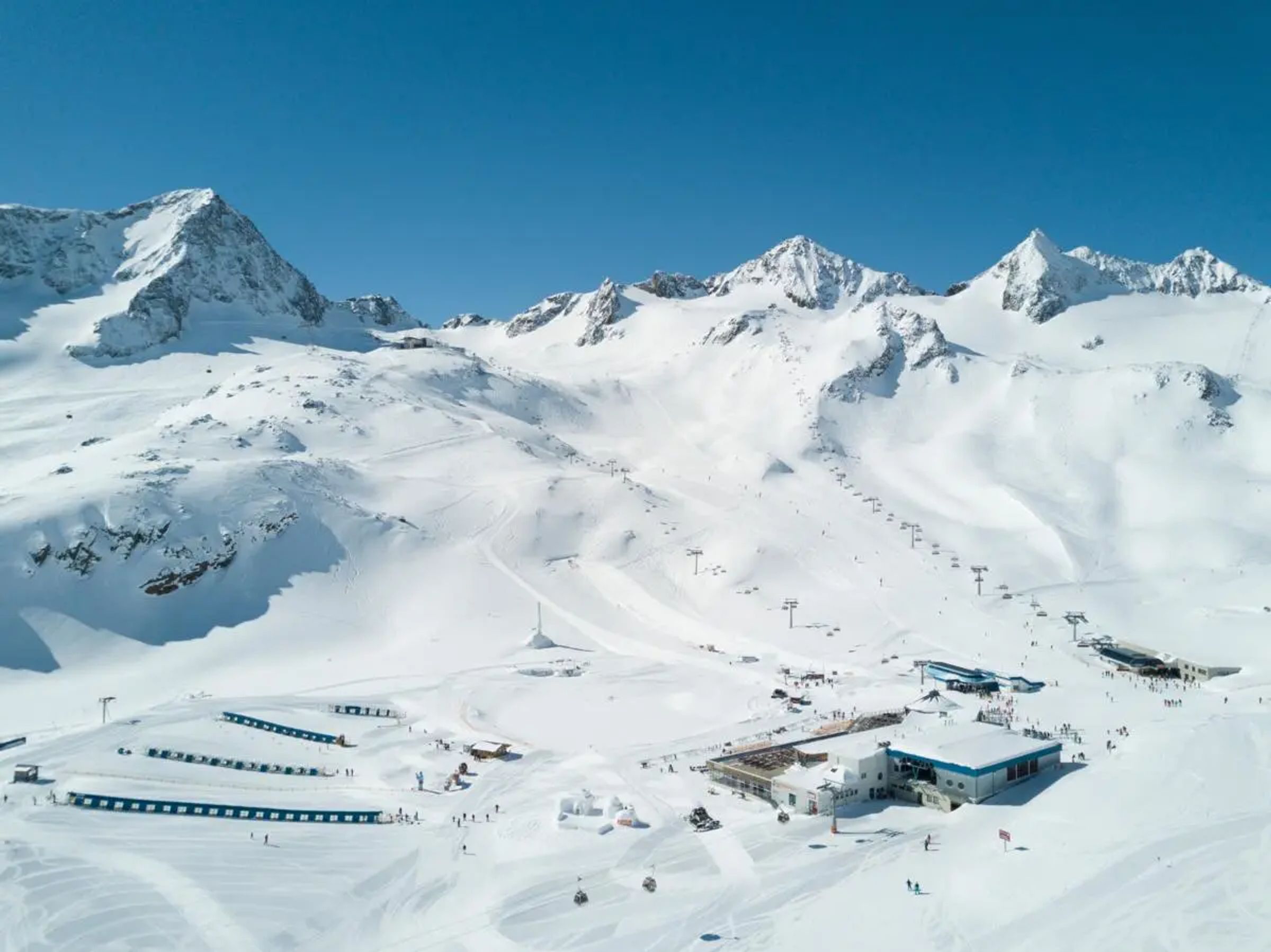
Austria's largest glacier ski area spans 1,450 hectares across five glaciers between 1,697 metres and 3,210 metres, delivering 1,515 metres of vertical drop. The terrain includes 36 runs totalling approximately 65 kilometres of groomed pistes, with a further 40 kilometres of ski routes for off-piste exploration. The glacier's high-altitude position northeast of the Stubaier Wildspitze (3,341m) ensures natural snow coverage from October through May, with the resort recording an average of 6-9 metres of snowfall each winter season.
Terrain splits across difficulty levels with roughly 33% suited to beginners, 22% intermediate and 45% advanced, including dedicated ski routes in the Powder Department freeride zones. The signature Wilde Grub'n descent runs 10 kilometres from the Wildspitz mountain station at 3,210 metres down to the valley station at 1,750 metres - Austria's longest continuous glacier run. The Daunjoch chairlift accesses a demanding black run exceeding 3 kilometres, whilst the Gamsgarten sector offers dedicated beginner zones with magic carpets and practice lifts.
The Eisgrat mountain station at 2,900 metres houses the Marktrestaurant, Cafe Bar Zum Steinbock and an Intersport outlet, whilst the Jochdohle restaurant sits at 3,150 metres near the Gaiskarferner draglift. The Top of Tyrol viewing platform at 3,210 metres offers 360-degree panoramas across 109 three-thousand-metre peaks extending to the Dolomites. Lift queues remain notably short even during peak periods, with uncrowded off-piste terrain accessible throughout the season.
Multi-day passes of four days or more operate as the Stubai Ski Pass, valid across Schlick 2000, Serles and the Elfer sledding area at Neustift. The resort also participates in the Tirol Snow Card and the Innsbruck SKI plus CITY Pass covering 13 regional ski areas. Children under 10 ski free when accompanied by a paying parent, making Stubai a practical choice for families seeking extended glacier seasons with minimal crowds.
1515m
Vertical
22
Runs
68 km
Piste
5m
Annual snow
The Terrain
22 runs across 68 km of piste
Stubai spreads 22 runs across 68 km of piste of terrain. It leans advanced at 35%, with 7 beginner runs to find your feet and 10 advanced or expert runs when you want to push.
Terrain split
22
runs
22 runs across 4 grades
Beginner7 runs · 32%
Intermediate5 runs · 22%
Advanced8 runs · 35%
Expert2 runs · 11%
Time it right
When to visit Stubai
The 2025-2026 season opened on 19 September 2025 and runs through 17 May 2026, delivering an eight-month operating window that ranks among the longest in the Alps. Glacier terrain and elevations exceeding 3,000 metres enable reliable early autumn and late spring skiing when most conventional resorts remain closed. The season typically begins in mid-to-late October depending on conditions, though early snowfall in autumn 2025 permitted operations from 3 October.
Annual snowfall averages 6-9 metres at glacier elevations, with historical maximums reaching 13.87 metres and minimums of 6.39 metres across recent seasons. The resort maintains snowmaking coverage on the lower valley runs, though the glacier's natural accumulation typically provides consistent base depths throughout winter. High-altitude, north-facing aspects preserve snow quality well into spring, whilst exposed ridgelines can experience significant wind transport affecting measured totals.
Peak powder conditions occur from December through February, when cold temperatures preserve snow quality and storm cycles deliver fresh accumulation. Spring skiing from March through May offers softer corn snow and warmer temperatures, with the glacier terrain receiving strong solar exposure at midday. October and early November provide autumn training conditions for professional athletes, whilst mid-November marks the beginning of regular public operations with fuller lift access.
The FIS Freeski World Cup Stubai, held annually in November at the Stubai Zoo snowpark, has hosted the slopestyle season opener for nine consecutive years. The INTERSPORT Testival runs in mid-November, with over 20 brands presenting new equipment for on-snow testing. The BIG Family programme runs throughout winter with weekly piste basher rides and children's activities at Gamsgarten.
Season 2025 - 2026
19 Sept 2025
Opens
10 May 2026
Closes
233
Days open
5 m
Annual snow
Getting there
Getting to Stubai, and where to stay
Stubai Glacier occupies the head of the Stubaital (Stubai Valley) in Tyrol, Austria, with five glaciers flowing from the 3,333-metre Schaufelspitze peak. The valley station at Mutterberg sits at 1,697 metres, 18 kilometres south of the main valley town of Neustift im Stubaital. The resort's summits overlook the Italian frontier, with Dolomite peaks visible along the southern horizon. The Stubaier Alps surrounding the glacier include over 109 summits exceeding 3,000 metres.
Neustift im Stubaital serves as the primary accommodation base, with additional options in Fulpmes (24km from the glacier), Mieders and Schönberg at the valley entrance. Innsbruck, the Tyrolean capital and a city of 130,000 residents, lies approximately 42 kilometres northeast and offers extensive dining, cultural attractions and nightlife options. The Stubai Valley maintains its traditional agricultural character alongside the skiing industry, with historic villages dating to medieval settlement patterns.
Road access follows the A13 Brenner Autobahn south from Innsbruck, exiting at Schönberg after approximately 20 minutes. The B183 Stubaitalstraße continues 30 kilometres through the valley to Ranalt, where a private road climbs to the Mutterberg base stations. The Brenner Autobahn section requires a toll separate from the standard Austrian motorway vignette. Free parking accommodates several thousand vehicles at both valley stations, with overflow lots served by free shuttle buses.
Innsbruck Airport lies 43 kilometres from the resort, with transfers taking approximately 45-50 minutes by road. Munich Airport, 180 kilometres north, offers broader international connections with train services to Innsbruck Hauptbahnhof. The VVT bus line 590 departs Innsbruck main station every 30 minutes, reaching Mutterberg in 90 minutes. Free ski buses operate every 15 minutes within the Stubai Valley for passengers with lift passes or winter sports equipment.
Where to stay
Search all stays →Hotels and lodges near Stubai, powered by Stay22.
Latest News
From the SnowStash desk
Dolomiti Superski 2026-27: Four New Gondolas, New Reservoirs and an €89 Peak Day Pass
Dolomiti Superski is spending around €100 million across its 12 areas before winter. Kronplatz gets a new 10-passenger gondola with a middle station, 3 Zinnen gets Helmissimo, and Val di Fassa swaps a chairlift for a gondola above Col Valvacin. New water-storage basins and upgraded snowmaking follow, and construction has started on the San Martino to Passo Rolle link. A peak adult day pass is €89.
4 Oct 2026
Utah Ski Resort Opening Dates 2026-27: Brian Head First, Eagle Point Out
Brian Head is targeting 6 November, though last year it aimed for 7 November and did not open until the 25th. Park City, Alta and Solitude are pencilled in for 20 November, Snowbird and Snowbasin for 27 November, and Deer Valley for 5 December. Eagle Point will stay closed after the Cottonwood Fire. A super El Niño is forecast, but the big snow is not expected until January.
4 Oct 2026
Hintertux Glacier Opens for 2026-27 With 12 Kilometres of Piste
Hintertux became Austria's second glacier to open for 2026-27 on Friday 2 October, after the Pitztal Glacier. Twelve kilometres of piste are running around the Olperer and Gefrorene Wand, served by one gondola and two drag lifts, with the Betterpark also open. Lifts officially run 8:15 am to 4:30 pm, but skiing stops at 2 pm for now.
4 Oct 2026
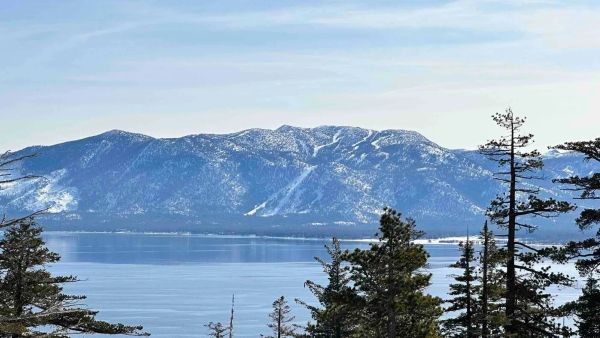
Vail Resorts Counts the Cost of a Thin Winter as Pass Sales Slide Further
A historically poor western winter cut Vail Resorts' annual net income from $280 million to $147.5 million and skier visits by 13.4 per cent. Now 2026-27 pass units are down 12 per cent as of 18 September, worse than the 10 per cent flagged in spring. Vail blames the weather and thinks some buyers are simply waiting, and it forecasts a rebound if the snow behaves.
3 Oct 2026
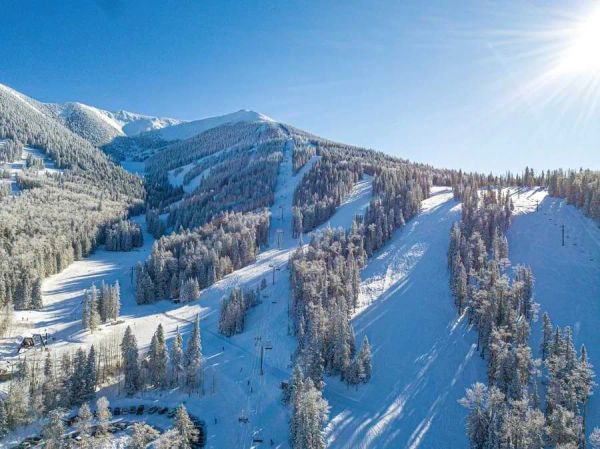
Arizona Snowbowl's $1 Lift Tickets Are Hard to Find, but $9 Days Are Not
Arizona Snowbowl advertised eight $1 lift ticket days this winter. Go looking and only three are showing - 10 March, 1 April and 10 April - so the rest may already have gone. The consolation is a calendar full of $9 days, including all but one day in April. Opening day is 20 November, weather permitting, and opening weekend is $19.
2 Oct 2026
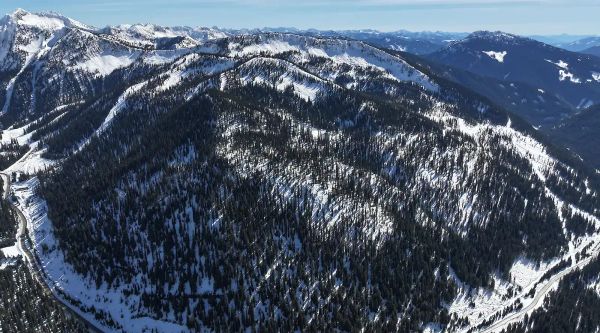
Whitewater Brings Its Short Side Inbounds, With Six New Runs for 2026-27
For years, Whitewater's Short Side was where you ducked a rope and hoped for the best: unmapped, ungroomed and unpatrolled. This winter it's inbounds. Six new runs of glades and fall-line skiing add 190 acres (about 77 hectares), taking the resort past 1,400 acres in total. F2 Logging spent a month in the trees to make it happen, and opening day is pencilled in for 4 December. Bonanza now needs less snow to groom, too.
1 Oct 2026
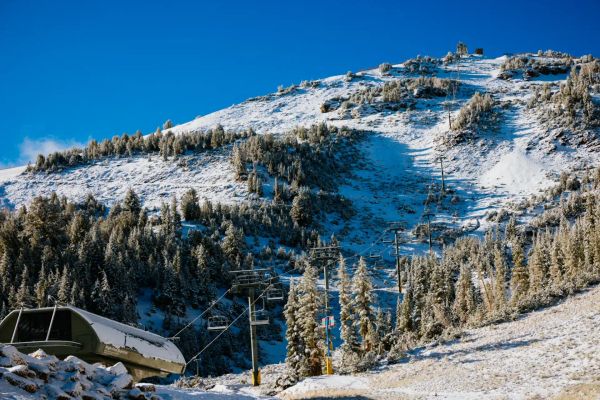
September Dusting Hits Mammoth Mountain Six Weeks Before Opening Day
Mammoth got its first snow of 2026-27 on Monday 28 September - and promptly lost it by Tuesday morning. Barely an inch fell at McCoy Station, but with opening day pencilled in for Friday 13 November, it's the first sign the Sierra is waking up. Last year's date slipped from 14 November to 20 November, so nobody's booking flights on a dusting just yet. Here's where California's early openers stand.
1 Oct 2026
Saalbach Hinterglemm Resort Review: 270 km of Piste, 70 Lifts and a Three-Resort Pass
Four connected areas, 70 lifts and a World Championship course, yet Saalbach Hinterglemm still runs like a family holiday. Two days on snow and a Worlds Super-G later, here is who it suits, what the Ski ALPIN CARD covers and why Epic Pass holders should pay attention. Big on blues, light on steeps.
30 Sept 2026
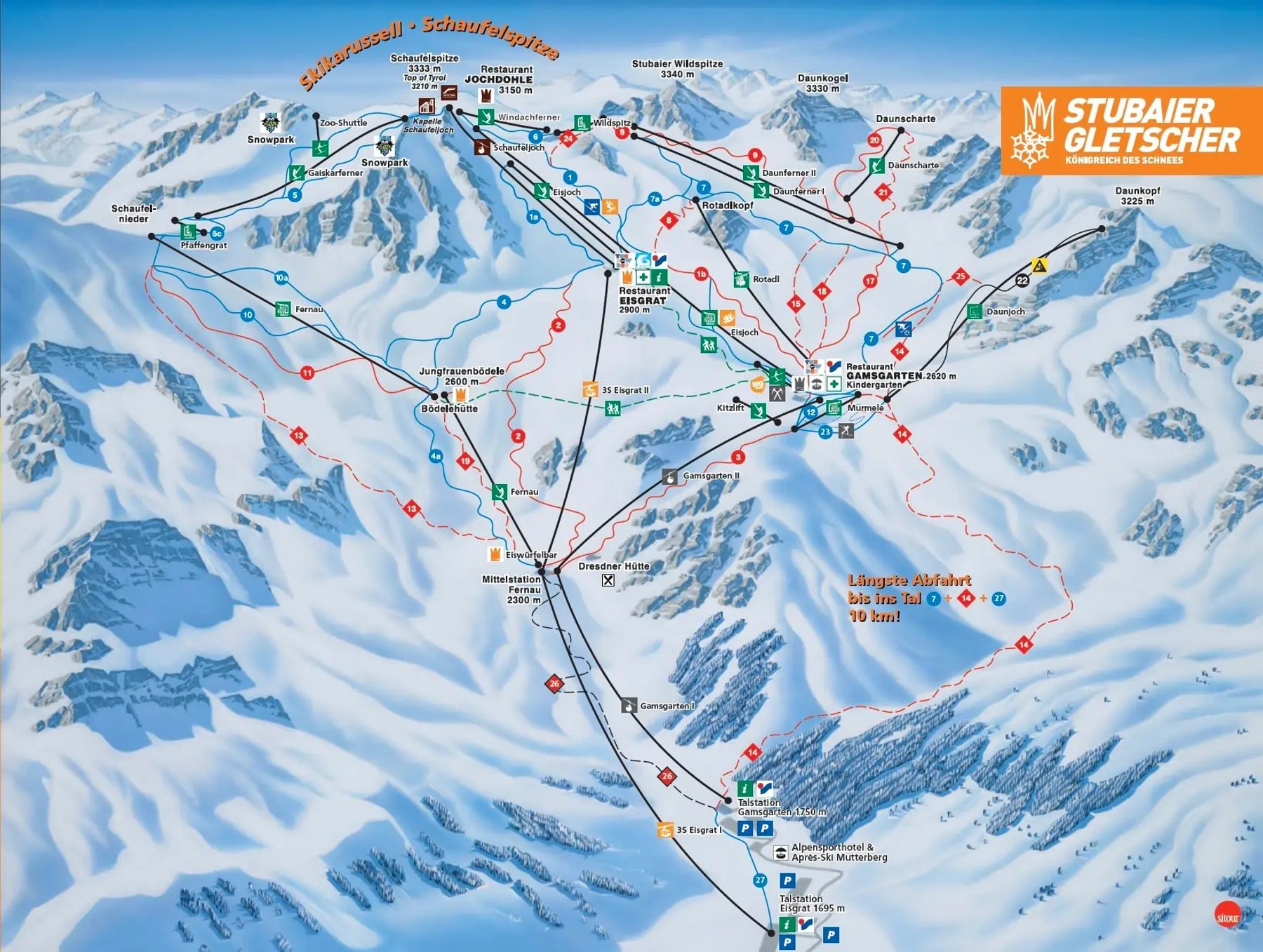
Stubai Ski Trails
Live Stubai trail map
Loading trail map...
Downloadable Stubai trail map
Terrain split
22
runs
Beginner32%
Intermediate22%
Advanced35%
Expert11%
68 km of piste
Resort Stats
Elevation
Base1697m
Summit3212m
Annual snowfall
5m
Season
2025 - 2026
19 Sept 2025 - 10 May 2026
Trail coverage
22 runs
68 km
Stubai ski trails
Stubai offers 22 runs across a mix of difficulties. The terrain split and trail map here show how the mountain breaks down so you can plan a day that suits your group.
- • Match runs to your ability - the terrain split shows how much of Stubai is beginner, intermediate and advanced.
- • Check grooming and open-run status against the live conditions before committing to the upper mountain.
- • Early season and after fresh snow, favour the lifts serving your preferred grade to make the most of the day.
More Stubai intelligence: trail map, lift system, resort overview.