Saint Lary Soulan
105km across 1,597-2,515m. Three sectors, thermal spa village, Pyrénées 2 Vallées pass. French Pyrenees family resort.

Season 2026 - 2027
Opens
4 Dec 2026
Closes
29 Mar 2027
Days open
115
Annual snow
2m
The Overview
Michael Fulton
Melbourne-based skier and snowboarder with 50+ resorts across 5 continents. Specialises in Australian resorts and international resort comparisons.
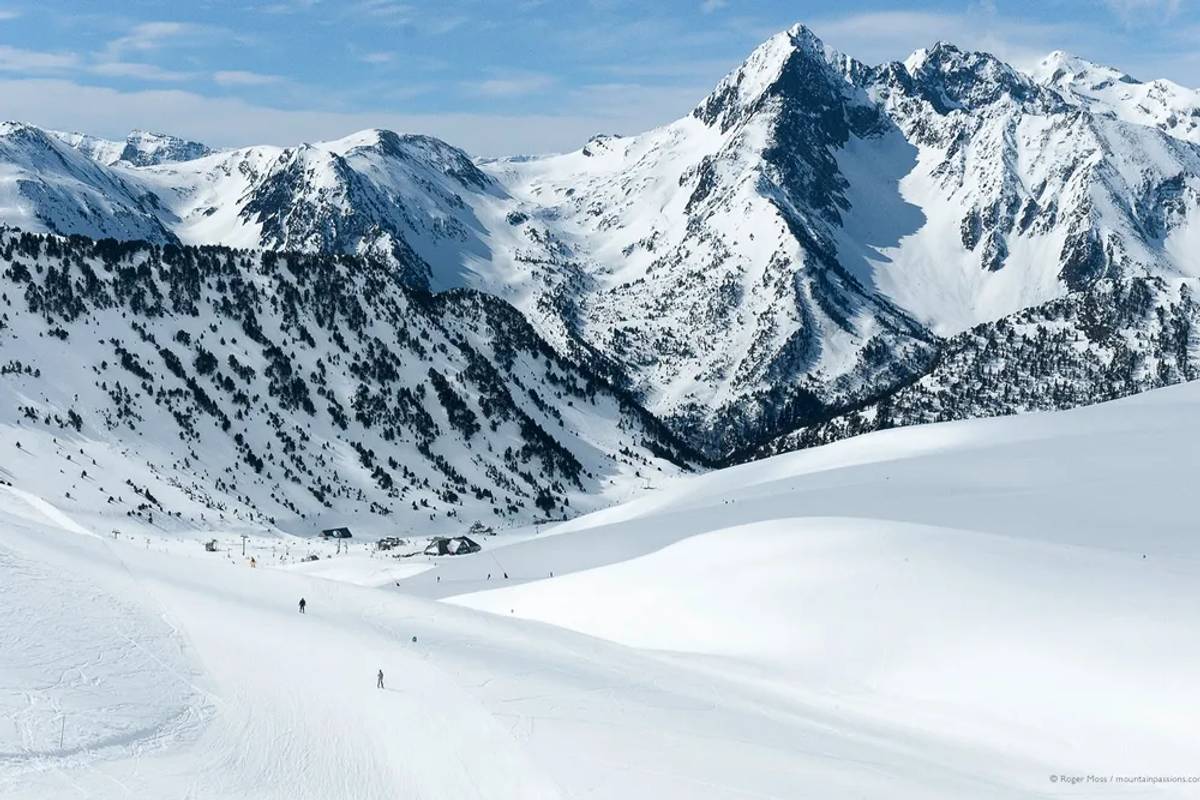
Saint Lary Soulan operates across 105 kilometres of piste spanning 1,597 to 2,515 metres elevation with 918 metres of vertical drop. The French Pyrenean resort divides its 59 runs into 57 per cent beginner, 33 per cent intermediate and 10 per cent advanced terrain across three interconnected sectors. The ski area covers 700 hectares between Pla d'Adet at 1,700 metres, Espiaube at 1,900 metres and the summit zone at 2,400 metres accessed via 24 lifts. Saint Lary receives 5 metres of annual snowfall supported by 270 snow cannons covering key pistes.
The 2025-2026 season runs from 5 December to 5 April across terrain that prioritises families and progressive skiers. Pla d'Adet anchors beginner terrain with dedicated learning zones and moving carpets whilst Espiaube offers blue and red runs including Mirabelle, a 3.6-kilometre descent dropping 700 metres. The Soum de Matte sector at 2,200 metres delivers access to off-piste zones and the terrain park. Saint Lary holds Famille Plus Montagne certification for its child-focused facilities and programming.
The traditional spa village of Saint Lary sits at 830 metres in the Aure valley with thermal baths dating to Roman times still operational today. Stone and slate architecture defines the village centre connected to Pla d'Adet by the Pic Lumière aerial tramway and Vignec gondola. Free shuttle buses link accommodation sectors during winter whilst restaurants serve Pyrenean specialities including garbure soup and local cheeses. The Tour Hachan houses the Pyrenees National Park museum within a 16th-century manor tower.
Saint Lary forms part of the Pyrénées 2 Vallées network alongside Peyragudes, Piau Engaly and Val Louron totalling 246 kilometres of skiing. Multi-day passes grant access across all four resorts connected by seasonal shuttle services. The area borders Néouvielle Nature Reserve and Pyrenees National Park with Spain accessible via the Aragnouet-Bielsa tunnel 20 kilometres south. The resort suits families seeking varied terrain, spa amenities and authentic village atmosphere within France's southern mountain range.
918m
Vertical
59
Runs
105 km
Piste
2m
Annual snow
The Terrain
59 runs across 105 km of piste
Saint Lary Soulan is one of the biggest ski areas in the French Pyrenees, with 105 kilometres of piste across 59 runs between 1,597 and 2,515 metres, a vertical of 918 metres. Beginners account for 57% of the terrain, intermediates 33% and advanced 10%, with no expert runs, which makes it forgiving for learners and families. The skiing is split across three sectors, Pla d'Adet, Espiaube and Soum de Matte, each with its own altitude and mood. A tram, two gondolas and five six-seaters move most skiers, with T-bars covering the upper slopes.
Pla d'Adet has wide, easy slopes that suit first-timers and children. Espiaube is the choice for more confident skiers, and Mirabelle is the signature descent, about 3.5 kilometres with roughly 700 metres of drop, among the longest in the Pyrenees. The steeper terrain sits around Soum de Matte, Isards and Tourette, where the snowpark and a little off-piste can be found. Advanced skiers will run out of pistes quickly, and freeride options are modest. It suits families, beginners and intermediates who want a quieter resort with long, scenic Pyrenean views and plenty of room to build confidence.
Terrain split
59
runs
59 runs across 4 grades
Beginner34 runs · 57%
Intermediate19 runs · 33%
Advanced6 runs · 10%
Expert0 runs · 0%
Time it right
When to visit Saint Lary Soulan
The 2025-2026 season operates from 5 December 2025 to 5 April 2026 with potential extension depending on snowpack. Saint Lary typically opens early December and closes late March to early April completing approximately 120 operational days. The Pyrenean location delivers consistent mid-winter conditions with elevation advantage ensuring coverage at upper sectors even when base areas require snowmaking support. The resort maintains 21 of 24 lifts and 100 kilometres of terrain during peak periods with 195-centimetre base depths recorded in mid-February 2026.
Annual snowfall averages 5 metres with Atlantic weather systems delivering the majority between January and March. The first week of February historically produces peak accumulation with 33 centimetres falling during typical storm cycles. The resort's position in the Aure valley benefits from protection by Arbizon summit reducing western disturbances whilst maintaining sufficient moisture for regular snowfall. Snowmaking covers 3 kilometres of piste concentrated on Pla d'Adet beginner zones and key descent routes ensuring village-to-summit skiing throughout the season.
January through March delivers optimal conditions with cold temperatures preserving snow quality on north-facing runs above 1,900 metres. February half-term attracts French families creating the season's busiest fortnight whilst Christmas and New Year see moderate crowds. Early December and late March offer quieter skiing with reduced lift queues though spring conditions require morning-focused ski days. The Vallon du Portet's high-altitude terrain maintains coverage into April with blue runs at 2,515 metres accessible when lower sectors close.
The resort hosts Tour de France stage finishes at Pla d'Adet most recently in 2022 with the climb regularly featuring in cycling's grand tour. Winter programming includes night skiing on selected dates during school holidays and Wednesday, Friday and Saturday evenings outside peak periods. The thermal spa operates year-round with Sensoria wellness centre offering post-ski treatments. Free village shuttles run regularly throughout winter connecting accommodation zones to gondola base stations and the historic village centre.
Season 2026 - 2027
4 Dec 2026
Opens
29 Mar 2027
Closes
115
Days open
2 m
Annual snow
The record
Historical snowfall at Saint Lary Soulan
Daily snow reports at Saint Lary Soulan go back to 2017, 10 winters on the books. Open the record to compare winters, lifts and piste.
60 cm
Snowiest day
29 Jan 2019
18 cm
This winter · 2026-27
so far
177 cm
Typical winter
average of complete seasons
Winter totals
cm
Past wintersThis winter
Getting there
Getting to Saint Lary Soulan, and where to stay
Saint Lary Soulan occupies the upper Aure valley in Hautes-Pyrénées département 80 kilometres south of Tarbes within the Occitanie region. The spa village sits at 830 metres elevation along the Neste d'Aure river with altitude stations at 1,600, 1,700 and 1,900 metres accessed by road or aerial lift. The resort borders Pyrenees National Park and Néouvielle Nature Reserve with Spain's Sobrarbe region accessible via the Aragnouet-Bielsa tunnel 20 kilometres distant. Surrounding villages include Vignec at 700 metres, Vielle-Aure at 1.9 kilometres and Soulan at 4 kilometres maintaining traditional Pyrenean architecture.
Arreau marks the valley gateway 15 kilometres north preserving medieval half-timbered facades and serving as the nearest market town. The valley developed around pastoral agriculture and pilgrimage routes to Santiago de Compostela with Roman road references documenting millennial settlement patterns. Saint Lary's thermal springs containing sulphur and sodium attracted visitors since antiquity establishing the spa trade centuries before skiing arrived in 1957. The Tour Hachan remnant of a 16th-century manor now houses the National Park museum displaying local heritage and natural history.
Motorway access follows the A64 Toulouse-Bayonne route exiting at Lannemezan then continuing 39 kilometres south via RD929 through the Aure valley. From Paris, drivers follow the A20 to Toulouse then A64 westbound covering approximately 850 kilometres. The Col d'Aspin and Col de Peyresourde passes provide alternative eastern approaches though winter conditions require chains or winter tyres. Drive time from Toulouse measures 2 hours covering 150 kilometres whilst Tarbes lies 80 kilometres north requiring 90 minutes.
Tarbes-Lourdes-Pyrénées Airport serves as nearest air access at 80 kilometres with 1-hour, 5-minute transfer time. Toulouse-Blagnac Airport at 150 kilometres offers greater flight frequency with 2-hour road transfers via motorway. Pau airport lies 100 kilometres distant providing secondary access. Rail connections terminate at Lannemezan SNCF station with liO line 963 bus completing the 39-kilometre valley ascent. SkiGo coach packages operate weekends from Toulouse combining return transport with lift passes departing from multiple metro stations including Jean-Jaurès and Paul-Sabatier.
Where to stay
Search all stays →Stays map loads when you scroll here
Hotels and lodges near Saint Lary Soulan, powered by Stay22.
Latest News
From the SnowStash desk
Purgatory Reveals Seven New Trails and a Colorado Couloir Chairlift Opening in December
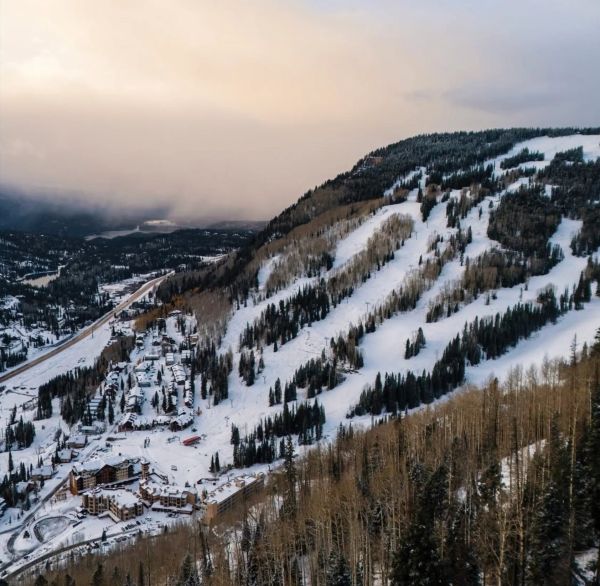
Purgatory’s new trail map reads like a warning label. Seven new trails named after Dante’s Divine Comedy arrive with the Colorado Couloir chairlift in December, adding around 40 acres (16 ha) of steep pitches and gladed tree skiing. Five of them are black or double black. The resort opens for the season this Friday, 20 November.
19 Nov 2026
Brian Head Becomes First Utah Resort to Open for 2026-27, With Six Trails and a New Snowmaking Pipeline
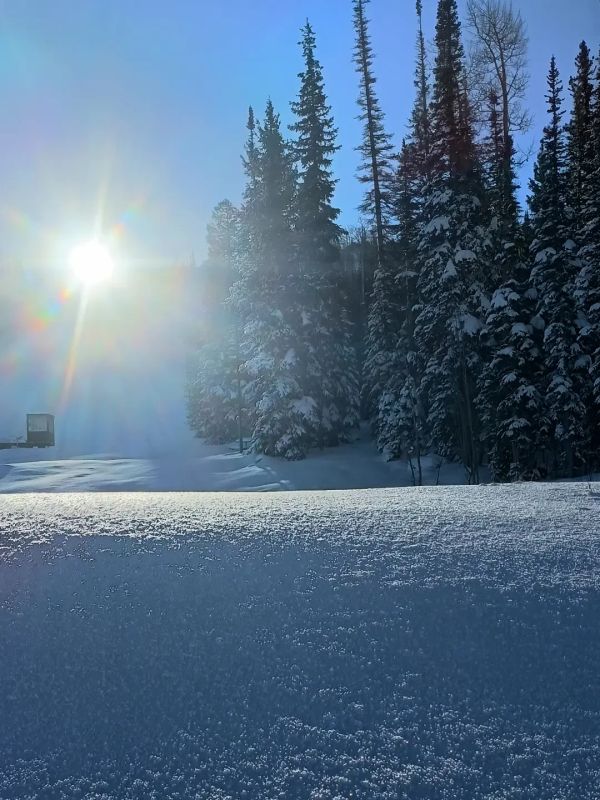
Utah’s ski season has started, and it began in the south. Brian Head opened on Tuesday, 17 November, with six trails on the Navajo Express after 14 inches (36 cm) of storm snow and another half foot on opening day. It is the second year running the resort has beaten the rest of the state to first chair, and it has put nearly $1 million into a new snowmaking pipeline that can run 24 guns at once.
19 Nov 2026
Heavenly and Northstar Open Friday as Lake Tahoe Snow Stacks Up, With Kirkwood Eyeing an Early Start
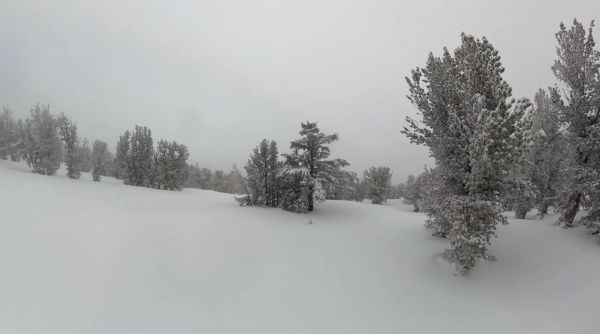
Tahoe has gone from dry to deep in a week. Heavenly and Northstar open this Friday, 20 November, with up to 24 inches (61 cm) already down at Kirkwood and 50+ inches (127 cm) in the 10-day forecast. Kirkwood normally waits until December, but this snow might change that. Heavenly is even talking about opening Stagecoach in Nevada early, which almost never happens this soon.
18 Nov 2026
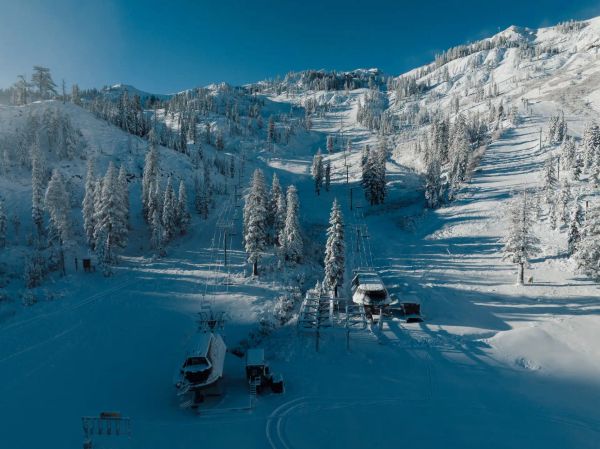
Palisades Tahoe Opens Saturday, Four Days Early, After 26 Inches of New Snow
Palisades Tahoe has pulled its opening forward by four days. Lifts spin this Saturday, 21 November, after 26 inches (66 cm) of new snow, with up to 50 more in the forecast. Opening terrain includes Treeline Cirque at Alpine and Gold Coast and Sunkid 1 at Palisades, though the resort says the weather could change the plan. Tickets are $99 through Tuesday.
18 Nov 2026
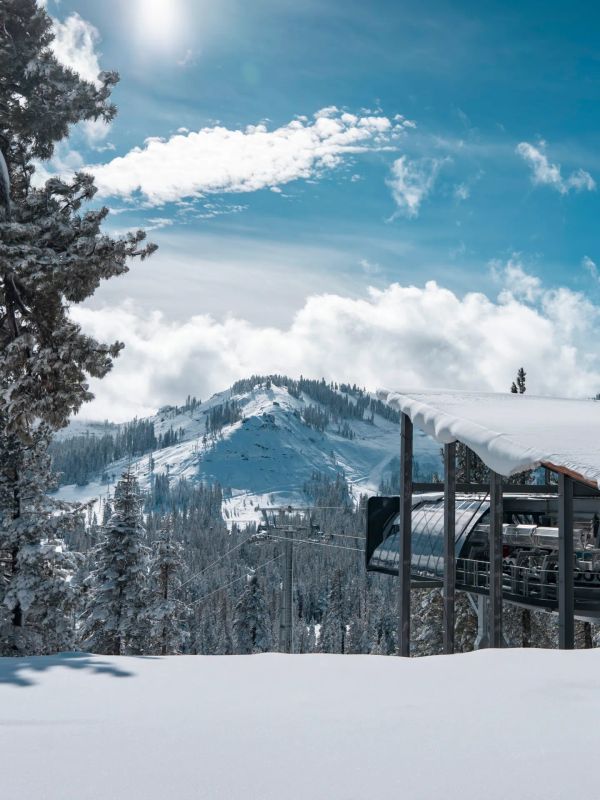
Sugar Bowl Gondola Slips to January 2027 as Opening Day Holds
Sugar Bowl still opens on 27 November, just without its new gondola. The eight-passenger Village Gondola is now targeting January 2027, with all eight towers up, the haul rope on and the first cabin hanging. Until it runs, everyone gets in through the Main Lodge, with curbside drop-off and parking lot shuttles. It replaces the first gondola in the western US, which dates from 1953.
16 Nov 2026
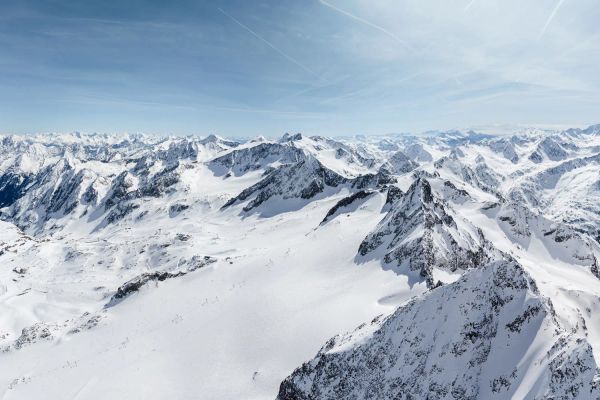
Stubai Glacier Avalanche Ends in Austria’s First Death of the Season
A 72-year-old American skier has died on Stubai Glacier after a small slab avalanche carried him over rocky ground and into a 20-metre crevasse. It is Austria’s first avalanche death of the 2026-27 season, and forecasters had flagged this exact setup two days earlier. Here is what happened near the Daunscharte, and what the snowpack was already telling anyone who was reading it.
15 Nov 2026
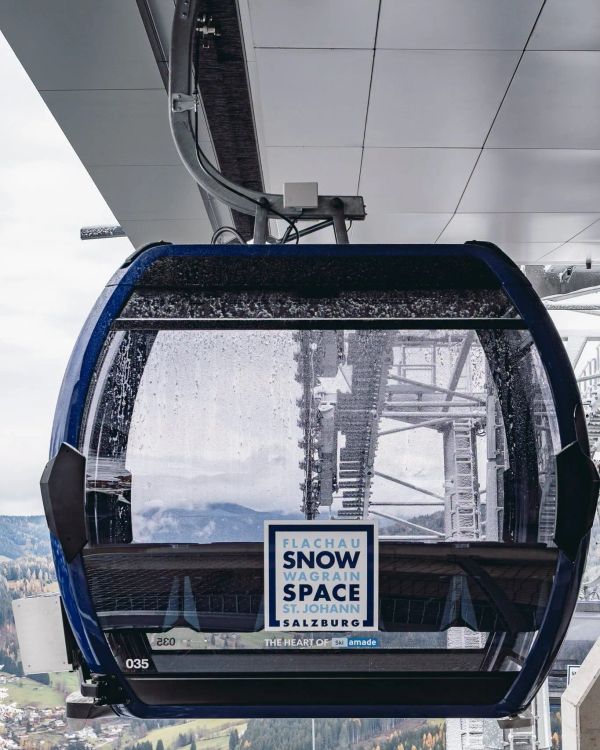
Wagrain’s New Grafenbergbahn Gondola Appears in First Photos
Wagrain’s new Grafenbergbahn is nearly here, and Snow Space Salzburg stamped “no AI” on the first photos, which says plenty about 2026. One 10-person gondola takes over from three old lifts, with 120 cabins moving up to 3,400 people an hour and a mid-station link into the G-Link. Dark blue cabins, fresh snow, no opening date yet.
14 Nov 2026
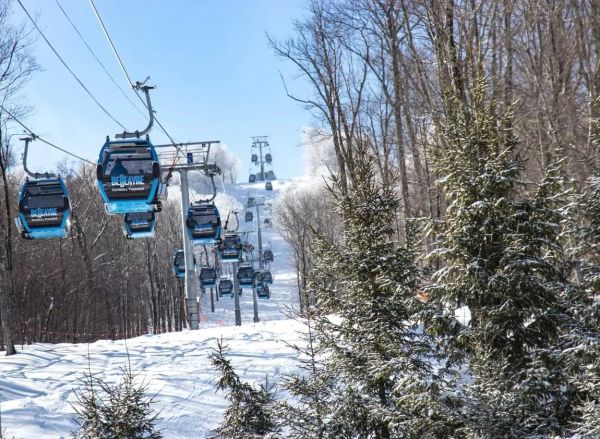
Indy Pass Adds 10 Alpine and 5 Nordic Partners for 2026-27
Indy Pass just got bigger. On 12 November it announced 10 new alpine resorts and 5 Nordic centres for 2026-27, including four in Norway and one in Austria. Three New York State mountains - Whiteface, Gore and Belleayre - also signed on to its Allied Program, with discounted tickets rather than included days. Waitlisted customers are being offered passes, and Learn to Turn news is due this week. Full list inside.
13 Nov 2026
Saint Lary Soulan Snow Report
Snow Report
Updated 19 Nov 2026
2515m
summit
+1cm
new snow · last 24 hours
Snow-3°C / 6°C · W 37km/h
Snowfall
24 hours
1cm
48 hours
1cm
7 days
4cm
Base depth
0cm
Season total
18cm
Typical winter 177cm
Total lifts24
Live open status isn’t available right now.
4 Dec 2026 - 29 Mar 2027
Hour by Hour
Next 39 hours· Updated Nov 19, 2026 at 5:02 AM
Scroll for the full outlook · Open-Meteo
7-Day Outlook
2,331 mUpdated Nov 19, 2026 at 5:02 AMOpen-Meteo
Days 1–7
10cm
Days 8–14
3.1cm
Thu, Nov 19
Snow
Temp6° / -3°°C
Snow1.2cm(98%)
Wind37 km/h W
Live snow from the resort feed; forecast from Open-Meteo, via Supabase.
Understanding the Saint Lary Soulan snow report
Track current conditions at Saint Lary Soulan in France. This report covers snowfall totals, base and summit depth, and the forecast across 59 runs.
Snow measurements
Our snow reports measure snowfall in centimeters over multiple time windows — last 24 hours, last 7 days, and the season total. Base depth reflects accumulation at the 1597m base area, while summit depth captures conditions 918m higher at 2515m, where snow typically stays colder and lingers longer. Imperial conversions are shown alongside for convenience.
Weather conditions
Wind and temperature swings matter as much as fresh snowfall. Cold, calm conditions hold snow quality well, while wind-loading or a warm-up can change things quickly — especially given the elevation spread between Saint Lary Soulan's base and summit.
Data sources
We pull Saint Lary Soulan's conditions from on-the-ground mountain reporting, then layer in forecast data so you get a fuller picture than either source alone. The mountain is served by 48 lifts, including an aerial tram and 4 quad chairlifts.
When to check
The biggest swings usually happen right after a storm. Check Saint Lary Soulan's report in the morning for the freshest numbers, and again in the afternoon as conditions evolve.