
The Overview
Kreuzberg offers an authentic Bavarian skiing experience in the beautiful Rhön Mountains, with 8km of varied terrain catering primarily to families and intermediate skiers. This historic resort maintains traditional character away from mass tourism, delivering uncrowded slopes and spectacular views across the rolling highlands. The manageable size makes it perfect for beginners and children, while still providing enough variety to keep improving skiers engaged throughout their visit.
318m
Vertical
11
Runs
13 km
Piste
1m
Annual snow
The Terrain
11 runs across 13 km of piste
Kreuzberg sits in the Bavarian Rhön, far north of the Alps, with 11 runs and 13 kilometres of piste between 610 metres and 928 metres, a vertical of 318 metres. The grading is 38% beginner and 62% intermediate, with no advanced or expert terrain. Lifts consist of three T-bars, including the Dreitannenlift, an older drag lift that runs for well over a kilometre and carries skiers a long way up the hill. For a low-altitude hill in central Germany it provides some of the longest descents in the Rhön, though they are gentle by Alpine standards.
Kreuzberg is a pure local-hill experience, with a long history of skiing here and a modest, friendly atmosphere. Wide, rolling runs give beginners room to practise and intermediates room to build speed, while the longer descents provide the most satisfying turns. The area suits families, learners and weekend skiers from Franken and Hesse who want a day on snow without the drive to the Alps. At this elevation, season length depends on cold spells and snowmaking, so check conditions before heading out. Advanced skiers will find little to test them and are better off elsewhere.
Terrain split
11
runs
11 runs across 4 grades
Beginner4 runs · 38%
Intermediate7 runs · 62%
Advanced0 runs · 0%
Expert0 runs · 0%
Time it right
When to visit Kreuzberg
Kreuzberg typically operates from December through March, with the most reliable conditions in January and February. The resort benefits from the Rhön's elevated plateau position, which often receives substantial snowfall when other low mountain regions struggle. The predominantly north-facing slopes maintain good snow quality throughout the season, preserving conditions after storms. The relaxed atmosphere makes it particularly appealing during weekends when larger resorts face overcrowding.
Season 2025 - 2026
26 Dec 2026
Opens
1 Mar 2027
Closes
65
Days open
1 m
Annual snow
Getting there
Getting to Kreuzberg, and where to stay
Located in northern Bavaria approximately 150km east of Frankfurt and 100km from Würzburg, Kreuzberg offers an accessible mountain escape within the Rhön Biosphere Reserve. The resort sits adjacent to the historic Kreuzberg Monastery, famous for its brewery producing excellent Franciscan beers since 1731. This central location makes it easily reachable from several major cities for day trips and weekend visits. The surrounding Rhön region offers spectacular landscapes recognized by UNESCO, with excellent cross-country skiing and winter hiking complementing the downhill options.
Where to stay
Search all stays →Hotels and lodges near Kreuzberg, powered by Stay22.
Latest News
From the SnowStash desk

Vermont Ski Resort Opening Dates 2026-27: Few Dates Set, Killington Waits on the Cold
Vermont's season is slow to take shape. Stratton is tentatively targeting 18 November and Sugarbush 21 November, while Pico has Friday 11 December on the calendar. Killington never sets a date and opens when the snowmaking allows, and Vail Resorts has yet to name days for Stowe, Okemo and Mount Snow. The forecasts disagree about snow, and the main El Niño worry for the Green Mountains is warmth.
9 Oct 2026

Crans-Montana 2027 World Championships President Resigns Ahead of Fraud Hearing
Less than four months out from the Crans-Montana 2027 World Championships, the man running the organising committee has stepped down. Claude-Alain Schmidhalter resigned as Swiss-Ski vice president and OC president after being indicted over a business dispute unrelated to skiing. He denies the allegations and faces court on October 27. Interim leaders are in place for the February 1-14 event.
9 Oct 2026

Kelly Canyon, Idaho, Adds Snowmaking, a Bigger Terrain Park and More Parking for 2026-27
Kelly Canyon had a rough 2025-26, and the Idaho resort has spent the summer making sure it doesn’t repeat. Snowmaking now reaches the top of Goldrush, the terrain park is doubling in size with a stereo system, lights and a snack shack, and the car park is getting bigger. Grooming is stepping up too. Target opening is December 4, conditions permitting.
9 Oct 2026

Valle Nevado Extends Season to November 8 After 108 cm in 48 Hours
Winter was meant to be winding down in Chile. Then Valle Nevado took 108 cm in 48 hours in early October, and the resort has pushed its closing date out to November 8 - its latest in 38 years of operation. That makes 143 days of skiing since opening day on June 19, with 690 cm banked for the season. Only part of the mountain is running while the storm settles, so check the mountain report before you plan a trip.
9 Oct 2026

Alps Snow Forecast: Cold Front Brings Thursday Snow to the High Alps
The Alps look a lot more like winter today, for a day or so. A cold front is moving west to east, dropping up to 35 cm on high glaciers and peaks, with snow levels falling to around 1,500-1,800 m at times. Don’t plan a trip around it: mid-elevation snow will be thin and wet, every area is closed bar a limited Sölden glacier opening tomorrow, and warmer weather returns by Monday.
8 Oct 2026

California Ski Resort Opening Dates 2026-27: Mammoth Leads, Tahoe Follows
Mammoth Mountain is first up in California, targeting Friday 13 November after a dusting of September snow. Heavenly and Northstar follow on 20 November, Palisades Tahoe on Wednesday 25 November and Sugar Bowl on 27 November, with Kirkwood on 4 December and June Mountain on 19 December. Plenty of smaller areas have no date yet. A super El Niño favours the Sierra, but a warmer storm track is the catch.
7 Oct 2026

Colorado Ski Resort Opening Dates 2026-27: A-Basin and Keystone Race to Be First
Arapahoe Basin, Keystone and Winter Park are all chasing an October start, though none has a firm date yet. The first dated openers are Breckenridge and Copper on Friday 6 November, then Vail on 13 November, with most of the rest bunched around US Thanksgiving. Hesperus did not open at all last season. A super El Niño offers hope but no guarantee, and forecasters say the southern mountains have the better odds.
5 Oct 2026
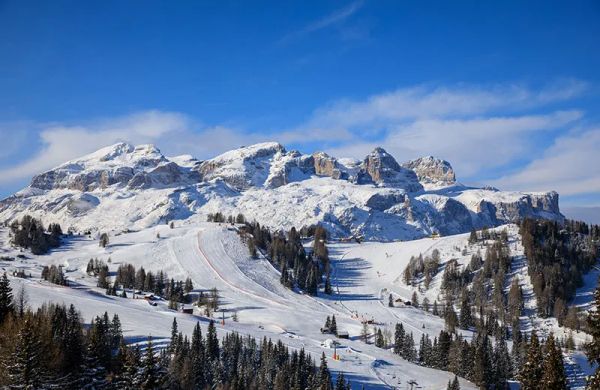
Dolomiti Superski 2026-27: Four New Gondolas, New Reservoirs and an €89 Peak Day Pass
Dolomiti Superski is spending around €100 million across its 12 areas before winter. Kronplatz gets a new 10-passenger gondola with a middle station, 3 Zinnen gets Helmissimo, and Val di Fassa swaps a chairlift for a gondola above Col Valvacin. New water-storage basins and upgraded snowmaking follow, and construction has started on the San Martino to Passo Rolle link. A peak adult day pass is €89.
4 Oct 2026
Kreuzberg Lift System
The lift system at Kreuzberg features one modern chairlift and 5 surface lifts efficiently serving the entire ski area. This network maintains steady uphill capacity without extensive queues even during busy periods. With a vertical drop of 300m, the lifts provide access to diverse terrain across multiple faces of the mountain. The main chairlift delivers skiers to spectacular viewpoints offering panoramic vistas of the Rhön Biosphere Reserve and beyond to the distant Thuringian Forest.
3lifts across 1 types
3
T-Bars
Kreuzberg lift system
Kreuzberg is served by 3 lifts, listed here by type. Check which lifts are turning against the live conditions before you plan your first laps - early lifts and high-speed chairs get you to the best snow fastest.
More Kreuzberg intelligence: trail map, snow report, webcams, resort overview.