
Season 2026 - 2027
Opens
12 Dec 2026
Closes
14 Mar 2027
Days open
92
Annual snow
1m
The Overview
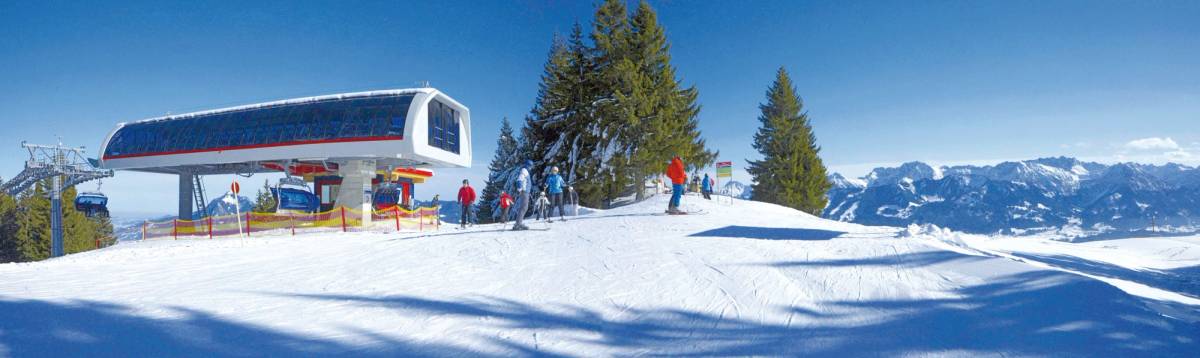
Ofterschwang combines world-class racing heritage with accessible family skiing across 17km of brilliantly maintained slopes. This Allgäu resort regularly hosts World Cup slalom events on its famous Weltcuphang run while still catering perfectly to recreational skiers of all abilities. The resort's excellent snow reliability and efficient operations make it a standout destination in southern Germany, offering genuine Alpine experiences without the crowds of larger ski areas.
525m
Vertical
17
Runs
16.5 km
Piste
1m
Annual snow
The Terrain
17 runs across 16.5 km of piste
Ofterschwang sits on the flanks of the Ofterschwanger Horn in the Allgäu, with 17 runs covering 16.5 kilometres from 880 to 1,405 metres. That is a vertical of 525 metres, healthy for a German hill. Intermediates are the core at 56%, with 28% beginner and 16% advanced, and the area is reached from two valleys, Ofterschwang and Gunzesried. Two gondolas, a six-seat chair, a quad and two further tows handle the traffic, so most of the mountain can be reached without a long walk or a slow T-bar.
The Weltcup slope is the signature descent, a World Cup course with views over Sonthofen that rewards confident carving on a well-groomed surface. The Märchenwiese is the longest run, a gentler cruise of close to four kilometres that gives beginners and tired legs a proper way home. Beyond those two, expect tidy groomers rather than freeride terrain, since there are no expert-rated pistes in the Sanity data. Ofterschwang suits intermediates, families and Allgäu weekenders wanting a well-run local mountain with a bit of racing history behind it.
Terrain split
17
runs
17 runs across 4 grades
Beginner5 runs · 28%
Intermediate10 runs · 56%
Advanced3 runs · 16%
Expert0 runs · 0%
Time it right
When to visit Ofterschwang
The ski season at Ofterschwang typically runs from December through March, with the most reliable conditions in January and February. The resort benefits from advanced snowmaking covering 90% of all slopes, ensuring consistent skiing regardless of natural snowfall. The north-facing World Cup slope maintains exceptional snow quality throughout the season, frequently offering racing-quality conditions for recreational skiers. The microclimate often delivers surprising powder days, particularly during cold snaps.
Season 2026 - 2027
12 Dec 2026
Opens
14 Mar 2027
Closes
92
Days open
1 m
Annual snow
The record
Historical snowfall at Ofterschwang
Daily snow reports at Ofterschwang go back to 2017, 10 winters on the books. Open the record to compare winters, lifts and piste.
50 cm
Snowiest day
8 Dec 2023
18 cm
This winter · 2026-27
so far
91 cm
Typical winter
average of complete seasons
Winter totals
cm
Past wintersThis winter
Getting there
Getting to Ofterschwang, and where to stay
Situated in Bavaria's picturesque Allgäu region, Ofterschwang sits approximately 150km from Munich and 70km from Memmingen Airport. The resort enjoys a beautiful position surrounded by rolling Alpine meadows and impressive mountain peaks. This accessible location makes it popular for weekend trips while maintaining an authentic Bavarian atmosphere. The nearby village of Ofterschwang provides traditional accommodation options and excellent dining serving authentic regional specialties including excellent Allgäuer Käsespätzle.
Where to stay
Search all stays →Stays map loads when you scroll here
Hotels and lodges near Ofterschwang, powered by Stay22.
Good to know
Frequently asked
When is Ofterschwang's ski season?
Ofterschwang's 2026 - 2027 season typically runs from December 12 through March 14. That window is roughly 92 calendar days, though daily operations depend on snow cover, weather, and lift maintenance.
Resorts in Germany, Europe often announce firm dates closer to winter; check the live snow report before you travel if you are planning around opening weekend or spring closure.
How much skiable terrain does Ofterschwang have?
Ofterschwang lists about 16.5 km of piste of marked terrain spread across 17 named runs. That footprint is what most riders experience on a lift-served day. Side-country or hike-to terrain may sit outside these published numbers.
Use the trail map to see how the mountain is laid out and where the longest fall-line runs connect back to base.
What is the terrain like at Ofterschwang?
Trail grading at Ofterschwang breaks down roughly as 28% beginner, 56% intermediate, 16% advanced. The mix is balanced enough for mixed-ability groups, so learners can stay on marked green/blue (Blue/Red) terrain while stronger skiers peel off to steeper pitches.
Percentages describe the resort's published piste mix, not vertical metres. A mountain with modest "expert" stats can still feel demanding if the steep terrain is long or exposed. Read the trail map alongside these numbers when planning your route.
How many lifts does Ofterschwang have?
Ofterschwang operates 6 lifts across 5 lift types. The fleet includes 2 gondolas, 1 6-person chair, 1 quad chair, 1 t-bar, and 1 surface lift.
Lift mix affects how quickly you can lap your favourite zones. Gondolas and trams move big crowds to mid-mountain, while shorter chairs and surface lifts often serve learning areas or local pods. Check the live snow report on ski days for real-time open/closed status.
What is the elevation and vertical drop at Ofterschwang?
Base elevation at Ofterschwang is about 880 m (2,887 ft), with the summit around 1,405 m (4,610 ft), giving roughly 525 m (1,722 ft) of vertical from base to top.
Higher start heights usually mean colder, drier snow holding longer into spring, but also thinner air and faster weather changes. Pack layers if you are riding from village level to summit lifts in one day.
How much snow does Ofterschwang get each season?
Ofterschwang averages about 102 cm (40 inches) of natural snowfall per season. That is a long-term climate figure. Any single winter can run well above or below it depending on storm track and temperature.
For trip planning, pair this baseline with the live snow report and webcams: fresh cycles show up in overnight totals and summit cameras long before season averages tell you much about today's surface.
Where can I buy Ofterschwang lift tickets and how much do they cost?
Published single-day adult pricing on SnowStash currently spans €24 to €53, depending on date band and whether you are buying peak or regular windows. Contact the resort ticket office or check our lift tickets page for the latest purchase options.
Buying ahead of peak holidays and weekends generally saves money and guarantees access on sold-out days. Before you commit, scan the snow report and webcams so you are paying for conditions that match your expectations.
How can I check snow and mountain conditions at Ofterschwang before I go?
SnowStash pulls together 2 live mountain webcams, a downloadable piste map, and the daily snow report for Ofterschwang so you can plan from home. Webcams refresh on a short interval and are the fastest way to judge visibility, wind exposure, and whether storm snow is still falling.
The snow report adds structured totals, base depth where available, and lift/trail status when the resort publishes it. Use both together: cameras show what it looks like right now, and the report summarises numbers your group can compare day to day.
Does Ofterschwang have a trail map?
Yes. The downloadable PDF/image map is better for offline planning, marking meeting points, and understanding the full mountain layout at a glance.
Both versions are on the trail map page for Ofterschwang. If you are navigating with kids or meeting friends across separate lifts, screenshot or print the static map and keep the live map open on your phone for operational updates.
Where is Ofterschwang located?
Ofterschwang sits in Germany, Europe. That regional context matters for travel planning: airport transfers, snow tyres, and typical storm patterns all follow geography as much as resort marketing.
Browse nearby accommodation from the resort page if you are comparing village-base vs valley-base stays; where you sleep changes your first lift of the day more than most trail stats do.
Latest News
From the SnowStash desk

Utah Snow Storm Builds Early-Season Base Ahead of November Openings
Rain down low, snow up high, and a snow report full of zeros that mostly means ‘not updated yet’. Utah’s first proper storm of 2026-27 is rolling through the Wasatch, Snowbird’s snow stake is closing in on 10 inches, and Brian Head is five days from opening day. Early November snow rarely looks like much, but it is the layer every November opening date is built on. Here is where it stands.
1 Nov 2026
Sierra Nevada Halloween Storm: Dodge Ridge Forecast to Lead With 19 Inches
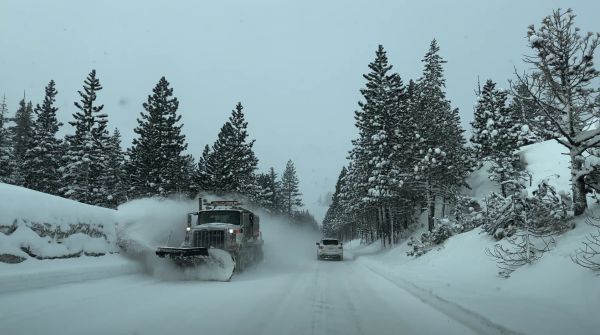
Halloween weekend brings a wet, windy storm to the Sierra Nevada. Our five-day forecast has Dodge Ridge on top with 19 in, followed by Bear Valley at 15 in and Mammoth Mountain at 12 in, with most of it landing on Saturday. A winter weather advisory covers the Tahoe Basin and Mono County until 7 AM Sunday, gusts could reach 47 mph and the freezing level swings between 4,900 and 8,700 ft, so some bases will see rain. A dry spell follows from Monday.
31 Oct 2026
Lake Louise Opens Early on 1 November With Juniper Express and Easy Street
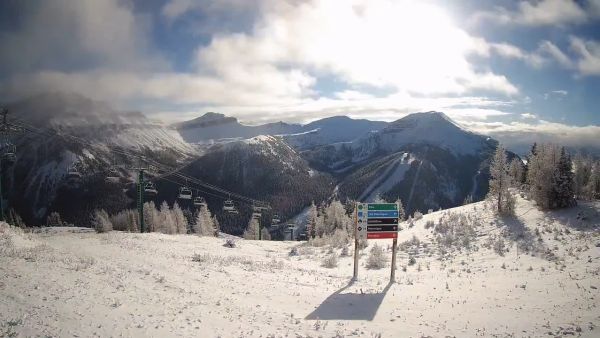
The Rockies get their first lift-served turns of the season early. Lake Louise opens Sunday 1 November, five days ahead of schedule, after a cold October and round-the-clock work from the snowmaking and mountain crews. Terrain is limited to Juniper Express Chair and Easy Street, with two small terrain parks and the beginner area for lessons. Opening-day tickets are over 60% off, with prices rising as more lifts open. First chair is at 9:30 am under the resort’s new lift hours.
31 Oct 2026
Kitzbüheler Horn Summit Cable Car to Be Replaced After 70 Years
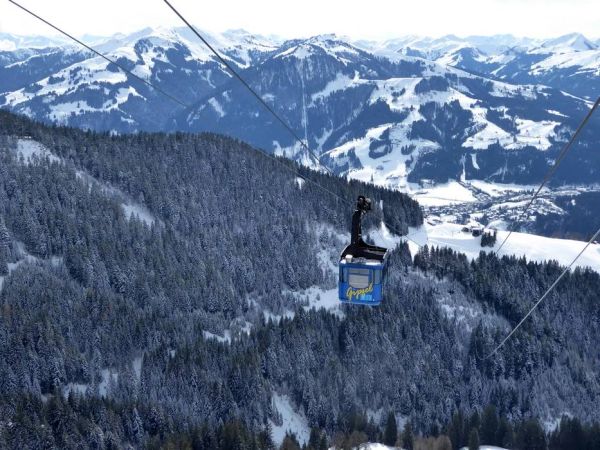
A Tyrolean summit lift that has been carrying guests up the Kitzbüheler Horn since 1955 is on borrowed time. Its licence runs to 2045, but a new inspection rule has made refurbishment uneconomic, so Bergbahn AG Kitzbühel will spend around €15 million on a replacement on the same line. It should hold roughly 100 people and keep running in winds that would stop today’s lift. Building starts in autumn 2027, which makes this winter and next summer the last chances to ride the old one.
30 Oct 2026
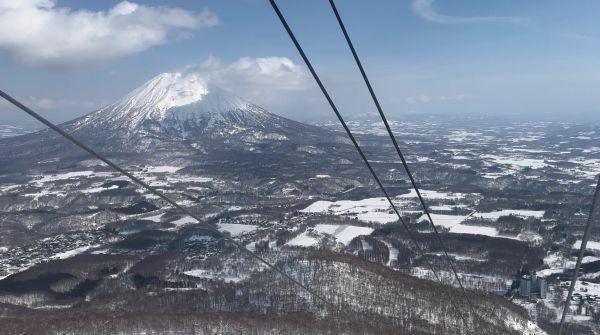
What’s New in Japan Skiing This Winter: Niseko Gondola, a Private Resort and a Bigger Ikon Pass
Niseko Village is replacing a lift from the early 1980s with an eight-person gondola, Tsugaike gets a six-person chairlift, Madarao joins the Ikon Pass and Togari opens Asia’s first private ski resort. Here’s what is actually new in Japan skiing for 2026/27, plus what is still a year or two away.
30 Oct 2026
Wolf Creek Opens on Halloween Weekend as Colorado’s Early Season Gathers Pace
Colorado’s early-season dominoes keep falling. Arapahoe Basin opened on Wednesday, Keystone follows on Friday, and now Wolf Creek is joining in on Saturday 31 October, just in time for Halloween. A storm on 23 and 24 October left 20 inches of natural snow in the San Juans, and three lifts will turn from 9:00 am, covering about 30% of the mountain. Expect rocks, unmarked obstacles and open water, but also Local Appreciation lift tickets at $73 for adults.
30 Oct 2026
Keystone Resort Opens for 2026/27 With More Than Two Miles of Skiing
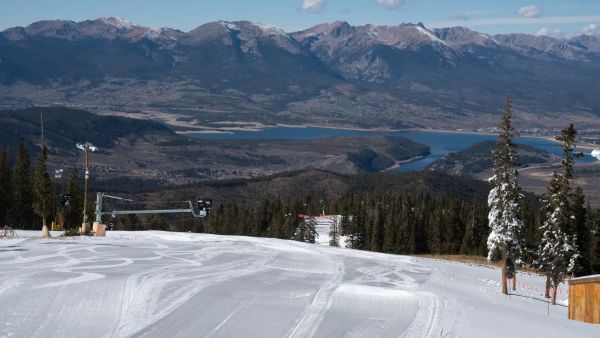
Keystone is next. After Arapahoe Basin claimed the first chairlift skiing of the season on Wednesday, Keystone opens on Friday 30 October at 9:00 am with more than two miles of snowmaking-built terrain on Schoolmarm and Silver Spoon, plus free donuts, coffee and a live DJ. Last year the order was reversed, when Keystone squeezed in a three-hour afternoon session to beat A-Basin by a day. Snowmaking has been running since 15 October.
29 Oct 2026
Beaver Creek Installs 16 Automated Snow Guns on Birds of Prey Ahead of Record World Cup
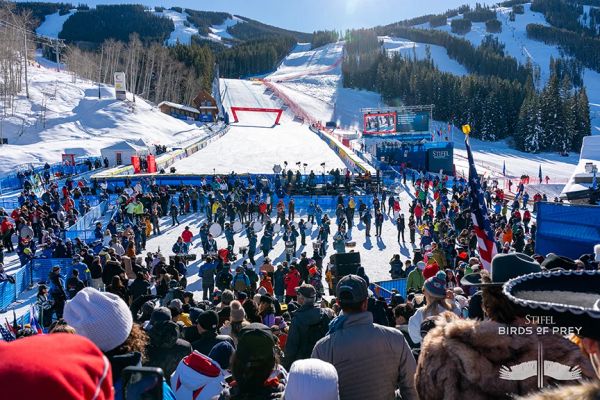
Beaver Creek is getting ready for the biggest Birds of Prey ever, and this time it is not leaving the snow to chance. Crews started making snow on 27 October with 16 newly installed automated guns on the lower third of the course, after last December’s warm spell forced a downhill off the schedule. Seven races across two weekends run from 3 to 13 December, the most the course has hosted since its 1997 debut, and the guns start themselves whenever the weather allows.
29 Oct 2026