The Overview
Michael Fulton
Melbourne-based skier and snowboarder with 50+ resorts across 5 continents. Specialises in Australian resorts and international resort comparisons.
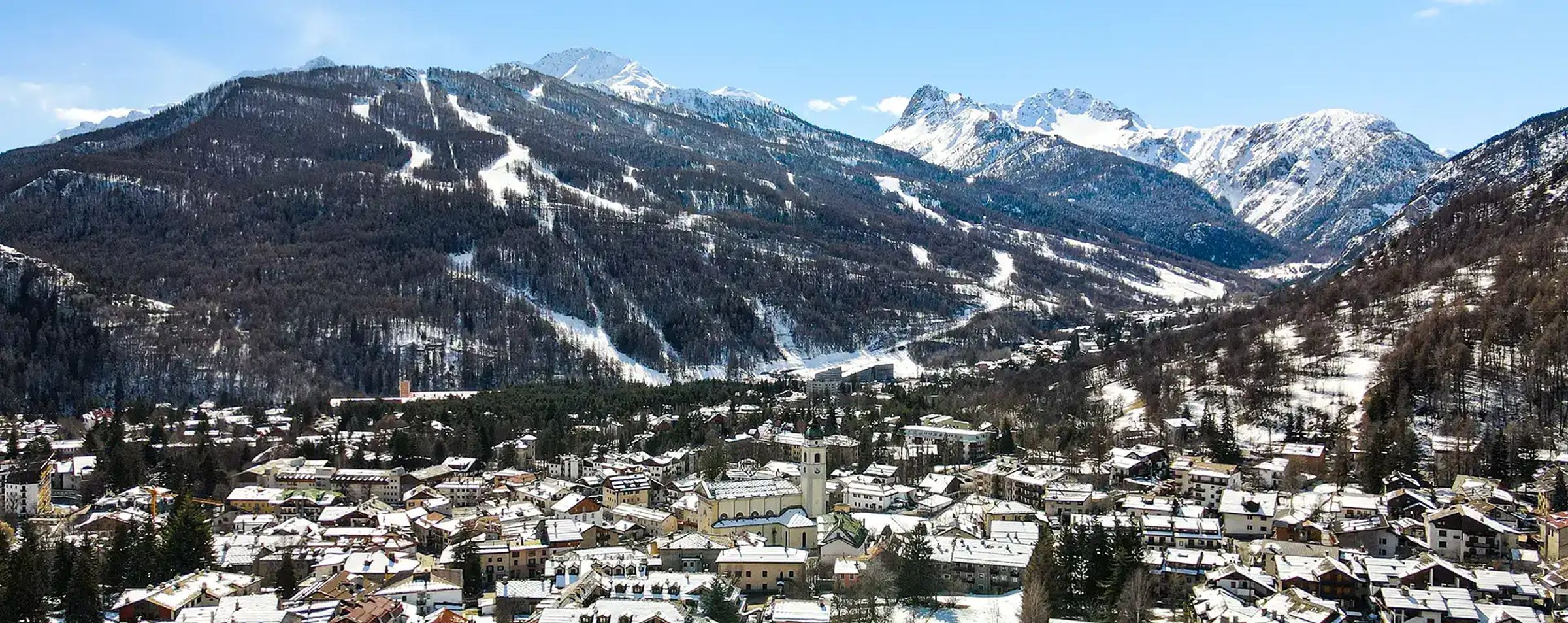
Bardonecchia delivers 100 kilometres of diverse skiing across three distinct sectors: Campo Smith, Melezet, and Jafferau, with elevations ranging from 1,312 to 2,800 metres in Italy's western Alps. The resort's Olympic heritage from the 2006 Turin Games manifests in world-class facilities, including the Melezet Snowpark that ranks among Europe's finest freestyle venues.
Varied terrain encompasses wide, open bowls, technical tree-lined descents, and the challenging Jafferau face, which offers 1,300 metres of vertical drop. Reliable snow conditions stem from the area's favourable microclimate and comprehensive snowmaking covering 80% of all marked runs.
1488m
Vertical
43
Runs
100 km
Piste
4m
Annual snow
The Terrain
43 runs across 100 km of piste
Bardonecchia spreads 43 runs across 100 km of piste of terrain. It leans beginner at 54%, with 23 beginner runs to find your feet and 3 advanced or expert runs when you want to push.
Terrain split
43
runs
43 runs across 4 grades
Beginner23 runs · 54%
Intermediate16 runs · 38%
Advanced3 runs · 8%
Expert0 runs · 0%
Time it right
When to visit Bardonecchia
The Bardonecchia winter season typically runs from early December through mid-April, with optimal conditions from January through March. The area benefits from its strategic position near the French border, receiving consistent snowfall from both Mediterranean and Alpine weather systems. Early season operations begin around Campo Smith before expanding to Melezet and Jafferau as conditions permit.
February offers peak snow accumulation, particularly on the north-facing Jafferau sector, while March delivers excellent spring skiing with reliable morning conditions and increasingly comfortable temperatures. Special night skiing operations extend the experience on select Campo Smith slopes throughout the season.
Season 2026 - 2027
5 Dec 2026
Opens
11 Apr 2027
Closes
127
Days open
4 m
Annual snow
Getting there
Getting to Bardonecchia, and where to stay
Positioned just 6 kilometres from the French border in Piedmont's Susa Valley, Bardonecchia sits 90 kilometres west of Turin and 150 kilometres from Milan. The authentic mountain town features distinctive Piedmontese architecture with historic buildings housing excellent regional restaurants.
Unlike purpose-built resorts, Bardonecchia evolved naturally from a traditional Alpine settlement, maintaining its authentic character while developing modern visitor facilities. The area's strategic location at the end of the A32 motorway and on the Turin-Paris railway line provides exceptional accessibility, including direct high-speed connections from both Paris and London.
Where to stay
Search all stays →Hotels and lodges near Bardonecchia, powered by Stay22.
Latest News
From the SnowStash desk
Colorado Ski Resort Opening Dates 2026-27: A-Basin and Keystone Race to Be First
Arapahoe Basin, Keystone and Winter Park are all chasing an October start, though none has a firm date yet. The first dated openers are Breckenridge and Copper on Friday 6 November, then Vail on 13 November, with most of the rest bunched around US Thanksgiving. Hesperus did not open at all last season. A super El Niño offers hope but no guarantee, and forecasters say the southern mountains have the better odds.
5 Oct 2026
Dolomiti Superski 2026-27: Four New Gondolas, New Reservoirs and an €89 Peak Day Pass
Dolomiti Superski is spending around €100 million across its 12 areas before winter. Kronplatz gets a new 10-passenger gondola with a middle station, 3 Zinnen gets Helmissimo, and Val di Fassa swaps a chairlift for a gondola above Col Valvacin. New water-storage basins and upgraded snowmaking follow, and construction has started on the San Martino to Passo Rolle link. A peak adult day pass is €89.
4 Oct 2026
Utah Ski Resort Opening Dates 2026-27: Brian Head First, Eagle Point Out
Brian Head is targeting 6 November, though last year it aimed for 7 November and did not open until the 25th. Park City, Alta and Solitude are pencilled in for 20 November, Snowbird and Snowbasin for 27 November, and Deer Valley for 5 December. Eagle Point will stay closed after the Cottonwood Fire. A super El Niño is forecast, but the big snow is not expected until January.
4 Oct 2026
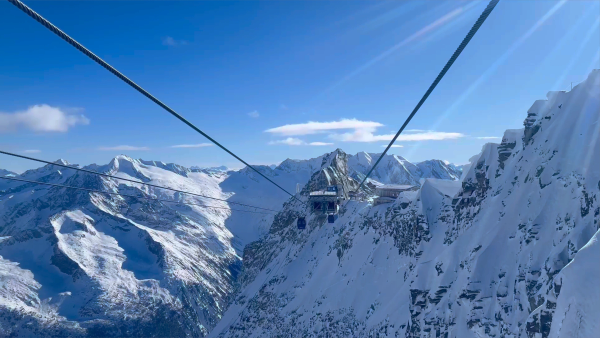
Hintertux Glacier Opens for 2026-27 With 12 Kilometres of Piste
Hintertux became Austria's second glacier to open for 2026-27 on Friday 2 October, after the Pitztal Glacier. Twelve kilometres of piste are running around the Olperer and Gefrorene Wand, served by one gondola and two drag lifts, with the Betterpark also open. Lifts officially run 8:15 am to 4:30 pm, but skiing stops at 2 pm for now.
4 Oct 2026
Vail Resorts Counts the Cost of a Thin Winter as Pass Sales Slide Further
A historically poor western winter cut Vail Resorts' annual net income from $280 million to $147.5 million and skier visits by 13.4 per cent. Now 2026-27 pass units are down 12 per cent as of 18 September, worse than the 10 per cent flagged in spring. Vail blames the weather and thinks some buyers are simply waiting, and it forecasts a rebound if the snow behaves.
3 Oct 2026
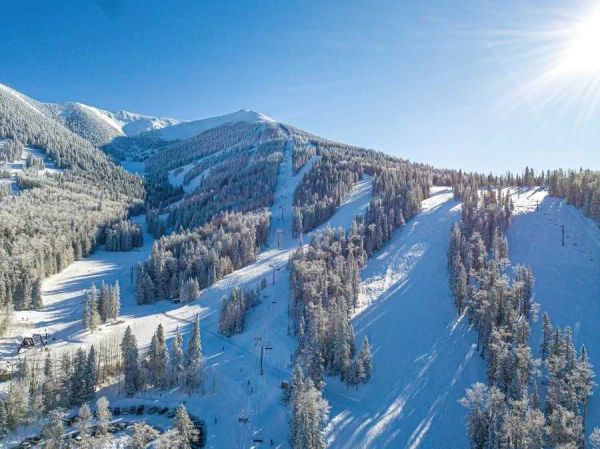
Arizona Snowbowl's $1 Lift Tickets Are Hard to Find, but $9 Days Are Not
Arizona Snowbowl advertised eight $1 lift ticket days this winter. Go looking and only three are showing - 10 March, 1 April and 10 April - so the rest may already have gone. The consolation is a calendar full of $9 days, including all but one day in April. Opening day is 20 November, weather permitting, and opening weekend is $19.
2 Oct 2026
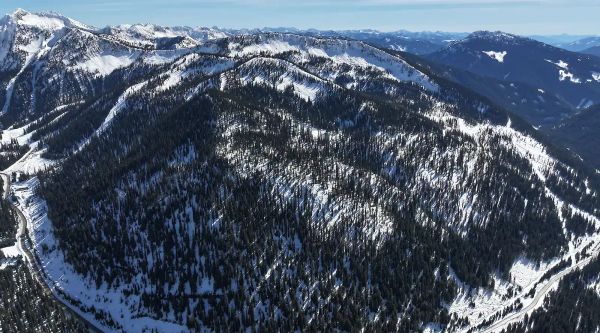
Whitewater Brings Its Short Side Inbounds, With Six New Runs for 2026-27
For years, Whitewater's Short Side was where you ducked a rope and hoped for the best: unmapped, ungroomed and unpatrolled. This winter it's inbounds. Six new runs of glades and fall-line skiing add 190 acres (about 77 hectares), taking the resort past 1,400 acres in total. F2 Logging spent a month in the trees to make it happen, and opening day is pencilled in for 4 December. Bonanza now needs less snow to groom, too.
1 Oct 2026
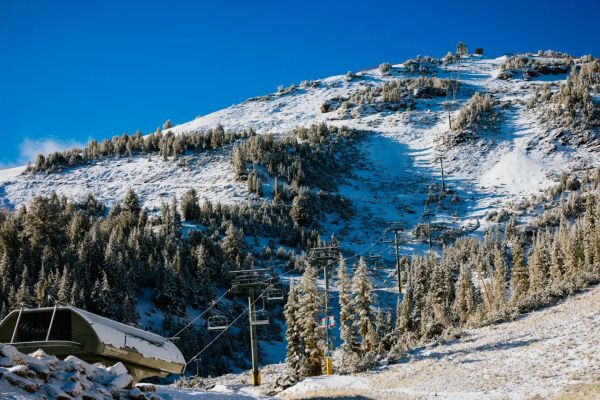
September Dusting Hits Mammoth Mountain Six Weeks Before Opening Day
Mammoth got its first snow of 2026-27 on Monday 28 September - and promptly lost it by Tuesday morning. Barely an inch fell at McCoy Station, but with opening day pencilled in for Friday 13 November, it's the first sign the Sierra is waking up. Last year's date slipped from 14 November to 20 November, so nobody's booking flights on a dusting just yet. Here's where California's early openers stand.
1 Oct 2026
Bardonecchia Lift System
Bardonecchia's efficient lift network comprises 23 installations strategically located across three interconnected mountains. The system includes the Campo Smith gondola providing direct village access, the high-capacity Melezet six-seater chairs serving intermediate zones, and the Jafferau cable car that delivers skiers to the resort's highest terrain at 2,800 metres.
Recent infrastructure investments have increased uphill capacity by 30%, with modern detachable systems featuring weather protection bubbles and heated seats on key routes. The lift system's thoughtful design enables excellent flow between sectors while maintaining distinct experiences in each area.
23lifts across 7 types
1
Gondola
1
8-Person Chair
1
6-Person Chair
6
Quad Chairs
3
Double Chairs
6
T-Bars
5
Surface Lifts
Bardonecchia lift system
Bardonecchia is served by 23 lifts, listed here by type. Check which lifts are turning against the live conditions before you plan your first laps - early lifts and high-speed chairs get you to the best snow fastest.
More Bardonecchia intelligence: trail map, snow report, webcams, resort overview.