
The Overview
Michael Fulton
Melbourne-based skier and snowboarder with 50+ resorts across 5 continents. Specialises in Australian resorts and international resort comparisons.
Via Lattea delivers Europe's most expansive cross-border skiing experience across 400km of interconnected terrain spanning Italy and France, linking seven distinct resorts through a sophisticated lift network. This massive ski domain reaches 2,789m elevation at Mont Motta in Sestriere, connecting the Italian resorts of Sestriere, Sauze d'Oulx, Sansicario, Cesana, Claviere, and Pragelato with France's Montgenèvre across the border. The terrain distribution of 24% beginner, 55% intermediate, and 21% advanced runs across 312 trails creates exceptional variety for all abilities whilst maintaining the famous Olympic heritage from the 2006 Turin Winter Games held throughout the region.
The resort's elevation range between 1,538m and 2,789m ensures reliable snow conditions supplemented by comprehensive snowmaking across 120km of terrain. The predominantly north-facing slopes preserve excellent snow quality throughout the season, with the high-altitude zones in Sestriere and Montgenèvre providing particularly consistent conditions. The interconnected nature allows skiers to traverse between distinctly different resort atmospheres, from purpose-built Sestriere's modern infrastructure to traditional Claviere's authentic mountain village character, all on a single lift pass.
Via Lattea represents exceptional value amongst major European ski areas, with daily lift tickets from €52 offering access to terrain comparable to far more expensive French mega-resorts. The cross-border configuration creates unique opportunities to experience both Italian and French alpine cultures, cuisines, and skiing styles within a single holiday, whilst the sheer scale of 400km ensures fresh terrain exploration throughout extended stays.
1251m
Vertical
312
Runs
400 km
Piste
4m
Annual snow
The Terrain
312 runs across 400 km of piste
Via Lattea is one of the largest linked ski areas in Italy, with 312 runs and 400 kilometres of piste between 1,538 metres and 2,789 metres, a vertical of 1,251 metres. The grading is 24% beginner, 55% intermediate and 21% advanced, with no expert-rated runs. That gives confident intermediates plenty of mileage and leaves a solid share of steeper pistes for stronger skiers. The network runs to 69 lifts, including 28 quad chairs, three eight-seaters, two six-seaters, two gondolas, one aerial tram and 19 T-bars, so plan each day around a sector or two.
The area links Sestriere, Sauze d'Oulx, Sansicario, Claviere and Pragelato, then crosses the border to Montgenèvre in France. Sestriere was built by Giovanni Agnelli in the 1930s and holds the steeper, north-facing pistes. Sansicario hosted the women's speed events on the Fraiteve piste at the 2006 Winter Olympics, and Sestriere staged racing as well. Sauze d'Oulx has wide, tree-lined reds that give shelter when the weather closes in. Via Lattea suits intermediates chasing big days across two countries, and advanced skiers will find enough to stay busy. Expect some long traverses between sectors.
Terrain split
312
runs
312 runs across 4 grades
Beginner75 runs · 24%
Intermediate172 runs · 55%
Advanced66 runs · 21%
Expert0 runs · 0%
Time it right
When to visit Via Lattea
Via Lattea typically operates from late November through late April, with peak conditions occurring January through March when the Piedmont Alps receive substantial natural snowfall averaging 3.5m annually. The elevation range between 1,538m and 2,789m provides sufficient altitude for reliable natural snow preservation across upper zones, supplemented by comprehensive snowmaking across 120km ensuring base area coverage throughout winter. The extended season length reflects the high-altitude infrastructure and north-facing slope orientations preserving snow quality into spring.
The predominantly north-facing aspects across Sestriere, Sansicario, and upper Montgenèvre zones maintain excellent snow preservation throughout winter, whilst lower villages like Cesana occasionally struggle during warm periods. The 2006 Olympic legacy includes world-class grooming standards with extensive snow grooming fleets maintaining immaculate piste conditions across the interconnected network. Weekend and Italian holiday periods attract substantial visitor numbers from Turin, Milan, and Genoa, though the massive terrain distribution prevents congestion affecting skiing quality.
Spring skiing extends reliably through April with pleasant temperatures and softening snow creating enjoyable recreational conditions across higher elevations. The cross-border configuration creates microclimate variations, with French-facing Montgenèvre occasionally receiving different weather patterns than Italian sectors. The sheer scale ensures fresh powder stashes remain discoverable days after storms across the 400km network, particularly in less-travelled intermediate zones connecting resort villages.
Season 2026 - 2027
28 Nov 2026
Opens
18 Apr 2027
Closes
141
Days open
4 m
Annual snow
Getting there
Getting to Via Lattea, and where to stay
Situated in Piedmont's Cottian Alps approximately 90km west of Turin, Via Lattea occupies strategic positioning with exceptional accessibility from northern Italy's major population centres and international airports. Turin-Caselle Airport lies 90km east with transfer times around 90 minutes via the E70 motorway to Oulx, whilst Milan Malpensa 240km southeast provides alternative international connections with 3-hour transfers. Chambéry Airport 137km northwest offers French gateway access, with Geneva 200km north positioning Via Lattea as a weekend destination for multiple European cities.
The historic transport hub of Oulx serves as the geographical centrepiece, with rail connections on the Paris-Turin TGV line providing direct train access eliminating road transfers. The railway station at Oulx sits just 6km from Sauze d'Oulx lifts with regular shuttle bus connections, whilst Briançon station 12km from Montgenèvre serves the French sector. This exceptional rail connectivity distinguishes Via Lattea from many Italian resorts, with the Paris Gare de Lyon to Oulx journey requiring just 5 hours on direct TGV services.
The seven resort villages provide diverse accommodation options spanning purpose-built Sestriere at 2,035m elevation through traditional mountain communities like Claviere at 1,760m and valley town Cesana at 1,354m. The cross-border configuration creates distinctive cultural atmospheres, with Italian sectors offering authentic Piedmontese cuisine and hospitality whilst French Montgenèvre delivers traditional Savoyard alpine character. The Fréjus Tunnel connection provides convenient access from western France and Switzerland, positioning Via Lattea as a natural stopover for multi-resort alpine touring holidays.
Where to stay
Search all stays →Hotels and lodges near Via Lattea, powered by Stay22.
Latest News
From the SnowStash desk

Vermont Ski Resort Opening Dates 2026-27: Few Dates Set, Killington Waits on the Cold
Vermont's season is slow to take shape. Stratton is tentatively targeting 18 November and Sugarbush 21 November, while Pico has Friday 11 December on the calendar. Killington never sets a date and opens when the snowmaking allows, and Vail Resorts has yet to name days for Stowe, Okemo and Mount Snow. The forecasts disagree about snow, and the main El Niño worry for the Green Mountains is warmth.
9 Oct 2026
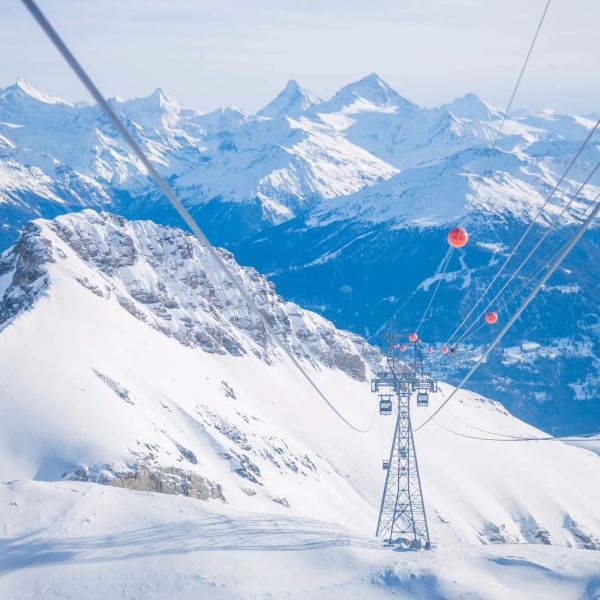
Crans-Montana 2027 World Championships President Resigns Ahead of Fraud Hearing
Less than four months out from the Crans-Montana 2027 World Championships, the man running the organising committee has stepped down. Claude-Alain Schmidhalter resigned as Swiss-Ski vice president and OC president after being indicted over a business dispute unrelated to skiing. He denies the allegations and faces court on October 27. Interim leaders are in place for the February 1-14 event.
9 Oct 2026
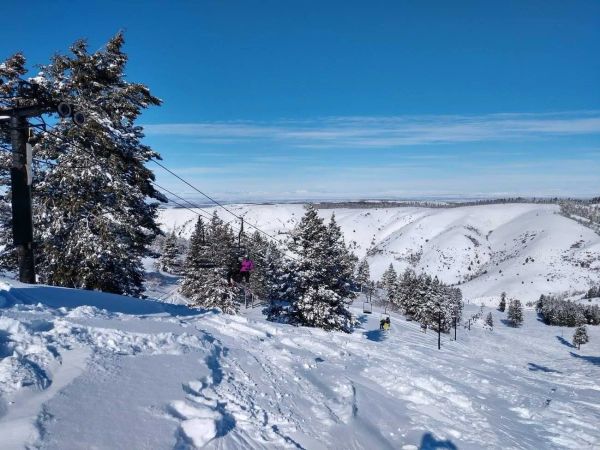
Kelly Canyon, Idaho, Adds Snowmaking, a Bigger Terrain Park and More Parking for 2026-27
Kelly Canyon had a rough 2025-26, and the Idaho resort has spent the summer making sure it doesn’t repeat. Snowmaking now reaches the top of Goldrush, the terrain park is doubling in size with a stereo system, lights and a snack shack, and the car park is getting bigger. Grooming is stepping up too. Target opening is December 4, conditions permitting.
9 Oct 2026
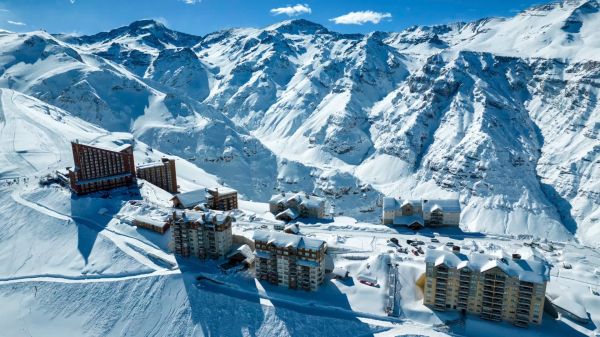
Valle Nevado Extends Season to November 8 After 108 cm in 48 Hours
Winter was meant to be winding down in Chile. Then Valle Nevado took 108 cm in 48 hours in early October, and the resort has pushed its closing date out to November 8 - its latest in 38 years of operation. That makes 143 days of skiing since opening day on June 19, with 690 cm banked for the season. Only part of the mountain is running while the storm settles, so check the mountain report before you plan a trip.
9 Oct 2026
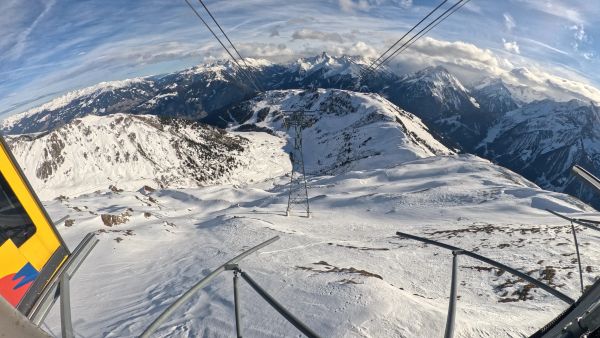
Alps Snow Forecast: Cold Front Brings Thursday Snow to the High Alps
The Alps look a lot more like winter today, for a day or so. A cold front is moving west to east, dropping up to 35 cm on high glaciers and peaks, with snow levels falling to around 1,500-1,800 m at times. Don’t plan a trip around it: mid-elevation snow will be thin and wet, every area is closed bar a limited Sölden glacier opening tomorrow, and warmer weather returns by Monday.
8 Oct 2026
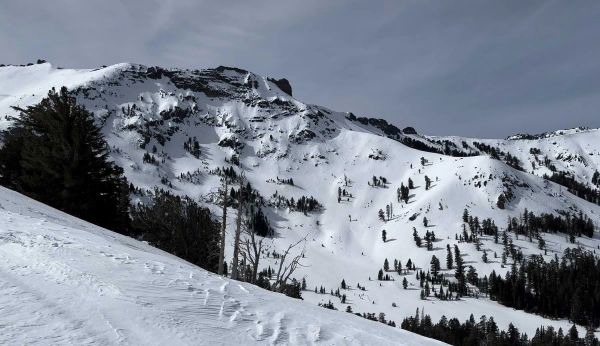
California Ski Resort Opening Dates 2026-27: Mammoth Leads, Tahoe Follows
Mammoth Mountain is first up in California, targeting Friday 13 November after a dusting of September snow. Heavenly and Northstar follow on 20 November, Palisades Tahoe on Wednesday 25 November and Sugar Bowl on 27 November, with Kirkwood on 4 December and June Mountain on 19 December. Plenty of smaller areas have no date yet. A super El Niño favours the Sierra, but a warmer storm track is the catch.
7 Oct 2026
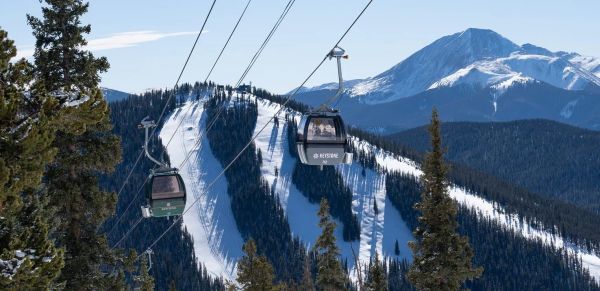
Colorado Ski Resort Opening Dates 2026-27: A-Basin and Keystone Race to Be First
Arapahoe Basin, Keystone and Winter Park are all chasing an October start, though none has a firm date yet. The first dated openers are Breckenridge and Copper on Friday 6 November, then Vail on 13 November, with most of the rest bunched around US Thanksgiving. Hesperus did not open at all last season. A super El Niño offers hope but no guarantee, and forecasters say the southern mountains have the better odds.
5 Oct 2026
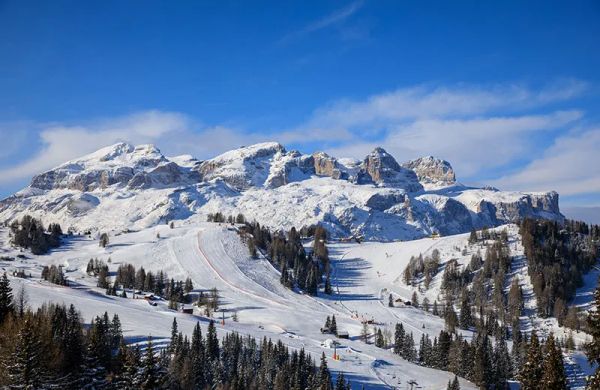
Dolomiti Superski 2026-27: Four New Gondolas, New Reservoirs and an €89 Peak Day Pass
Dolomiti Superski is spending around €100 million across its 12 areas before winter. Kronplatz gets a new 10-passenger gondola with a middle station, 3 Zinnen gets Helmissimo, and Val di Fassa swaps a chairlift for a gondola above Col Valvacin. New water-storage basins and upgraded snowmaking follow, and construction has started on the San Martino to Passo Rolle link. A peak adult day pass is €89.
4 Oct 2026
Via Lattea Snow Report
Snow Report
Updated 9 Oct 2026
2789m
summit
+2cm
new snow · last 24 hours
Overcast0°C / 5°C · NW 28km/h
Snowfall
24 hours
2cm
48 hours
18cm
7 days
22cm
Base depth
0cm
Season total
22cm
Total lifts69
Live open status isn’t available right now.
28 Nov 2026 - 18 Apr 2027
Hour by Hour
Next 47 hours· Updated Oct 10, 2026 at 6:02 AM
Scroll for the full outlook · Open-Meteo
7-Day Outlook
2,789 mUpdated Oct 10, 2026 at 6:02 AMOpen-Meteo
Days 1–7
0.0cm
Days 8–14
0.0cm
Sat, Oct 10
Overcast
Temp5° / 0°°C
Snow0.0cm(3%)
Wind28 km/h NW
Live snow from the resort feed; forecast from Open-Meteo, via Supabase.
Understanding the Via Lattea snow report
Planning a day at Via Lattea? Our snow report combines official mountain data with live weather so you know exactly what conditions look like right now, from the 1538m base to the 2789m summit.
Snow measurements
Snow depth at Via Lattea is tracked at both the base and summit, since the two elevations often see different totals — roughly a 1251m difference here. We report fresh snowfall over the last 24 hours and 7 days alongside the running season total, in both metric and imperial units.
Weather conditions
Wind and temperature swings matter as much as fresh snowfall. Cold, calm conditions hold snow quality well, while wind-loading or a warm-up can change things quickly — especially given the elevation spread between Via Lattea's base and summit.
Data sources
Snowfall and depth figures for Via Lattea come from official mountain sources; weather and outlook data comes from independent forecasting services. The mountain is served by 69 lifts, including an aerial tram and 3 8-person chairlifts.
When to check
Conditions can change overnight, so mornings and late afternoons are the best times to check back on Via Lattea.