
The Overview
Michael Fulton
Melbourne-based skier and snowboarder with 50+ resorts across 5 continents. Specialises in Australian resorts and international resort comparisons.
Cerler is the highest ski resort in the Aragonese Pyrenees, reaching 2,630m at the Gallinero summit and delivering the largest skiable vertical drop in the entire Pyrenean range at 1,133m. Operated under the Aramón group, the resort spreads across 80km of marked pistes and 72 runs in the Benasque Valley, divided between two distinct sectors — Cerler and Ampriu — both connected by chairlift and each with their own base facilities. The terrain skews toward challenging ground, with 22% expert, 38% advanced and 26% intermediate runs, though 14% beginner terrain and two dedicated snow garden areas at Cerler and Ampriu make it a workable destination for families introducing younger skiers to the mountain.
The surrounding landscape is genuinely spectacular, with more than 60 peaks exceeding 3,000m in the immediate vicinity — including Aneto at 3,404m, the highest summit in the Pyrenees. The majority of Cerler's skiing sits above 2,000m, ensuring strong snow retention across a season that runs from December through late April. A standout feature of the resort is the 9km descent from the Gallinero peak all the way to the valley base at 1,500m — widely regarded as the longest run in the Pyrenees, winding through open bowls, pine forest and varied pitch changes across the full 1,133m vertical.
1130m
Vertical
72
Runs
80 km
Piste
5m
Annual snow
The Terrain
72 runs across 80 km of piste
Cerler climbs 1,130 metres, from the village at 1,500 metres to 2,630 metres, across 72 runs and 80 kilometres of piste in the Benasque valley of Aragon. It is one of the steeper-graded resorts in Spain: 38% advanced and 22% expert, 26% intermediate and 14% beginner. Six runs in every ten sit at advanced or expert level, so this is no place to coast. The pistes are split between the Cerler and Ampriu sides of the mountain, giving two distinct feels, and the vertical is among the biggest in the Pyrenees. Beginners should plan on staying near the lower slopes and the nursery area.
Gallinero, the high point at 2,630 metres, is the start of the longest and most rewarding descents, with sustained pitches that suit intermediates on the way down and experts looking for a challenge. Around the Cogulla chair, the black Quebrantahuesos is the run advanced skiers talk about, a steep wall that rewards good edge control. The Ampriu side adds off-piste options, though conditions change quickly, and a guide is the sensible choice. Cerler suits confident skiers and riders who want a serious workout, and mixed groups where the stronger skiers outnumber the novices.
Terrain split
72
runs
72 runs across 4 grades
Beginner10 runs · 14%
Intermediate19 runs · 26%
Advanced27 runs · 38%
Expert16 runs · 22%
Time it right
When to visit Cerler
Cerler operates from mid-December through late April, with the 2025/26 season running from 13 December to 21 April. The resort records an average annual snowfall of around 5 metres, with the snowiest period typically falling in the first week of March, when the central Pyrenees regularly receives its heaviest accumulations. High-altitude terrain dominates the ski area — most of the skiable acreage sits above 2,000m — which means snow quality holds well across the full season, particularly on the north and east-facing aspects that shade from afternoon sun. The base depth at the current point in the 2025/26 season sits at 260cm with a season total of 489cm, reflecting a strong winter in the Aragonese Pyrenees.
The resort's position deep in the Benasque Valley creates a sheltered microclimate that buffers the ski area from the high winds that periodically affect more exposed Pyrenean resorts, allowing lifts to operate on days when neighbouring mountains shut down upper installations. Spring conditions at Cerler tend to be reliable into April, with the altitude of the Gallinero summit maintaining cold temperatures and preserving cover on upper runs. The resort's snowiest calendar week averages around 24cm of new snow, with the March peak aligning well with school holiday periods and making mid-season the most popular window for visiting.
Season 2026 - 2027
5 Dec 2026
Opens
4 Apr 2027
Closes
120
Days open
5 m
Annual snow
Getting there
Getting to Cerler, and where to stay
Cerler sits in the Benasque Valley in the province of Huesca, in the Aragon region of northeastern Spain — one of the most scenically dramatic valleys in the entire Pyrenean range. The resort base is perched above the village of Cerler at 1,500m, with the historic market town of Benasque just 6km further down the valley providing the main accommodation and restaurant hub for visitors. Benasque has earned a well-deserved reputation as the mountaineering capital of the Pyrenees, serving as the access point for expeditions to Aneto, Monte Perdido and Posets — three of the range's most significant summits — which gives the valley a year-round mountain culture rarely found at ski-focused destinations.
The closest major airport for international travellers is Zaragoza, approximately 200km and around three hours by road via Barbastro, Graus and Campo. Lourdes and Lleida-Alguaire airports are both within three hours' drive, with Toulouse in France also viable for travellers connecting onward. Barcelona is around three to four hours. The town of Benasque offers traditional Aragonese stone architecture, tapas bars, and a lively après-ski scene that operates on Spanish time — meaning dinner before 9pm is firmly optional. As an Aramón group member, a Cerler lift ticket also unlocks access to Formigal-Panticosa, Javalambre and Valdelinares under the multi-resort Aramón pass.
Where to stay
Search all stays →Hotels and lodges near Cerler, powered by Stay22.
Latest News
From the SnowStash desk

Vermont Ski Resort Opening Dates 2026-27: Few Dates Set, Killington Waits on the Cold
Vermont's season is slow to take shape. Stratton is tentatively targeting 18 November and Sugarbush 21 November, while Pico has Friday 11 December on the calendar. Killington never sets a date and opens when the snowmaking allows, and Vail Resorts has yet to name days for Stowe, Okemo and Mount Snow. The forecasts disagree about snow, and the main El Niño worry for the Green Mountains is warmth.
9 Oct 2026

Crans-Montana 2027 World Championships President Resigns Ahead of Fraud Hearing
Less than four months out from the Crans-Montana 2027 World Championships, the man running the organising committee has stepped down. Claude-Alain Schmidhalter resigned as Swiss-Ski vice president and OC president after being indicted over a business dispute unrelated to skiing. He denies the allegations and faces court on October 27. Interim leaders are in place for the February 1-14 event.
9 Oct 2026

Kelly Canyon, Idaho, Adds Snowmaking, a Bigger Terrain Park and More Parking for 2026-27
Kelly Canyon had a rough 2025-26, and the Idaho resort has spent the summer making sure it doesn’t repeat. Snowmaking now reaches the top of Goldrush, the terrain park is doubling in size with a stereo system, lights and a snack shack, and the car park is getting bigger. Grooming is stepping up too. Target opening is December 4, conditions permitting.
9 Oct 2026
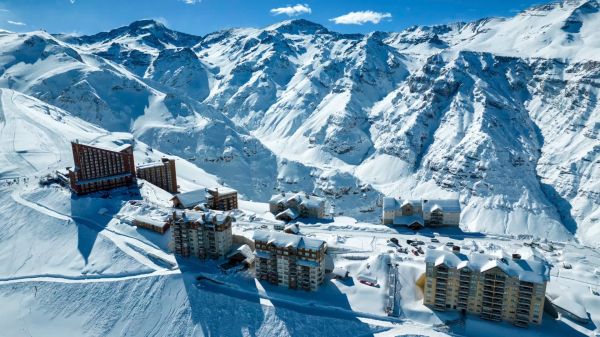
Valle Nevado Extends Season to November 8 After 108 cm in 48 Hours
Winter was meant to be winding down in Chile. Then Valle Nevado took 108 cm in 48 hours in early October, and the resort has pushed its closing date out to November 8 - its latest in 38 years of operation. That makes 143 days of skiing since opening day on June 19, with 690 cm banked for the season. Only part of the mountain is running while the storm settles, so check the mountain report before you plan a trip.
9 Oct 2026
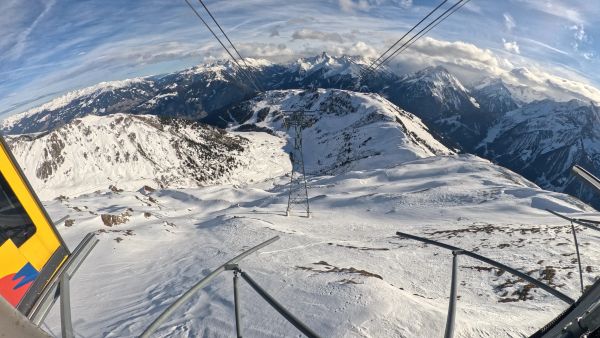
Alps Snow Forecast: Cold Front Brings Thursday Snow to the High Alps
The Alps look a lot more like winter today, for a day or so. A cold front is moving west to east, dropping up to 35 cm on high glaciers and peaks, with snow levels falling to around 1,500-1,800 m at times. Don’t plan a trip around it: mid-elevation snow will be thin and wet, every area is closed bar a limited Sölden glacier opening tomorrow, and warmer weather returns by Monday.
8 Oct 2026
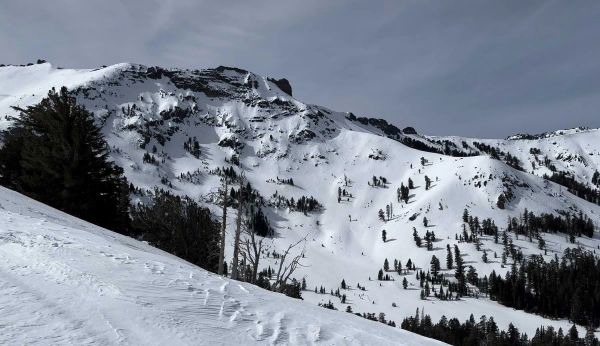
California Ski Resort Opening Dates 2026-27: Mammoth Leads, Tahoe Follows
Mammoth Mountain is first up in California, targeting Friday 13 November after a dusting of September snow. Heavenly and Northstar follow on 20 November, Palisades Tahoe on Wednesday 25 November and Sugar Bowl on 27 November, with Kirkwood on 4 December and June Mountain on 19 December. Plenty of smaller areas have no date yet. A super El Niño favours the Sierra, but a warmer storm track is the catch.
7 Oct 2026
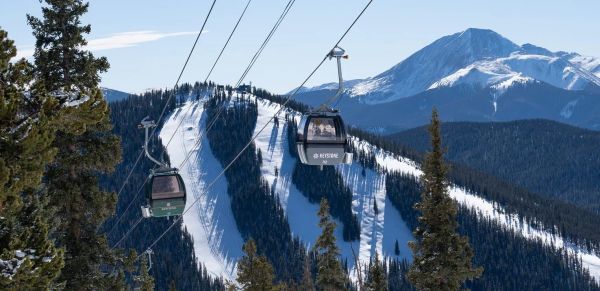
Colorado Ski Resort Opening Dates 2026-27: A-Basin and Keystone Race to Be First
Arapahoe Basin, Keystone and Winter Park are all chasing an October start, though none has a firm date yet. The first dated openers are Breckenridge and Copper on Friday 6 November, then Vail on 13 November, with most of the rest bunched around US Thanksgiving. Hesperus did not open at all last season. A super El Niño offers hope but no guarantee, and forecasters say the southern mountains have the better odds.
5 Oct 2026
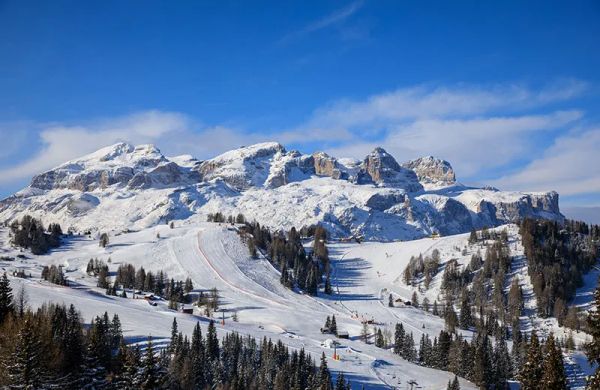
Dolomiti Superski 2026-27: Four New Gondolas, New Reservoirs and an €89 Peak Day Pass
Dolomiti Superski is spending around €100 million across its 12 areas before winter. Kronplatz gets a new 10-passenger gondola with a middle station, 3 Zinnen gets Helmissimo, and Val di Fassa swaps a chairlift for a gondola above Col Valvacin. New water-storage basins and upgraded snowmaking follow, and construction has started on the San Martino to Passo Rolle link. A peak adult day pass is €89.
4 Oct 2026
Cerler Webcams
5 live angles across the mountain. Tap any camera to go full-screen.
About Cerler's live webcams
Check live conditions across Cerler with 5 real-time webcams showing snow, weather, and lift operations, updated every 10 minutes. Check high-elevation cams for powder visibility and base-area cams for crowd levels before you head up.
Camera guide
- Gallinero Summit Peak2630m
- Experience the roof of the Aragonese Pyrenees through this commanding Cerler webcam at the Gallinero summit, perched at a breathtaking 2630 meters — the starting point for the longest descent in the entire Pyrenean range. This webcam Cerler delivers unobstructed views across more than 60 surrounding peaks exceeding 3000 meters, including Aneto, with real-time conditions across the upper mountain terrain where the famous 1133-meter vertical descent begins. The definitive webcam aramon cerler reference for expert skiers — check this Cerler live cam before committing to the full Gallinero-to-base run, ensuring visibility, snow quality and conditions are aligned for one of Spain's most epic ski days.
- Castanesa Valley2350m
- Assess advanced high-altitude conditions through this Cerler webcam surveying the dramatic Castanesa valley terrain at 2350 meters elevation, where the resort's most challenging off-piste itineraries and technical black runs carve through genuinely wild Pyrenean terrain. This webcam Cerler is essential viewing for expert skiers planning descents in this sector, delivering real-time snow quality intelligence from an elevation band that retains cold, dry powder long after lower areas have consolidated. Among the most valuable cerler webcams for advanced riders, this live snow cam reveals current visibility and surface conditions across the demanding terrain that defines this resort's reputation among serious Pyrenean skiers.
- Ampriu Village1912m
- Check base village conditions through this webcam Cerler positioned at the heart of Ampriu at 1912 meters elevation, where the charming high-altitude village serves as the primary arrival point for skiers exploring Spain's most vertically dramatic Pyrenean resort. This Cerler live cam monitors snow coverage across the village center, the popular Ampriu Park children's area, and the key lift access points that feed into the broader ski domain. One of the most-checked cerler webcams for families planning their day, this live snow cam gives you an instant read on base conditions before heading up into the mountain.
- Restaurante El Bosque2085m
- Plan your perfect mountain day through this Cerler webcam at Restaurante El Bosque, monitoring mid-mountain conditions at 2085 meters where the resort's intermediate terrain fans out across the Benasque Valley's spectacular high-altitude landscape. This webcam Cerler provides real-time visibility of slope conditions and restaurant activity at one of the mountain's most popular lunch stops, helping skiers time their breaks around snow quality and crowd levels. A reliable reference among cerler webcams for intermediate skiers, this live snow cam reveals current conditions across the well-connected mid-mountain zone linking both resort sectors.
- Cota 2000 Intermediate Zone2021m
- Monitor the resort's central interchange hub through this cerler webcam at Cota 2000, positioned at 2021 meters where the Cerler and Ampriu sectors meet and skiers of all levels converge on the mountain's most connected terrain. This webcam aramon cerler delivers real-time views across the popular intermediate pistes radiating from this elevation band, giving you critical visibility of conditions before committing to your route across Spain's highest Pyrenean ski domain. Essential for planning your traverse between sectors, this Cerler live cam captures the operational pulse of the resort's busiest lift interchange throughout the day.
Cerler snow cams FAQ
How often do Cerler snow cams update?
All Cerler snow cams and webcams update every 10 minutes with fresh images showing current mountain conditions. This frequent update schedule ensures you have access to near real-time conditions for planning your ski day at Cerler.
Which Cerler webcam shows the best powder conditions?
The high-elevation Gallinero Summit Peak webcam at 2,630m provides the clearest view of powder conditions and snowfall. These Cerler webcams capture fresh snow accumulation and visibility better than base area cameras.
Can I see Cerler lift queues on the webcams?
Yes. Multiple Cerler snow cams specifically show lift queue areas and chairlift operations, helping you time your arrival and avoid peak queue periods.
When is the best time to check Cerler snow cams?
Check Cerler webcams early morning (7-8am) for overnight snowfall assessment, and mid-afternoon for current crowd levels and weather. The live cams are most useful after storm events to assess fresh powder.
How can I check current conditions before buying Cerler lift tickets?
Use our Cerler webcams alongside the live snow report to assess conditions before purchasing lift tickets. The webcams show real-time visibility, snow quality, and operational status.
Do Cerler webcams work on mobile devices?
Yes. All Cerler snow cams and webcams are optimized for mobile viewing, so you can check live conditions from anywhere using your phone or tablet.
More Cerler intelligence: snow report, lift tickets, trail map, resort overview.