
Cerler
Cerler reaches 2,630m with the Pyrenees' largest vertical drop of 1,133m. Ski 80km of terrain in Spain's Benasque Valley.
Season 2026 - 2027
Opens
5 Dec 2026
Closes
4 Apr 2027
Days open
120
Annual snow
5m
The Overview
Michael Fulton
Melbourne-based skier and snowboarder with 50+ resorts across 5 continents. Specialises in Australian resorts and international resort comparisons.
Cerler is the highest ski resort in the Aragonese Pyrenees, reaching 2,630m at the Gallinero summit and delivering the largest skiable vertical drop in the entire Pyrenean range at 1,133m. Operated under the Aramón group, the resort spreads across 80km of marked pistes and 72 runs in the Benasque Valley, divided between two distinct sectors — Cerler and Ampriu — both connected by chairlift and each with their own base facilities. The terrain skews toward challenging ground, with 22% expert, 38% advanced and 26% intermediate runs, though 14% beginner terrain and two dedicated snow garden areas at Cerler and Ampriu make it a workable destination for families introducing younger skiers to the mountain.
The surrounding landscape is genuinely spectacular, with more than 60 peaks exceeding 3,000m in the immediate vicinity — including Aneto at 3,404m, the highest summit in the Pyrenees. The majority of Cerler's skiing sits above 2,000m, ensuring strong snow retention across a season that runs from December through late April. A standout feature of the resort is the 9km descent from the Gallinero peak all the way to the valley base at 1,500m — widely regarded as the longest run in the Pyrenees, winding through open bowls, pine forest and varied pitch changes across the full 1,133m vertical.
1130m
Vertical
72
Runs
80 km
Piste
5m
Annual snow
The Terrain
72 runs across 80 km of piste
Cerler climbs 1,130 metres, from the village at 1,500 metres to 2,630 metres, across 72 runs and 80 kilometres of piste in the Benasque valley of Aragon. It is one of the steeper-graded resorts in Spain: 38% advanced and 22% expert, 26% intermediate and 14% beginner. Six runs in every ten sit at advanced or expert level, so this is no place to coast. The pistes are split between the Cerler and Ampriu sides of the mountain, giving two distinct feels, and the vertical is among the biggest in the Pyrenees. Beginners should plan on staying near the lower slopes and the nursery area.
Gallinero, the high point at 2,630 metres, is the start of the longest and most rewarding descents, with sustained pitches that suit intermediates on the way down and experts looking for a challenge. Around the Cogulla chair, the black Quebrantahuesos is the run advanced skiers talk about, a steep wall that rewards good edge control. The Ampriu side adds off-piste options, though conditions change quickly, and a guide is the sensible choice. Cerler suits confident skiers and riders who want a serious workout, and mixed groups where the stronger skiers outnumber the novices.
Terrain split
72
runs
72 runs across 4 grades
Beginner10 runs · 14%
Intermediate19 runs · 26%
Advanced27 runs · 38%
Expert16 runs · 22%
Time it right
When to visit Cerler
Cerler operates from mid-December through late April, with the 2025/26 season running from 13 December to 21 April. The resort records an average annual snowfall of around 5 metres, with the snowiest period typically falling in the first week of March, when the central Pyrenees regularly receives its heaviest accumulations. High-altitude terrain dominates the ski area — most of the skiable acreage sits above 2,000m — which means snow quality holds well across the full season, particularly on the north and east-facing aspects that shade from afternoon sun. The base depth at the current point in the 2025/26 season sits at 260cm with a season total of 489cm, reflecting a strong winter in the Aragonese Pyrenees.
The resort's position deep in the Benasque Valley creates a sheltered microclimate that buffers the ski area from the high winds that periodically affect more exposed Pyrenean resorts, allowing lifts to operate on days when neighbouring mountains shut down upper installations. Spring conditions at Cerler tend to be reliable into April, with the altitude of the Gallinero summit maintaining cold temperatures and preserving cover on upper runs. The resort's snowiest calendar week averages around 24cm of new snow, with the March peak aligning well with school holiday periods and making mid-season the most popular window for visiting.
Season 2026 - 2027
5 Dec 2026
Opens
4 Apr 2027
Closes
120
Days open
5 m
Annual snow
Getting there
Getting to Cerler, and where to stay
Cerler sits in the Benasque Valley in the province of Huesca, in the Aragon region of northeastern Spain — one of the most scenically dramatic valleys in the entire Pyrenean range. The resort base is perched above the village of Cerler at 1,500m, with the historic market town of Benasque just 6km further down the valley providing the main accommodation and restaurant hub for visitors. Benasque has earned a well-deserved reputation as the mountaineering capital of the Pyrenees, serving as the access point for expeditions to Aneto, Monte Perdido and Posets — three of the range's most significant summits — which gives the valley a year-round mountain culture rarely found at ski-focused destinations.
The closest major airport for international travellers is Zaragoza, approximately 200km and around three hours by road via Barbastro, Graus and Campo. Lourdes and Lleida-Alguaire airports are both within three hours' drive, with Toulouse in France also viable for travellers connecting onward. Barcelona is around three to four hours. The town of Benasque offers traditional Aragonese stone architecture, tapas bars, and a lively après-ski scene that operates on Spanish time — meaning dinner before 9pm is firmly optional. As an Aramón group member, a Cerler lift ticket also unlocks access to Formigal-Panticosa, Javalambre and Valdelinares under the multi-resort Aramón pass.
Where to stay
Search all stays →Hotels and lodges near Cerler, powered by Stay22.
Latest News
From the SnowStash desk
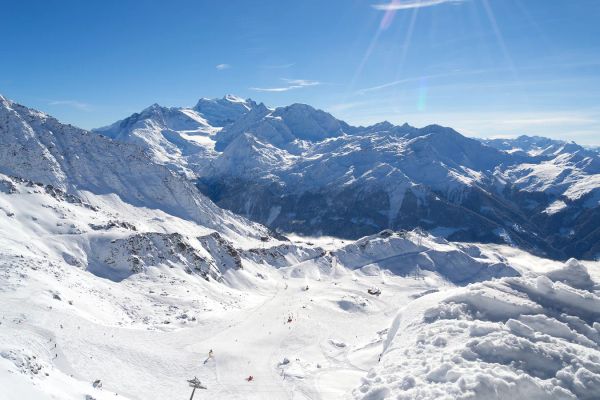
Alps Snow Forecast: Up to 64 cm Headed for the High Glaciers as the Snow Line Drops
The Alps are about to swap mild, sunny October weather for something far more wintry. A cold front arrives Tuesday, and SnowStash forecasts have Monterosa Ski out in front with 64 cm over 14 days, ahead of Blatten Belalp (55 cm) and Verbier (43 cm). The snow line should fall below 2000 metres by Wednesday night, and glaciers across Switzerland, Italy and Austria are in line for the best of it. The wind will have a say too.
20 Oct 2026
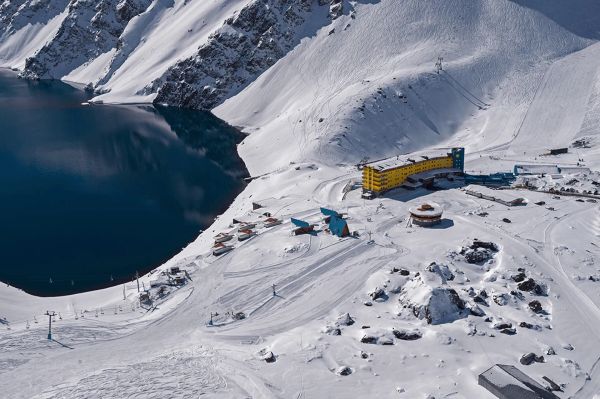
Four Dead After Avalanche Near Ski Portillo in Chile
A large avalanche struck near Laguna del Inca adjacent to Ski Portillo on Saturday afternoon, killing four people and injuring four others. The group were day visitors mountaineering in the backcountry after reportedly being warned about elevated avalanche risk by resort staff.
18 Oct 2026
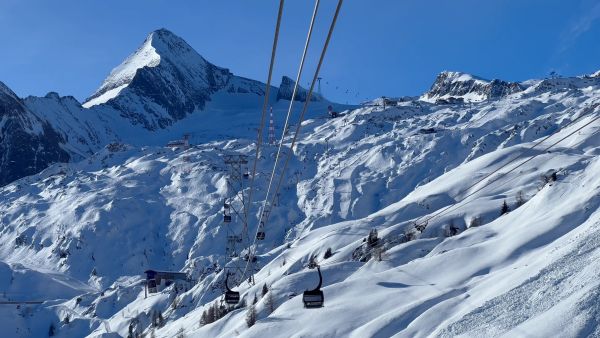
Europe Ski Resorts Open Now: What Is Skiable in Mid-October 2026
Europe’s ski season is open, technically. After a record-warm summer, glaciers in Austria, Switzerland and Italy are running a few pistes apiece, Sölden, Stubai and Kitzsteinhorn started late, Titlis has pushed back to 24 October, and Zermatt reopens a few lifts on 14 October after more than two months shut. Finland’s Levi and Ruka are skiing on stored snow. Here is what is open, and what you actually get at each.
14 Oct 2026
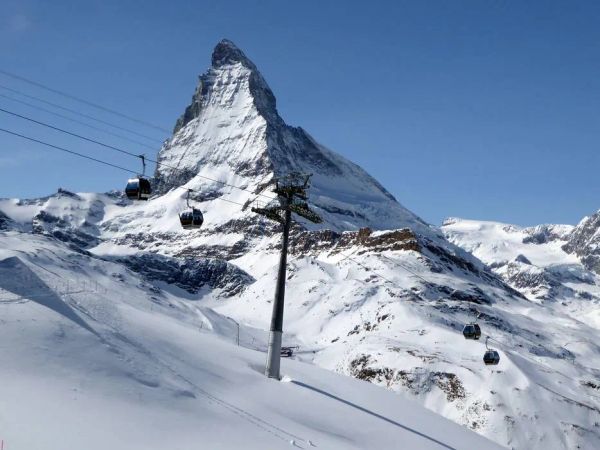
Zermatt Plans World Cup Downhill Return on the Gornergrat for 2028
Zermatt is having another crack at a World Cup downhill, and this time nobody has to cross a border. Around 13 million Swiss francs is going into rebuilding the Gornergrat piste, including a jump fed by a roughly 300-metre in-run across the roof of the Gornergrat Railway gallery, with the Matterhorn lined up behind it for the TV cameras. First men’s race is pencilled in for March 2028, pending FIS homologation.
14 Oct 2026
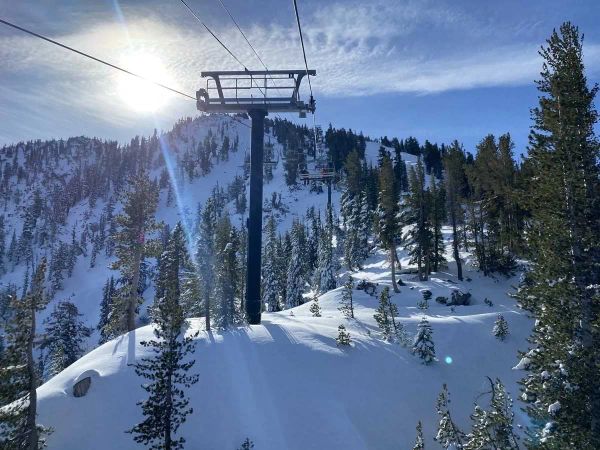
Mt. Rose Begins Snowmaking for the 2026-27 Season at Lake Tahoe
Lake Tahoe’s highest base elevation is paying off early: Mt. Rose has started making snow for 2026-27 after the first flurries and a cold snap. The Nevada resort is backing it with nearly US$2 million in upgrades, including a replacement snowmaking main line, a new PistenBully groomer and restraint bars on every lift. Opening day is yet to be confirmed, though Heavenly and Northstar are already eyeing 20 November.
13 Oct 2026
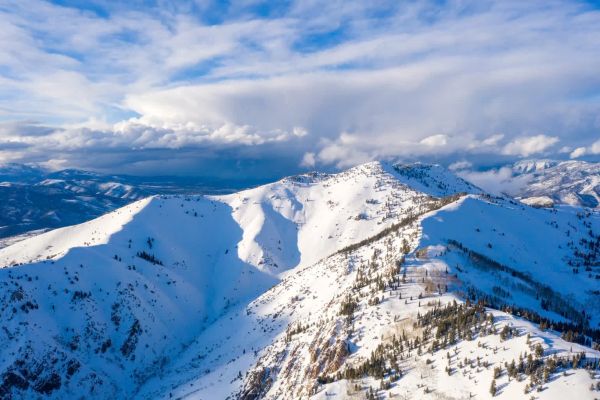
Utah Ski Resorts 2026-27: What’s New at Alta, Deer Valley, Powder Mountain and More
Utah is still building flat out. For 2026-27, Powder Mountain opens a steep new Skytrac chair into more than 1,000 acres of advanced terrain, Deer Valley adds 200 acres on Hail Peak, Sundance gets a new quad and Park City adds a gondola from its new parking structure. Snowmaking is expanding almost everywhere, Eagle Point stays closed after the Cottonwood Fire, and the 2034 Games are setting the pace. Here’s what’s new, resort by resort.
13 Oct 2026
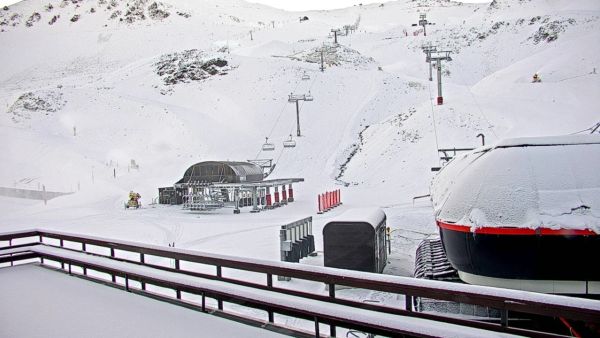
Mt Hutt Invests NZ$12 Million in Base Area, Tripling Its Sun Deck
Mt Hutt is getting busier, and its base lodge is about to catch up. NZ$12 million goes into a heated sun deck roughly three times the current size (430 m² to 1,300 m²), plus a new toilet block, heated steps down to snow level, extra storage and a new food and beverage outlet. Building starts after the 2026 season, with everything due for winter 2027.
11 Oct 2026

Vermont Ski Resort Opening Dates 2026-27: Few Dates Set, Killington Waits on the Cold
Vermont's season is slow to take shape. Stratton is tentatively targeting 18 November and Sugarbush 21 November, while Pico has Friday 11 December on the calendar. Killington never sets a date and opens when the snowmaking allows, and Vail Resorts has yet to name days for Stowe, Okemo and Mount Snow. The forecasts disagree about snow, and the main El Niño worry for the Green Mountains is warmth.
9 Oct 2026
Cerler Lift System
The lift network at Cerler comprises 19 installations across both valley sectors, including two six-seat chairlifts, five quad chairs, two doubles, six surface lifts and four T-bars serving the higher reaches of the domain. The system delivers a combined uphill capacity of approximately 29,000 skiers per hour, with all primary inter-sector connections handled by chairlifts rather than surface lifts. The central hub at Cota 2000 acts as the main interchange point, allowing skiers to move fluidly between the Cerler sector — which accesses the upper Gallinero terrain — and the Ampriu sector, which provides broader intermediate skiing and the dedicated beginner zones on its more open lower flanks.
Snowmaking infrastructure is extensive, with 336 snow cannons deployed across the ski area to supplement natural snowfall and extend season coverage at both ends. The resort's high base elevation at Ampriu (1,912m) means snowmaking is effective for longer periods than at lower Pyrenean alternatives, and the combination of altitude and artificial cover provides a reliable foundation through periods of limited natural snowfall. The Gallinero chairlift accesses the summit at 2,630m, giving skiers the starting point for the mountain's most demanding descents, including the technical blacks in the Castanesa sector and the long Gallinero-to-base run that benchmarks the mountain's full vertical.
19lifts across 5 types
2
6-Person Chairs
5
Quad Chairs
2
Double Chairs
4
T-Bars
6
Surface Lifts
Cerler lift system
Cerler is served by 19 lifts, listed here by type. Check which lifts are turning against the live conditions before you plan your first laps - early lifts and high-speed chairs get you to the best snow fastest.
More Cerler intelligence: trail map, snow report, webcams, resort overview.