The Overview
Michael Fulton
Melbourne-based skier and snowboarder with 50+ resorts across 5 continents. Specialises in Australian resorts and international resort comparisons.
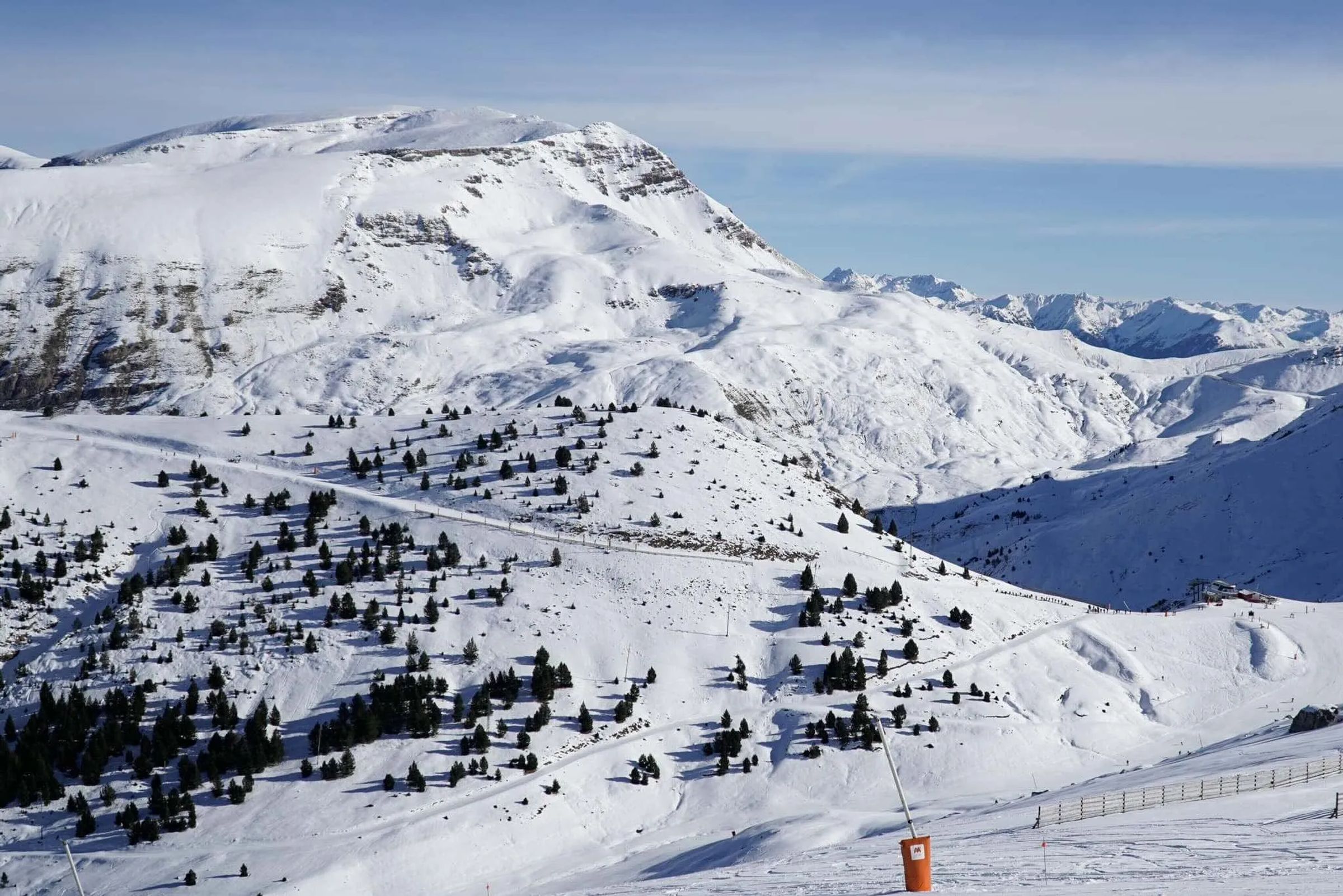
Cerler is the highest ski resort in the Aragonese Pyrenees, reaching 2,630m at the Gallinero summit and delivering the largest skiable vertical drop in the entire Pyrenean range at 1,133m. Operated under the Aramón group, the resort spreads across 80km of marked pistes and 72 runs in the Benasque Valley, divided between two distinct sectors — Cerler and Ampriu — both connected by chairlift and each with their own base facilities. The terrain skews toward challenging ground, with 22% expert, 38% advanced and 26% intermediate runs, though 14% beginner terrain and two dedicated snow garden areas at Cerler and Ampriu make it a workable destination for families introducing younger skiers to the mountain.
The surrounding landscape is genuinely spectacular, with more than 60 peaks exceeding 3,000m in the immediate vicinity — including Aneto at 3,404m, the highest summit in the Pyrenees. The majority of Cerler's skiing sits above 2,000m, ensuring strong snow retention across a season that runs from December through late April. A standout feature of the resort is the 9km descent from the Gallinero peak all the way to the valley base at 1,500m — widely regarded as the longest run in the Pyrenees, winding through open bowls, pine forest and varied pitch changes across the full 1,133m vertical.
1130m
Vertical
72
Runs
80 km
Piste
5m
Annual snow
The Terrain
72 runs across 80 km of piste
Cerler spreads 72 runs across 80 km of piste of terrain. It leans advanced at 38%, with 10 beginner runs to find your feet and 43 advanced or expert runs when you want to push.
Terrain split
72
runs
72 runs across 4 grades
Beginner10 runs · 14%
Intermediate19 runs · 26%
Advanced27 runs · 38%
Expert16 runs · 22%
Time it right
When to visit Cerler
Cerler operates from mid-December through late April, with the 2025/26 season running from 13 December to 21 April. The resort records an average annual snowfall of around 5 metres, with the snowiest period typically falling in the first week of March, when the central Pyrenees regularly receives its heaviest accumulations. High-altitude terrain dominates the ski area — most of the skiable acreage sits above 2,000m — which means snow quality holds well across the full season, particularly on the north and east-facing aspects that shade from afternoon sun. The base depth at the current point in the 2025/26 season sits at 260cm with a season total of 489cm, reflecting a strong winter in the Aragonese Pyrenees.
The resort's position deep in the Benasque Valley creates a sheltered microclimate that buffers the ski area from the high winds that periodically affect more exposed Pyrenean resorts, allowing lifts to operate on days when neighbouring mountains shut down upper installations. Spring conditions at Cerler tend to be reliable into April, with the altitude of the Gallinero summit maintaining cold temperatures and preserving cover on upper runs. The resort's snowiest calendar week averages around 24cm of new snow, with the March peak aligning well with school holiday periods and making mid-season the most popular window for visiting.
Season 2025 - 2026
13 Dec 2025
Opens
21 Apr 2026
Closes
129
Days open
5 m
Annual snow
Getting there
Getting to Cerler, and where to stay
Cerler sits in the Benasque Valley in the province of Huesca, in the Aragon region of northeastern Spain — one of the most scenically dramatic valleys in the entire Pyrenean range. The resort base is perched above the village of Cerler at 1,500m, with the historic market town of Benasque just 6km further down the valley providing the main accommodation and restaurant hub for visitors. Benasque has earned a well-deserved reputation as the mountaineering capital of the Pyrenees, serving as the access point for expeditions to Aneto, Monte Perdido and Posets — three of the range's most significant summits — which gives the valley a year-round mountain culture rarely found at ski-focused destinations.
The closest major airport for international travellers is Zaragoza, approximately 200km and around three hours by road via Barbastro, Graus and Campo. Lourdes and Lleida-Alguaire airports are both within three hours' drive, with Toulouse in France also viable for travellers connecting onward. Barcelona is around three to four hours. The town of Benasque offers traditional Aragonese stone architecture, tapas bars, and a lively après-ski scene that operates on Spanish time — meaning dinner before 9pm is firmly optional. As an Aramón group member, a Cerler lift ticket also unlocks access to Formigal-Panticosa, Javalambre and Valdelinares under the multi-resort Aramón pass.
Where to stay
Search all stays →Hotels and lodges near Cerler, powered by Stay22.
Latest News
From the SnowStash desk
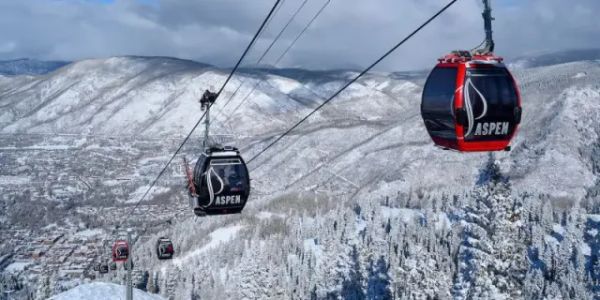
Aspen Snowmass Marks 80th Anniversary With $3.75 Throwback Lift Tickets
Aspen Snowmass turns 80 this December, and it's marking the milestone with $3.75 lift tickets on the anniversary itself - the original 1946 price. A discounted long weekend, $19.46 dining specials, lodging deals up to 46 percent off, and a season of anniversary programming round out the celebration across all four mountains.
17 Sept 2026
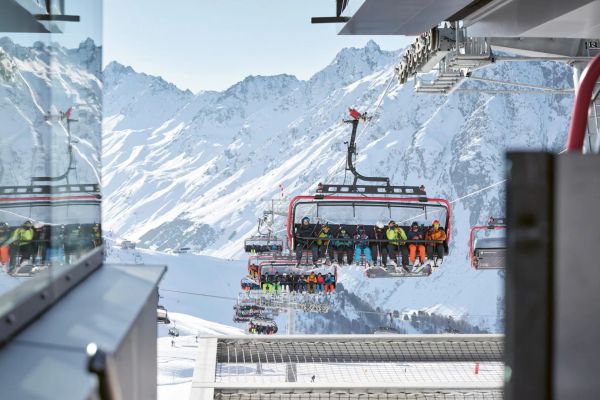
Doppelmayr Group Posts 9.1% Revenue Growth in 2025/26, Passing 1.3 Billion Euros
Doppelmayr closed its 2025/26 business year with revenue up 9.1 percent to 1.3 billion euros, driven by projects including the Big Sky Explorer Gondola, Deer Valley's Mayflower East Village Gondola, and the first TRI-Line installation at Hoch-Ybrig. Headcount grew too, with the ropeway manufacturer now employing almost 4,000 people worldwide.
16 Sept 2026
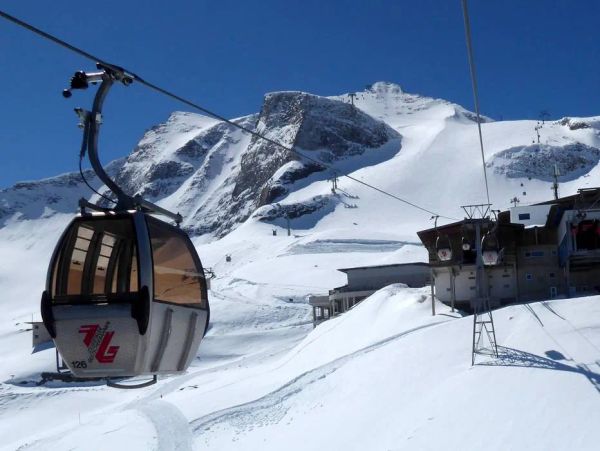
Hintertux Glacier Replaces 40-Year-Old Gondola to Tuxer Fernerhaus
Hintertux Glacier is retiring its 40-year-old gondola to the Tuxer Fernerhaus. The replacement carries 10 people per cabin instead of four, with seat heating and nearly 40 percent more hourly capacity. Doppelmayr's new line opens at the end of October 2026, right as the glacier's high-altitude terrain becomes accessible again for the new season.
16 Sept 2026
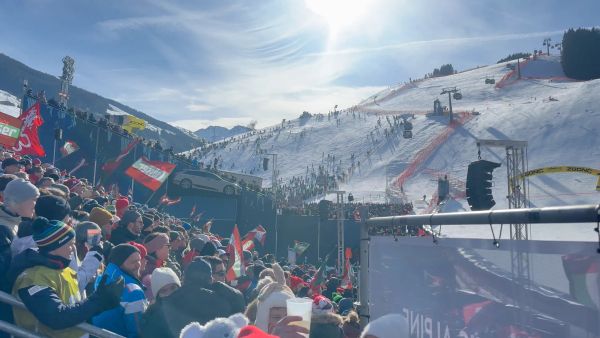
FIS Weighs Holding World Championships in Almost Every Winter, Starting 2032
The International Ski and Snowboard Federation is looking at a major shake-up to its title events calendar. From 2032, World Championships could run not just in odd-numbered years but in every non-Olympic winter too, effectively putting a global title event on the calendar almost every season. The FIS Council has approved the concept following a feasibility study, though an accelerated rollout as early as 2028 is also under consideration.
4 Sept 2026
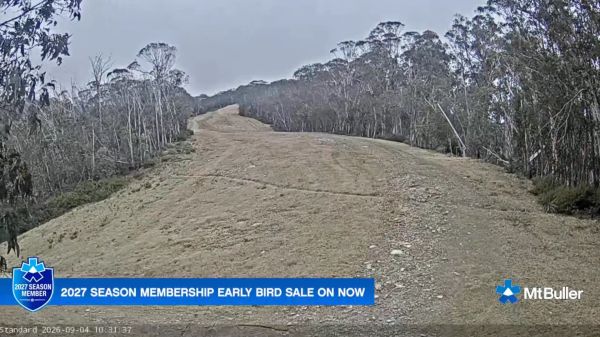
Mount Buller Becomes Latest Australian Resort to Call Time Early on 2026
Mount Buller closes out its 2026 season this Sunday, joining Falls Creek, Hotham and Charlotte Pass in a cluster of closures landing almost simultaneously and roughly a month ahead of schedule. The culprit is stark: Spencers Creek's benchmark snow depth hit 31.2cm on 3 September, just 18% of the 73-year average and an all-time low for this point in the season. Six of Victoria and NSW's best-known resorts will have shut their lifts early within a span of about two and a half weeks.
4 Sept 2026
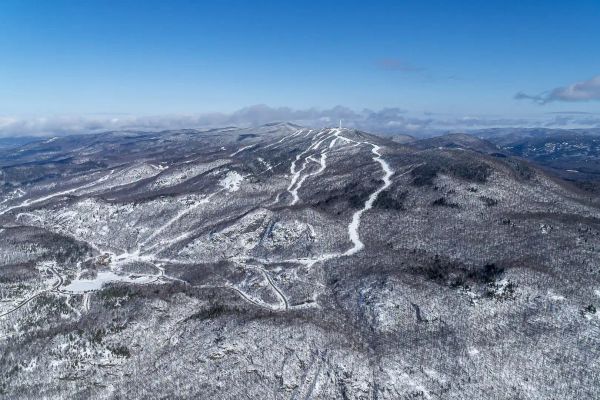
Tremblant to Add New Timber Summit Ski Sector for 2027/28 Season
Tremblant has confirmed a major expansion of its Quebec ski area, with a new Timber Summit sector adding 62 acres of terrain, eight trails and a high-speed quad chairlift for winter 2027/28. It's part of a CAD 42.5 million investment that also includes a new beginner learning zone at Versant Soleil opening this coming season. The project has grown considerably since it was first announced back in 2020, when it carried a far smaller budget and an opening date that never eventuated.
2 Sept 2026
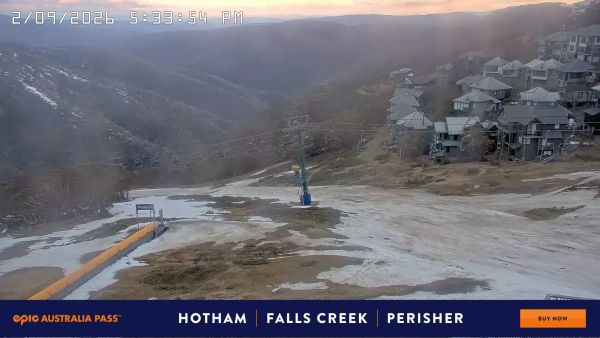
Mount Hotham to Close for the 2026 Season on Sunday, September 6
We knew when the Bird Bath Pond Skim showed up on Hotham's Instagram that the season was on its way out. It's been a rough one - I only managed two days on snow all year, at Falls Creek - and now Baw Baw, Selwyn and Hotham have all called it, possibly the worst Australian season I've seen in a decade. Hotham's last day of lift operations is Sunday, 6 September, with a Retro Day, Father's Day après and closing sales before the lifts stop turning for good.
1 Sept 2026
Thredbo to Replace Ageing Gunbarrel Quad With New Six-Seat Chairlift for 2028
Thredbo Alpine Resort has confirmed plans to replace its 37-year-old Gunbarrel quad chairlift with a new six-seat Doppelmayr D-Line, targeting winter 2028. The AUD 35 million project will keep travel time roughly the same but lift capacity from 2,800 to 3,000 skiers per hour. It's part of a broader investment push that also includes doubled snowmaking capacity at Friday Flat for 2027, with the ageing Kosciuszko Express now flagged as the resort's next major lift replacement after Gunbarrel.
31 Aug 2026
Cerler Ski Trails
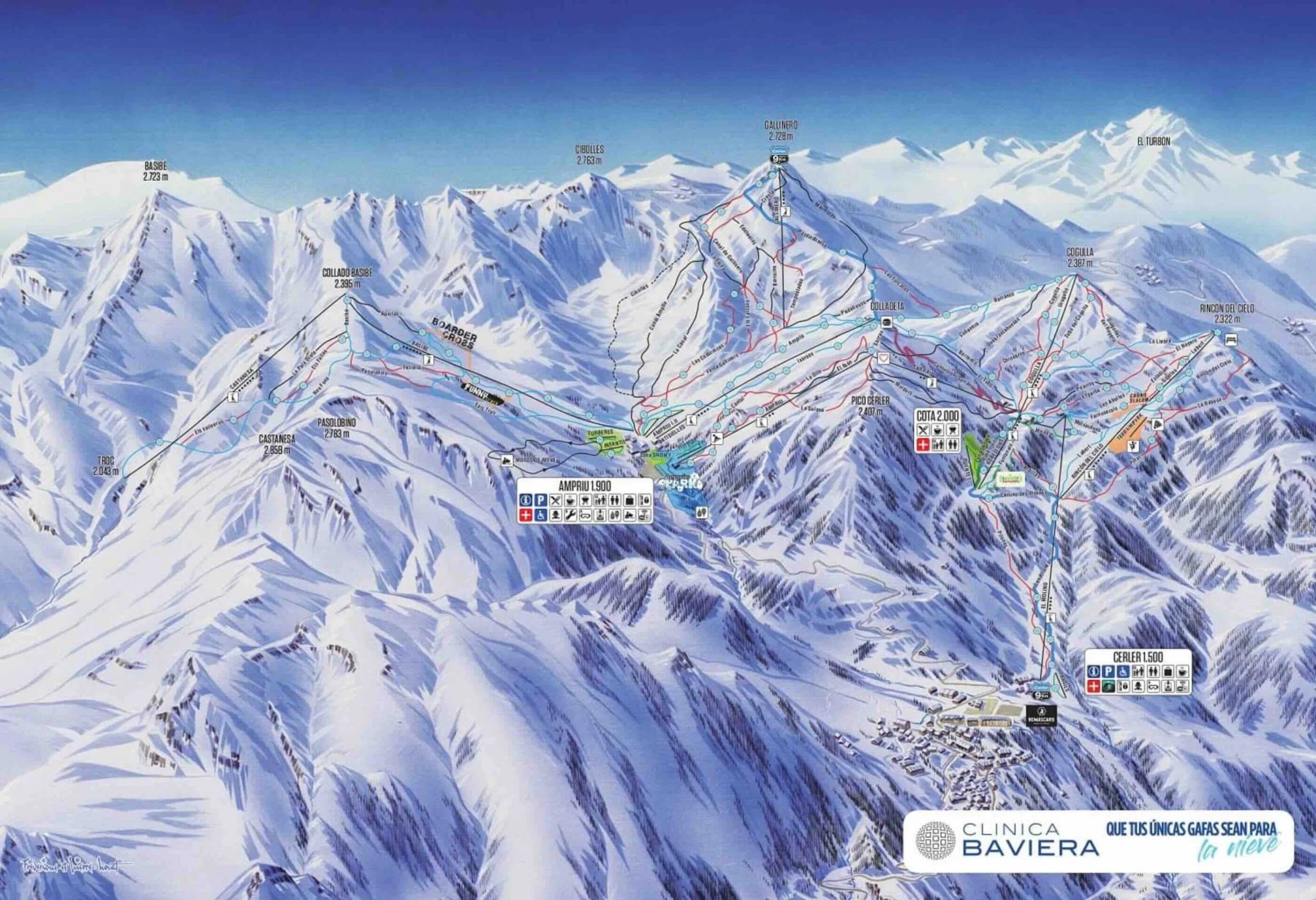
Downloadable Cerler trail map
Terrain split
72
runs
Beginner14%
Intermediate26%
Advanced38%
Expert22%
80 km of piste
Resort Stats
Elevation
Base1500m
Summit2630m
Annual snowfall
5m
Season
2025 - 2026
13 Dec 2025 - 21 Apr 2026
Trail coverage
72 runs
80 km
Cerler ski trails
Cerler offers 72 runs across a mix of difficulties. The terrain split and trail map here show how the mountain breaks down so you can plan a day that suits your group.
- • Match runs to your ability - the terrain split shows how much of Cerler is beginner, intermediate and advanced.
- • Check grooming and open-run status against the live conditions before committing to the upper mountain.
- • Early season and after fresh snow, favour the lifts serving your preferred grade to make the most of the day.
More Cerler intelligence: trail map, lift system, resort overview.