TL;DR
Hintertux Glacier is retiring its 40-year-old gondola to the Tuxer Fernerhaus. The replacement carries 10 people per cabin instead of four, with seat heating and nearly 40 percent more hourly capacity. Doppelmayr's new line opens at the end of October 2026, right as the glacier's high-altitude terrain becomes accessible again for the new season.

Hintertux Glacier is retiring one of its longest-serving lifts, with a new gondola to the Tuxer Fernerhaus set to open at the end of October 2026.
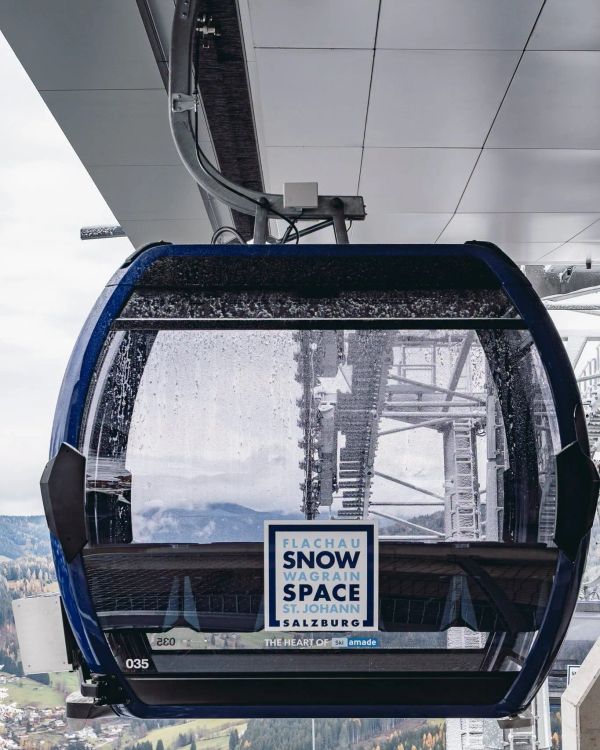
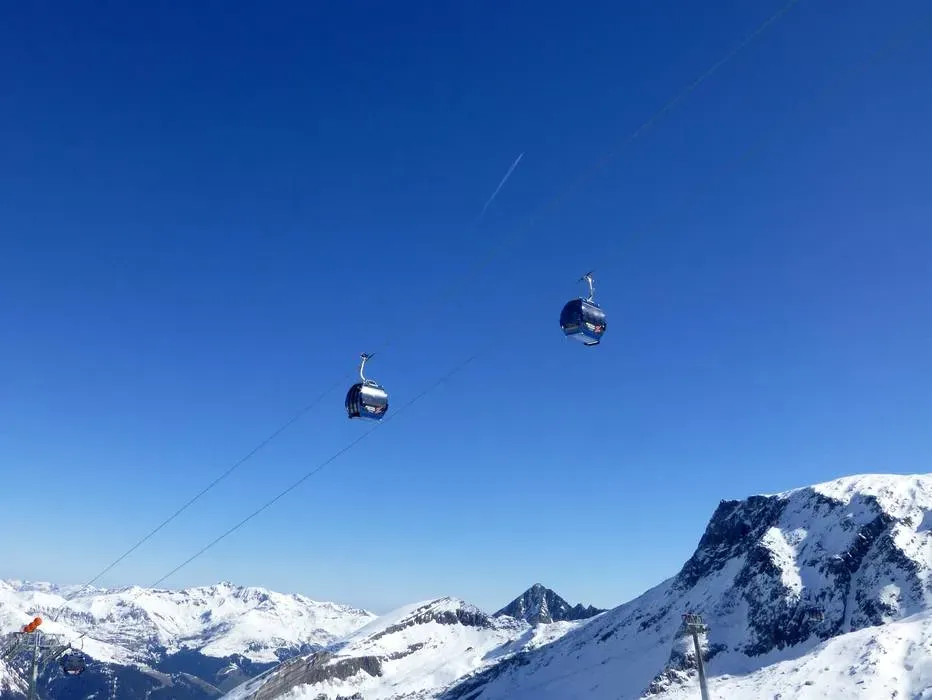
The gondola being replaced dates to 1985 and carries four people per cabin, a capacity that has increasingly struggled to match demand on one of the few glaciers in the Alps offering skiing across all twelve months. Doppelmayr's replacement moves ten people per cabin, with seat heating built in for the roughly seven-minute journey up.
Hourly capacity rises from 1,750 to 2,400 people, an increase of close to 40 percent, and the new line also runs faster: six metres per second against the outgoing lift's five.
The Tuxer Fernerhaus sits at 2,660 metres, with the lift's base station at 2,031 metres - a vertical rise of 629 metres. The station itself functions as one of the key connection points on the glacier, linking lower-altitude access from Sommerberg with the higher lift network that continues toward the Gefrorene Wand at 3,250 metres.
More than a faster ride up
Beyond the capacity increase, the redesigned cabins give passengers more room and a clearer view of the glacier and surrounding peaks during the ascent, a stretch of the journey that has historically been one of the more cramped legs of the trip up from the valley.
For a resort built around glacier access rather than a single high-altitude bowl, how efficiently skiers move between stations shapes the experience nearly as much as the snow itself. A lift running at higher capacity and greater comfort reduces one of the more persistent bottlenecks in that chain.
The upgrade fits a broader pattern across the Alps, where operators are steadily replacing 1980s and 1990s-era lift infrastructure with higher-capacity gondolas as visitor numbers on marquee glacier and high-altitude terrain continue to grow.
How does the rope of the new 10er Tuxer Ferner actually get on the mountain?
About Hintertux Glacier
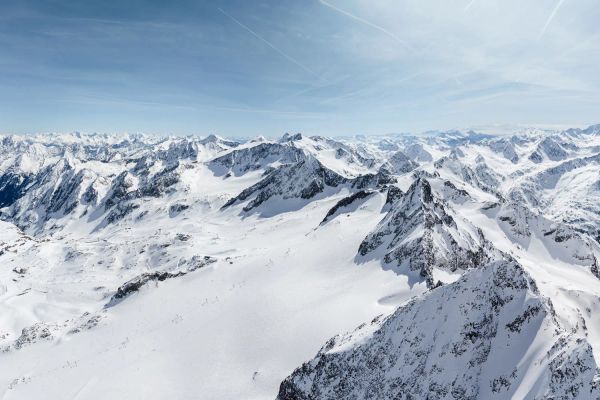
Hintertux Glacier sits at the head of Austria's Zillertal, with terrain running between 1,500 and 3,250 metres and around 60 kilometres of piste split roughly evenly between blue, red and black runs. For decades it marketed itself as Austria's only year-round ski area, a reputation built on the Gefrorene Wand chairlift, which became the world's first to run on towers set into glacier ice back in 1968.
That uninterrupted operation has effectively ended: the resort's last fully continuous 365-day season ran in 2022, and closures have lengthened each summer since as warmer nights stop the glacier surface refreezing properly. In 2026 that culminated in a full summer shutdown across the Alps in August, with skiing not expected to resume until late September.
The resort's terrain still relies on snowmaking and careful piste management to stay open as long as it does, and its 61 lift support structures require regular repositioning because the glacier ice beneath them shifts by as much as 40 metres a year.
About the author

Michael Fulton
Melbourne-based skier and snowboarder with 50+ resorts across 5 continents. Specialises in Australian resorts and international resort comparisons.