Sierra Nevada
Ski Europe's southernmost and Spain's highest resort — 107km of Andalusian terrain near Granada with the continent's most sunshine.

Season 2026 - 2027
Opens
28 Nov 2026
Closes
25 Apr 2027
Days open
148
Annual snow
2.3m
The Overview
Michael Fulton
Melbourne-based skier and snowboarder with 50+ resorts across 5 continents. Specialises in Australian resorts and international resort comparisons.
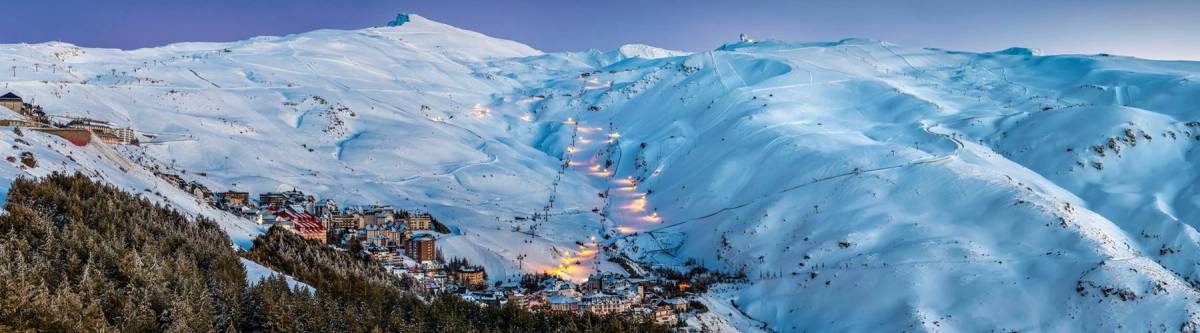
Sierra Nevada is the highest ski resort in Spain and the southernmost in Europe, a combination that produces one of the most geographically unusual skiing experiences on the continent. The ski area sits on the northwestern slopes of Veleta — the third-highest peak in mainland Spain at 3,398m — with the base village of Pradollano at 2,100m and the highest lifts reaching 3,282m, delivering a skiable vertical of 1,182m.
The resort covers 107km of marked terrain across 116 runs, weighted toward intermediate and advanced skiers with 40% intermediate, 37% advanced, 16% beginner and 7% expert — an accessible spread that reflects Sierra Nevada's status as one of the most heavily visited ski resorts in Spain, predominantly by a domestic clientele travelling up from Granada, Málaga and the wider Andalusian coast.
The resort hosted the FIS Alpine World Ski Championships in 1996, the 2015 Winter Universiade and the FIS Freestyle Ski and Snowboarding World Championships in March 2017 — a competition record that confirms both the calibre of the groomed race terrain and the infrastructure capacity to handle major international events.
The entire ski area sits above the treeline, as Sierra Nevada's latitude and elevation place it in a Mediterranean alpine climate zone with virtually no subalpine forest at skiable altitudes. This gives the mountain an open, exposed character distinct from the forested Pyrenean resorts further north, with sweeping uninterrupted views across Andalusia that on clear days extend south to the African coastline across the Strait of Gibraltar.
1182m
Vertical
116
Runs
107 km
Piste
2.3m
Annual snow
The Terrain
116 runs across 107 km of piste
Sierra Nevada is Spain's highest ski resort and one of the most southerly in Europe, with its pistes running from 2,100 metres to 3,282 metres in the Andalusian mountains near Granada. The 116 runs cover 107 kilometres, and the 1,182-metre vertical is a serious drop by Spanish standards. Intermediates hold the largest share at 40%, followed by advanced at 37%, beginner at 16% and expert at 7%. The altitude and the sunshine make for a very different ski day from the Pyrenees: warm afternoons are common, and snow quality changes through the day, so start early.
Most of the action sits above Pradollano, with gondolas taking skiers up to Borreguiles, where the ski school and the gentler blues are found. Veleta, the high sector, is mostly reds, and the Águila run, near six kilometres long, stretches almost the whole vertical back to the village. The Loma de Dílar area has the snowpark and the few black runs, and Laguna de las Yeguas offers a network of reds. It suits intermediates, families and anyone wanting skiing in the sun. Freeriders should go with a guide.
Terrain split
116
runs
116 runs across 4 grades
Beginner19 runs · 16%
Intermediate46 runs · 40%
Advanced43 runs · 37%
Expert8 runs · 7%
Time it right
When to visit Sierra Nevada
Sierra Nevada operates one of the longest ski seasons in Spain, running from late November through to early May in strong snow years, with the 2025/26 season scheduled from 13 December to 4 May. The resort averages around 4 metres of annual snowfall, delivered predominantly in concentrated winter storms rather than the sustained Atlantic snowfall patterns of the Pyrenees.
What distinguishes Sierra Nevada's snow preservation is altitude — with the entire ski area above 2,100m in a high-pressure Mediterranean climate, cold temperatures persist long after natural snowfall, and the base depth as of early March 2025/26 stands at 400cm against a season total of 298cm. This reflects the resort's pattern of relying on altitude-preserved snowpack rather than frequent fresh accumulation.
The resort records the most sunshine hours of any ski destination in Europe — a product of its Andalusian latitude and the predominance of Mediterranean high-pressure systems across southern Spain in winter. This makes spring skiing at Sierra Nevada a genuinely different proposition to alpine alternatives: warm temperatures at the base, firm morning groomers on upper runs and the surreal possibility of combining a morning ski session with an afternoon on the Costa del Sol beaches 90 minutes away by road.
The late-season window — typically March through to early May — is widely regarded as the optimal period, when base depths are at their deepest, daylight hours are long and the mountain's competition-grade terrain on the Veleta sector is running at full capacity.
Season 2026 - 2027
28 Nov 2026
Opens
25 Apr 2027
Closes
148
Days open
2.3 m
Annual snow
The record
Historical snowfall at Sierra Nevada
Daily snow reports at Sierra Nevada go back to 2017, 10 winters on the books. Open the record to compare winters, lifts and piste.
160 cm
Snowiest day
14 Mar 2025
0 cm
This winter · 2026-27
so far
201 cm
Typical winter
average of complete seasons
Winter totals
cm
Past wintersThis winter
Getting there
Getting to Sierra Nevada, and where to stay
Sierra Nevada sits within the Sierra Nevada National Park in the province of Granada, Andalusia, approximately 32km southeast of Granada city along the A-395 road. The resort base at Pradollano is around 50 minutes by car from Granada city centre, making it one of the most city-proximate ski resorts in Europe — a factor that drives the predominantly day-visitor and weekend character of the mountain during the season.
A regular bus service operates from Granada's main bus station to Pradollano during ski season, running several times daily on weekdays and more frequently on weekends, with the journey taking around 45 minutes. The closest major international airport is Granada-Jaén Federico García Lorca Airport, 55km from the resort, though it handles limited international routes. Málaga Airport is the main international gateway at around 170km to the west, with connections from across Europe during the winter season.
The city of Granada is the resort's most compelling draw beyond the skiing itself. The Alhambra Palace — one of the most visited monuments in Europe and a UNESCO World Heritage site — sits within the city, making Granada one of the few places on earth where a day on a ski slope can be followed by dinner in the shadow of a medieval Moorish fortress.
The resort village of Pradollano operates as a year-round community with a permanent population, giving it a more self-contained character than the seasonal stations typical of the Pyrenees, including supermarkets, a pharmacy, multiple ski schools and a range of restaurants and bars that operate on Spanish hours through the après-ski period and into the evening.
Where to stay
Search all stays →Stays map loads when you scroll here
Hotels and lodges near Sierra Nevada, powered by Stay22.
Latest News
From the SnowStash desk
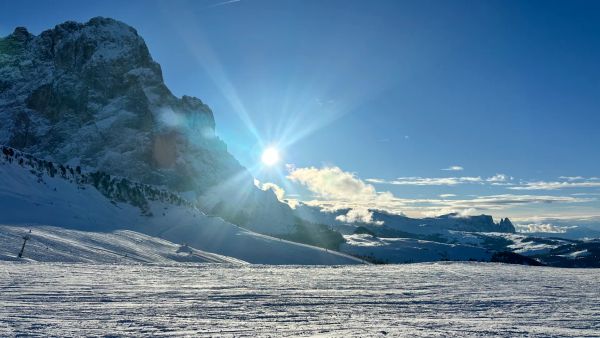
Val Gardena to Alpe di Siusi Lift Link Back in Play After Court Ruling
The Val Gardena-Alpe di Siusi lift link isn’t dead after all. A South Tyrol court has overturned Santa Cristina’s rejection of the new Monte Pana-Saltria link on procedural grounds, after the council skipped required public information sessions. Opponents want the missing sessions held and a fresh vote, and nothing has been approved. For now it’s still a bus between the two, but a plan first floated in 2017 is back in the conversation.
8 Nov 2026
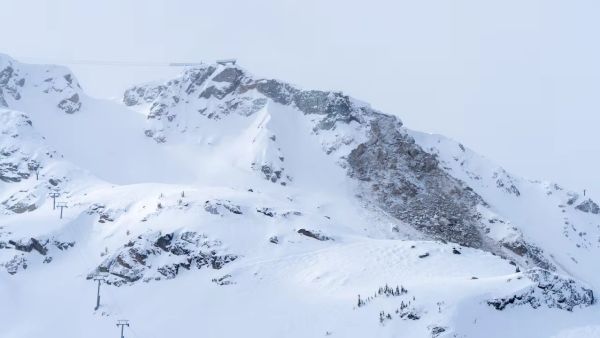
Whistler Blackcomb Rockslide Zone Stays Closed Through 2026-27 Season
A section of Whistler Peak terrain will stay closed all 2026-27 season, Vail Resorts has confirmed, with rockslide mitigation work continuing into summer 2027. Peak Express is still expected to run this winter, but locals are already arguing about what’s actually off limits, whether the Whistler Bowl is gone, and why the news landed after pass sales wound down. Here’s where things stand.
7 Nov 2026
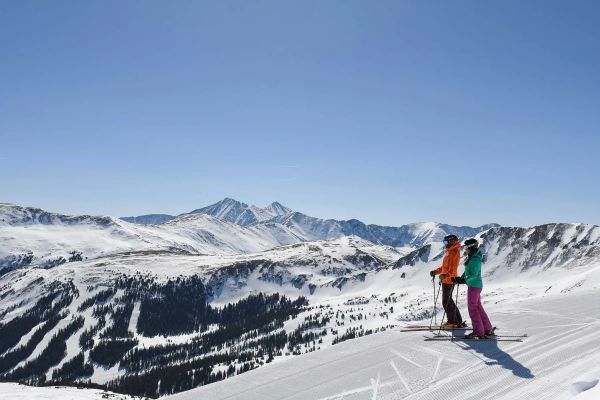
Loveland Ski Area Opens for 2026-27 and Marks 60 Years of Snowmaking
Loveland is open. The Colorado ski area started Chet’s Dream turning on Saturday 7 November to kick off 2026-27, with $60 adult lift tickets to mark 60 years of snowmaking. Expect three runs, nearly 1,000 vertical feet (about 300 metres) of top-to-bottom skiing, live music on the Basin Patio and no beginner terrain yet. Here’s what’s open, what it costs and when Loveland Valley follows.
7 Nov 2026
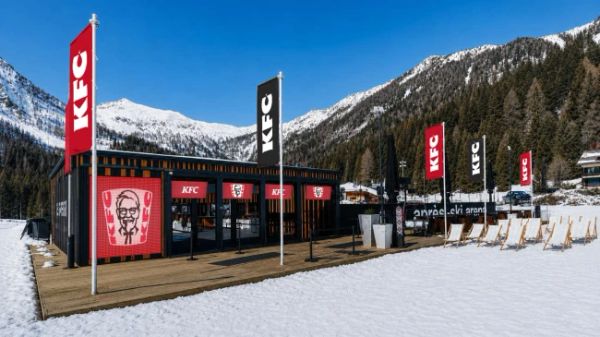
KFC Is Coming to the Slopes at Cortina and Madonna di Campiglio
Fried chicken is heading up the Dolomites. From 5 December KFC will run two restaurants on the slopes - one at 2,123 metres at Cortina, one at 1,700 metres at Madonna di Campiglio - and the polenta-and-canederli crowd has opinions. Local politicians, conservation groups and plenty of Facebook commenters are calling it a step too far, while others just want a cheaper lunch. Here’s what’s on the menu and what’s the fuss.
5 Nov 2026
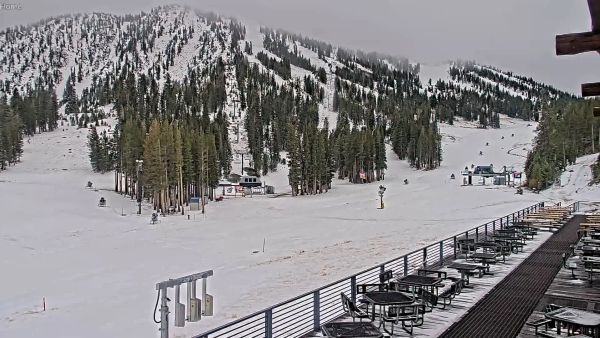
Mt Rose Aims to Open First in Tahoe on November 6
Mt Rose is going for the first-in-Tahoe title, with the Lakeview Express due to spin at 9 a.m. on Friday, November 6. One main lift, three runs and plenty of snowmaking, sitting on the highest base elevation in the region at 8,260 ft. Here is what is open, what is not (sorry, tubing fans), and how the early North American openings are stacking up.
4 Nov 2026
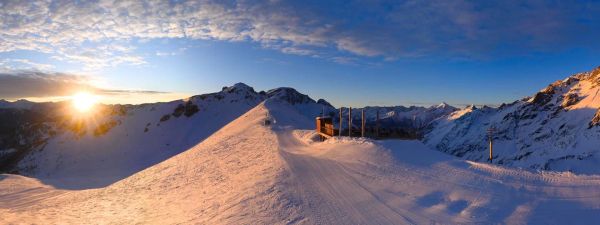
Europe Snow Forecast: Serre Chevalier Leads With 82 cm Over the Next 10 Days
Europe has had a quiet start to November, but our 10-day forecast has Serre Chevalier on 82 cm and Les 2 Alpes on 71 cm. Two pushes are lined up: a western Alps top-up from Friday, then a bigger, wider system on Thursday, November 12 and Friday, November 13 that reaches Italy and Switzerland. Full leaderboard inside.
4 Nov 2026
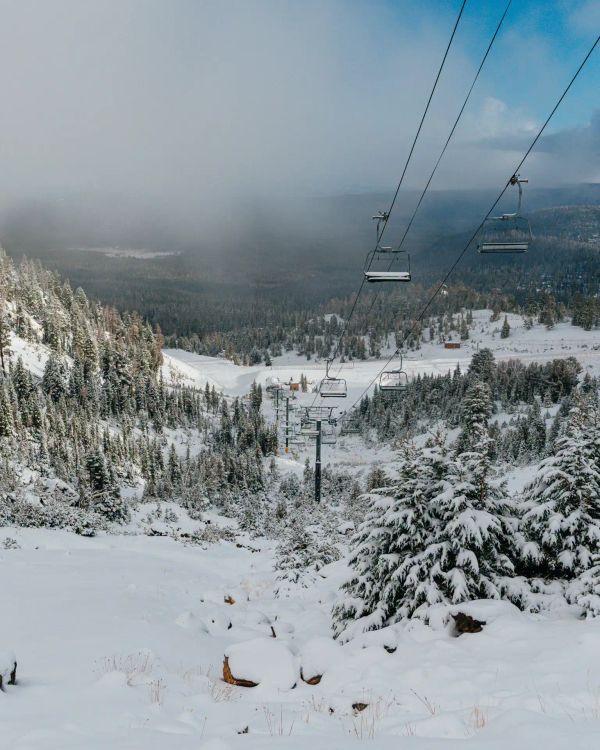
Mammoth Mountain Opens Early on November 5 With Up to 33 Inches of Snow in the Forecast
Mammoth just moved opening day forward to Thursday, November 5, eight days ahead of schedule. A snowy weekend and cold snowmaking nights did the work, and our forecast shows up to 33 inches more landing on November 13 and 14. Here is what opens, what the weather looks like and where Mammoth sits among the early Ikon Pass openers.
3 Nov 2026

Utah Snow Storm Builds Early-Season Base Ahead of November Openings
Rain down low, snow up high, and a snow report full of zeros that mostly means ‘not updated yet’. Utah’s first proper storm of 2026-27 is rolling through the Wasatch, Snowbird’s snow stake is closing in on 10 inches, and Brian Head is five days from opening day. Early November snow rarely looks like much, but it is the layer every November opening date is built on. Here is where it stands.
1 Nov 2026
Sierra Nevada Lift System
Sierra Nevada operates 19 lifts serving the full mountain, including one gondola, five six-seat chairlifts, three triple chairs, three quad chairs, two doubles and five T-bars across the upper terrain. The Al-Andalus and Borreguiles gondolas are the resort's primary access arteries, rising from the Pradollano base to the Borreguiles mid-station at 2,675m — the main hub from which the majority of ski runs originate.
From Borreguiles, the lift network fans out across the Zona Borreguiles, Zona Laguna, Zona Veleta and Zona Montebajo sectors, with the Veleta zone serving the highest and most demanding terrain on the mountain. Combined uphill capacity across the 21-lift system reaches approximately 45,200 skiers per hour.
The gondola connection means that non-skiers, pedestrians and sightseers can access the mid-mountain facilities on a pedestrian pass — a common feature at Sierra Nevada given the resort's role as a year-round attraction within the Sierra Nevada National Park. The Mirlo Blanco area at the base provides a dedicated recreation zone with an ice rink, tobogganing and ski-bike facilities, designed to accommodate non-skiing family members while skiers use the main lift network above.
The resort's snowmaking infrastructure supplements natural snowfall to secure reliable early-season opening and protect the key Pradollano-to-Borreguiles access runs, which are critical to operation given the resort's single-entry base structure.
19lifts across 6 types
1
Gondola
5
6-Person Chairs
3
Quad Chairs
3
Triple Chairs
2
Double Chairs
5
T-Bars
Sierra Nevada lift system
Sierra Nevada is served by 19 lifts, listed here by type. Check which lifts are turning against the live conditions before you plan your first laps - early lifts and high-speed chairs get you to the best snow fastest.
More Sierra Nevada intelligence: trail map, snow report, webcams, resort overview.