
Andermatt
101km of piste, 2,961m summit, 1,517m vertical. Central Switzerland's largest ski area with Epic Pass access.
Season 2026 - 2027
Opens
14 Nov 2026
Closes
18 Apr 2027
Days open
155
Annual snow
8m
The Overview
Michael Fulton
Melbourne-based skier and snowboarder with 50+ resorts across 5 continents. Specialises in Australian resorts and international resort comparisons.
Andermatt spans 1,444 to 2,961 metres elevation across 101 kilometres of piste accessed via 21 lifts serving 43 marked runs. The vertical drop of 1,517 metres ranks amongst the largest in Switzerland, with the north-facing Gemsstock delivering descents that hold powder for days after storms. Annual snowfall averages 8 metres, concentrated at high elevation where the Gurschenfirn glacier ensures snow reliability from mid-November through April. Andermatt joined the Epic Pass network in 2023, offering unlimited access to passholders and solidifying its position as central Switzerland's largest ski area.
Terrain splits 26 per cent beginner, 50 per cent intermediate, 17 per cent advanced and 7 per cent expert across two distinct sectors. The Gemsstock side provides steep blacks and freeride terrain from the 2,961-metre summit, including the Bernhard Russi Run and marked routes into the Felsental. Across the valley, the Nätschen-Gütsch-Oberalppass corridor offers sun-soaked cruisers and the family-friendly KidsArena Matti at mid-station. Ski lifts link directly to Sedrun since 2018, creating a continuous 10-kilometre ski connection over Oberalppass.
The base village sits at 1,437 metres in the Urseren Valley where the Reuss River flows beneath the St Gotthard Massif. Andermatt retains its historic military-town character with cobbled streets and traditional architecture, now complemented by contemporary hotel developments on former army land. The Matterhorn Gotthard Bahn station integrates with lift infrastructure via underground passages, and weekend crowds from Zurich can queue at the Gemsstock cable car. Four webcams monitor conditions from Gemsstock summit to valley base.
Full Epic Pass provides unlimited skiing at Andermatt-Sedrun-Disentis with access extending to neighbouring Disentis via lift pass and optional Matterhorn Gotthard Bahn train upgrade. The resort runs from 16 November through 21 April, with Gemsstock often extending into May on weekends. Terrain and infrastructure suit confident intermediates and expert freeriders best, whilst beginners face limited nursery options beyond Nätschen. Pricing starts at CHF 89 for advance-purchase day tickets, with children under six skiing free.
1517m
Vertical
43
Runs
101 km
Piste
8m
Annual snow
Epic Pass
Pass
The Terrain
43 runs across 101 km of piste
Gemsstock rises to 2,961 metres above the old garrison town of Andermatt, and the mountain around it is the most serious high-alpine terrain in this part of Switzerland. The area covers 101 kilometres of piste across 43 runs, with 1,517 metres of vertical from the 1,444-metre base. Grades skew harder than most Swiss areas of this size: 26% beginner, 50% intermediate, 17% advanced and 7% expert. Snow averages 8 metres a year, among the highest figures in this batch. The mountain has two characters: Gemsstock is steep and exposed, while the Nätschen and Gütsch side is sunnier and far more forgiving.
Gemsstock is the draw for experts. The Bernhard Russi Run drops from the summit over the Gurschen glacier to the mid-station, and the mountain is known for powder lines such as the Felsental, Giraffe, Guspis and Geissberg. These are unpatrolled backcountry descents and call for a guide, avalanche gear and a careful read of conditions. Nätschen and Gütsch handle novices and intermediates, and the connection continues towards Sedrun over the Oberalp pass. Strong intermediates, advanced skiers and freeriders get the most from it, while beginners are better off staying on the sunny side.
Terrain split
43
runs
43 runs across 4 grades
Beginner11 runs · 26%
Intermediate22 runs · 50%
Advanced7 runs · 17%
Expert3 runs · 7%
Time it right
When to visit Andermatt
Andermatt operates from 16 November 2025 through 21 April 2026, with Gemsstock often extending weekend operations into early May due to its north-facing aspect and glacier terrain. This 22-week season ranks amongst Switzerland's longest, benefiting from the resort's position near the main Alpine divide where storms from Atlantic and Mediterranean systems converge. Pre-season weekends at Disentis begin late November before full area opening mid-December. The Matterhorn Gotthard Bahn provides year-round rail access even when passes close.
Annual snowfall averages 8 metres with peak accumulation January through March, though reported seasonal totals vary by source from 4.4 to 5 metres depending on measurement location. The second week of January typically delivers the snowiest conditions with 49 centimetres falling across 3.6 snowy days. The Gemsstock's north-facing orientation preserves powder quality well into April above 2,400 metres, whilst lower elevations benefit from extensive snowmaking. Current season data shows 408 centimetres total snowfall with 120-centimetre base depth.
December offers quiet slopes and festive atmosphere before holiday crowds arrive, whilst January delivers cold temperatures and optimal powder conditions across all elevations. February brings half-term family visitors and busier weekends, particularly on the Nätschen beginner terrain. March and April provide longer daylight, softer snow and milder temperatures ideal for intermediates and spring skiing on Gemsstock's sustained vertical. The Oberalppass and Sedrun sectors receive more sunshine than the shadowed Gemsstock base.
New Year's Eve celebrations take place at mountain restaurants including Nätschen, Gütsch and Gurschen with extended sledging until 12:30am. Weekly Snownight Sedrun runs Thursdays with floodlit pistes between Dieni and Milez. The resort hosts freeride events including King of the Mountain competition, whilst the Avalanche Training Centre at Gurschen offers safety courses. Premium day pricing reaches CHF 99 during peak periods, with advance purchase reducing costs to CHF 89.
Season 2026 - 2027
14 Nov 2026
Opens
18 Apr 2027
Closes
155
Days open
8 m
Annual snow
Getting there
Getting to Andermatt, and where to stay
Andermatt occupies the Urseren Valley floor at 1,437 metres in Uri canton, positioned where the St Gotthard, Oberalp and Furka passes converge beneath the St Gotthard Massif. The village sits 28 kilometres south of Altdorf, Uri's capital, surrounded by the Lepontine Alps with the Reuss River flowing north through the dramatic Schöllenen Gorge. Three Alpine passes link in all directions - Oberalp at 2,044 metres east to Graubünden, St Gotthard at 2,106 metres south to Ticino, and Furka at 2,436 metres west to Valais. This crossroads position has shaped Andermatt's role as a transit hub since medieval times.
The nearest substantial town is Göschenen 7 kilometres north down the Reuss Valley, whilst Altdorf lies 28 kilometres away on Lake Lucerne's southern shore. Hospental sits 3 kilometres east, and Realp 8 kilometres up-valley. Disentis in Graubünden lies 25 minutes east by train, now lift-linked via Sedrun since 2019. The Glacier Express scenic railway stops at Andermatt connecting Zermatt to St Moritz, whilst the historic Gotthard route passes directly beneath via the 15-kilometre rail tunnel opened 1882.
Road access follows the A2 motorway from Zurich through the Gotthard tunnel, with the Andermatt exit requiring 90 minutes' drive covering 120 kilometres. Munich lies 4 hours north via A2 and German motorways, Milan 2 hours south through the Gotthard or San Bernardino tunnels covering 185-195 kilometres. The Oberalp, Furka and St Gotthard passes close November through May, leaving tunnel routes as winter access. Parking at Gemsstock base costs CHF 30 per night for hotel guests.
Zurich Airport sits 117 kilometres north with train connections requiring 2 hours 17 minutes minimum via Zurich Hauptbahnhof and Göschenen, though typical journey time reaches 2.5-3 hours with transfers. Milan Malpensa Airport lies 195 kilometres south with 2-hour drive times or train connections via Bellinzona. Basel Airport serves as an alternative 2.5 hours northwest. The private airfield at Buochs sits 45 minutes north with a 2,000-metre runway. SBB operates hourly trains from Göschenen with 10-minute journey times, whilst the Matterhorn Gotthard Bahn provides direct service from Brig, Visp and Disentis.
Where to stay
Search all stays →Hotels and lodges near Andermatt, powered by Stay22.
Latest News
From the SnowStash desk

Vermont Ski Resort Opening Dates 2026-27: Few Dates Set, Killington Waits on the Cold
Vermont's season is slow to take shape. Stratton is tentatively targeting 18 November and Sugarbush 21 November, while Pico has Friday 11 December on the calendar. Killington never sets a date and opens when the snowmaking allows, and Vail Resorts has yet to name days for Stowe, Okemo and Mount Snow. The forecasts disagree about snow, and the main El Niño worry for the Green Mountains is warmth.
9 Oct 2026
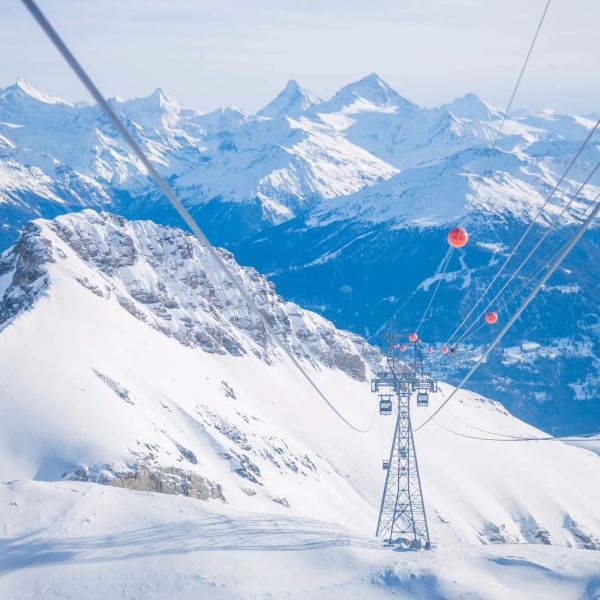
Crans-Montana 2027 World Championships President Resigns Ahead of Fraud Hearing
Less than four months out from the Crans-Montana 2027 World Championships, the man running the organising committee has stepped down. Claude-Alain Schmidhalter resigned as Swiss-Ski vice president and OC president after being indicted over a business dispute unrelated to skiing. He denies the allegations and faces court on October 27. Interim leaders are in place for the February 1-14 event.
9 Oct 2026
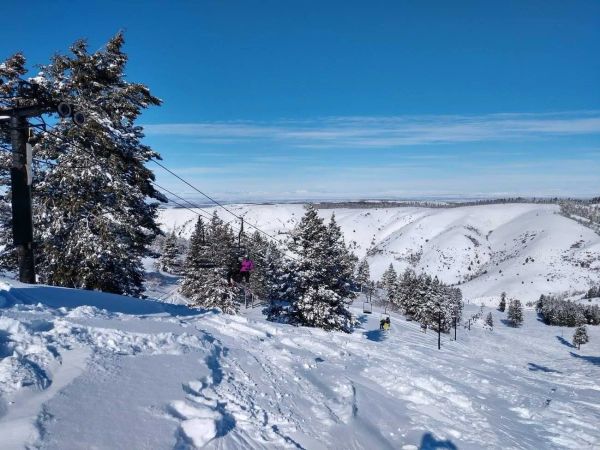
Kelly Canyon, Idaho, Adds Snowmaking, a Bigger Terrain Park and More Parking for 2026-27
Kelly Canyon had a rough 2025-26, and the Idaho resort has spent the summer making sure it doesn’t repeat. Snowmaking now reaches the top of Goldrush, the terrain park is doubling in size with a stereo system, lights and a snack shack, and the car park is getting bigger. Grooming is stepping up too. Target opening is December 4, conditions permitting.
9 Oct 2026
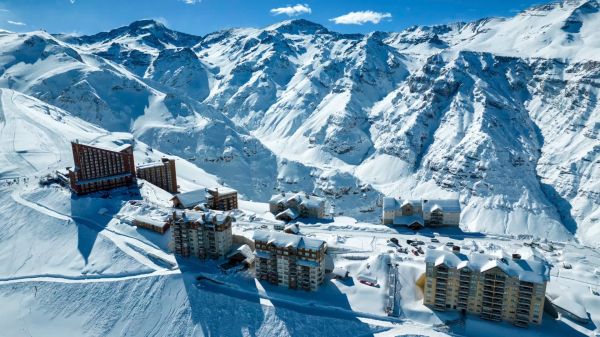
Valle Nevado Extends Season to November 8 After 108 cm in 48 Hours
Winter was meant to be winding down in Chile. Then Valle Nevado took 108 cm in 48 hours in early October, and the resort has pushed its closing date out to November 8 - its latest in 38 years of operation. That makes 143 days of skiing since opening day on June 19, with 690 cm banked for the season. Only part of the mountain is running while the storm settles, so check the mountain report before you plan a trip.
9 Oct 2026
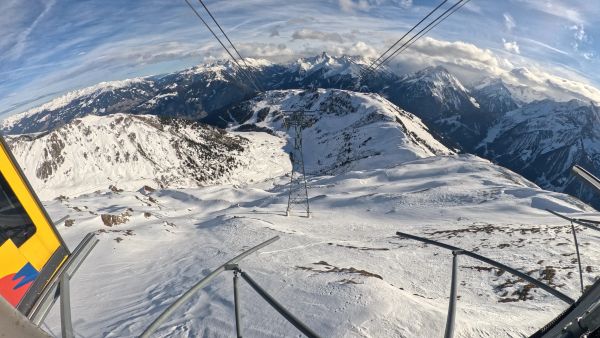
Alps Snow Forecast: Cold Front Brings Thursday Snow to the High Alps
The Alps look a lot more like winter today, for a day or so. A cold front is moving west to east, dropping up to 35 cm on high glaciers and peaks, with snow levels falling to around 1,500-1,800 m at times. Don’t plan a trip around it: mid-elevation snow will be thin and wet, every area is closed bar a limited Sölden glacier opening tomorrow, and warmer weather returns by Monday.
8 Oct 2026
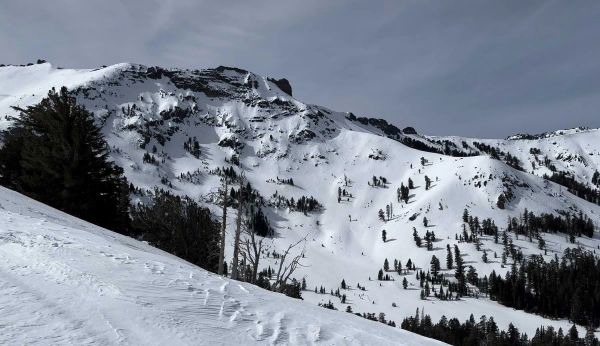
California Ski Resort Opening Dates 2026-27: Mammoth Leads, Tahoe Follows
Mammoth Mountain is first up in California, targeting Friday 13 November after a dusting of September snow. Heavenly and Northstar follow on 20 November, Palisades Tahoe on Wednesday 25 November and Sugar Bowl on 27 November, with Kirkwood on 4 December and June Mountain on 19 December. Plenty of smaller areas have no date yet. A super El Niño favours the Sierra, but a warmer storm track is the catch.
7 Oct 2026
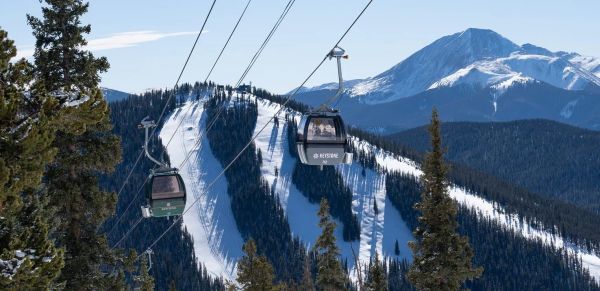
Colorado Ski Resort Opening Dates 2026-27: A-Basin and Keystone Race to Be First
Arapahoe Basin, Keystone and Winter Park are all chasing an October start, though none has a firm date yet. The first dated openers are Breckenridge and Copper on Friday 6 November, then Vail on 13 November, with most of the rest bunched around US Thanksgiving. Hesperus did not open at all last season. A super El Niño offers hope but no guarantee, and forecasters say the southern mountains have the better odds.
5 Oct 2026
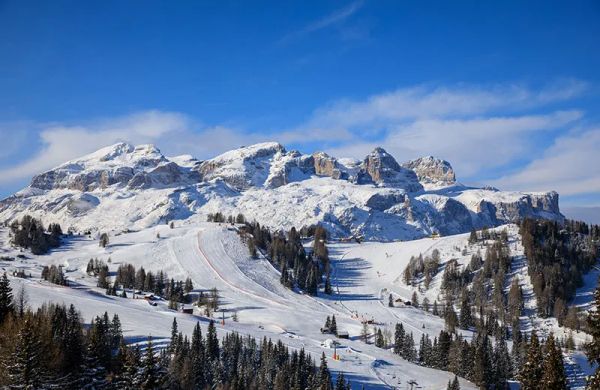
Dolomiti Superski 2026-27: Four New Gondolas, New Reservoirs and an €89 Peak Day Pass
Dolomiti Superski is spending around €100 million across its 12 areas before winter. Kronplatz gets a new 10-passenger gondola with a middle station, 3 Zinnen gets Helmissimo, and Val di Fassa swaps a chairlift for a gondola above Col Valvacin. New water-storage basins and upgraded snowmaking follow, and construction has started on the San Martino to Passo Rolle link. A peak adult day pass is €89.
4 Oct 2026
Andermatt Snow Report
Snow Report
Updated 9 Oct 2026
2961m
summit
+0cm
new snow · last 24 hours
Partly Cloudy1°C / 8°C · SE 7km/h
Snowfall
24 hours
0cm
48 hours
25cm
7 days
26cm
Base depth
0cm
Season total
26cm
Total lifts21
Live open status isn’t available right now.
14 Nov 2026 - 18 Apr 2027
Hour by Hour
Next 41 hours· Updated Oct 10, 2026 at 6:02 PM
Scroll for the full outlook · Open-Meteo
7-Day Outlook
2,961 mUpdated Oct 10, 2026 at 6:02 PMOpen-Meteo
Days 1–7
0.0cm
Days 8–14
0.1cm
Sun, Oct 11
Foggy
Temp8° / 1°°C
Snow0.0cm
Wind7 km/h SE
Live snow from the resort feed; forecast from Open-Meteo, via Supabase.
Understanding the Andermatt snow report
See what's happening on the mountain at Andermatt right now — snowfall, snow depth, and weather data to help you plan your day in Switzerland.
Snow measurements
Our snow reports measure snowfall in centimeters over multiple time windows — last 24 hours, last 7 days, and the season total. Base depth reflects accumulation at the 1444m base area, while summit depth captures conditions 1517m higher at 2961m, where snow typically stays colder and lingers longer. Imperial conversions are shown alongside for convenience.
Weather conditions
Current weather conditions affect snow quality. Cold temperatures with low wind typically preserve snow quality, while warm temperatures or rain can impact conditions negatively — something worth watching closely at Andermatt's 1444m base elevation, where temperatures run milder than the summit.
Data sources
Andermatt snow data is collected through a combination of on-mountain reports and weather forecasting services, giving you both official resort updates and independent forecast data in one place. The mountain is served by 21 lifts, including 2 aerial trams and 3 quad chairlifts.
When to check
The biggest swings usually happen right after a storm. Check Andermatt's report in the morning for the freshest numbers, and again in the afternoon as conditions evolve.