Betelberg
42km of piste, 918m vertical, family-friendly slopes in the Bernese Oberland. Part of Adelboden-Lenk region.

Season 2026 - 2027
Opens
19 Dec 2026
Closes
4 Apr 2027
Days open
106
Annual snow
4.3m
The Overview
Michael Fulton
Melbourne-based skier and snowboarder with 50+ resorts across 5 continents. Specialises in Australian resorts and international resort comparisons.
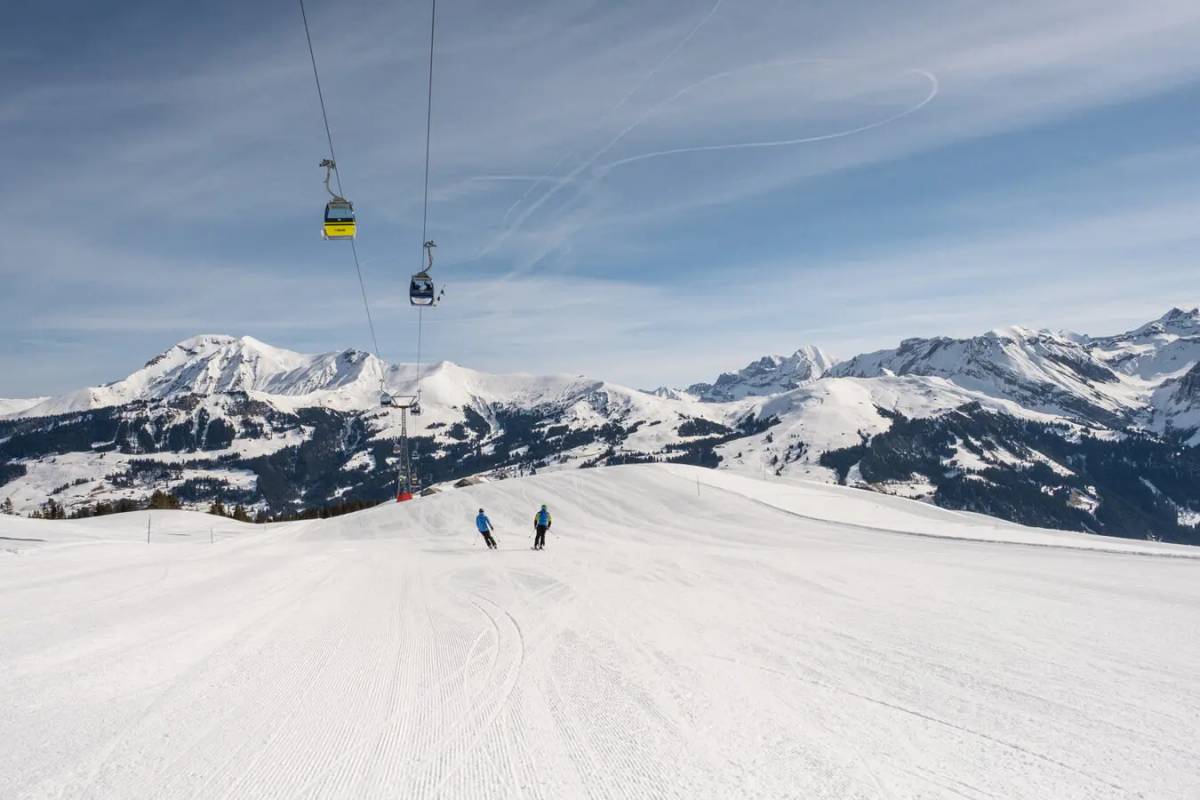
Betelberg spans 1,083 to 2,001 metres with 918 metres of vertical drop across 42 kilometres of piste and 17 marked runs. The terrain splits 52% beginner, 46% intermediate and 2% advanced, delivering an accessible layout ideal for families and developing skiers. The resort receives 4.3 metres of average annual snowfall and operates as part of the broader Adelboden-Lenk regional pass system, though Betelberg-only tickets run from 55 to 75 Swiss francs for adults. Base facilities sit just 600 metres from Lenk village centre.
Wide, groomed runs dominate the mountain, with the seven-kilometre Tschuggenpiste standing as the signature descent for stronger intermediates. Gentle terrain between Leiterli summit station and the Stoss mid-station appeals to beginners, whilst the Betelberg Cross Park, Joana Hählen Skimovie course and speed measurement track add variety. February delivers peak snow depth averaging 94 centimetres at 2,001 metres. A single black run accounts for just one kilometre of marked terrain.
Betelberg functions as Lenk's local mountain, drawing a relaxed, family-oriented crowd with minimal queuing even during peak periods. The Kinderwelt Stoss children's area includes the Swiss Snow Kids Village, conveyor lifts and dedicated instruction zones. Mid-mountain restaurants and the Berghotel Leiterli provide on-slope dining and lodging. 18 kilometres of winter hiking trails and 5 kilometres of cross-country tracks supplement the downhill offering.
Multi-day Adelboden-Lenk passes from two days upward grant access to 186 kilometres across the combined region including Metsch, Engstligenalp and Tschentenalp sectors. Dynamic pricing rewards early bookings. Children aged six to 15 ski free on Saturdays when accompanied by an adult with a day pass. The AlpsPass season card at 949 Swiss francs includes Betelberg within a network of participating resorts. The season typically runs early December through mid-April, with Betelberg opening from Christmas whilst the broader region starts late November.
918m
Vertical
17
Runs
42 km
Piste
4.3m
Annual snow
The Terrain
17 runs across 42 km of piste
Lenk's local mountain is Betelberg, a small, family-focused area reached by two gondola stages, first to Stoss and then Leiterli. It has 42 kilometres of piste across 17 runs and 918 metres of vertical, between 1,083 and 2,001 metres. The grading is easy to read: 52% beginner, 46% intermediate and 2% advanced, with no expert pistes. Days here are spent on wide, open slopes rather than technical descents, which makes it a sensible choice for parents, newer skiers and anyone wanting a relaxed outing without the crowds of larger resorts or the pressure of steep terrain.
The Tschuggenpiste is the run to know, a 7-kilometre descent from Leiterli down to Wallegg that gives stronger intermediates a long, sustained cruise. Beginners do well on the gentle slopes between Leiterli and Stoss, where the Kinderwelt Stoss children's area adds conveyor lifts and teaching zones. A cross park and a short black run supply a little variety for teenagers and more adventurous skiers. Advanced skiers and freeriders will find little to test them, so Betelberg works best as a confidence builder or an easy day paired with the wider Adelboden-Lenk region.
Terrain split
17
runs
17 runs across 4 grades
Beginner9 runs · 52%
Intermediate8 runs · 46%
Advanced0 runs · 2%
Expert0 runs · 0%
Time it right
When to visit Betelberg
The 2025-26 season runs 1 December 2025 through 15 April 2026, delivering a 19-week operational window. Betelberg typically opens from Christmas onwards, with the broader Adelboden-Lenk region commencing operations from late November when early snow permits weekend skiing. Gondola operations extend to 4 April 2027 for the following season, with weekend-only service from late October through mid-December for hiking access.
Average annual snowfall measures 4.3 metres, with February historically delivering peak coverage of 94 centimetres at 2,001-metre summit elevation and 15 centimetres at base. The Wildstrubel massif to the south blocks Mediterranean weather systems whilst channelling northern snow-bearing fronts into the valley, supporting natural accumulation. January averages three sunny days per month. The resort ranks within the Bernese Oberland's top ten for snow reliability despite the modest base elevation of 1,083 metres.
February and early March provide optimal powder windows and consistent cover, whilst April transitions to spring corn snow conditions. Mid-January through mid-February sees peak visitor numbers coinciding with school holidays. Early December and late March offer quieter slopes with reduced lift ticket pricing under the dynamic model. Night skiing programmes do not operate at Betelberg, though the neighbouring Chuenisbärgli sector hosts Friday evening sessions in February.
The annual Audi FIS Ski World Cup stages giant slalom and slalom races in Adelboden during mid-January, drawing international attention to the region. Saturday's KidsFree promotion runs throughout the season. The Joana Hählen Skimovie course honours the Swiss World Cup racer. Evening fondue events and regional culinary programming feature at on-mountain restaurants during peak season.
Season 2026 - 2027
19 Dec 2026
Opens
4 Apr 2027
Closes
106
Days open
4.3 m
Annual snow
The record
Historical snowfall at Betelberg
Daily snow reports at Betelberg go back to 2025, 3 winters on the books. Open the record to compare winters, lifts and piste.
11 cm
Snowiest day
25 Oct 2026
38 cm
This winter · 2026-27
so far
0 cm
Typical winter
average of complete seasons
Winter totals
cm
Past wintersThis winter
Getting there
Getting to Betelberg, and where to stay
Betelberg rises directly above Lenk im Simmental at the southern terminus of the Simmental valley in the Bernese Oberland, Canton Bern. Lenk sits at 1,068 metres elevation with the village spreading across the valley floor beneath the Wildstrubel massif at 3,243 metres, which forms a natural wall separating the Simmental from Valais to the south. The gondola base station lies 600 metres from Lenk's centre, with parking available at the valley terminal. The Simme River emerges from the Siebenbrunnen glacial springs above the village.
Zweisimmen lies 18 kilometres north via the Simmental road, connecting to Spiez, Thun and Lake Thun beyond. Gstaad sits 20 kilometres west over the Saanenmöser pass. Adelboden, the linked resort accessible via the Hahnenmoos col during winter, sits one valley east in the Engstligental. The Obersimmental designation covers the upper valley from Lenk northward to Boltigen. Regional population centres include Thun at 40 kilometres and the capital Bern at 75 kilometres northwest.
Road access follows the A6 Bern-Thun motorway to the Wimmis-Zweisimmen exit, then cantonal road through the Simmenfluh tunnel into the Simmental valley. Drive time from Bern measures one hour; Basel requires two hours via the A1 and A6 motorways. The well-maintained Simmental road permits year-round access without requiring winter chains during standard conditions. From the south, the Jaun Pass links to Bulle in Canton Fribourg.
Bern-Belp Airport sits 75 kilometres distant with 90-minute transfer times, serving as the nearest commercial facility. Zürich Airport lies 200 kilometres east with three-hour-50-minute rail connections via Bern and Zweisimmen, requiring two changes. Geneva Airport measures 180 kilometres southwest with three-hour-30-minute train journeys. The RegioExpress Lötschberger runs hourly from Bern to Zweisimmen, connecting to the regional train terminating at Lenk station. The GoldenPass Panoramic train links Montreux to Zweisimmen with onward connections to Lenk.
Where to stay
Search all stays →Stays map loads when you scroll here
Hotels and lodges near Betelberg, powered by Stay22.
Latest News
From the SnowStash desk
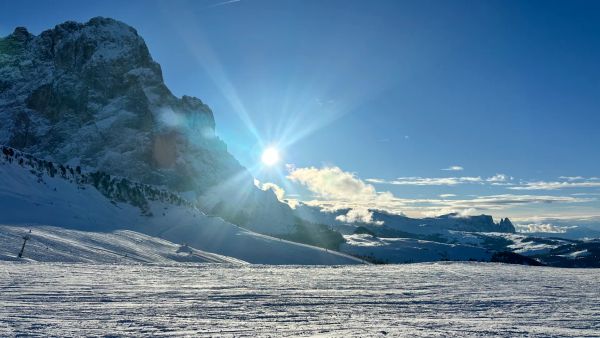
Val Gardena to Alpe di Siusi Lift Link Back in Play After Court Ruling
The Val Gardena-Alpe di Siusi lift link isn’t dead after all. A South Tyrol court has overturned Santa Cristina’s rejection of the new Monte Pana-Saltria link on procedural grounds, after the council skipped required public information sessions. Opponents want the missing sessions held and a fresh vote, and nothing has been approved. For now it’s still a bus between the two, but a plan first floated in 2017 is back in the conversation.
8 Nov 2026
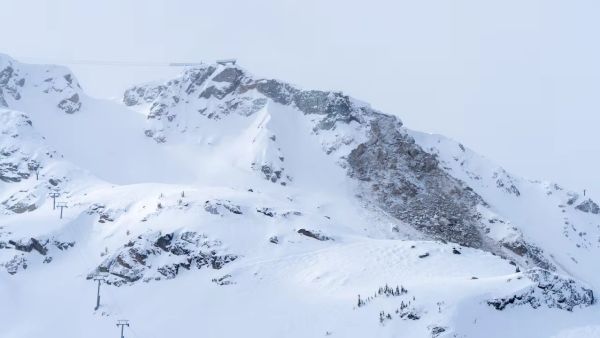
Whistler Blackcomb Rockslide Zone Stays Closed Through 2026-27 Season
A section of Whistler Peak terrain will stay closed all 2026-27 season, Vail Resorts has confirmed, with rockslide mitigation work continuing into summer 2027. Peak Express is still expected to run this winter, but locals are already arguing about what’s actually off limits, whether the Whistler Bowl is gone, and why the news landed after pass sales wound down. Here’s where things stand.
7 Nov 2026
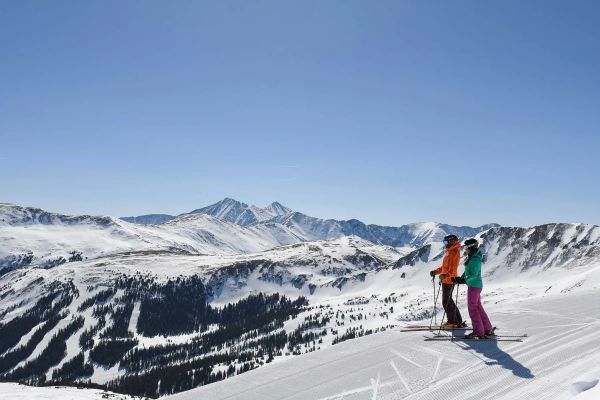
Loveland Ski Area Opens for 2026-27 and Marks 60 Years of Snowmaking
Loveland is open. The Colorado ski area started Chet’s Dream turning on Saturday 7 November to kick off 2026-27, with $60 adult lift tickets to mark 60 years of snowmaking. Expect three runs, nearly 1,000 vertical feet (about 300 metres) of top-to-bottom skiing, live music on the Basin Patio and no beginner terrain yet. Here’s what’s open, what it costs and when Loveland Valley follows.
7 Nov 2026
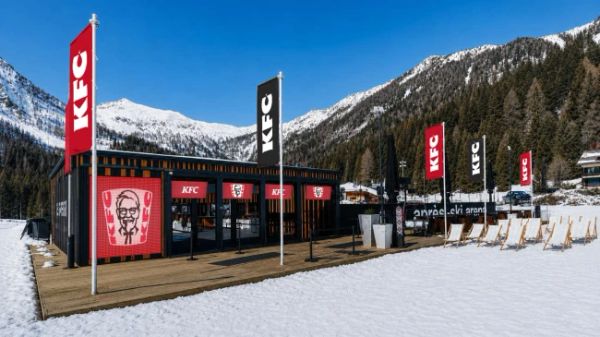
KFC Is Coming to the Slopes at Cortina and Madonna di Campiglio
Fried chicken is heading up the Dolomites. From 5 December KFC will run two restaurants on the slopes - one at 2,123 metres at Cortina, one at 1,700 metres at Madonna di Campiglio - and the polenta-and-canederli crowd has opinions. Local politicians, conservation groups and plenty of Facebook commenters are calling it a step too far, while others just want a cheaper lunch. Here’s what’s on the menu and what’s the fuss.
5 Nov 2026
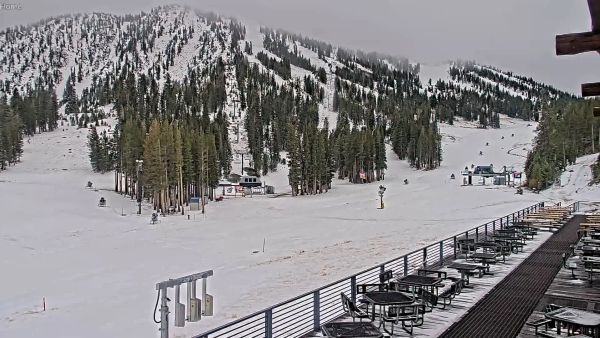
Mt Rose Aims to Open First in Tahoe on November 6
Mt Rose is going for the first-in-Tahoe title, with the Lakeview Express due to spin at 9 a.m. on Friday, November 6. One main lift, three runs and plenty of snowmaking, sitting on the highest base elevation in the region at 8,260 ft. Here is what is open, what is not (sorry, tubing fans), and how the early North American openings are stacking up.
4 Nov 2026
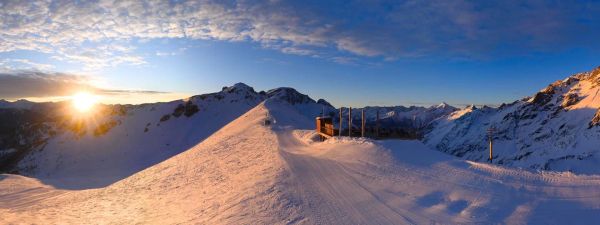
Europe Snow Forecast: Serre Chevalier Leads With 82 cm Over the Next 10 Days
Europe has had a quiet start to November, but our 10-day forecast has Serre Chevalier on 82 cm and Les 2 Alpes on 71 cm. Two pushes are lined up: a western Alps top-up from Friday, then a bigger, wider system on Thursday, November 12 and Friday, November 13 that reaches Italy and Switzerland. Full leaderboard inside.
4 Nov 2026
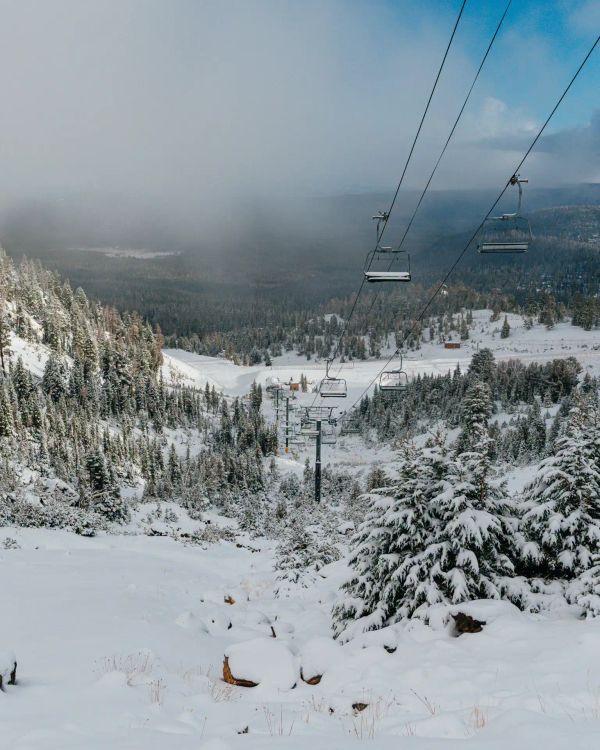
Mammoth Mountain Opens Early on November 5 With Up to 33 Inches of Snow in the Forecast
Mammoth just moved opening day forward to Thursday, November 5, eight days ahead of schedule. A snowy weekend and cold snowmaking nights did the work, and our forecast shows up to 33 inches more landing on November 13 and 14. Here is what opens, what the weather looks like and where Mammoth sits among the early Ikon Pass openers.
3 Nov 2026

Utah Snow Storm Builds Early-Season Base Ahead of November Openings
Rain down low, snow up high, and a snow report full of zeros that mostly means ‘not updated yet’. Utah’s first proper storm of 2026-27 is rolling through the Wasatch, Snowbird’s snow stake is closing in on 10 inches, and Brian Head is five days from opening day. Early November snow rarely looks like much, but it is the layer every November opening date is built on. Here is where it stands.
1 Nov 2026
Betelberg Lift Tickets
Betelberg lift tickets & passes
Opening day for the winter 2026 - 2027 season is scheduled for Dec 19, 2026 (subject to change). Lift tickets at Betelberg typically go on sale well before the start of the ski season.
Day passes start from CHF 30, with peak rates up to CHF 75.
9 pass options
Single-day passes
Adult 20–99
Adult Full Day Betelberg Only
CHF 55up to CHF 75 peak
Full day skiing at Betelberg in Lenk with access to 45km of wide carving slopes. Lenk's culture mountain features Cross Park, speed measurement course, and Skimovie track.
Buy passYouth 16–19
Youth Full Day Betelberg Only
CHF 42up to CHF 58 peak
Youth daily ticket for Betelberg ski area in Lenk. Perfect for teens to experience the 7km Tschuggenpiste and enjoy wide beginner-friendly slopes in the Bernese Oberland.
Buy passChild 6–15
Child Full Day Betelberg Only
CHF 30up to CHF 45 peak
Children's lift ticket for Betelberg covering gentle slopes from Leiterli to Stoss. Family-friendly skiing at Lenk's home mountain with excellent ski school programs.
Buy passChild 0–5
Child (5 & Under)
Free
Free skiing for children 5 and under at Betelberg. Kids enjoy complimentary access to beginner areas and Swiss Snow Kids Village Stoss in Lenk.
Buy passChild 6–15
KidsFree Saturdays
Free
Every Saturday at Betelberg, each adult with a day pass can bring up to 2 children (ages 6-15) to ski for free throughout the Adelboden-Lenk region.
Buy passAdult 20–99
Mini-Card Betelberg
CHF 35up to CHF 45 peak
Beginner pass for Betelberg covering lower lifts and learning areas. Perfect for first-time skiers and families with young children in Lenk's safe environment.
Buy passHalf-day passes
Adult 20–99
Upgrade 3pm Previous Day
Free
Betelberg day ticket holders can access lifts from 3pm the day before. Part of Adelboden-Lenk's 'Upgrade Your Ski Day' program for extended mountain time.
Buy passMulti-day passes
Adult 20–99
Adult Adelboden-Lenk Region (2+ Days)
CHF 130up to CHF 200 peak
Multi-day access to entire Adelboden-Lenk region including Betelberg, Elsigen-Metsch, Engstligenalp, and Tschentenalp. Nearly 200km of slopes with dynamic pricing.
Buy passSeason passes
Adult 20–99
AlpsPass Season Pass
CHF 949
Unlimited access to Betelberg and entire Adelboden-Lenk region plus Aletsch Arena, Engelberg-Titlis, and Jungfrau Ski Region with the comprehensive AlpsPass.
Buy passLift tickets FAQ
How much does a Betelberg day pass cost?
Betelberg day passes range from CHF 30 to CHF 75 depending on the date and advance booking.
Can I buy Betelberg lift tickets online?
Yes, you can purchase tickets directly from the resort website or at the resort ticket office.
Are there discounts for multi-day passes?
Yes, multi-day packages typically offer significant savings compared to individual day passes. The per-day cost decreases with longer stays.
What is included with a Betelberg lift ticket?
Full access to all lifts and trails at Betelberg, including mountain safety and patrol services.
What is the difference between Betelberg lift tickets and ski passes?
"Lift tickets" and "ski passes" refer to the same thing at Betelberg - your access to the mountain's lifts and trails for your chosen duration.
When should I buy Betelberg lift tickets for the best price?
Purchase tickets at least 7 days in advance for the best rates, and consider weekday visits for further savings over weekend rates.
Does Betelberg offer group discounts on lift tickets?
Group discounts are typically available for parties of 10 or more. Contact Betelberg directly for group booking information and rates.
How can I check current conditions before buying tickets?
Before purchasing, check the live snow report and mountain webcams to see current weather, snow conditions, and lift operations at Betelberg.
More Betelberg intelligence: snow report, webcams, resort overview.