
Betelberg
42km of piste, 918m vertical, family-friendly slopes in the Bernese Oberland. Part of Adelboden-Lenk region.
Season 2026 - 2027
Opens
19 Dec 2026
Closes
4 Apr 2027
Days open
106
Annual snow
4m
The Overview
Michael Fulton
Melbourne-based skier and snowboarder with 50+ resorts across 5 continents. Specialises in Australian resorts and international resort comparisons.
Betelberg spans 1,083 to 2,001 metres with 918 metres of vertical drop across 42 kilometres of piste and 17 marked runs. The terrain splits 52% beginner, 46% intermediate and 2% advanced, delivering an accessible layout ideal for families and developing skiers. The resort receives 4.3 metres of average annual snowfall and operates as part of the broader Adelboden-Lenk regional pass system, though Betelberg-only tickets run from 55 to 75 Swiss francs for adults. Base facilities sit just 600 metres from Lenk village centre.
Wide, groomed runs dominate the mountain, with the seven-kilometre Tschuggenpiste standing as the signature descent for stronger intermediates. Gentle terrain between Leiterli summit station and the Stoss mid-station appeals to beginners, whilst the Betelberg Cross Park, Joana Hählen Skimovie course and speed measurement track add variety. February delivers peak snow depth averaging 94 centimetres at 2,001 metres. A single black run accounts for just one kilometre of marked terrain.
Betelberg functions as Lenk's local mountain, drawing a relaxed, family-oriented crowd with minimal queuing even during peak periods. The Kinderwelt Stoss children's area includes the Swiss Snow Kids Village, conveyor lifts and dedicated instruction zones. Mid-mountain restaurants and the Berghotel Leiterli provide on-slope dining and lodging. 18 kilometres of winter hiking trails and 5 kilometres of cross-country tracks supplement the downhill offering.
Multi-day Adelboden-Lenk passes from two days upward grant access to 186 kilometres across the combined region including Metsch, Engstligenalp and Tschentenalp sectors. Dynamic pricing rewards early bookings. Children aged six to 15 ski free on Saturdays when accompanied by an adult with a day pass. The AlpsPass season card at 949 Swiss francs includes Betelberg within a network of participating resorts. The season typically runs early December through mid-April, with Betelberg opening from Christmas whilst the broader region starts late November.
918m
Vertical
17
Runs
42 km
Piste
4m
Annual snow
The Terrain
17 runs across 42 km of piste
Lenk's local mountain is Betelberg, a small, family-focused area reached by two gondola stages, first to Stoss and then Leiterli. It has 42 kilometres of piste across 17 runs and 918 metres of vertical, between 1,083 and 2,001 metres. The grading is easy to read: 52% beginner, 46% intermediate and 2% advanced, with no expert pistes. Days here are spent on wide, open slopes rather than technical descents, which makes it a sensible choice for parents, newer skiers and anyone wanting a relaxed outing without the crowds of larger resorts or the pressure of steep terrain.
The Tschuggenpiste is the run to know, a 7-kilometre descent from Leiterli down to Wallegg that gives stronger intermediates a long, sustained cruise. Beginners do well on the gentle slopes between Leiterli and Stoss, where the Kinderwelt Stoss children's area adds conveyor lifts and teaching zones. A cross park and a short black run supply a little variety for teenagers and more adventurous skiers. Advanced skiers and freeriders will find little to test them, so Betelberg works best as a confidence builder or an easy day paired with the wider Adelboden-Lenk region.
Terrain split
17
runs
17 runs across 4 grades
Beginner9 runs · 52%
Intermediate8 runs · 46%
Advanced0 runs · 2%
Expert0 runs · 0%
Time it right
When to visit Betelberg
The 2025-26 season runs 1 December 2025 through 15 April 2026, delivering a 19-week operational window. Betelberg typically opens from Christmas onwards, with the broader Adelboden-Lenk region commencing operations from late November when early snow permits weekend skiing. Gondola operations extend to 4 April 2027 for the following season, with weekend-only service from late October through mid-December for hiking access.
Average annual snowfall measures 4.3 metres, with February historically delivering peak coverage of 94 centimetres at 2,001-metre summit elevation and 15 centimetres at base. The Wildstrubel massif to the south blocks Mediterranean weather systems whilst channelling northern snow-bearing fronts into the valley, supporting natural accumulation. January averages three sunny days per month. The resort ranks within the Bernese Oberland's top ten for snow reliability despite the modest base elevation of 1,083 metres.
February and early March provide optimal powder windows and consistent cover, whilst April transitions to spring corn snow conditions. Mid-January through mid-February sees peak visitor numbers coinciding with school holidays. Early December and late March offer quieter slopes with reduced lift ticket pricing under the dynamic model. Night skiing programmes do not operate at Betelberg, though the neighbouring Chuenisbärgli sector hosts Friday evening sessions in February.
The annual Audi FIS Ski World Cup stages giant slalom and slalom races in Adelboden during mid-January, drawing international attention to the region. Saturday's KidsFree promotion runs throughout the season. The Joana Hählen Skimovie course honours the Swiss World Cup racer. Evening fondue events and regional culinary programming feature at on-mountain restaurants during peak season.
Season 2026 - 2027
19 Dec 2026
Opens
4 Apr 2027
Closes
106
Days open
4 m
Annual snow
Getting there
Getting to Betelberg, and where to stay
Betelberg rises directly above Lenk im Simmental at the southern terminus of the Simmental valley in the Bernese Oberland, Canton Bern. Lenk sits at 1,068 metres elevation with the village spreading across the valley floor beneath the Wildstrubel massif at 3,243 metres, which forms a natural wall separating the Simmental from Valais to the south. The gondola base station lies 600 metres from Lenk's centre, with parking available at the valley terminal. The Simme River emerges from the Siebenbrunnen glacial springs above the village.
Zweisimmen lies 18 kilometres north via the Simmental road, connecting to Spiez, Thun and Lake Thun beyond. Gstaad sits 20 kilometres west over the Saanenmöser pass. Adelboden, the linked resort accessible via the Hahnenmoos col during winter, sits one valley east in the Engstligental. The Obersimmental designation covers the upper valley from Lenk northward to Boltigen. Regional population centres include Thun at 40 kilometres and the capital Bern at 75 kilometres northwest.
Road access follows the A6 Bern-Thun motorway to the Wimmis-Zweisimmen exit, then cantonal road through the Simmenfluh tunnel into the Simmental valley. Drive time from Bern measures one hour; Basel requires two hours via the A1 and A6 motorways. The well-maintained Simmental road permits year-round access without requiring winter chains during standard conditions. From the south, the Jaun Pass links to Bulle in Canton Fribourg.
Bern-Belp Airport sits 75 kilometres distant with 90-minute transfer times, serving as the nearest commercial facility. Zürich Airport lies 200 kilometres east with three-hour-50-minute rail connections via Bern and Zweisimmen, requiring two changes. Geneva Airport measures 180 kilometres southwest with three-hour-30-minute train journeys. The RegioExpress Lötschberger runs hourly from Bern to Zweisimmen, connecting to the regional train terminating at Lenk station. The GoldenPass Panoramic train links Montreux to Zweisimmen with onward connections to Lenk.
Where to stay
Search all stays →Hotels and lodges near Betelberg, powered by Stay22.
Latest News
From the SnowStash desk
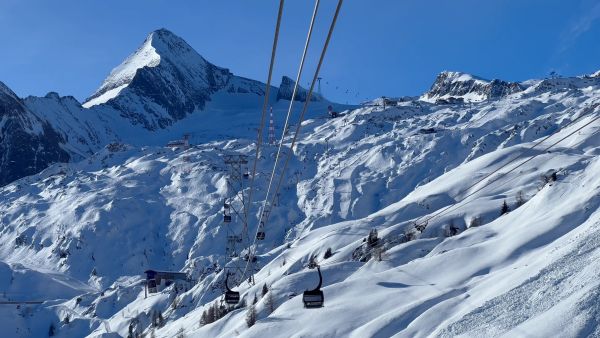
Europe Ski Resorts Open Now: What Is Skiable in Mid-October 2026
Europe’s ski season is open, technically. After a record-warm summer, glaciers in Austria, Switzerland and Italy are running a few pistes apiece, Sölden, Stubai and Kitzsteinhorn started late, Titlis has pushed back to 24 October, and Zermatt reopens a few lifts on 14 October after more than two months shut. Finland’s Levi and Ruka are skiing on stored snow. Here is what is open, and what you actually get at each.
14 Oct 2026
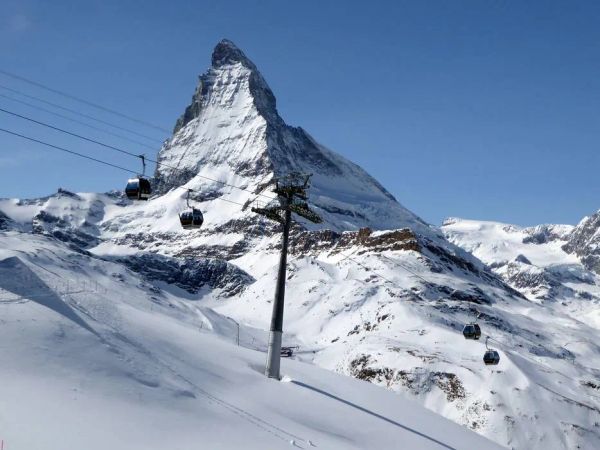
Zermatt Plans World Cup Downhill Return on the Gornergrat for 2028
Zermatt is having another crack at a World Cup downhill, and this time nobody has to cross a border. Around 13 million Swiss francs is going into rebuilding the Gornergrat piste, including a jump fed by a roughly 300-metre in-run across the roof of the Gornergrat Railway gallery, with the Matterhorn lined up behind it for the TV cameras. First men’s race is pencilled in for March 2028, pending FIS homologation.
14 Oct 2026
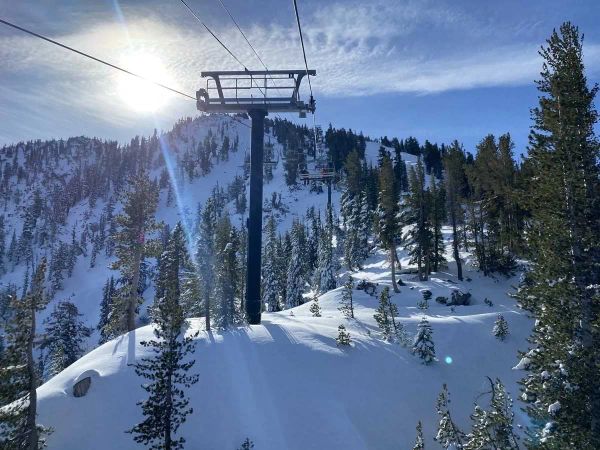
Mt. Rose Begins Snowmaking for the 2026-27 Season at Lake Tahoe
Lake Tahoe’s highest base elevation is paying off early: Mt. Rose has started making snow for 2026-27 after the first flurries and a cold snap. The Nevada resort is backing it with nearly US$2 million in upgrades, including a replacement snowmaking main line, a new PistenBully groomer and restraint bars on every lift. Opening day is yet to be confirmed, though Heavenly and Northstar are already eyeing 20 November.
13 Oct 2026

Utah Ski Resorts 2026-27: What’s New at Alta, Deer Valley, Powder Mountain and More
Utah is still building flat out. For 2026-27, Powder Mountain opens a steep new Skytrac chair into more than 1,000 acres of advanced terrain, Deer Valley adds 200 acres on Hail Peak, Sundance gets a new quad and Park City adds a gondola from its new parking structure. Snowmaking is expanding almost everywhere, Eagle Point stays closed after the Cottonwood Fire, and the 2034 Games are setting the pace. Here’s what’s new, resort by resort.
13 Oct 2026
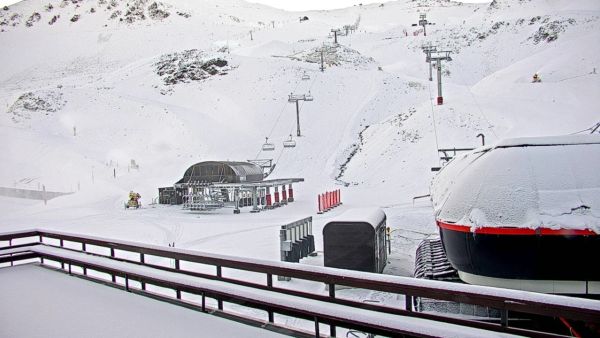
Mt Hutt Invests NZ$12 Million in Base Area, Tripling Its Sun Deck
Mt Hutt is getting busier, and its base lodge is about to catch up. NZ$12 million goes into a heated sun deck roughly three times the current size (430 m² to 1,300 m²), plus a new toilet block, heated steps down to snow level, extra storage and a new food and beverage outlet. Building starts after the 2026 season, with everything due for winter 2027.
11 Oct 2026

Vermont Ski Resort Opening Dates 2026-27: Few Dates Set, Killington Waits on the Cold
Vermont's season is slow to take shape. Stratton is tentatively targeting 18 November and Sugarbush 21 November, while Pico has Friday 11 December on the calendar. Killington never sets a date and opens when the snowmaking allows, and Vail Resorts has yet to name days for Stowe, Okemo and Mount Snow. The forecasts disagree about snow, and the main El Niño worry for the Green Mountains is warmth.
9 Oct 2026
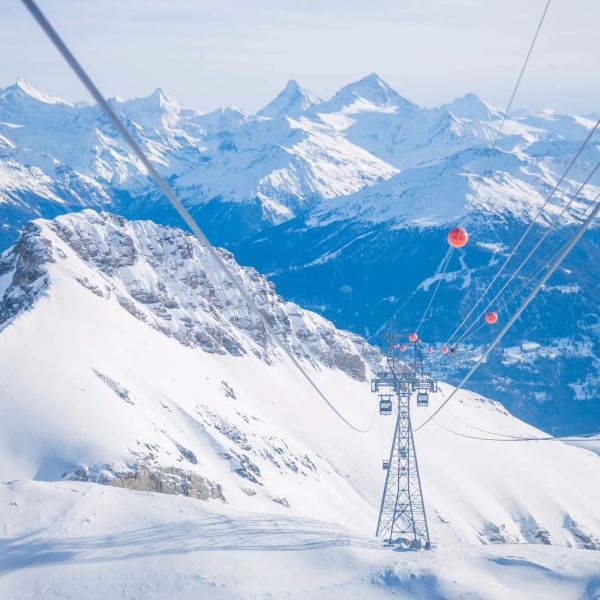
Crans-Montana 2027 World Championships President Resigns Ahead of Fraud Hearing
Less than four months out from the Crans-Montana 2027 World Championships, the man running the organising committee has stepped down. Claude-Alain Schmidhalter resigned as Swiss-Ski vice president and OC president after being indicted over a business dispute unrelated to skiing. He denies the allegations and faces court on October 27. Interim leaders are in place for the February 1-14 event.
9 Oct 2026
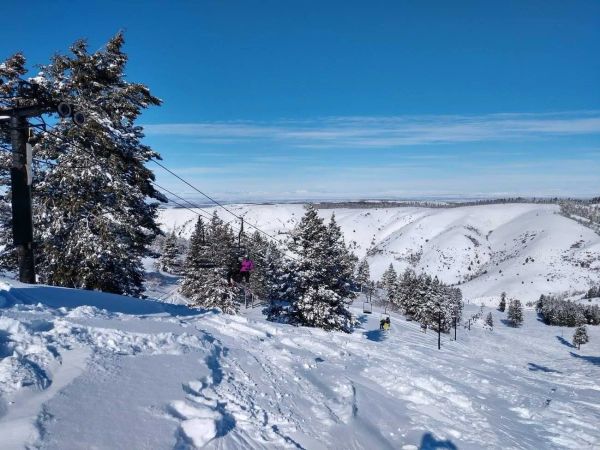
Kelly Canyon, Idaho, Adds Snowmaking, a Bigger Terrain Park and More Parking for 2026-27
Kelly Canyon had a rough 2025-26, and the Idaho resort has spent the summer making sure it doesn’t repeat. Snowmaking now reaches the top of Goldrush, the terrain park is doubling in size with a stereo system, lights and a snack shack, and the car park is getting bigger. Grooming is stepping up too. Target opening is December 4, conditions permitting.
9 Oct 2026