Betelberg
42km of piste, 918m vertical, family-friendly slopes in the Bernese Oberland. Part of Adelboden-Lenk region.
Season 2026 - 2027
Opens
19 Dec 2026
Closes
4 Apr 2027
Days open
106
Annual snow
4m
The Overview
Michael Fulton
Melbourne-based skier and snowboarder with 50+ resorts across 5 continents. Specialises in Australian resorts and international resort comparisons.
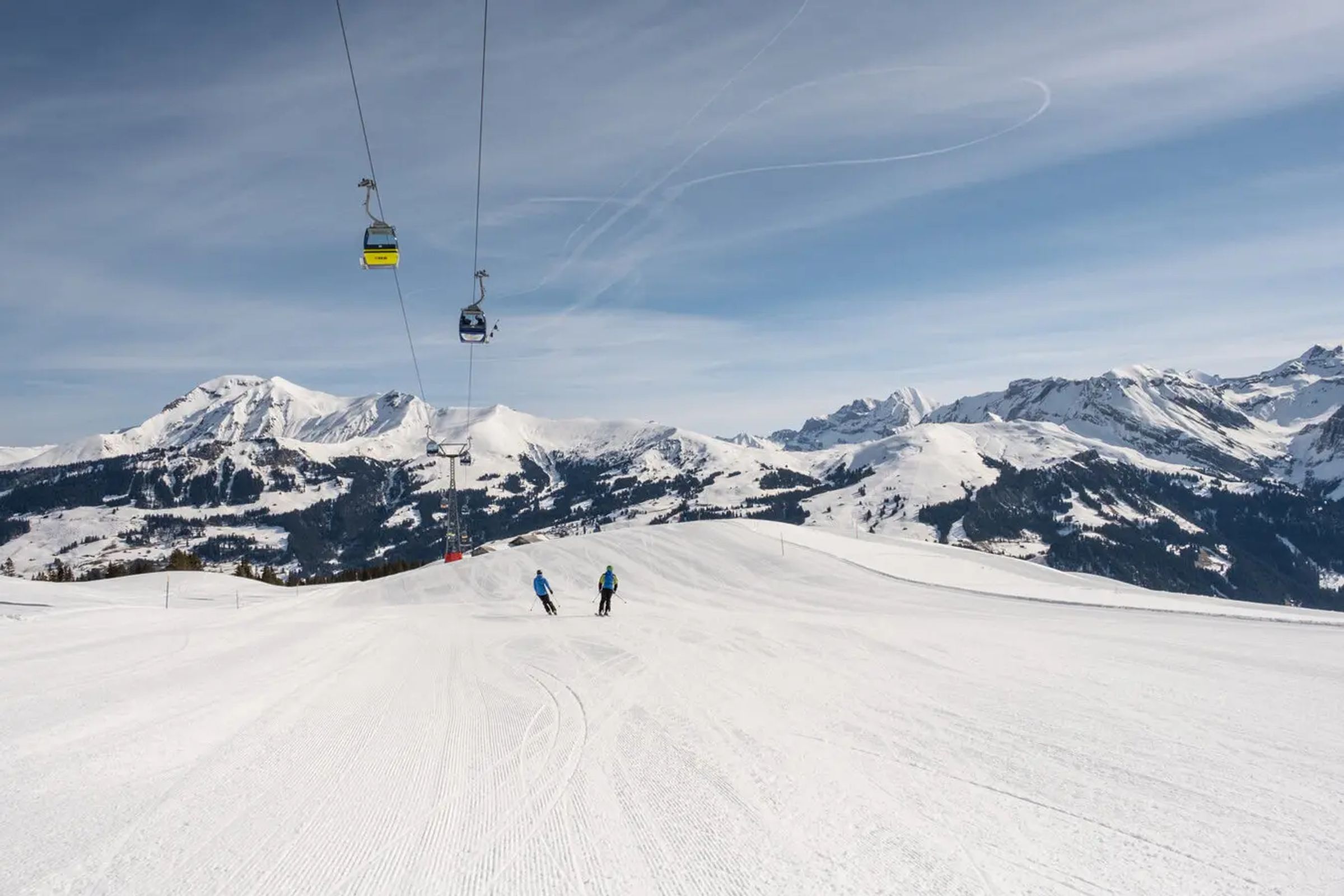
Betelberg spans 1,083 to 2,001 metres with 918 metres of vertical drop across 42 kilometres of piste and 17 marked runs. The terrain splits 52% beginner, 46% intermediate and 2% advanced, delivering an accessible layout ideal for families and developing skiers. The resort receives 4.3 metres of average annual snowfall and operates as part of the broader Adelboden-Lenk regional pass system, though Betelberg-only tickets run from 55 to 75 Swiss francs for adults. Base facilities sit just 600 metres from Lenk village centre.
Wide, groomed runs dominate the mountain, with the seven-kilometre Tschuggenpiste standing as the signature descent for stronger intermediates. Gentle terrain between Leiterli summit station and the Stoss mid-station appeals to beginners, whilst the Betelberg Cross Park, Joana Hählen Skimovie course and speed measurement track add variety. February delivers peak snow depth averaging 94 centimetres at 2,001 metres. A single black run accounts for just one kilometre of marked terrain.
Betelberg functions as Lenk's local mountain, drawing a relaxed, family-oriented crowd with minimal queuing even during peak periods. The Kinderwelt Stoss children's area includes the Swiss Snow Kids Village, conveyor lifts and dedicated instruction zones. Mid-mountain restaurants and the Berghotel Leiterli provide on-slope dining and lodging. 18 kilometres of winter hiking trails and 5 kilometres of cross-country tracks supplement the downhill offering.
Multi-day Adelboden-Lenk passes from two days upward grant access to 186 kilometres across the combined region including Metsch, Engstligenalp and Tschentenalp sectors. Dynamic pricing rewards early bookings. Children aged six to 15 ski free on Saturdays when accompanied by an adult with a day pass. The AlpsPass season card at 949 Swiss francs includes Betelberg within a network of participating resorts. The season typically runs early December through mid-April, with Betelberg opening from Christmas whilst the broader region starts late November.
918m
Vertical
17
Runs
42 km
Piste
4m
Annual snow
The Terrain
17 runs across 42 km of piste
Betelberg spreads 17 runs across 42 km of piste of terrain. It leans beginner at 52%, with 9 beginner runs to find your feet.
Terrain split
17
runs
17 runs across 4 grades
Beginner9 runs · 52%
Intermediate8 runs · 46%
Advanced0 runs · 2%
Expert0 runs · 0%
Time it right
When to visit Betelberg
The 2025-26 season runs 1 December 2025 through 15 April 2026, delivering a 19-week operational window. Betelberg typically opens from Christmas onwards, with the broader Adelboden-Lenk region commencing operations from late November when early snow permits weekend skiing. Gondola operations extend to 4 April 2027 for the following season, with weekend-only service from late October through mid-December for hiking access.
Average annual snowfall measures 4.3 metres, with February historically delivering peak coverage of 94 centimetres at 2,001-metre summit elevation and 15 centimetres at base. The Wildstrubel massif to the south blocks Mediterranean weather systems whilst channelling northern snow-bearing fronts into the valley, supporting natural accumulation. January averages three sunny days per month. The resort ranks within the Bernese Oberland's top ten for snow reliability despite the modest base elevation of 1,083 metres.
February and early March provide optimal powder windows and consistent cover, whilst April transitions to spring corn snow conditions. Mid-January through mid-February sees peak visitor numbers coinciding with school holidays. Early December and late March offer quieter slopes with reduced lift ticket pricing under the dynamic model. Night skiing programmes do not operate at Betelberg, though the neighbouring Chuenisbärgli sector hosts Friday evening sessions in February.
The annual Audi FIS Ski World Cup stages giant slalom and slalom races in Adelboden during mid-January, drawing international attention to the region. Saturday's KidsFree promotion runs throughout the season. The Joana Hählen Skimovie course honours the Swiss World Cup racer. Evening fondue events and regional culinary programming feature at on-mountain restaurants during peak season.
Season 2026 - 2027
19 Dec 2026
Opens
4 Apr 2027
Closes
106
Days open
4 m
Annual snow
Getting there
Getting to Betelberg, and where to stay
Betelberg rises directly above Lenk im Simmental at the southern terminus of the Simmental valley in the Bernese Oberland, Canton Bern. Lenk sits at 1,068 metres elevation with the village spreading across the valley floor beneath the Wildstrubel massif at 3,243 metres, which forms a natural wall separating the Simmental from Valais to the south. The gondola base station lies 600 metres from Lenk's centre, with parking available at the valley terminal. The Simme River emerges from the Siebenbrunnen glacial springs above the village.
Zweisimmen lies 18 kilometres north via the Simmental road, connecting to Spiez, Thun and Lake Thun beyond. Gstaad sits 20 kilometres west over the Saanenmöser pass. Adelboden, the linked resort accessible via the Hahnenmoos col during winter, sits one valley east in the Engstligental. The Obersimmental designation covers the upper valley from Lenk northward to Boltigen. Regional population centres include Thun at 40 kilometres and the capital Bern at 75 kilometres northwest.
Road access follows the A6 Bern-Thun motorway to the Wimmis-Zweisimmen exit, then cantonal road through the Simmenfluh tunnel into the Simmental valley. Drive time from Bern measures one hour; Basel requires two hours via the A1 and A6 motorways. The well-maintained Simmental road permits year-round access without requiring winter chains during standard conditions. From the south, the Jaun Pass links to Bulle in Canton Fribourg.
Bern-Belp Airport sits 75 kilometres distant with 90-minute transfer times, serving as the nearest commercial facility. Zürich Airport lies 200 kilometres east with three-hour-50-minute rail connections via Bern and Zweisimmen, requiring two changes. Geneva Airport measures 180 kilometres southwest with three-hour-30-minute train journeys. The RegioExpress Lötschberger runs hourly from Bern to Zweisimmen, connecting to the regional train terminating at Lenk station. The GoldenPass Panoramic train links Montreux to Zweisimmen with onward connections to Lenk.
Where to stay
Search all stays →Hotels and lodges near Betelberg, powered by Stay22.
Latest News
From the SnowStash desk
Arizona Snowbowl's $1 Lift Tickets Are Hard to Find, but $9 Days Are Not
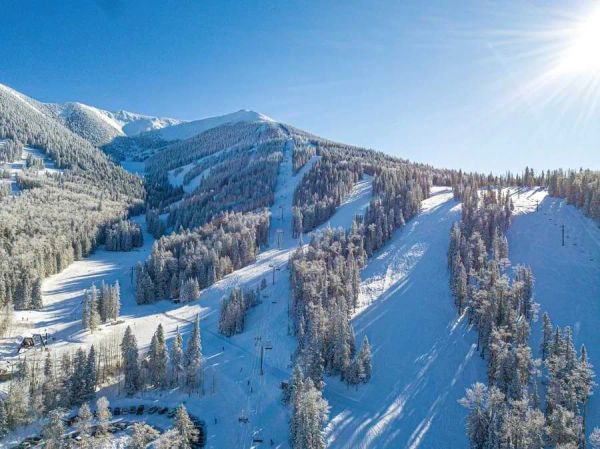
Arizona Snowbowl advertised eight $1 lift ticket days this winter. Go looking and only three are showing - 10 March, 1 April and 10 April - so the rest may already have gone. The consolation is a calendar full of $9 days, including all but one day in April. Opening day is 20 November, weather permitting, and opening weekend is $19.
2 Oct 2026
Whitewater Brings Its Short Side Inbounds, With Six New Runs for 2026-27
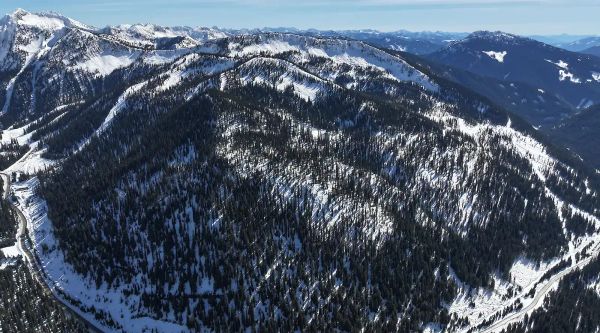
For years, Whitewater's Short Side was where you ducked a rope and hoped for the best: unmapped, ungroomed and unpatrolled. This winter it's inbounds. Six new runs of glades and fall-line skiing add 190 acres (about 77 hectares), taking the resort past 1,400 acres in total. F2 Logging spent a month in the trees to make it happen, and opening day is pencilled in for 4 December. Bonanza now needs less snow to groom, too.
1 Oct 2026
September Dusting Hits Mammoth Mountain Six Weeks Before Opening Day
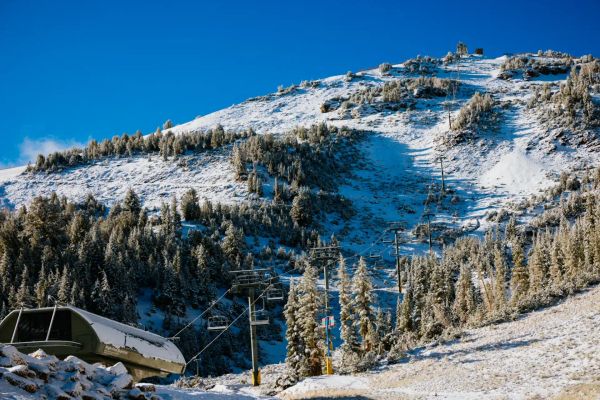
Mammoth got its first snow of 2026-27 on Monday 28 September - and promptly lost it by Tuesday morning. Barely an inch fell at McCoy Station, but with opening day pencilled in for Friday 13 November, it's the first sign the Sierra is waking up. Last year's date slipped from 14 November to 20 November, so nobody's booking flights on a dusting just yet. Here's where California's early openers stand.
1 Oct 2026
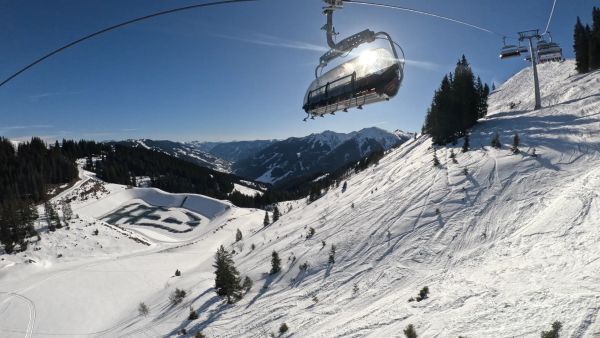
Saalbach Hinterglemm Resort Review: 270 km of Piste, 70 Lifts and a Three-Resort Pass
Four connected areas, 70 lifts and a World Championship course, yet Saalbach Hinterglemm still runs like a family holiday. Two days on snow and a Worlds Super-G later, here is who it suits, what the Ski ALPIN CARD covers and why Epic Pass holders should pay attention. Big on blues, light on steeps.
30 Sept 2026
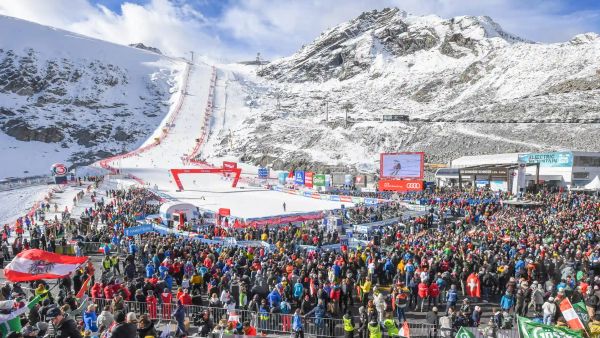
Sölden Plans Four-Race World Cup Opener on the Rettenbach Glacier from 2027
Sölden's World Cup opener has been two giant slaloms on the Rettenbach glacier for as long as most fans can remember. From 2027/28 it could be four. Director Jack Falkner wants to add two Super-Gs, backed by a nod from Vincent Kriechmayr, and turn the opening into a full week where the ski world gathers in the Ötztal. FIS and the ÖSV are yet to sign off. This year, it's still just the two GS races on 24 and 25 October.
29 Sept 2026
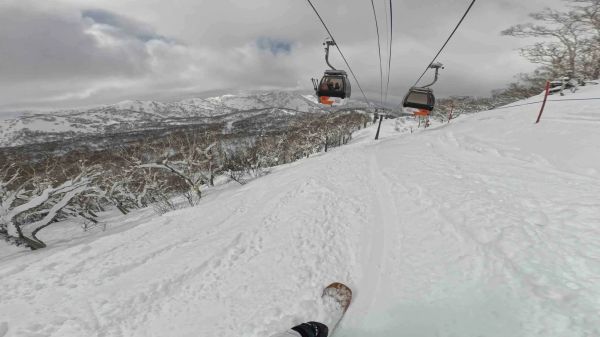
Hokkaido Ski Resort Opening Dates 2026/27: Sapporo Kokusai Leads Off on 20 November
Hokkaido's lift season now has dates. Sapporo Kokusai opens first on 20 November, Niseko United, Kiroro, Rusutsu and Furano follow on 28 November, and Kamui closes the list on 12 December. Everything hinges on snow, and with a strong El Niño in play, the JMA gives Hokkaido's Japan Sea side a 40% chance of below-normal snowfall. Honshu's Japan Sea coast looks shakier.
28 Sept 2026
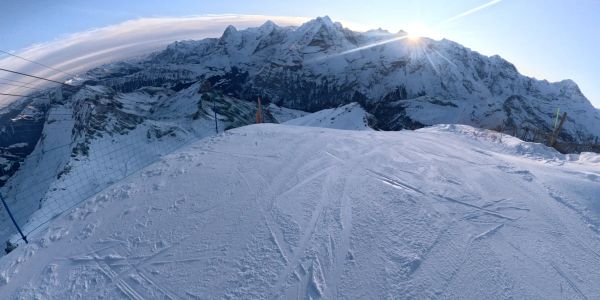
Swiss Ski Resorts Post Second-Highest Winter Revenue on Record Despite a Warm Season
Switzerland logged 25.7 million ski days last winter, only 2.3% off the record, in a season that ranked sixth-warmest since records began. Revenue hit CHF 895.8 million, second only to 2024/25. Zermatt led on visits and takings, foreign guests hit a ten-year high, and 12 resorts never opened at all. Snowmaking, late storms and high altitude carried the numbers. Anything sitting at 1,000-1,200 m had a far rougher time.
26 Sept 2026
Aspen Snowmass Marks 80th Anniversary With $3.75 Throwback Lift Tickets
Aspen Snowmass turns 80 this December, and it's marking the milestone with $3.75 lift tickets on the anniversary itself - the original 1946 price. A discounted long weekend, $19.46 dining specials, lodging deals up to 46 percent off, and a season of anniversary programming round out the celebration across all four mountains.
17 Sept 2026
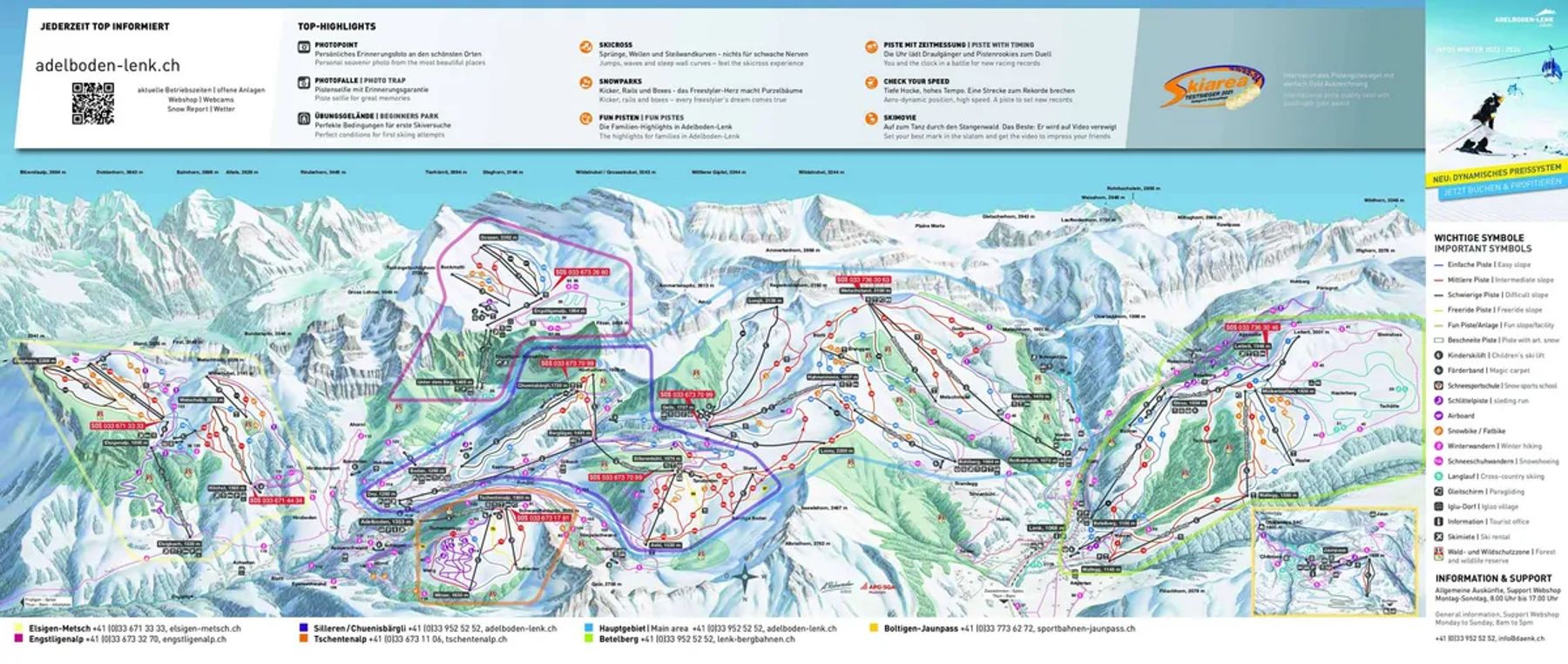
Betelberg Ski Trails
Downloadable Betelberg trail map
Terrain split
17
runs
Beginner52%
Intermediate46%
Advanced2%
Expert0%
42 km of piste
Resort Stats
Elevation
Base1083m
Summit2001m
Annual snowfall
4m
Season
2026 - 2027
19 Dec 2026 - 4 Apr 2027
Trail coverage
17 runs
42 km
Betelberg ski trails
Betelberg offers 17 runs across a mix of difficulties. The terrain split and trail map here show how the mountain breaks down so you can plan a day that suits your group.
- • Match runs to your ability - the terrain split shows how much of Betelberg is beginner, intermediate and advanced.
- • Check grooming and open-run status against the live conditions before committing to the upper mountain.
- • Early season and after fresh snow, favour the lifts serving your preferred grade to make the most of the day.
More Betelberg intelligence: trail map, lift system, resort overview.