TL;DR
Switzerland logged 25.7 million ski days last winter, only 2.3% off the record, in a season that ranked sixth-warmest since records began. Revenue hit CHF 895.8 million, second only to 2024/25. Zermatt led on visits and takings, foreign guests hit a ten-year high, and 12 resorts never opened at all. Snowmaking, late storms and high altitude carried the numbers. Anything sitting at 1,000-1,200 m had a far rougher time.

Swiss lift operators closed the 2025/26 winter with the second-highest transport revenue ever recorded, in one of the warmest seasons on the books
According to the final season report from Seilbahnen Schweiz, the national cableway association, Swiss ski areas registered 25.7 million ski days. That is 2.3 percent below the record winter of 2024/25 and 9.7 percent above the five-year average. Passenger transport revenue came to CHF 895.8 million, only 0.7 percent less than the previous winter. A ski day here means one person using the lifts on one day.
Revenue fell by less than visits
Because takings slipped by a smaller margin than ski days, the average revenue per ski day rose by 1.6 percent. That figure covers every kind of ticket, so it takes in season passes, subscriptions, discounted fares and free entries as well as standard day tickets.
Foreign guests keep growing
Visitors from abroad generated 9.9 million ski days, up 2.9 percent on the previous winter and the highest total in ten years. Their share of all ski days moved from 36.6 to 38.5 percent. Swiss guests went the other way, with ski days down 5.3 percent to 15.8 million.
Zermatt out in front
Zermatt was the busiest ski area in the country by a clear margin, with 1.54 million ski days and CHF 78 million in transport revenue. Arosa Lenzerheide came second on visits with 1.42 million, followed by Davos Klosters at 1.34 million, Verbier at 1.28 million and St. Moritz at 1.18 million. The Jungfrau Ski Region (1.09 million) and Adelboden-Lenk (1.06 million) rounded out the seven areas that passed one million ski days.
Revenue placed the resorts in a slightly different order. Davos Klosters took second place with CHF 54 million, ahead of Arosa Lenzerheide at CHF 52 million, Verbier at CHF 51 million and the Jungfrau Ski Region at CHF 49 million.
A warm, dry winter with help from snowmaking
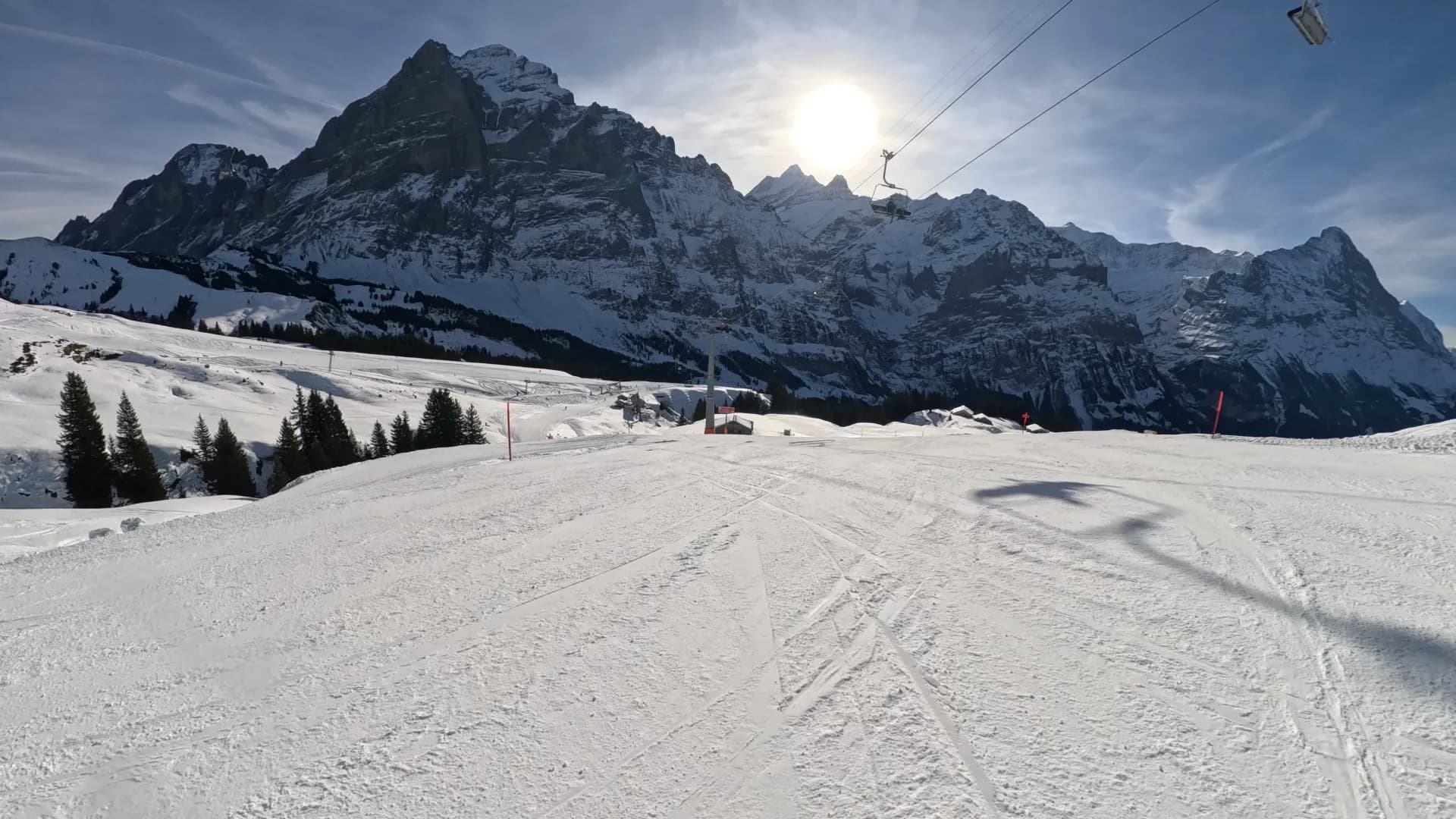
The numbers stand out because winter 2025/26 was the sixth warmest in Switzerland since measurements began, with below-normal precipitation. Technical snowmaking and intensive piste preparation allowed many larger ski areas to keep conditions stable, and snowfall later in the season, mainly in March and April, gave visits a further lift. On average, Swiss resorts operated for 83 days, one more than the previous winter and two percent above the five-year average of 81.
Not every resort shared the result
The national figures hide wide regional gaps. Twelve Swiss ski areas stayed closed for the entire winter, with insufficient snow, financial difficulties or both cited as the causes. Resorts at 1,000 to 1,200 metres fared worst, recording 55 percent fewer ski days than their five-year average, while most higher altitude categories finished above theirs.
The final tally draws on data from 174 cableway companies operating in 151 ski areas, which together account for 98 percent of all registered ski days in Switzerland.
About the author

Michael Fulton
Melbourne-based skier and snowboarder with 50+ resorts across 5 continents. Specialises in Australian resorts and international resort comparisons.