
Grindelwald
102km terrain, iconic Eiger views, Lauberhorn downhill course. Grindelwald skiing in Switzerland's Bernese Oberland.
Season 2026 - 2027
Opens
21 Nov 2026
Closes
25 Apr 2027
Days open
155
Annual snow
13m
The Overview
Michael Fulton
Melbourne-based skier and snowboarder with 50+ resorts across 5 continents. Specialises in Australian resorts and international resort comparisons.
Grindelwald serves as the primary access point to the Jungfrau Ski Region, offering 102 kilometres of marked trails across 108 runs from a base elevation of 796 metres to a summit of 2,500 metres. The resort divides into two distinct sectors: Grindelwald-First with 56 kilometres of terrain accessed via a 6-seater gondola, and the larger Grindelwald-Wengen sector with 103 kilometres spanning Kleine Scheidegg and Männlichen. The tricable Eiger Express gondola, opened in December 2020, delivers skiers from Grindelwald Terminal to Eigergletscher in 15 minutes, cutting 47 minutes from the journey to Jungfraujoch. The 2025-26 season runs from 15 November to 26 April, with day tickets priced at CHF 79.
The terrain breakdown favours progression, with 32 per cent beginner runs, 55 per cent intermediate, 10 per cent advanced and 3 per cent expert. Long cruising reds dominate Kleine Scheidegg, whilst the tree-lined slopes of Männlichen offer more challenge. Grindelwald-First delivers sunny intermediate terrain and hosts the White Elements Snowpark with a 130-metre halfpipe. The Lauberhorn downhill course, the longest in World Cup racing at 4.48 kilometres, opens to the public from late January following the mid-January race weekend. The Bodmi Arena provides dedicated beginner terrain with surface lifts, whilst high-altitude runs from Oberjoch stretch 7 to 8 kilometres back to the village through forest and meadow.
Grindelwald village sits at 1,034 metres beneath the Eiger North Face, maintaining traditional chalet architecture alongside modern facilities. The car-free resort relies on efficient bus and train connections, with trains departing Interlaken Ost every 30 minutes. On-mountain restaurants cluster at Kleine Scheidegg, Männlichen and the First summit, whilst the village offers supermarkets, sports shops and equipment rental. Saturday lift tickets include free skiing for up to three children aged 6 to 15 when an adult purchases a full-price day pass. Peak crowds appear during Christmas, February half-term and the Lauberhorn race weekend in mid-January.
The Jungfrau Ski Region pass covers Grindelwald-First, Grindelwald-Wengen and Mürren-Schilthorn, totalling over 200 kilometres of terrain accessed by trains, cable cars and chairlifts. The CHF 949 AlpsPass adds Adelboden-Lenk, Aletsch Arena and Engelberg-Titlis. Grindelwald suits confident intermediates seeking long cruisers, families wanting varied progression terrain, and advanced skiers chasing off-piste below the Eiger. Limited expert piste terrain makes this better for volume than vertical challenge, though the extended season and reliable mid-station snowmaking counter the south-facing exposure of Grindelwald-First.
1604m
Vertical
108
Runs
102 km
Piste
13m
Annual snow
Watch
See Grindelwald in motion
The Terrain
108 runs across 102 km of piste
Grindelwald counts 108 runs across 102 kilometres of piste, falling 1,604 metres from 2,400 metres down to the 796-metre valley floor. More than half of the terrain is intermediate at 55%, with 32% beginner, 10% advanced and 3% expert, so progression is the theme rather than steeps. A heavy 13.4 metres of annual snowfall sets it apart from many neighbours, and the Eiger Express tricable gondola, opened in December 2020, carries skiers from the village terminal to Eigergletscher in about 15 minutes, joined by cogwheel trains and a mix of chairs and T-bars.
Skiers choose between two sides. Grindelwald-First is reached by a six-seat gondola in about 25 minutes and is popular with freeskiers, with freeride runs 5 and 14 prepared from the second day after snowfall. The other side opens through the Eiger Express to Eigergletscher, then on to Kleine Scheidegg and Männlichen, where the Lauberhorn course is skiable after the January race. Peak crowds gather at Christmas and race weekend. It suits families, mixed groups and intermediates wanting length with the Eiger in view. The White Elements snowpark at First also includes a 130-metre halfpipe.
Terrain split
108
runs
108 runs across 4 grades
Beginner35 runs · 32%
Intermediate59 runs · 55%
Advanced11 runs · 10%
Expert3 runs · 3%
Time it right
When to visit Grindelwald
The 2025-26 Jungfrau Ski Region season operates from 15 November 2025 to 26 April 2026, with individual sectors maintaining slightly different schedules. Kleine Scheidegg runs 15 November to 27 April, Männlichen operates 13 December to 6 April, Grindelwald-First opens 20 December to 6 April, and Mürren-Schilthorn extends 22 November to 26 April. Early season relies on weekend operations depending on snowfall, with full daily service typically commencing in mid-December. The Eiger Express faces maintenance closure from 20 to 24 April 2026. Late November opening represents optimistic scheduling, as natural snowfall rarely provides adequate coverage before December.
Groundelwald receives 13.4 metres of snowfall annually, though the south-facing First sector suffers in warm periods despite snowmaking down to Bort at 1,570 metres. The north-facing Eigergletscher slopes retain coverage better, with reliable conditions above 2,000 metres from December through April. Kleine Scheidegg and Männlichen sit between 1,600 and 2,300 metres, delivering consistent mid-winter conditions but requiring caution in early December and late April. The data shows current base depth at 122 centimetres, with 66 centimetres falling in the past week and 368 centimetres season total as of May 2026. Spring skiing excels on shaded Eigergletscher runs, whilst First becomes slushy by midday in March and April.
January and February deliver peak powder, with January temperatures cold enough to preserve snow quality on all aspects. March offers longer days and settling snowpack ideal for off-piste exploration, though freeze-thaw cycles demand early starts. Christmas week and February half-term bring maximum crowds and peak pricing at CHF 89 per day versus CHF 79 regular rate. Saturdays offer free skiing for up to three children per adult, making weekends busier than midweek. Quieter periods span early December, mid-January outside race week, and late March when university schedules create gaps. Late April delivers spring corn snow on north aspects whilst south-facing terrain closes progressively.
The International Lauberhorn Races dominate the calendar, held 16 to 18 January 2026 with Super-G Friday, downhill Saturday and slalom Sunday. The 4.48-kilometre downhill course, the longest in World Cup racing, closes for preparation from early January and reopens to the public from 19 January. The annual event attracts 30,000 spectators and transforms Wengen into a festival atmosphere, with accommodation requiring booking months ahead. Grindelwald hosts the Season-End Party at First in late April with a treasure hunt across the slopes. Night skiing operates at Bodmi Arena on selected evenings, with illuminated slopes and extended lift hours advertised via the resort website and local signage.
Season 2026 - 2027
21 Nov 2026
Opens
25 Apr 2027
Closes
155
Days open
13 m
Annual snow
Getting there
Getting to Grindelwald, and where to stay
Grindelwald occupies the Lütschental valley in the Bernese Oberland at 1,034 metres elevation, positioned between the Wetterhorn massif and the Eiger North Face 13 kilometres south of Interlaken. The village of 3,800 residents spreads along the valley floor with the dramatic north walls of Eiger, Mönch and Jungfrau rising 3,000 vertical metres to the south. Grindelwald Terminal sits 2 kilometres from the village centre, connected by frequent buses and a 5-minute train ride. The UNESCO World Heritage Swiss Alps Jungfrau-Aletsch designation covers the surrounding glacial landscape, with the resort functioning as the eastern gateway to this protected zone whilst Wengen and Mürren occupy the western valley accessed via Lauterbrunnen.
Interlaken lies 20 kilometres north at the junction of Lake Thun and Lake Brienz, serving as the transport hub for the Bernese Oberland with connections to Bern, Zurich and Geneva. The region centres on the Lauterbrunnen and Grindelwald valleys, car-free villages perched on terraces above deep glacial troughs. Grindelwald retains road access unlike Wengen and Mürren, supporting a larger permanent population and visitor infrastructure. The village developed as a mountaineering base in the 19th century, with the 1893 Wengernalp Railway establishing winter sports tourism. Traditional chalets predominate in the Dorfstrasse area, whilst modern hotels cluster near Grindelwald Terminal and the First gondola base station 600 metres from the centre.
Road access from Interlaken follows Route 6 through Wilderswil, turning south at Gündlischwand for the winding 15-kilometre climb to Grindelwald taking 30 to 40 minutes. Winter conditions demand snow tyres or chains, with black ice risk on shaded corners. Parking at Grindelwald Terminal costs CHF 12 to 15 daily in the 1,032-space garage, with village parking charging similar rates. From Bern, the 80-kilometre drive via Interlaken takes 90 minutes on the A6 and A8 motorways. Zurich sits 140 kilometres northeast requiring 2 hours via the A1 and A8, whilst Geneva lies 220 kilometres west involving 3 hours on the A1 and A6. The Brünig Pass route from Lucerne remains open year-round, whilst Grimsel and Susten passes close November to May.
Zurich Airport, Switzerland's largest hub at 140 kilometres distance, connects via hourly trains requiring one change at Bern or Interlaken, taking 2 hours 30 minutes total. Geneva Airport lies 220 kilometres west with trains via Bern requiring 3 hours 30 minutes. Bern Airport at 70 kilometres provides the closest option for private aviation, connected by train in 1 hour 45 minutes via Interlaken Ost. Direct trains from Interlaken Ost depart every 30 minutes on the Bernese Oberland Railway, arriving at Grindelwald Terminal in 29 minutes or Grindelwald village in 35 minutes. The Swiss Travel Pass covers trains to Grindelwald with discounted mountain transport, whilst the Jungfrau Travel Pass includes 3 to 8 consecutive days of unlimited regional transport including lifts.
Where to stay
Search all stays →Hotels and lodges near Grindelwald, powered by Stay22.
Latest News
From the SnowStash desk
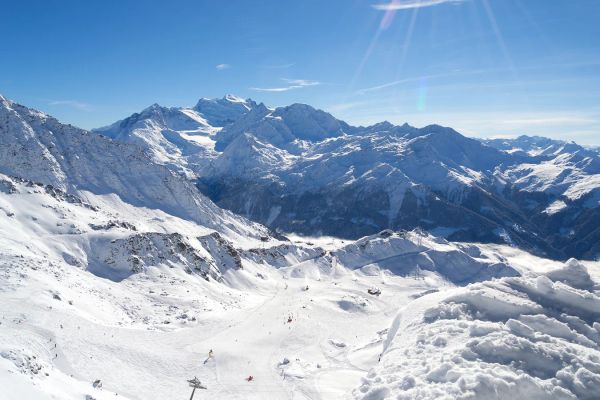
Alps Snow Forecast: Up to 64 cm Headed for the High Glaciers as the Snow Line Drops
The Alps are about to swap mild, sunny October weather for something far more wintry. A cold front arrives Tuesday, and SnowStash forecasts have Monterosa Ski out in front with 64 cm over 14 days, ahead of Blatten Belalp (55 cm) and Verbier (43 cm). The snow line should fall below 2000 metres by Wednesday night, and glaciers across Switzerland, Italy and Austria are in line for the best of it. The wind will have a say too.
20 Oct 2026
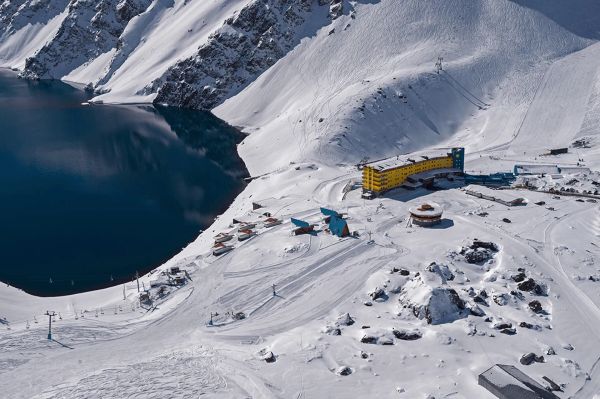
Four Dead After Avalanche Near Ski Portillo in Chile
A large avalanche struck near Laguna del Inca adjacent to Ski Portillo on Saturday afternoon, killing four people and injuring four others. The group were day visitors mountaineering in the backcountry after reportedly being warned about elevated avalanche risk by resort staff.
18 Oct 2026
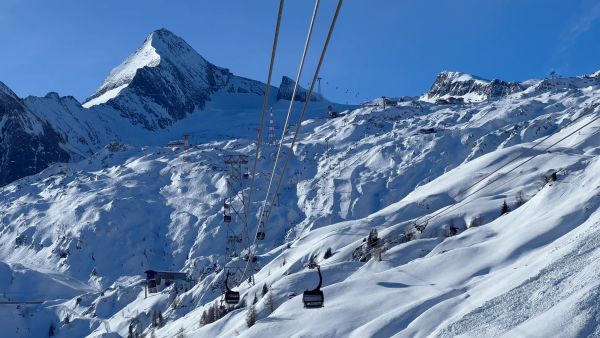
Europe Ski Resorts Open Now: What Is Skiable in Mid-October 2026
Europe’s ski season is open, technically. After a record-warm summer, glaciers in Austria, Switzerland and Italy are running a few pistes apiece, Sölden, Stubai and Kitzsteinhorn started late, Titlis has pushed back to 24 October, and Zermatt reopens a few lifts on 14 October after more than two months shut. Finland’s Levi and Ruka are skiing on stored snow. Here is what is open, and what you actually get at each.
14 Oct 2026
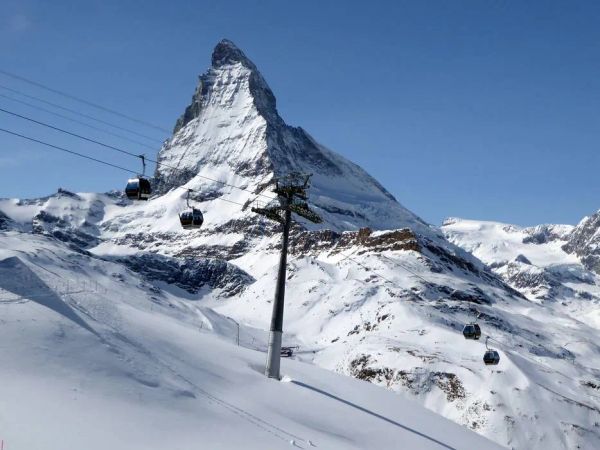
Zermatt Plans World Cup Downhill Return on the Gornergrat for 2028
Zermatt is having another crack at a World Cup downhill, and this time nobody has to cross a border. Around 13 million Swiss francs is going into rebuilding the Gornergrat piste, including a jump fed by a roughly 300-metre in-run across the roof of the Gornergrat Railway gallery, with the Matterhorn lined up behind it for the TV cameras. First men’s race is pencilled in for March 2028, pending FIS homologation.
14 Oct 2026
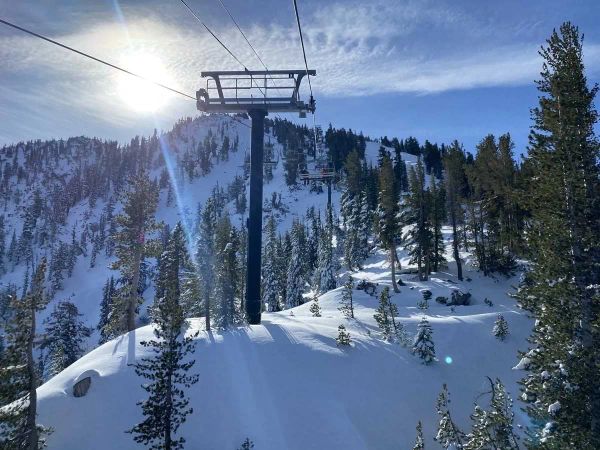
Mt. Rose Begins Snowmaking for the 2026-27 Season at Lake Tahoe
Lake Tahoe’s highest base elevation is paying off early: Mt. Rose has started making snow for 2026-27 after the first flurries and a cold snap. The Nevada resort is backing it with nearly US$2 million in upgrades, including a replacement snowmaking main line, a new PistenBully groomer and restraint bars on every lift. Opening day is yet to be confirmed, though Heavenly and Northstar are already eyeing 20 November.
13 Oct 2026
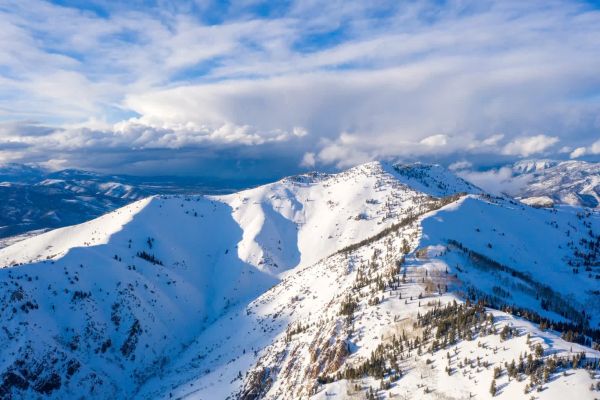
Utah Ski Resorts 2026-27: What’s New at Alta, Deer Valley, Powder Mountain and More
Utah is still building flat out. For 2026-27, Powder Mountain opens a steep new Skytrac chair into more than 1,000 acres of advanced terrain, Deer Valley adds 200 acres on Hail Peak, Sundance gets a new quad and Park City adds a gondola from its new parking structure. Snowmaking is expanding almost everywhere, Eagle Point stays closed after the Cottonwood Fire, and the 2034 Games are setting the pace. Here’s what’s new, resort by resort.
13 Oct 2026
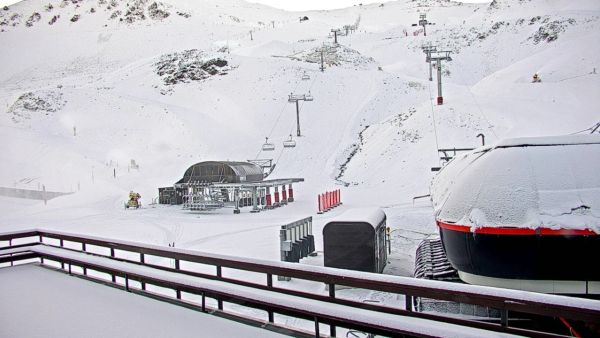
Mt Hutt Invests NZ$12 Million in Base Area, Tripling Its Sun Deck
Mt Hutt is getting busier, and its base lodge is about to catch up. NZ$12 million goes into a heated sun deck roughly three times the current size (430 m² to 1,300 m²), plus a new toilet block, heated steps down to snow level, extra storage and a new food and beverage outlet. Building starts after the 2026 season, with everything due for winter 2027.
11 Oct 2026
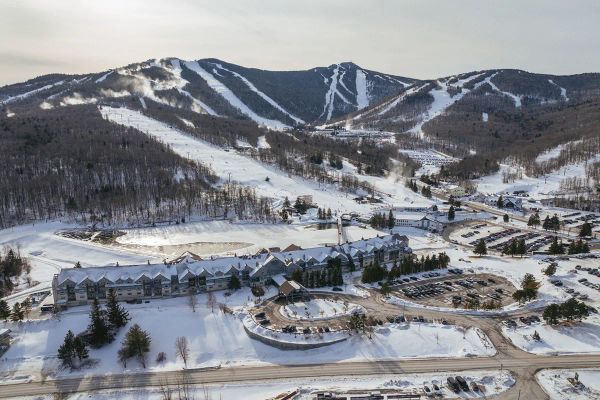
Vermont Ski Resort Opening Dates 2026-27: Few Dates Set, Killington Waits on the Cold
Vermont's season is slow to take shape. Stratton is tentatively targeting 18 November and Sugarbush 21 November, while Pico has Friday 11 December on the calendar. Killington never sets a date and opens when the snowmaking allows, and Vail Resorts has yet to name days for Stowe, Okemo and Mount Snow. The forecasts disagree about snow, and the main El Niño worry for the Green Mountains is warmth.
9 Oct 2026