Getting to Hokkaido
Hokkaido is Japan's northernmost main island, about two hours from Tokyo by air. Most international skiers arrive through New Chitose Airport, which sits roughly 50 km from Sapporo, the island's capital and largest city. Sapporo gives its name to two of the resorts on the list, Sapporo Kokusai and Sapporo Teine.
Four resorts, four characters
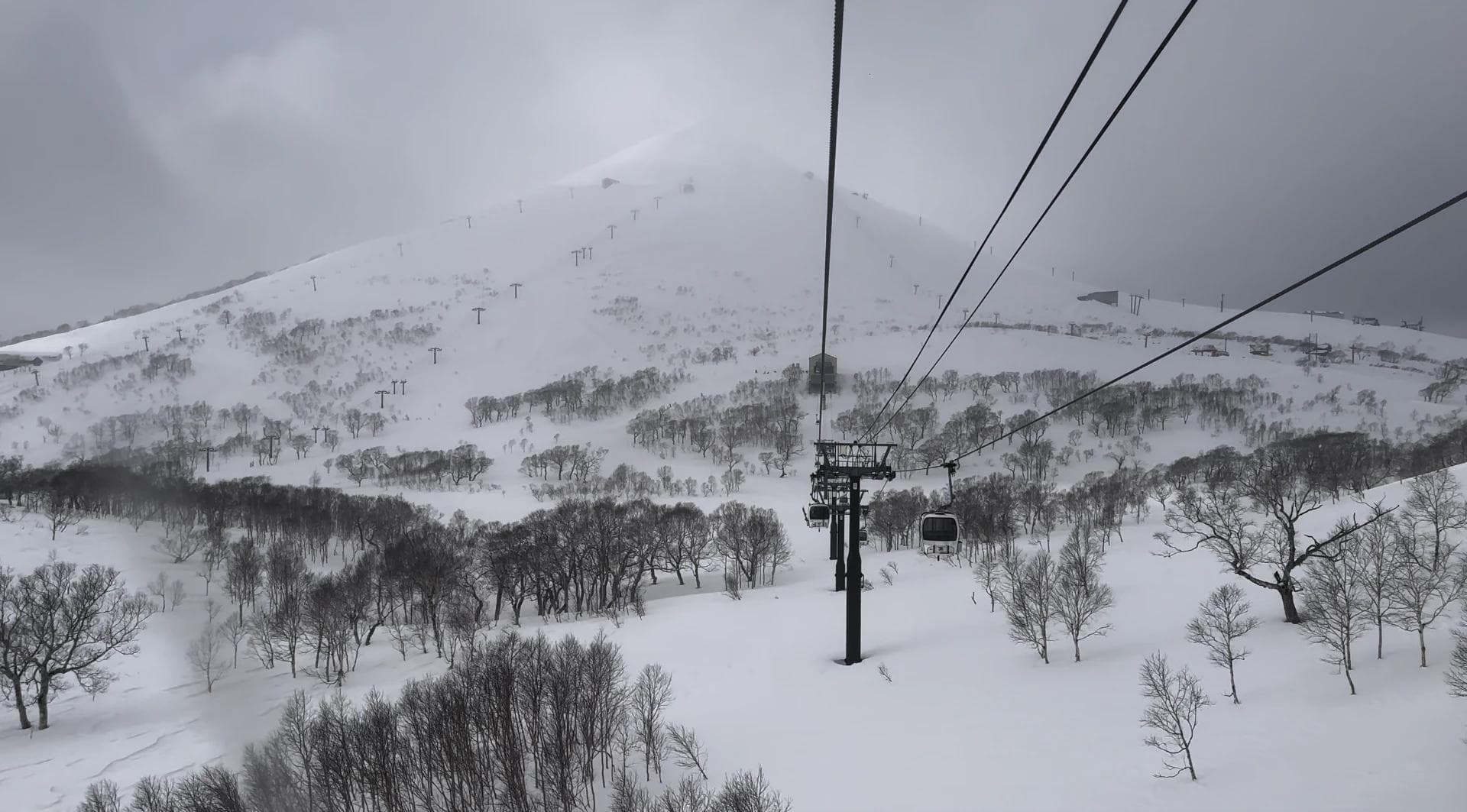
Niseko United is a network of four interconnected ski areas: Grand Hirafu, Hanazono, Niseko Village and Annupuri. It has the most international infrastructure on the island and receives around 15 metres of snow a year, with a reputation for side-country and deep powder fields.
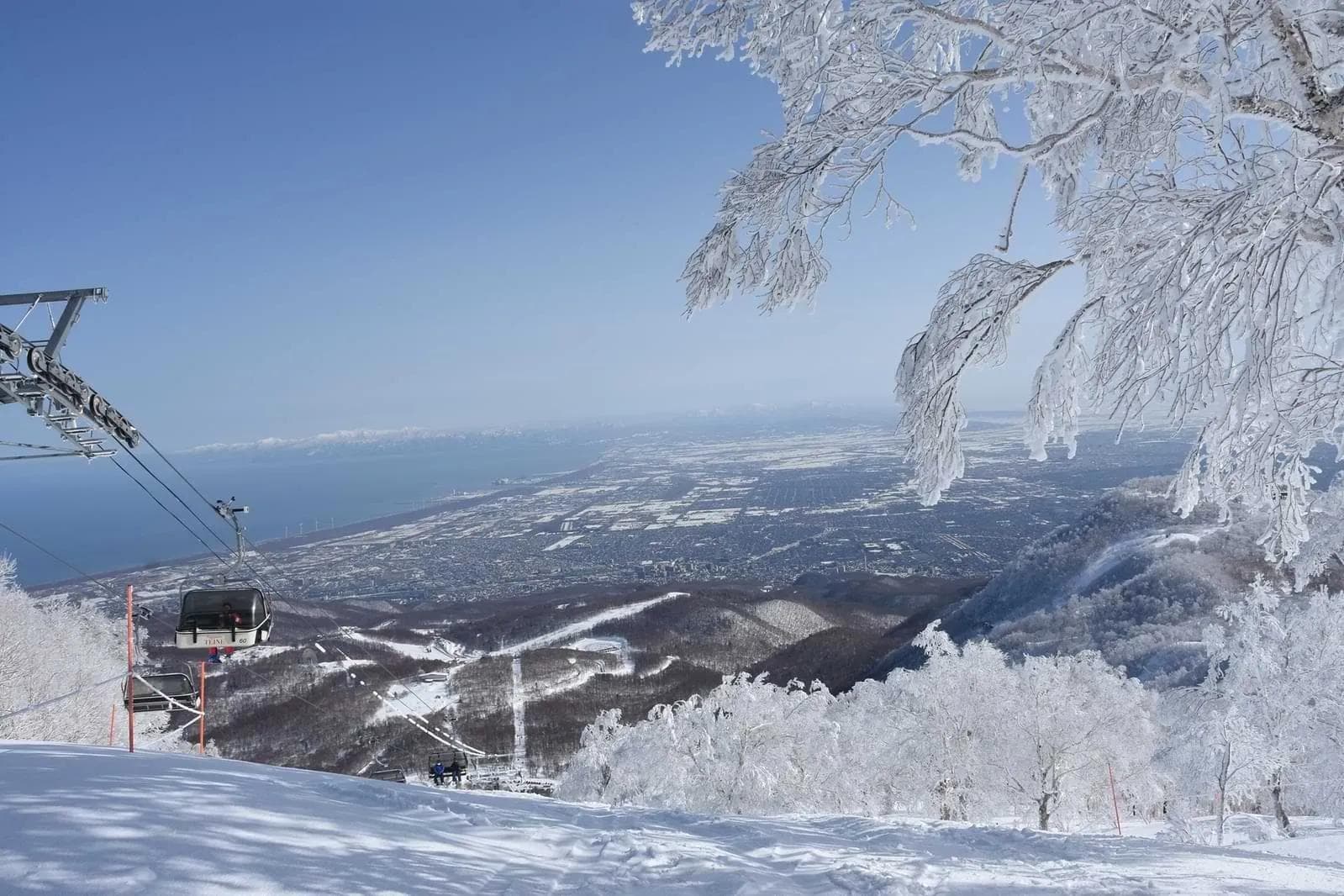
The Sapporo resorts work differently. Sapporo Teine and Sapporo Kokusai are built around day trips, with no ski village at the base, so most visitors stay in central Sapporo and take a train or bus up. Both are known for deep snow, steep terrain and backcountry access.
Furano sits near the geographic centre of the island, surrounded by an agricultural town. Being further inland, it typically sees less snowfall than the coastal resorts, though its long, winding groomed runs suit skiers who prefer carving.
Niseko's visitor numbers
Niseko Tourism reported 2.14 million domestic and international visitors across the Niseko area in fiscal year 2025, up 8.4 percent on the year before. American travellers led the overseas overnight market with 40,504 visitors, or 17.4 percent. Australians were next with 37,134, a 15.9 percent share. The figures cover the wider tourism area of Kutchan, Niseko and Rankoshi and not only the four Niseko United resorts.
Weather and El Niño
A strong El Niño is developing, and it has already shaped the seasonal outlook. The Japan Meteorological Agency, in its winter forecast issued on 18 September, gives the Japan Sea side of Hokkaido, where Niseko sits, a 40 percent chance of below-normal snowfall for December to February. It puts the odds of near-normal snowfall at 40 percent and above-normal at 20 percent. The Japan Sea sides of Tohoku, Hokuriku and western Honshu sit at 50 percent for below-normal, so the exposure is higher there than in Hokkaido.
Ski Asia points to 73 years of Niseko snowfall data showing almost no measurable relationship with El Niño years, and some of the resort's best seasons on record came in El Niño winters. A seasonal outlook describes odds across a whole region and a three-month window, and it does not predict what any single resort will receive.