
The Overview
Michael Fulton
Melbourne-based skier and snowboarder with 50+ resorts across 5 continents. Specialises in Australian resorts and international resort comparisons.
Kamui Ski Links spans 601 metres of vertical drop between 150 and 751 metres elevation across 30 runs and 24.3 kilometres of terrain on the northwestern slopes of Kamuiyama. The resort receives over 8 metres of annual snowfall, with its inland central Hokkaido location producing exceptionally dry powder snow. Three FIS-approved courses host national Super G and Giant Slalom races, and the resort opened in 1984 on land formerly known as Kamui Village.
The terrain divides into 38 percent beginner, 32 percent intermediate, 20 percent advanced, and 10 percent expert runs across 25 officially designated courses. One-third of the ski area remains ungroomed, including gated tree run zones accessed from the upper mountain. The longest run extends 4,000 metres from summit to base, with the steepest slopes reaching 35 degrees in advanced tree skiing areas.
The resort maintains a low-key local atmosphere with minimal crowds on weekdays, though weekend influxes from Asahikawa occur. A 500-seat restaurant occupies the second floor of the base centre house, whilst a mountaintop cafe features an open fireplace and views across central Hokkaido. Children under elementary school age ski free, and full equipment rental packages cost 13,000 yen per day.
Kamui participates in the Hokkaido Powder Belt Pass, a five-day ticket valid at Furano, Tomamu, and Kamui within a 10-day window for 38,000 yen. The 2025-2026 season runs 13 December to 31 March with daily operations from 9:00am to 4:00pm. The resort suits intermediate to advanced skiers seeking uncrowded powder and tree skiing without destination resort infrastructure or lodging.
601m
Vertical
30
Runs
124 acres
Skiable
13m
Annual snow
The Terrain
30 runs across 124 acres skiable
Kamui Ski Links near Asahikawa has a real spread of terrain: 30 runs with 601 vertical metres from 751 metres down to 150 metres. The grading is 38% beginner, 32% intermediate, 20% advanced and 10% expert, which is unusually balanced for central Hokkaido. A gondola and five double chairs service the mountain, and around 13 metres of dry inland snow fall in a typical year. Of its roughly 50 hectares, about a third is left ungroomed, so powder stays skiable well after a storm. It appeals to skiers who want Japan's light snow without a big resort crowd.
The standout feature is the gated tree runs reached from the upper mountain, where widely spaced trees and rolling ground produce excellent powder, and the steepest pitches reach about 35 degrees. Marked tree runs are graded as double black, so treat them seriously. For groomed laps, the longest run covers about four kilometres from top to bottom. FIS-approved courses used for national Super G and giant slalom races show the hill can handle fast skiing. Weekdays are quiet, with weekend traffic coming mostly from Asahikawa. Intermediates progressing into trees, and experts chasing fresh lines, will both find plenty to do here.
Terrain split
30
runs
30 runs across 4 grades
Beginner11 runs · 38%
Intermediate10 runs · 32%
Advanced6 runs · 20%
Expert3 runs · 10%
Time it right
When to visit Kamui Ski Links
The 2025-2026 season operates from 13 December 2025 to 31 March 2026, a span of approximately 15 weeks. Daily hours run 9:00am to 4:00pm with no night skiing available. The resort typically opens in early December and closes by early April depending on snow conditions.
Kamui receives over 8 metres of average annual snowfall, with some sources citing up to 10 metres in heavy years. The inland basin location produces cold, dry powder with minimal humidity, and January temperatures average minus 3 degrees Celsius with lows near minus 12 degrees. Blue sky days occur frequently due to the sheltered continental position, and fresh snow remains light and untracked longer than coastal resorts.
Optimal timing runs late December through early February when snowfall peaks and temperatures stay consistently cold for powder preservation. Weekdays offer the quietest conditions with fresh tracks available throughout ungroomed zones. March brings milder spring snow whilst maintaining good coverage at 751-metre summit elevation.
Asahikawa City hosts a Winter Festival in early February featuring ice sculptures and regional culture. The resort publishes daily snow reports by 7:30am on its website and social channels. No seasonal night skiing or special events programmes operate, keeping the focus on daytime powder skiing and snowboarding.
Season 2026 - 2027
12 Dec 2026
Opens
4 Apr 2027
Closes
113
Days open
13 m
Annual snow
Getting there
Getting to Kamui Ski Links, and where to stay
Kamui Ski Links sits within Asahikawa City in the Kamikawa subprefecture of central Hokkaido, approximately 20 kilometres from downtown Asahikawa. The base sits at 150 metres elevation on the northwestern slopes of Kamuiyama in the Dohoku region. The area was historically known as Kamui Village before merging with Asahikawa in 1955, with the name deriving from the Ainu word meaning divine being.
Asahikawa is Hokkaido's second-largest city with over 1,200 restaurants and serves as the primary accommodation base 30 minutes from the resort. Furano lies 70 kilometres south, a 45-50 minute drive. Sapporo sits 90 minutes southwest via the Hokkaido Expressway. The resort has no ski-in accommodation, with guests staying in Asahikawa, Furano, or occasionally Sapporo.
By car, take Route 233 north from Asahikawa for 30 minutes or exit the Hokkaido Expressway at Fukagawa IC and follow Route 12 from Sapporo in 90 minutes. Ample free parking exists at the base. Winter driving requires studless tyres on all approaches.
Asahikawa Airport sits approximately 17 kilometres from the resort with direct flights from Tokyo Haneda in 95 minutes, then 40 minutes by bus to Asahikawa City. New Chitose Airport near Sapporo lies 150 kilometres away, serving major international and domestic routes. Dohoku Bus operates Route 455 Rapid Santa Links Line from Asahikawa Station and major hotels in 40 minutes for 1,000 yen, plus direct airport buses from Asahikawa Airport in 60 minutes.
Where to stay
Search all stays →Hotels and lodges near Kamui Ski Links, powered by Stay22.
Latest News
From the SnowStash desk
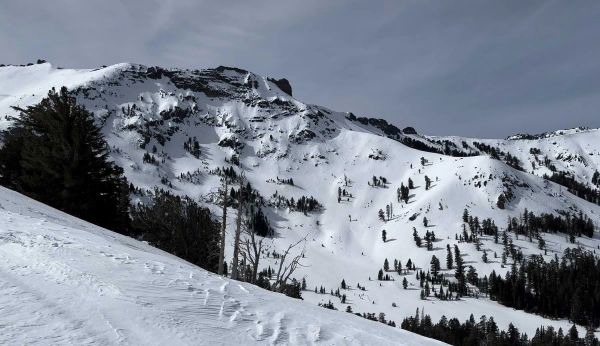
California Ski Resort Opening Dates 2026-27: Mammoth Leads, Tahoe Follows
Mammoth Mountain is first up in California, targeting Friday 13 November after a dusting of September snow. Heavenly and Northstar follow on 20 November, Palisades Tahoe on Wednesday 25 November and Sugar Bowl on 27 November, with Kirkwood on 4 December and June Mountain on 19 December. Plenty of smaller areas have no date yet. A super El Niño favours the Sierra, but a warmer storm track is the catch.
7 Oct 2026
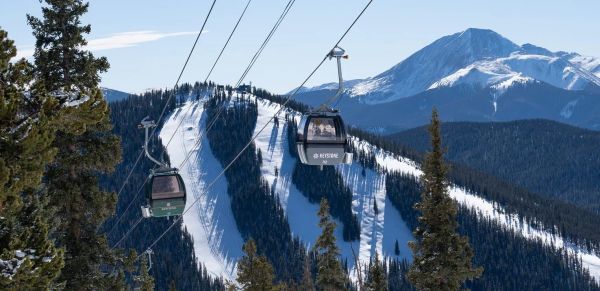
Colorado Ski Resort Opening Dates 2026-27: A-Basin and Keystone Race to Be First
Arapahoe Basin, Keystone and Winter Park are all chasing an October start, though none has a firm date yet. The first dated openers are Breckenridge and Copper on Friday 6 November, then Vail on 13 November, with most of the rest bunched around US Thanksgiving. Hesperus did not open at all last season. A super El Niño offers hope but no guarantee, and forecasters say the southern mountains have the better odds.
5 Oct 2026
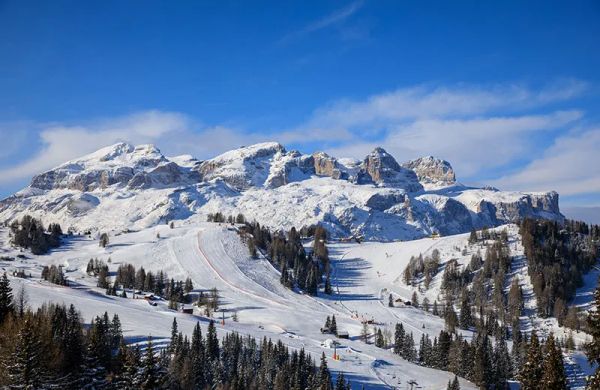
Dolomiti Superski 2026-27: Four New Gondolas, New Reservoirs and an €89 Peak Day Pass
Dolomiti Superski is spending around €100 million across its 12 areas before winter. Kronplatz gets a new 10-passenger gondola with a middle station, 3 Zinnen gets Helmissimo, and Val di Fassa swaps a chairlift for a gondola above Col Valvacin. New water-storage basins and upgraded snowmaking follow, and construction has started on the San Martino to Passo Rolle link. A peak adult day pass is €89.
4 Oct 2026
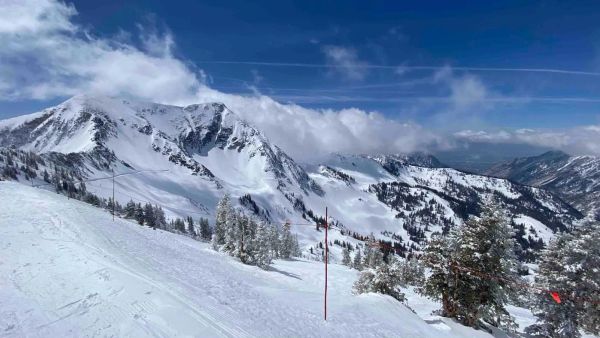
Utah Ski Resort Opening Dates 2026-27: Brian Head First, Eagle Point Out
Brian Head is targeting 6 November, though last year it aimed for 7 November and did not open until the 25th. Park City, Alta and Solitude are pencilled in for 20 November, Snowbird and Snowbasin for 27 November, and Deer Valley for 5 December. Eagle Point will stay closed after the Cottonwood Fire. A super El Niño is forecast, but the big snow is not expected until January.
4 Oct 2026
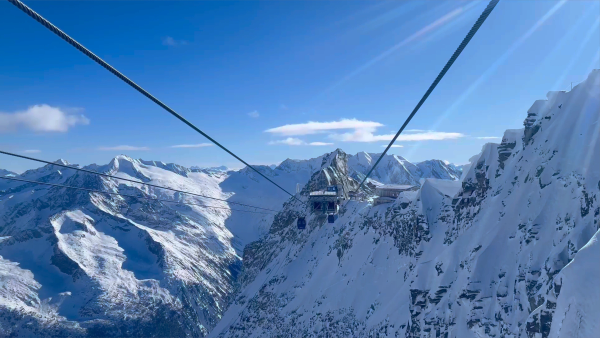
Hintertux Glacier Opens for 2026-27 With 12 Kilometres of Piste
Hintertux became Austria's second glacier to open for 2026-27 on Friday 2 October, after the Pitztal Glacier. Twelve kilometres of piste are running around the Olperer and Gefrorene Wand, served by one gondola and two drag lifts, with the Betterpark also open. Lifts officially run 8:15 am to 4:30 pm, but skiing stops at 2 pm for now.
4 Oct 2026
Vail Resorts Counts the Cost of a Thin Winter as Pass Sales Slide Further
A historically poor western winter cut Vail Resorts' annual net income from $280 million to $147.5 million and skier visits by 13.4 per cent. Now 2026-27 pass units are down 12 per cent as of 18 September, worse than the 10 per cent flagged in spring. Vail blames the weather and thinks some buyers are simply waiting, and it forecasts a rebound if the snow behaves.
3 Oct 2026
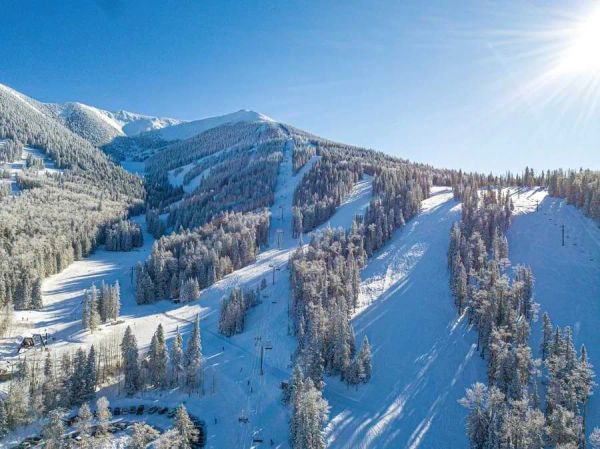
Arizona Snowbowl's $1 Lift Tickets Are Hard to Find, but $9 Days Are Not
Arizona Snowbowl advertised eight $1 lift ticket days this winter. Go looking and only three are showing - 10 March, 1 April and 10 April - so the rest may already have gone. The consolation is a calendar full of $9 days, including all but one day in April. Opening day is 20 November, weather permitting, and opening weekend is $19.
2 Oct 2026
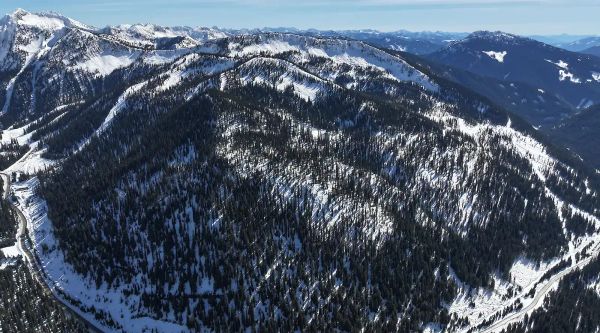
Whitewater Brings Its Short Side Inbounds, With Six New Runs for 2026-27
For years, Whitewater's Short Side was where you ducked a rope and hoped for the best: unmapped, ungroomed and unpatrolled. This winter it's inbounds. Six new runs of glades and fall-line skiing add 190 acres (about 77 hectares), taking the resort past 1,400 acres in total. F2 Logging spent a month in the trees to make it happen, and opening day is pencilled in for 4 December. Bonanza now needs less snow to groom, too.
1 Oct 2026