TL;DR
An aerial tram carrying around fifty passengers struck the boom of a construction crane on the route to Pic Blanc at Alpe d'Huez on Wednesday morning, injuring 23 people, three seriously. The cabin tipped on impact before the operator reversed it to right the car. Most of the injured were treated on site, with five taken to hospital in Grenoble, including a pregnant woman assessed as a precaution.
An aerial tram on the route to Pic Blanc at Alpe d'Huez collided with a construction crane on Wednesday morning, injuring 23 people
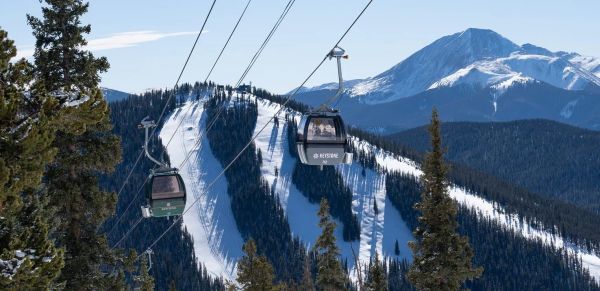
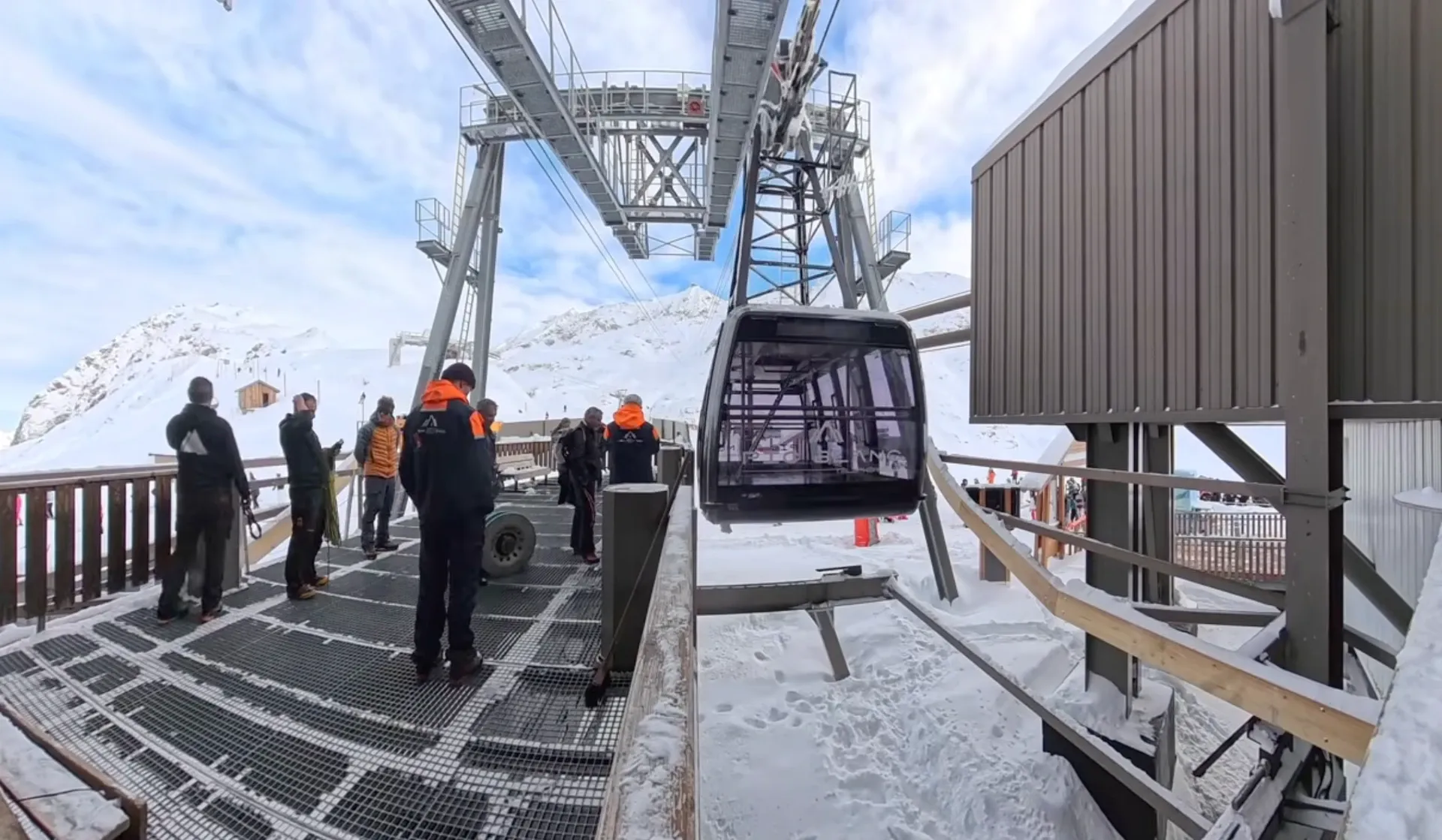
The aerial tram, carrying around fifty passengers, struck the articulated boom of a crane operating at a construction site on the route towards Pic Blanc at around 9:30am on Wednesday 26 August. The collision happened shortly after the cabin left its base station, at an altitude of around 2,300 metres. Aerial tram cabins are engineered to remain stable under sudden braking, but the impact with the crane's arm was enough to tip the cabin, and several occupants slid or fell inside it.
Local mayor Jean-Yves Noyrey told AFP that the cabin's operator reacted quickly, reversing the tram back along the line to level it out again after the collision. He said some passengers believed they were in serious danger in the moments after impact, but that the operator's response prevented the situation from escalating further.
Three seriously injured, most treated on site
Of the 23 people injured, three were classified by the Isère prefecture as being in "absolute emergency," the most serious category, while a further 13 were assessed as "relative emergency," a moderate classification. Most of those hurt were treated at the resort's own medical station. Five people were taken to Grenoble Alpes University Hospital for further evaluation, including a pregnant woman who was transferred as a precaution rather than due to a specific injury.
Noyrey said the injuries were mainly shock and concussion, and that by Wednesday evening he believed the vast majority of those admitted to hospital had already been discharged.
More than thirty firefighters and seven mountain rescue specialists from CRS Alpes took part in the response, and a medical and psychological support centre was set up at the local sports complex for those affected.
What caused the collision
An investigation has been opened into how an aerial tram came to collide with a crane operating directly beneath an active lift line. The mayor's initial account points to the crane operator not realising the tram was passing overhead at the time. Early reporting citing Italian news agency ANSA has suggested a similar explanation, that the crane operator was unaware the cable line was in operation nearby, though this remains an early line of inquiry rather than a confirmed finding.
The formal investigation will need to establish the exact sequence of events, including why the two operations were running in close enough proximity for a collision to occur at all.

A lift already off to a rocky start
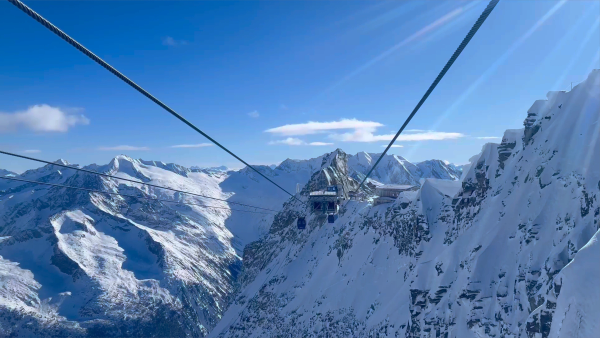
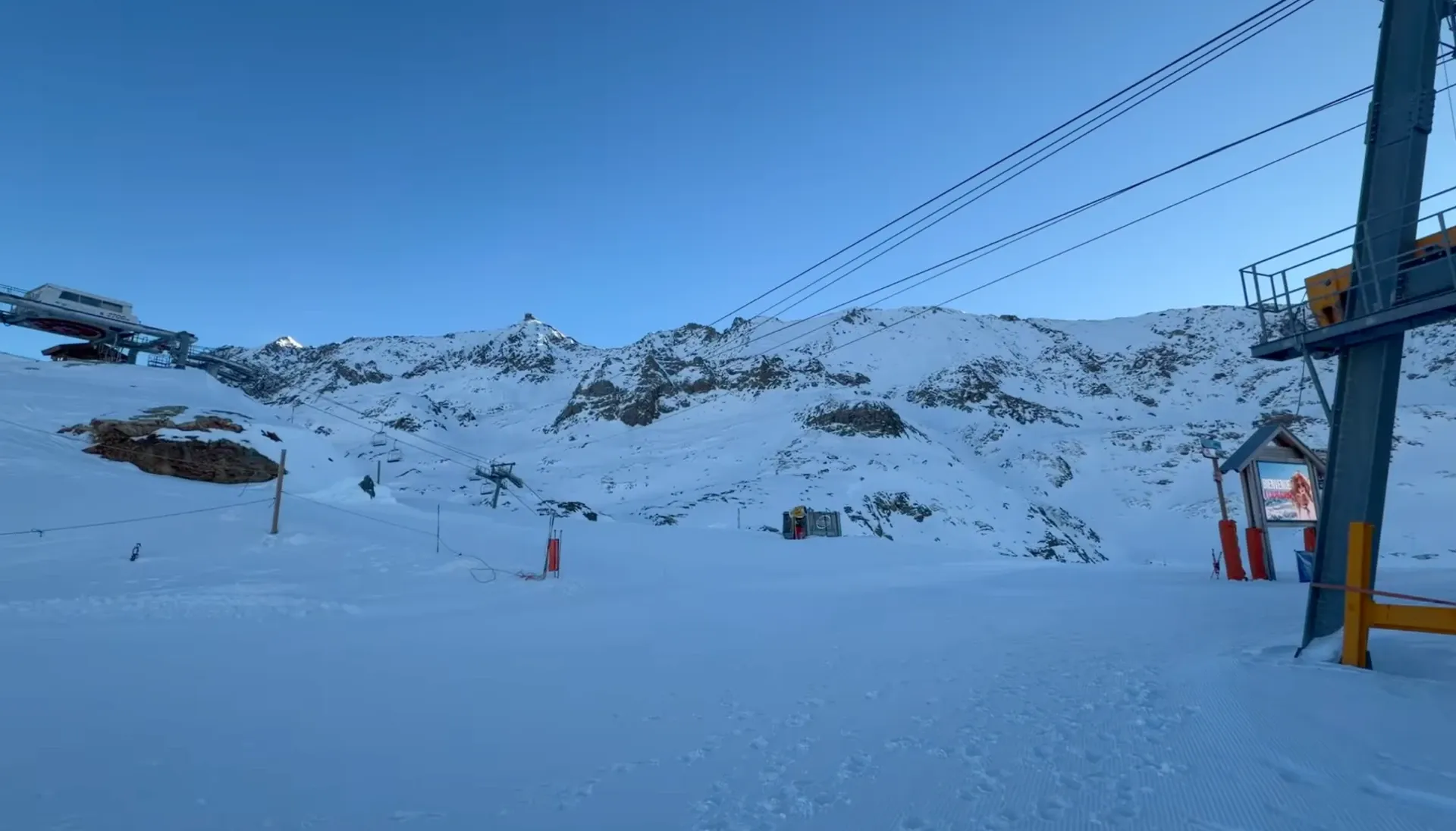
This isn't the new lift's first disruption. The Pic Blanc cable car is a brand-new installation from Poma, opened in 2025 to replace the previous Pic Blanc 3 lift, which had run since 1980. The new 70-person aerial tram climbs 695 metres over a 2,130-metre line at speeds of up to 12 metres per second, cutting the journey to around three minutes and twenty seconds.
Just weeks after coming into service, the lift was damaged by Storm Benjamin on the night of 22-23 October 2025, when an extreme build-up of ice on the cables broke free and sent a shockwave into the upper station at 3,300 metres. Repairs kept the cable car closed through the bulk of the early season, with the lift not returning to service until February 2026, cutting skiers off from Pic Blanc's high-altitude terrain for much of the opening months. Alpe d'Huez compensated at the time by extending hours on the Marmottes lifts and opening early access to the Sarenne black run via Marmottes 3.
Alpe d'Huez's Pic Blanc cable car serves high-altitude terrain above the resort, reaching close to 3,330 metres at its upper station, and remains a popular route for hikers, sightseers and mountain bikers through the summer months as well as skiers in winter.
About the author

Michael Fulton
Melbourne-based skier and snowboarder with 50+ resorts across 5 continents. Specialises in Australian resorts and international resort comparisons.