
The Overview
Michael Fulton
Melbourne-based skier and snowboarder with 50+ resorts across 5 continents. Specialises in Australian resorts and international resort comparisons.
Rusutsu spans three interconnected peaks in central Hokkaido with 37 runs covering 42 kilometres of terrain across West Mountain, East Mountain and Mount Isola. The resort operates between 400 and 994 metres elevation with 594 metres of vertical drop. Terrain allocation favours intermediates at 40 per cent, with 30 per cent beginner, 20 per cent advanced and 10 per cent expert runs. Rusutsu receives 14 metres of annual snowfall and has won Japan's Best Ski Resort at the World Ski Awards six times, more than any other Japanese resort.
The three-peak layout provides distinct character across each mountain, all accessible on a single pass and linked by gondola. West Mountain anchors the resort village with family-friendly terrain and night skiing until 8pm, whilst East Mountain features longer cruisers including the 2,300-metre East Vivaldi run and the steepest pitch on the mountain at 40 degrees. Mount Isola, the highest peak at 994 metres, offers views across Lake Toya to the Pacific Ocean and extensive tree skiing through open glades with minimal traversing. East Mountain also hosts Freedom Park terrain park from late December through March.
The resort village sits at the base with ski-in ski-out access from Rusutsu Resort Hotel and The Westin Rusutsu Resort, connected by covered walkway. On-mountain facilities include the renovated Lone Pine restaurant at the East Mountain base, Steamboat Cafe on Mount Isola summit, and multiple day lodges across the three peaks. Rusutsu's position southeast of Mount Yotei shields the resort from harsh northwest winds whilst maintaining consistent snowfall, and the property receives fewer international visitors than neighbouring Niseko 30 kilometres west.
Epic Pass holders receive five consecutive days of lift access, whilst the Kamori Winter Pass covers all four Kamori Kanko Group resorts across Hokkaido. The 2025-26 season runs from 29 November through 31 March, with night skiing available mid-December through 30 March. Rusutsu suits powder seekers and tree skiing enthusiasts who value efficient lift infrastructure, uncrowded runs and a self-contained resort experience with extensive on-site dining and accommodation.
594m
Vertical
37
Runs
1,977 acres
Skiable
20m
Annual snow
Epic Pass
Pass
The Terrain
37 runs across 1,977 acres skiable
Rusutsu spreads across three interlinked mountains and roughly 800 hectares in southwestern Hokkaido, with 37 runs falling 594 vertical metres from 994 metres to 400 metres. The grading is 30% beginner, 40% intermediate, 20% advanced and 10% expert. About 20 metres of dry snow lands here each year, and the lift system is large for Hokkaido, with seven quads, seven double chairs and four gondolas. West Mountain, East Mountain and Mount Isola all run on a single pass, and each has a different feel. That mix of groomed cruising and open trees is why Rusutsu appears on so many Japan itineraries.
Mount Isola is the highest peak and the serious end of the resort, with the long Isola Grand run of around 3.5 kilometres and Steamboat runs on the upper slopes. East Mountain mixes cruisers such as East Vivaldi with its steepest pitch of around 40 degrees, plus a terrain park. West Mountain is the family zone, with gentle terrain and night skiing, while the birch tree skiing on its right-hand side is mellow enough for newcomers. Sugar Bowl between Isola and East is a popular tree area. Intermediates who want trees and big days, and experts who like open glades, will both be comfortable here.
Terrain split
37
runs
37 runs across 4 grades
Beginner11 runs · 30%
Intermediate15 runs · 40%
Advanced7 runs · 20%
Expert4 runs · 10%
Time it right
When to visit Rusutsu
The 2025-26 season opens on 29 November and closes on 31 March, providing four months of operations across early, peak and spring periods. Early season runs from 29 November through 19 December with reduced hours until 5pm, regular season spans 20 December through 15 March with 9am to 8pm operations, and spring skiing continues 16 March through 31 March with earlier closing times. Night skiing operates from mid-December through 30 March with lifts running until 7.45pm on West Mountain's illuminated terrain.
Rusutsu averages 14 metres of annual snowfall with exceptional powder quality attributed to its inland position southeast of Mount Yotei, which blocks moisture-laden winds whilst maintaining consistent storm cycles. The resort's location near Lake Toya creates localised lake-effect enhancement during cold air outbreaks, and snow moisture content measures just five per cent, producing exceptionally dry powder that skiers describe as nearly frictionless. Base depths regularly exceed 170 centimetres by mid-January, and the 400-metre base elevation combined with north-facing aspects on East Mountain preserves snow quality through March.
January and February deliver peak powder conditions with storms arriving every three to five days and temperatures hovering between minus 10 and minus 15 degrees Celsius. December provides excellent early-season value with lower lift ticket prices and thinner crowds, whilst March offers longer daylight, warmer temperatures above minus 5 degrees and firmer snow surfaces ideal for carving. The resort experiences fewer wind holds than Niseko due to its sheltered valley position, and Mount Isola's eastern exposure captures morning sun whilst maintaining cold overnight temperatures.
The resort hosts seasonal programming throughout winter though details of major events were not specified in current schedules. Night skiing operates four hours nightly from 4pm through 8pm on West Mountain from mid-December, providing opportunities for après-ski followed by evening sessions under floodlights. The Freedom Park terrain park on East Mountain operates from late December through late March with progressive features from beginner boxes through advanced jump lines, refreshed regularly throughout the season.
Season 2026 - 2027
5 Dec 2026
Opens
4 Apr 2027
Closes
120
Days open
20 m
Annual snow
Getting there
Getting to Rusutsu, and where to stay
Rusutsu occupies the Shiribeshi Subprefecture in southwestern Hokkaido within Rusutsu Village, Abuta District, approximately 75 kilometres southwest of Sapporo. The resort sits in a valley southeast of Mount Yotei, the 1,898-metre volcano known as the Fuji of Hokkaido, with views extending south to Lake Toya and the Pacific Ocean. The base village sits at 400 metres elevation surrounded by the three ski mountains with the actual town of Rusutsu located two kilometres east of the resort complex. The area receives protection from northwesterly winds by Mount Yotei's bulk whilst remaining exposed to moisture-laden systems from the Sea of Japan.
The nearest significant town is Kutchan 29 kilometres northwest, the commercial hub for the Niseko region, whilst Lake Toya's resort towns lie approximately 20 kilometres south. Niseko's Hirafu Village sits 30 kilometres west on the opposite side of Mount Yotei, a 30 to 40-minute drive via local roads. Sapporo, Hokkaido's capital with 1.9 million residents, lies 75 kilometres northeast and provides access to urban amenities, international dining and cultural attractions. The region's sparse population of 1,940 in Rusutsu Village itself maintains the area's rural mountain character.
New Chitose Airport serves as the primary gateway 89 kilometres east of Rusutsu with transfer times of 90 to 120 minutes depending on weather and road conditions. The drive follows Route 276 southwest from the airport through Kimobetsu before continuing west to Rusutsu Village, passing through predominantly agricultural valleys. No direct motorway access exists, and winter driving requires appropriate tyres and experience with snow-covered roads. Sapporo-to-Rusutsu transfers cover 75 kilometres in approximately 90 minutes via similar rural highways through the Shiribeshi interior.
Regular shuttle buses operate between New Chitose Airport and Rusutsu Resort with journey times of approximately two hours including a comfort stop, departing throughout the day during ski season. Private transfer services offer door-to-door transport in 90 minutes for groups of two to seven passengers. Rusutsu has no train access, eliminating the rail option available to Niseko via Kutchan Station. Free shuttle buses connect Sapporo to Rusutsu for resort guests during winter, requiring advance reservations by 3pm the previous day.
Where to stay
Search all stays →Hotels and lodges near Rusutsu, powered by Stay22.
Latest News
From the SnowStash desk

Utah Ski Resorts 2026-27: What’s New at Alta, Deer Valley, Powder Mountain and More
Utah is still building flat out. For 2026-27, Powder Mountain opens a steep new Skytrac chair into more than 1,000 acres of advanced terrain, Deer Valley adds 200 acres on Hail Peak, Sundance gets a new quad and Park City adds a gondola from its new parking structure. Snowmaking is expanding almost everywhere, Eagle Point stays closed after the Cottonwood Fire, and the 2034 Games are setting the pace. Here’s what’s new, resort by resort.
13 Oct 2026

Vermont Ski Resort Opening Dates 2026-27: Few Dates Set, Killington Waits on the Cold
Vermont's season is slow to take shape. Stratton is tentatively targeting 18 November and Sugarbush 21 November, while Pico has Friday 11 December on the calendar. Killington never sets a date and opens when the snowmaking allows, and Vail Resorts has yet to name days for Stowe, Okemo and Mount Snow. The forecasts disagree about snow, and the main El Niño worry for the Green Mountains is warmth.
9 Oct 2026
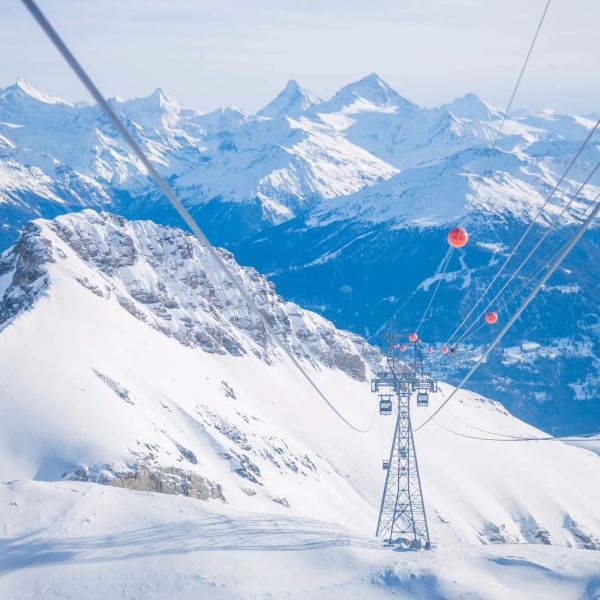
Crans-Montana 2027 World Championships President Resigns Ahead of Fraud Hearing
Less than four months out from the Crans-Montana 2027 World Championships, the man running the organising committee has stepped down. Claude-Alain Schmidhalter resigned as Swiss-Ski vice president and OC president after being indicted over a business dispute unrelated to skiing. He denies the allegations and faces court on October 27. Interim leaders are in place for the February 1-14 event.
9 Oct 2026
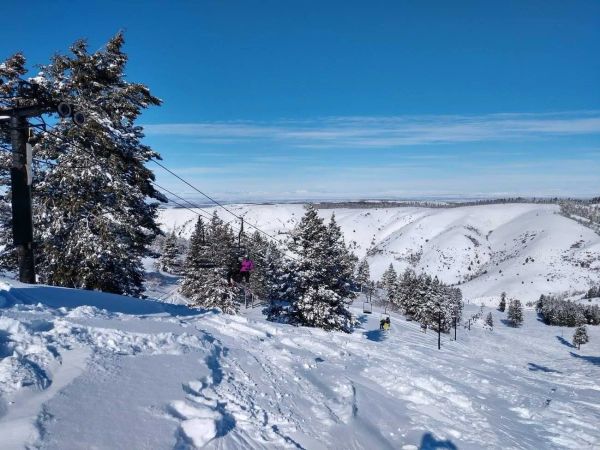
Kelly Canyon, Idaho, Adds Snowmaking, a Bigger Terrain Park and More Parking for 2026-27
Kelly Canyon had a rough 2025-26, and the Idaho resort has spent the summer making sure it doesn’t repeat. Snowmaking now reaches the top of Goldrush, the terrain park is doubling in size with a stereo system, lights and a snack shack, and the car park is getting bigger. Grooming is stepping up too. Target opening is December 4, conditions permitting.
9 Oct 2026
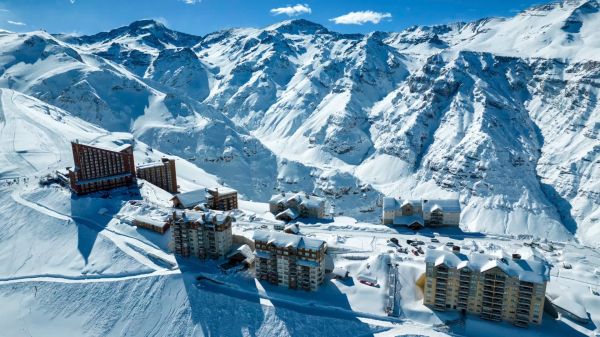
Valle Nevado Extends Season to November 8 After 108 cm in 48 Hours
Winter was meant to be winding down in Chile. Then Valle Nevado took 108 cm in 48 hours in early October, and the resort has pushed its closing date out to November 8 - its latest in 38 years of operation. That makes 143 days of skiing since opening day on June 19, with 690 cm banked for the season. Only part of the mountain is running while the storm settles, so check the mountain report before you plan a trip.
9 Oct 2026
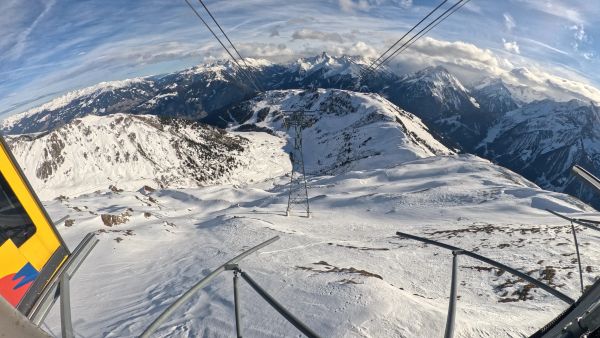
Alps Snow Forecast: Cold Front Brings Thursday Snow to the High Alps
The Alps look a lot more like winter today, for a day or so. A cold front is moving west to east, dropping up to 35 cm on high glaciers and peaks, with snow levels falling to around 1,500-1,800 m at times. Don’t plan a trip around it: mid-elevation snow will be thin and wet, every area is closed bar a limited Sölden glacier opening tomorrow, and warmer weather returns by Monday.
8 Oct 2026
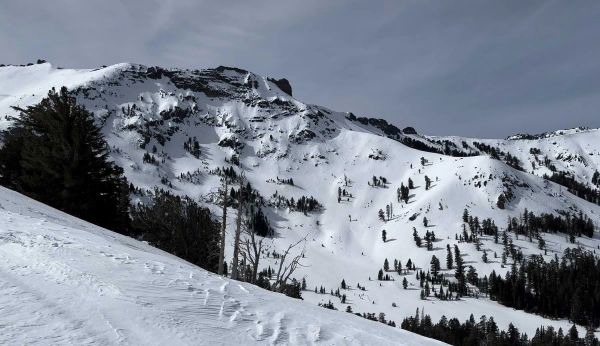
California Ski Resort Opening Dates 2026-27: Mammoth Leads, Tahoe Follows
Mammoth Mountain is first up in California, targeting Friday 13 November after a dusting of September snow. Heavenly and Northstar follow on 20 November, Palisades Tahoe on Wednesday 25 November and Sugar Bowl on 27 November, with Kirkwood on 4 December and June Mountain on 19 December. Plenty of smaller areas have no date yet. A super El Niño favours the Sierra, but a warmer storm track is the catch.
7 Oct 2026
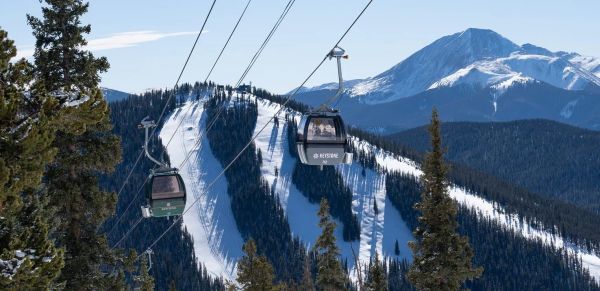
Colorado Ski Resort Opening Dates 2026-27: A-Basin and Keystone Race to Be First
Arapahoe Basin, Keystone and Winter Park are all chasing an October start, though none has a firm date yet. The first dated openers are Breckenridge and Copper on Friday 6 November, then Vail on 13 November, with most of the rest bunched around US Thanksgiving. Hesperus did not open at all last season. A super El Niño offers hope but no guarantee, and forecasters say the southern mountains have the better odds.
5 Oct 2026