
Sapporo Teine
683m vertical, 15 runs, 36-degree North Face. Former 1972 Olympic venue 40 minutes from Sapporo.
Season 2026 - 2027
Opens
21 Nov 2026
Closes
9 May 2027
Days open
169
Annual snow
10m
The Overview
Michael Fulton
Melbourne-based skier and snowboarder with 50+ resorts across 5 continents. Specialises in Australian resorts and international resort comparisons.
Sapporo Teine operates across 683 vertical metres from a 340-metre base to a 1,023-metre summit on Mount Teine in western Sapporo, offering 15 runs across 76 hectares served by 10 lifts. The resort hosted alpine skiing, bobsleigh and luge events during the 1972 Winter Olympics, the first Winter Games held in Asia. Terrain splits 35 per cent beginner, 40 per cent intermediate and 25 per cent advanced, with north-facing slopes preserving Hokkaido's dry powder through extended periods.
The resort divides into two zones connected by the Eight Gondola and a 6-kilometre linking run. Highland Zone at altitude features the FIS-approved Olympic downhill course, the steep Kitakabe North Face with pitches to 36 degrees, permitted tree skiing zones and a terrain park. Olympia Zone occupies gentler mid-mountain terrain with wide groomers including Shirakaba Sunshine, family facilities and a snow escalator for novices. The longest continuous run from summit to base measures 5.4 kilometres.
Daytime operations run 0900 to 1600 hours, with night skiing in Olympia Zone from 1600 to 2000 hours on most days. The mountain draws local families and day-trippers from Sapporo alongside international visitors, with weekdays noticeably quieter than weekends when ski schools dominate lower slopes. On-mountain facilities include Highland Ski Center and Olympia Ski Center with rentals, restaurants and ticket sales, plus mid-mountain cafeterias. Views from the summit extend across Sapporo city to Ishikari Bay.
Sapporo Teine operates independently without major pass affiliations, though the K-Winter Pass at 89,000 yen covers multiple Hokkaido resorts. The 2025-26 season runs 16 November to 6 May, with weekend-only operation after early April. Standard day tickets cost 8,200 yen for adults, with online discounts reducing rates to 7,900 yen. The resort suits intermediate skiers seeking accessible Hokkaido powder, advanced riders chasing steep tree skiing near a major city, and families requiring separated beginner terrain with urban amenities.
683m
Vertical
15
Runs
188 acres
Skiable
10m
Annual snow
The Terrain
15 runs across 188 acres skiable
Sapporo Teine is the Olympic mountain on the western edge of Sapporo, hosting alpine events at the 1972 Games. Its 76 hectares hold 15 runs over 683 vertical metres, from 1,023 metres to a base at 340 metres. The grading is 35% beginner, 40% intermediate and 25% advanced, with no expert-rated terrain. A gondola, a quad, a triple, six double chairs and a surface lift make up the network. The mountain divides into two zones, Highland above and Olympia below, linked by the Eight Gondola, and snow holds well on the north-facing slopes.
Highland is the serious zone, with the FIS-approved women's giant slalom run of 2,000 metres and Kitakabe, the North Face, a mogul run reaching 36 degrees that passes through spaced trees. A nature area allows tree skiing, and a small terrain park sits nearby. Olympia is gentler, with wide green runs, a snow escalator, a kids park and the ski school, and it also runs night skiing most evenings. The longest run, from summit to base, covers 5.4 kilometres. Advanced skiers wanting an Olympic piste close to the city, and families who need a convenient base, will both find a good fit.
Terrain split
15
runs
15 runs across 4 grades
Beginner5 runs · 35%
Intermediate6 runs · 40%
Advanced4 runs · 25%
Expert0 runs · 0%
Time it right
When to visit Sapporo Teine
The 2025-26 season opens 16 November and runs through 6 May, though Highland Zone typically accesses snow several days before Olympia Zone opens. After 6 April, operations continue weekends and national holidays only, with Highland remaining open into early May when conditions allow. Standard daily hours span 0900 to 1600, extending to 2000 for night skiing.
Mount Teine receives approximately 10 metres of annual snowfall, with the summit's 1,023-metre elevation and north-facing orientation maintaining cold temperatures and dry snow quality characteristic of Hokkaido. Base depths routinely exceed 300 centimetres mid-season. The provided data shows 772 centimetres season-to-date accumulation with 300-centimetre current base. Limited snowmaking supplements natural snowfall on lower runs, though the resort depends primarily on natural precipitation.
January through mid-February delivers peak powder conditions with consistent cold temperatures and frequent storms, whilst December sees the snowpack building with late-month storms averaging 50 centimetres weekly. March maintains good coverage with warming temperatures and longer daylight, though afternoon corn snow replaces morning powder. April transforms remaining terrain to spring conditions, appealing to those seeking reduced lift ticket prices and emptier slopes. Weekdays from January through March offer the best combination of fresh snow and minimal crowds.
The resort calendar includes standard Japanese holiday periods with peak crowds 27 December through 4 January. No major festivals or competitions appear on the regular calendar beyond occasional national ski competitions on the FIS-approved Olympic course. Night skiing operates most evenings through March, typically closing for the spring season. The Olympia Zone's lit runs and proximity to Sapporo make it popular for after-work sessions amongst city residents.
Season 2026 - 2027
21 Nov 2026
Opens
9 May 2027
Closes
169
Days open
10 m
Annual snow
Getting there
Getting to Sapporo Teine, and where to stay
Mount Teine rises in Teine Ward on the western edge of Sapporo, Hokkaido's capital city with 2 million residents. The mountain sits 20 kilometres northwest of central Sapporo in the Teine Range, with Highland Zone base facilities at approximately 500 metres elevation. Slopes face predominantly north towards Ishikari Bay, visible from upper elevations alongside urban sprawl. The resort occupies a forested mountainside with no on-mountain accommodation, operating strictly as a day-use facility.
Sapporo city centre lies 20 kilometres southeast with 40-minute drive times, whilst JR Sapporo Station serves as the main transport hub. The resort sits 20 kilometres from the coastal city of Otaru to the northwest, reachable in 40 minutes by road. Teine Ward itself forms a residential and light industrial district within greater Sapporo. The 1972 Winter Olympics established the mountain's global profile, with the original Olympic flame holder preserved at Olympia Zone.
Road access follows Route 5 from Sapporo to Teine Interchange on the Sasson Expressway, then 10 minutes via local roads to either Highland or Olympia base areas. Central Sapporo requires 40 minutes absent traffic, whilst highway tolls apply for expressway segments. New Chitose Airport lies 60 minutes south via expressway. Separate parking areas serve each zone, with weekend capacity constraints during peak season.
New Chitose Airport, Hokkaido's primary international gateway, sits approximately 50 kilometres southeast with connecting rail service. JR trains depart Sapporo Station every 15 minutes for the 11-to-18-minute journey to Teine Station at 360 yen. JR Hokkaido Bus route 70 continues from Teine Station south exit to Olympia Zone in 15 minutes or Highland Zone in 27 minutes at 1,000 yen, though weekday morning schedules miss first lifts. Direct ski buses operate December through March from Sapporo hotels, taking 50 to 100 minutes with packages including seven-hour lift tickets at 10,500 yen. The JR Pass covers train and bus segments.
Where to stay
Search all stays →Hotels and lodges near Sapporo Teine, powered by Stay22.
Latest News
From the SnowStash desk
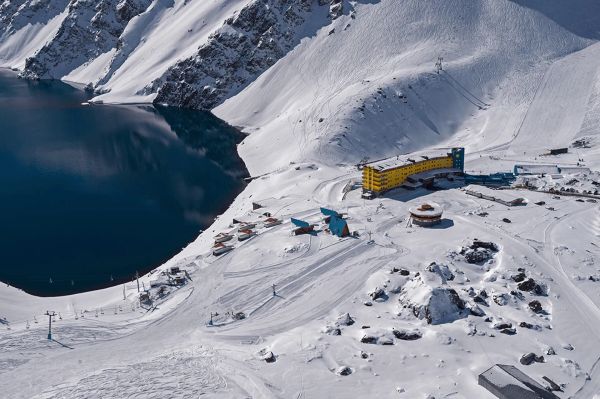
Four Dead After Avalanche Near Ski Portillo in Chile
A large avalanche struck near Laguna del Inca adjacent to Ski Portillo on Saturday afternoon, killing four people and injuring four others. The group were day visitors mountaineering in the backcountry after reportedly being warned about elevated avalanche risk by resort staff.
18 Oct 2026
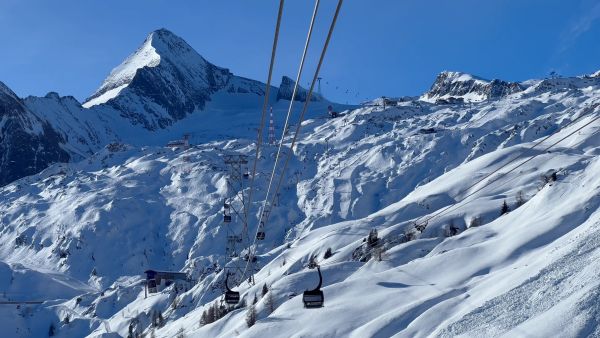
Europe Ski Resorts Open Now: What Is Skiable in Mid-October 2026
Europe’s ski season is open, technically. After a record-warm summer, glaciers in Austria, Switzerland and Italy are running a few pistes apiece, Sölden, Stubai and Kitzsteinhorn started late, Titlis has pushed back to 24 October, and Zermatt reopens a few lifts on 14 October after more than two months shut. Finland’s Levi and Ruka are skiing on stored snow. Here is what is open, and what you actually get at each.
14 Oct 2026
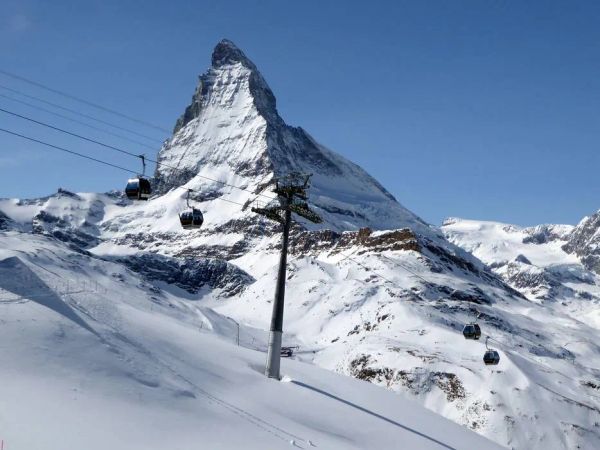
Zermatt Plans World Cup Downhill Return on the Gornergrat for 2028
Zermatt is having another crack at a World Cup downhill, and this time nobody has to cross a border. Around 13 million Swiss francs is going into rebuilding the Gornergrat piste, including a jump fed by a roughly 300-metre in-run across the roof of the Gornergrat Railway gallery, with the Matterhorn lined up behind it for the TV cameras. First men’s race is pencilled in for March 2028, pending FIS homologation.
14 Oct 2026
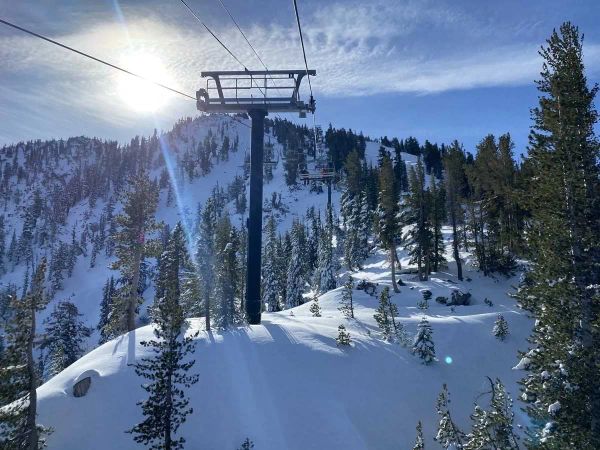
Mt. Rose Begins Snowmaking for the 2026-27 Season at Lake Tahoe
Lake Tahoe’s highest base elevation is paying off early: Mt. Rose has started making snow for 2026-27 after the first flurries and a cold snap. The Nevada resort is backing it with nearly US$2 million in upgrades, including a replacement snowmaking main line, a new PistenBully groomer and restraint bars on every lift. Opening day is yet to be confirmed, though Heavenly and Northstar are already eyeing 20 November.
13 Oct 2026

Utah Ski Resorts 2026-27: What’s New at Alta, Deer Valley, Powder Mountain and More
Utah is still building flat out. For 2026-27, Powder Mountain opens a steep new Skytrac chair into more than 1,000 acres of advanced terrain, Deer Valley adds 200 acres on Hail Peak, Sundance gets a new quad and Park City adds a gondola from its new parking structure. Snowmaking is expanding almost everywhere, Eagle Point stays closed after the Cottonwood Fire, and the 2034 Games are setting the pace. Here’s what’s new, resort by resort.
13 Oct 2026
Mt Hutt Invests NZ$12 Million in Base Area, Tripling Its Sun Deck
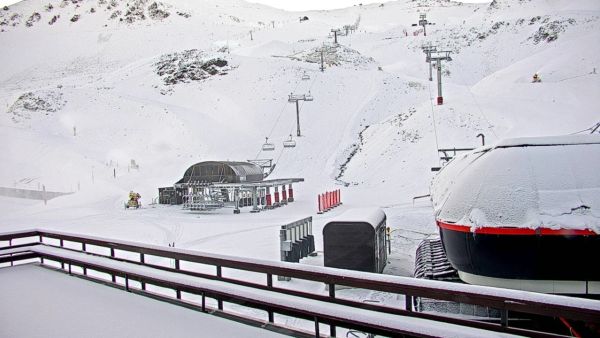
Mt Hutt is getting busier, and its base lodge is about to catch up. NZ$12 million goes into a heated sun deck roughly three times the current size (430 m² to 1,300 m²), plus a new toilet block, heated steps down to snow level, extra storage and a new food and beverage outlet. Building starts after the 2026 season, with everything due for winter 2027.
11 Oct 2026

Vermont Ski Resort Opening Dates 2026-27: Few Dates Set, Killington Waits on the Cold
Vermont's season is slow to take shape. Stratton is tentatively targeting 18 November and Sugarbush 21 November, while Pico has Friday 11 December on the calendar. Killington never sets a date and opens when the snowmaking allows, and Vail Resorts has yet to name days for Stowe, Okemo and Mount Snow. The forecasts disagree about snow, and the main El Niño worry for the Green Mountains is warmth.
9 Oct 2026
Crans-Montana 2027 World Championships President Resigns Ahead of Fraud Hearing
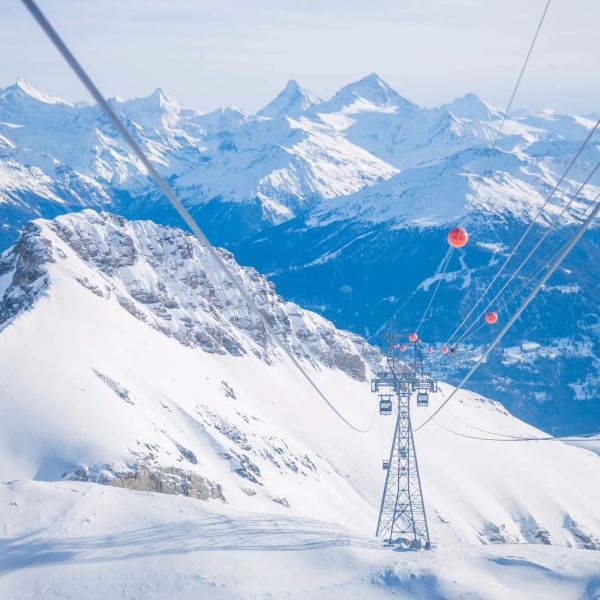
Less than four months out from the Crans-Montana 2027 World Championships, the man running the organising committee has stepped down. Claude-Alain Schmidhalter resigned as Swiss-Ski vice president and OC president after being indicted over a business dispute unrelated to skiing. He denies the allegations and faces court on October 27. Interim leaders are in place for the February 1-14 event.
9 Oct 2026