
Elm im Sernftal
40km of piste, 1085m vertical drop, UNESCO Sardona setting. Family skiing in Switzerland's authentic Glarnerland region.
Season 2026 - 2027
Opens
5 Dec 2026
Closes
28 Mar 2027
Days open
113
Annual snow
4m
The Overview
Michael Fulton
Melbourne-based skier and snowboarder with 50+ resorts across 5 continents. Specialises in Australian resorts and international resort comparisons.
Elm im Sernftal operates across 40 kilometres of piste spanning 1020 to 2105 metres elevation, delivering 1085 metres of vertical drop across 16 marked runs. The terrain splits 38% beginner, 50% intermediate and 12% advanced, with no expert-designated runs but the 4-kilometre Steinibach valley descent offering challenge. The resort averages 4.3 metres of annual snowfall, with the sheltered Sernftal valley position minimising wind exposure whilst maximising accumulation.
Intermediate terrain dominates the upper slopes above treeline between Ämpächli and the 2036-metre Schabell chairlift summit, where sun-drenched south-facing bowls open across alpine plateaus. Three valley runs return to the 1020-metre base, including the scenic black-graded Steinibach and gentler blue and red options from Ämpächli. The resort features a terrain park at 1800 metres on Bischofalp with rails, boxes, kickers and a BigAirBag facility, plus a Globi-themed children's arena with conveyor lifts.
The car-free ski area sits within the UNESCO-designated Swiss Tectonic Arena Sardona, where the Martinsloch rock window pierces the Tschingelhörner peaks at 2600 metres. Three traditional mountain restaurants serve the slopes, with free Wi-Fi at Munggä Hüttä, Älpli and Ämpächli. Vreni Schneider, Switzerland's most successful ski racer with three Olympic golds, was born in Elm and operates the resort's ski school.
Elm operates independently without major pass affiliations, with the 2025-26 season running 14 December to 28 March. Adult day tickets cost CHF 59-69 depending on season, with children under five skiing free. The resort suits families and intermediates seeking authentic Swiss atmosphere without international crowds, particularly those exploring the geologically significant Glarnerland region.
1085m
Vertical
16
Runs
40 km
Piste
4m
Annual snow
The Terrain
16 runs across 40 km of piste
Elm is a quiet, car-free area in the Glarus Alps, with 16 runs over 40 kilometres of piste dropping 1,085 metres from 2,105 metres to a valley base at 1,020 metres. The split leans gentle: 50% intermediate, 38% beginner and 12% advanced, with no expert terrain. A gondola, two six-seat chairs, a double chair and two T-bars cover the mountain, with the six-person gondola climbing to Ämpächli mid-station. This is a mountain for steady cruising and learning rather than high-end steeps. The sheltered Sernftal position keeps wind exposure low.
The black Steinibach valley run is the standout, a scenic descent of over 900 metres of vertical that gives intermediates a genuine step up, and the long Steinböden-Elm route returns the full 1,085 metres. Above the groomed network, Elm has deep-snow and freeride areas, with the Kärpf game reserve close by, so guidance on conditions and protected zones is sensible. A terrain park sits at Bischofalp, and the area lies within the UNESCO Swiss Tectonic Arena Sardona. It works well for families, progressing intermediates and advanced skiers who want a few steeper laps without big-resort queues.
Terrain split
16
runs
16 runs across 4 grades
Beginner6 runs · 38%
Intermediate8 runs · 50%
Advanced2 runs · 12%
Expert0 runs · 0%
Time it right
When to visit Elm im Sernftal
The 2025-26 season operates 14 December to 28 March, typical for Elm's 1020 to 2105-metre elevation range. Operations span approximately 14 weeks, with mid-season representing the most reliable period. The resort opens later than higher-altitude Swiss destinations but maintains coverage through spring.
Elm averages 4.3 metres of annual snowfall, with the second week of January historically delivering peak accumulation at 53 centimetres per week across 3.4 snowy days. The sheltered Sernftal position captures substantial snowfall whilst valley walls block wind redistribution common on exposed peaks. Snowmaking covers 8 kilometres across key runs, supporting base-area reliability. March typically offers 188 centimetres of summit snow depth against 14 centimetres at base elevation.
January through March delivers optimal conditions, with north-facing slopes preserving powder quality whilst sun-exposed sectors provide warming spring skiing. The predominantly east-facing terrain catches morning sun then maintains afternoon snow quality, particularly valuable during mild late-season periods. Average summit conditions hold 151 centimetres mid-season depth, placing Elm among eastern Switzerland's better-covered resorts.
The resort offers illuminated evening tobogganing on Wednesday, Friday and Saturday until 21:30 on the 4-kilometre Elm track, plus a separate 3-kilometre Matt-Weissenberge run operating Fridays and Saturdays. The nearby Engi area's 1-kilometre piste accepts Elm passes and provides evening skiing. No major events were documented beyond standard seasonal programming.
Season 2026 - 2027
5 Dec 2026
Opens
28 Mar 2027
Closes
113
Days open
4 m
Annual snow
Getting there
Getting to Elm im Sernftal, and where to stay
Elm sits at 977 metres elevation in the Sernftal, an alpine valley within Glarus Süd municipality in eastern Switzerland's Canton Glarus. The Sernf River, a Linth tributary, carved this valley flanked by the Tschingelhörner peaks and Kärpf massif reaching 2794 metres. The village comprises traditional hamlets including Sulzbach, Schwändi and Obmoos, with working farms maintaining authentic mountain culture within the UNESCO Swiss Tectonic Arena Sardona.
Schwanden lies 15 kilometres down-valley as the nearest rail hub, with Glarus town 30 kilometres north at the canton's administrative centre. The Glarnerland region remains less developed than major Swiss tourist corridors, preserving slate-roof architecture and agricultural traditions. The Panix Pass at 2407 metres connects the Sernftal with Graubünden's Rhine valley, though this route closes in winter.
Access follows the A3 motorway Zürich-Sargans route to Niederurnen exit, then 30 kilometres of steadily inclining cantonal road through Schwanden into the Sernftal. The drive from Zürich requires approximately 90 minutes covering 101 kilometres. Free parking operates at the Elm Sportbahnen base station one kilometre from the village centre.
Zurich Airport lies 101 kilometres distant, requiring 84 minutes by car. Schwanden railway station, served by S25 trains from Zürich and S6 services from Rapperswil, connects hourly to Elm via Sernftalbus line 541 in 22 minutes. Trains from Zürich Hauptbahnhof reach Schwanden in approximately 90 minutes with connections at Ziegelbrücke. The former Sernftal tramway operated 1905-1969 before bus replacement.
Where to stay
Search all stays →Hotels and lodges near Elm im Sernftal, powered by Stay22.
Latest News
From the SnowStash desk

Vermont Ski Resort Opening Dates 2026-27: Few Dates Set, Killington Waits on the Cold
Vermont's season is slow to take shape. Stratton is tentatively targeting 18 November and Sugarbush 21 November, while Pico has Friday 11 December on the calendar. Killington never sets a date and opens when the snowmaking allows, and Vail Resorts has yet to name days for Stowe, Okemo and Mount Snow. The forecasts disagree about snow, and the main El Niño worry for the Green Mountains is warmth.
9 Oct 2026
Crans-Montana 2027 World Championships President Resigns Ahead of Fraud Hearing
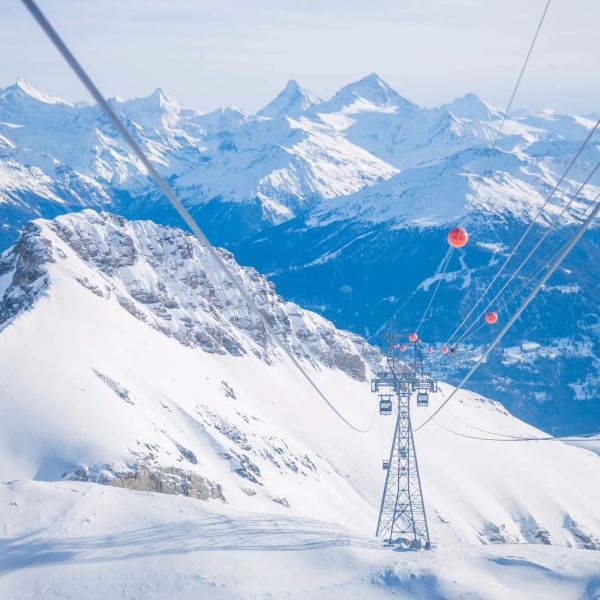
Less than four months out from the Crans-Montana 2027 World Championships, the man running the organising committee has stepped down. Claude-Alain Schmidhalter resigned as Swiss-Ski vice president and OC president after being indicted over a business dispute unrelated to skiing. He denies the allegations and faces court on October 27. Interim leaders are in place for the February 1-14 event.
9 Oct 2026
Kelly Canyon, Idaho, Adds Snowmaking, a Bigger Terrain Park and More Parking for 2026-27
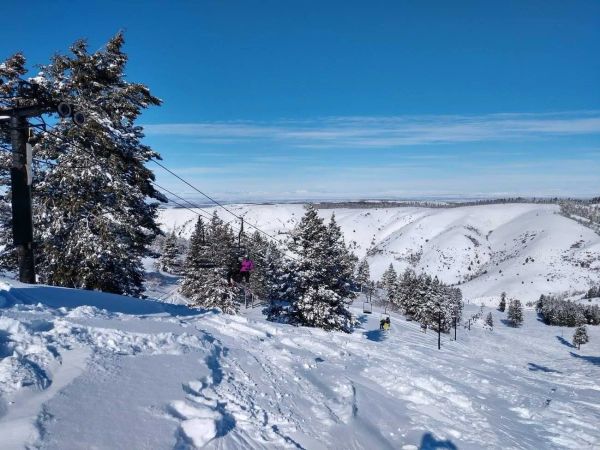
Kelly Canyon had a rough 2025-26, and the Idaho resort has spent the summer making sure it doesn’t repeat. Snowmaking now reaches the top of Goldrush, the terrain park is doubling in size with a stereo system, lights and a snack shack, and the car park is getting bigger. Grooming is stepping up too. Target opening is December 4, conditions permitting.
9 Oct 2026
Valle Nevado Extends Season to November 8 After 108 cm in 48 Hours
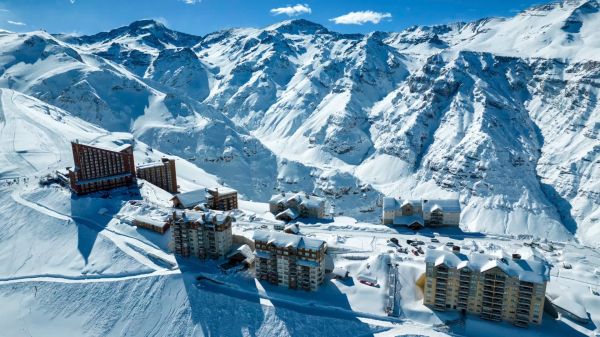
Winter was meant to be winding down in Chile. Then Valle Nevado took 108 cm in 48 hours in early October, and the resort has pushed its closing date out to November 8 - its latest in 38 years of operation. That makes 143 days of skiing since opening day on June 19, with 690 cm banked for the season. Only part of the mountain is running while the storm settles, so check the mountain report before you plan a trip.
9 Oct 2026
Alps Snow Forecast: Cold Front Brings Thursday Snow to the High Alps
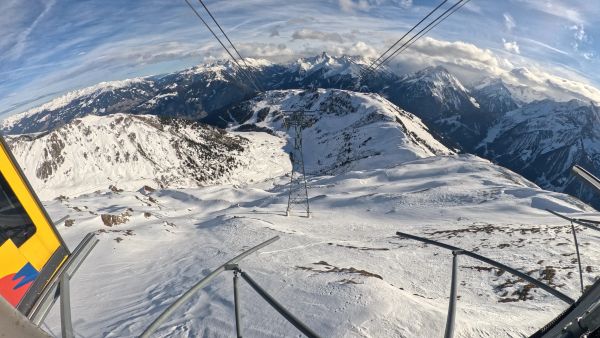
The Alps look a lot more like winter today, for a day or so. A cold front is moving west to east, dropping up to 35 cm on high glaciers and peaks, with snow levels falling to around 1,500-1,800 m at times. Don’t plan a trip around it: mid-elevation snow will be thin and wet, every area is closed bar a limited Sölden glacier opening tomorrow, and warmer weather returns by Monday.
8 Oct 2026
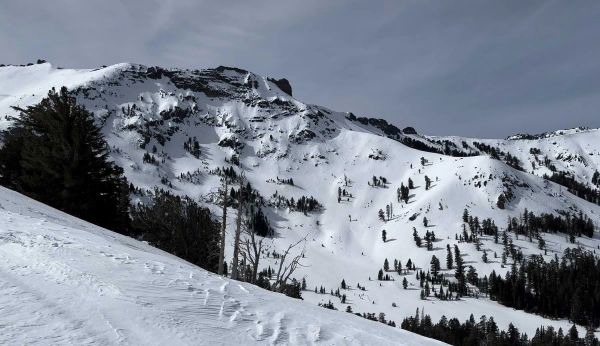
California Ski Resort Opening Dates 2026-27: Mammoth Leads, Tahoe Follows
Mammoth Mountain is first up in California, targeting Friday 13 November after a dusting of September snow. Heavenly and Northstar follow on 20 November, Palisades Tahoe on Wednesday 25 November and Sugar Bowl on 27 November, with Kirkwood on 4 December and June Mountain on 19 December. Plenty of smaller areas have no date yet. A super El Niño favours the Sierra, but a warmer storm track is the catch.
7 Oct 2026
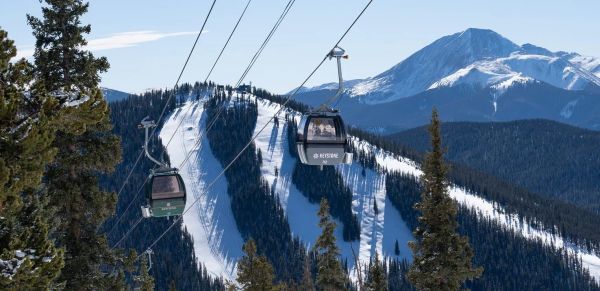
Colorado Ski Resort Opening Dates 2026-27: A-Basin and Keystone Race to Be First
Arapahoe Basin, Keystone and Winter Park are all chasing an October start, though none has a firm date yet. The first dated openers are Breckenridge and Copper on Friday 6 November, then Vail on 13 November, with most of the rest bunched around US Thanksgiving. Hesperus did not open at all last season. A super El Niño offers hope but no guarantee, and forecasters say the southern mountains have the better odds.
5 Oct 2026
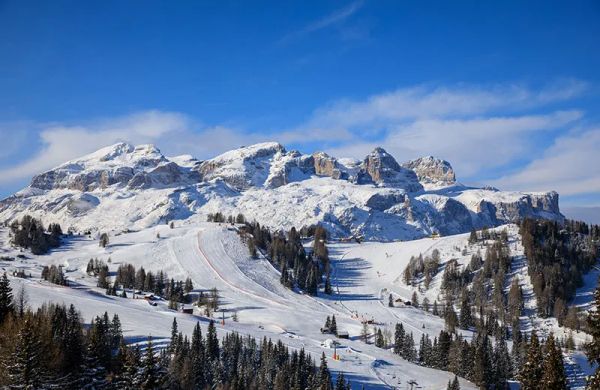
Dolomiti Superski 2026-27: Four New Gondolas, New Reservoirs and an €89 Peak Day Pass
Dolomiti Superski is spending around €100 million across its 12 areas before winter. Kronplatz gets a new 10-passenger gondola with a middle station, 3 Zinnen gets Helmissimo, and Val di Fassa swaps a chairlift for a gondola above Col Valvacin. New water-storage basins and upgraded snowmaking follow, and construction has started on the San Martino to Passo Rolle link. A peak adult day pass is €89.
4 Oct 2026
Elm im Sernftal Lift System
Six lifts serve Elm's terrain, comprising one gondola, two six-seater chairlifts, one double chairlift and two T-bars, plus conveyor belts in the children's zone. The system transports approximately 7430 persons per hour across the mountain's eastern slopes. The infrastructure balances modern comfort on primary ascents with traditional surface lifts maintaining backcountry character.
The six-person Elm-Ämpächli gondola, built by Doppelmayr in 1996, departs the 1020-metre valley station for mid-mountain at Ämpächli. The detachable six-seater Schabell chairlift then races to 2036 metres as the resort's flagship installation. A fixed-grip double chairlift serves the Pleus sector reaching 2105 metres, providing access to the 8-kilometre Steinböden-Elm descent with its full 1085-metre vertical.
Two T-bars and learning lifts complete the network, with one serving the terrain park at Bischof and another accessing upper bowls. The gondola provides efficient base-to-mid transit in under 10 minutes, whilst the Schabell express chair delivers rapid summit access. Flow between sectors remains logical despite the modest lift count, with most runs funnelling back to Ämpächli mid-station.
The resort benefits from uncrowded lift access even during peak periods, reflecting the valley's limited bed base and regional visitor demographic. No recent major upgrades were documented, though the 1996 gondola installation modernised valley access. The compact system prioritises essential terrain coverage over extensive infrastructure, matching local preferences for sustainable development within the protected Sernftal valley.
6lifts across 4 types
1
Gondola
2
6-Person Chairs
1
Double Chair
2
T-Bars
Elm im Sernftal lift system
Elm im Sernftal is served by 6 lifts, listed here by type. Check which lifts are turning against the live conditions before you plan your first laps - early lifts and high-speed chairs get you to the best snow fastest.
More Elm im Sernftal intelligence: trail map, snow report, webcams, resort overview.