Pizol Bad Ragaz
43.1km of piste from 509-2,250m. Two gondola bases 5min from motorway. Night skiing Fridays. Eastern Switzerland.

Season 2026 - 2027
Opens
20 Nov 2026
Closes
4 Apr 2027
Days open
135
Annual snow
1.6m
The Overview
Michael Fulton
Melbourne-based skier and snowboarder with 50+ resorts across 5 continents. Specialises in Australian resorts and international resort comparisons.
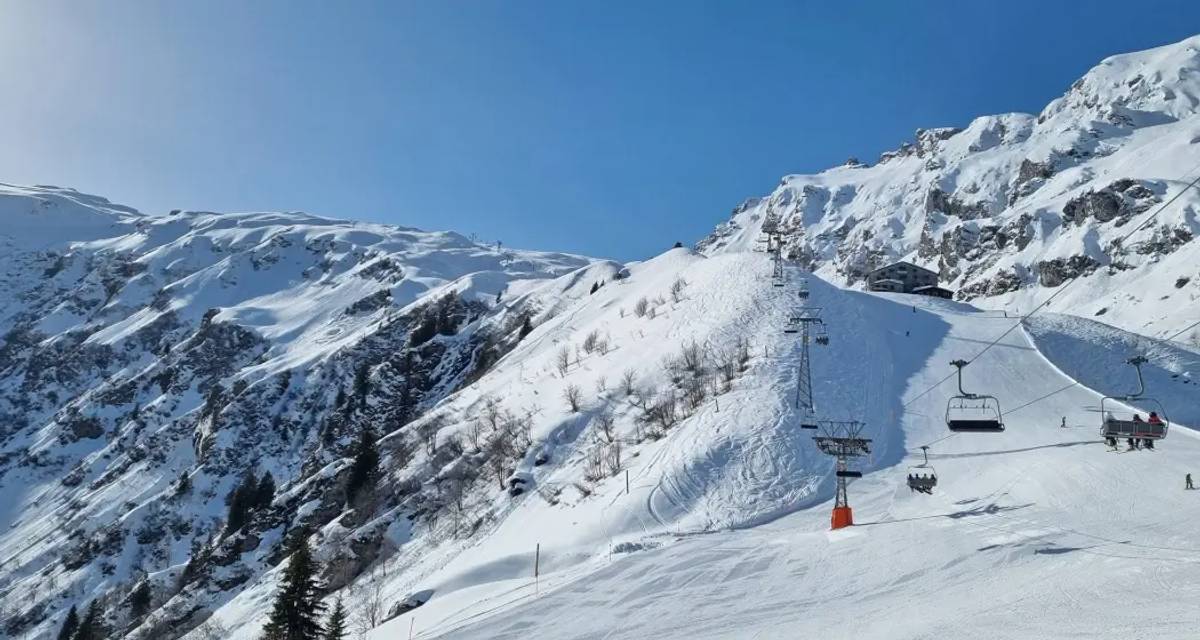
Pizol spans 1,741 vertical metres from 509 to 2,250 metres across the Heidiland region of eastern Switzerland, with 43.1 kilometres of marked piste served by 13 lifts. The terrain splits 43 per cent beginner, 43 per cent intermediate and 14 per cent advanced, with 6.4 kilometres of ski routes adding off-piste options. The Snowmaking 4.0 system equipped with 111 snow cannons covers 40 per cent of the ski area, ensuring reliable coverage on all main and connecting runs from December through April. The 2,844-metre Pizol massif rises above the ski area, providing views across the Eastern Swiss and Vorarlberg Alps to Lake Constance.
Two eight-person gondolas access the mountain from separate valley bases at Bad Ragaz and Wangs, each five minutes from motorway exits on the A13 and A3 respectively. The ski area sits predominantly above 1,400 metres, with beginner zones at Pardiel (1,633 metres on the Bad Ragaz side) and Furt (1,521 metres from Wangs). The descent from Pizolhütte at 2,227 metres to Wangs valley station covers 1,700 vertical metres, ranking amongst the longest continuous runs in eastern Switzerland. Wide blue runs circle Pardiel whilst red and black runs traverse the Pizol high plateau between Laufböden and Pizolhütte.
The Riderpark Pizol offers varied terrain park features alongside a funslope, speed measurement track and race course with timing. Night skiing operates Friday evenings on 3.5 kilometres of floodlit terrain from Furt to Maienberg, with Saturday evening gondola operations from Bad Ragaz including mountain restaurant dining programmes. The Kinderland at Pardiel features practice lifts and Heidi-themed runs, whilst the 3.5-kilometre toboggan run from Furt to Maienberg provides non-skiing options. Bad Ragaz's thermal spa facilities in the valley complement the on-mountain experience.
The resort operates independently without major pass affiliations, running from early December to early April each season. Proximity to Zurich (60 minutes) and St. Gallen (60 minutes) positions Pizol as accessible day-trip terrain. The manageable 50-kilometre ski area suits families, intermediates seeking varied cruising terrain and locals wanting consistent snow conditions above frequent valley fog. February delivers peak snowfall whilst March offers the sunniest conditions, averaging 72 sunny days per season across the resort's cloud-breaking elevation.
1741m
Vertical
0
Runs
43.1 km
Piste
1.6m
Annual snow
The Terrain
0 runs across 43.1 km of piste
Pizol Bad Ragaz packs 1,741 vertical metres into a modest footprint, running from 509 metres in the Rhine valley up to 2,250 metres on the high plateau. The 43.1 kilometres of piste divide evenly between beginner and intermediate at 43% each, with the remaining 14% graded advanced and nothing rated expert. Two eight-seat chairs, a six-seater, three quads and two gondolas do most of the work, backed by four T-bars and a surface lift. It is a gentle, family-friendly mountain where the vertical is far bigger than the piste length would suggest.
The standout is the descent from Pizolhütte down to Wangs, which covers about 1,700 vertical metres and ranks among the longest continuous runs in eastern Switzerland when snow reaches the valley. Gondolas leave from both Bad Ragaz and Wangs, so you can choose your approach. Wide blues circle the beginner zone at Pardiel, while the reds and blacks traverse the high plateau between Laufböden and Pizolhütte. Pizol suits learners, families and cruisers wanting a big day of mileage above the valley fog, with enough steeper pitches to keep confident intermediates interested.
Terrain split
0
runs
0 runs across 4 grades
Beginner0 runs · 43%
Intermediate0 runs · 43%
Advanced0 runs · 14%
Expert0 runs · 0%
Time it right
When to visit Pizol Bad Ragaz
The 2025/26 season runs from 7 December 2025 to 6 April 2026, with partial weekend operations from Wangs starting 22-23 November 2025 when early snowfall permits. Full daily operations across all lifts commence 13 December 2025, continuing through Easter Monday 2026. The season typically spans 17 weeks, with operating hours from 08:15 to 16:45 for gondolas and marginally earlier closures for chairlifts. This positions Pizol amongst moderate-length Swiss seasons, dependent on spring snow retention at mid-mountain elevations.
Average annual snowfall reaches 4.3 metres, with the snowiest period occurring during week two of January when an average 33 centimetres falls across 2.8 snowy days. February ranks as the snowiest month overall, whilst the resort's elevation to 2,250 metres captures consistent natural accumulation. The Snowmaking 4.0 system equipped with 111 cannons supplements natural snow across 40 per cent of terrain, guaranteeing coverage on primary descents and connections even during lean cycles. High-elevation terrain between Pardiel and Gaffia (above 1,600 metres) holds natural snow from November through April.
January through March delivers the most consistent conditions, with the resort frequently operating above valley cloud inversions that blanket the St. Gallen Rhine Valley below 1,000 metres. March averages 20 sunny days, ranking Pizol amongst the three sunniest resorts in eastern Switzerland. Weekday skiing offers quieter slopes compared to Zurich-proximity resorts, whilst Christmas, New Year and February half-term bring peak visitor numbers. December and early April suit skiers prioritising value over guaranteed coverage, though main runs remain operational through shoulder periods.
Friday night skiing from Furt to Maienberg operates from late December through early March, with 3.5 kilometres illuminated from 18:00 to 22:30 via the Wangs gondola. Saturday evening operations run the Bad Ragaz gondola to Pardiel with similar hours, featuring dining programmes and fondue gondola experiences. The resort hosts no major competitive events but maintains public race tracks with electronic timing. Cross-country skiing spans 27 kilometres of trails including the four-kilometre Christa Jäger high-elevation route between Laufböden and Pizolhütte at 2,227 metres.
Season 2026 - 2027
20 Nov 2026
Opens
4 Apr 2027
Closes
135
Days open
1.6 m
Annual snow
The record
Historical snowfall at Pizol Bad Ragaz
Daily snow reports at Pizol Bad Ragaz go back to 2017, 10 winters on the books. Open the record to compare winters, lifts and piste.
80 cm
Snowiest day
15 Jan 2021
34 cm
This winter · 2026-27
so far
163 cm
Typical winter
average of complete seasons
Winter totals
cm
Past wintersThis winter
Getting there
Getting to Pizol Bad Ragaz, and where to stay
Pizol occupies the northeastern slopes of the 2,844-metre Pizol massif in the Heidiland region of eastern Switzerland, bridging the municipalities of Bad Ragaz (elevation 509 metres) and Wangs in the St. Gallen Rhine Valley. The ski area sits at the confluence of three valleys - Taminatal, Weisstannental and Calfeisental - with base stations positioned 100 kilometres southeast of Zurich. The historic spa town of Bad Ragaz anchors the southern access whilst Wangs provides the primary northern entry, both villages serving as functional bases rather than alpine resort centres. Sargans lies three kilometres from Wangs, offering additional accommodation and services.
Bad Ragaz developed as a thermal spa destination with the Tamina Therme complex predating ski tourism, creating a wellness-focused valley atmosphere distinct from purpose-built ski stations. Wangs and neighbouring Vilters, Valens and Pfäfers form a distributed settlement pattern in Sarganserland. The area inspired Johanna Spyri's Heidi novels, with the Bündner Herrschaft wine region extending south towards Maienfeld. Cultural heritage centres on spa traditions and pastoral Alpine farming rather than ski resort architecture, maintaining authentic village character across the operational area.
Motorway A13 (St. Margrethen-Bellinzona) serves Bad Ragaz via the Bad Ragaz Nord exit, two kilometres and four minutes from the gondola base station. The A3 (Zurich-Sarganserland) reaches Wangs through the Sargans exit, similarly two kilometres distant. Zurich lies 104 kilometres northwest (75 minutes), St. Gallen 60 minutes northeast and Lake Constance 45 minutes north. Parking costs six francs daily at both valley stations (45 minutes free), with over 700 spaces in Bad Ragaz and 500 in Wangs plus 350 overflow positions served by free shuttle buses.
Zurich Airport (ZRH) sits 104 kilometres away with 77-minute transfer times, whilst Friedrichshafen Airport (FDH) in Germany lies 103 kilometres distant (78 minutes). Bad Ragaz railway station on the Zurich-Chur main line offers hourly connections, with postbus line 456 running half-hourly to the gondola base (included in lift tickets during winter). Sargans station serves Wangs via bus routes 429 and 430, operating four times hourly on weekdays. The main Wangs base sits directly along the Zurich-Chur railway corridor, enabling car-free access. SBB general abonnement holders receive 50 per cent discounts on single gondola journeys year-round.
Where to stay
Search all stays →Stays map loads when you scroll here
Hotels and lodges near Pizol Bad Ragaz, powered by Stay22.
Latest News
From the SnowStash desk
Sierra Nevada Halloween Storm: Dodge Ridge Forecast to Lead With 19 Inches
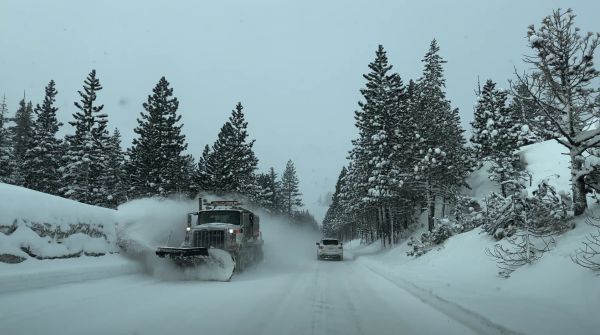
Halloween weekend brings a wet, windy storm to the Sierra Nevada. Our five-day forecast has Dodge Ridge on top with 19 in, followed by Bear Valley at 15 in and Mammoth Mountain at 12 in, with most of it landing on Saturday. A winter weather advisory covers the Tahoe Basin and Mono County until 7 AM Sunday, gusts could reach 47 mph and the freezing level swings between 4,900 and 8,700 ft, so some bases will see rain. A dry spell follows from Monday.
31 Oct 2026
Lake Louise Opens Early on 1 November With Juniper Express and Easy Street
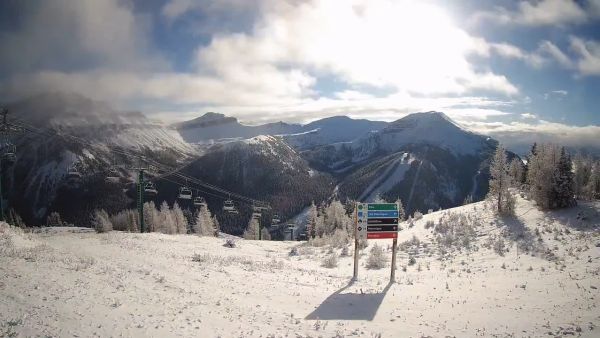
The Rockies get their first lift-served turns of the season early. Lake Louise opens Sunday 1 November, five days ahead of schedule, after a cold October and round-the-clock work from the snowmaking and mountain crews. Terrain is limited to Juniper Express Chair and Easy Street, with two small terrain parks and the beginner area for lessons. Opening-day tickets are over 60% off, with prices rising as more lifts open. First chair is at 9:30 am under the resort’s new lift hours.
31 Oct 2026
Kitzbüheler Horn Summit Cable Car to Be Replaced After 70 Years
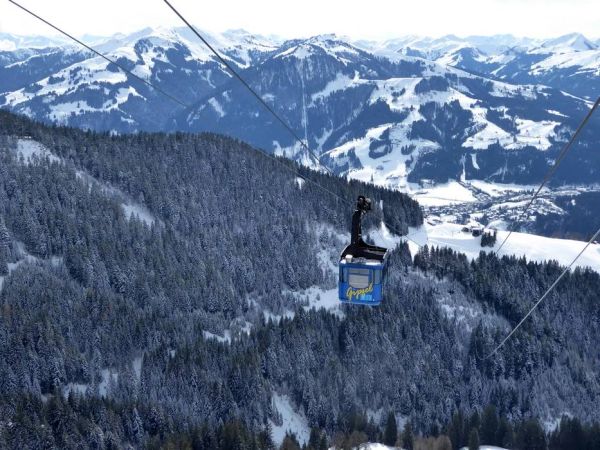
A Tyrolean summit lift that has been carrying guests up the Kitzbüheler Horn since 1955 is on borrowed time. Its licence runs to 2045, but a new inspection rule has made refurbishment uneconomic, so Bergbahn AG Kitzbühel will spend around €15 million on a replacement on the same line. It should hold roughly 100 people and keep running in winds that would stop today’s lift. Building starts in autumn 2027, which makes this winter and next summer the last chances to ride the old one.
30 Oct 2026
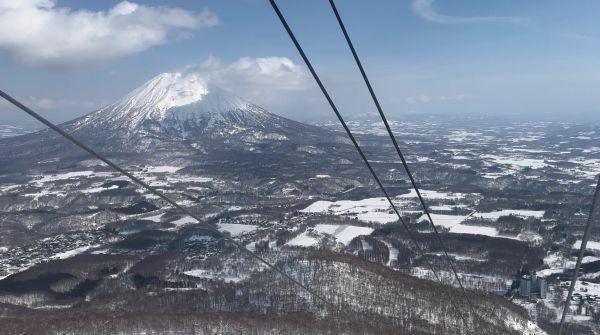
What’s New in Japan Skiing This Winter: Niseko Gondola, a Private Resort and a Bigger Ikon Pass
Niseko Village is replacing a lift from the early 1980s with an eight-person gondola, Tsugaike gets a six-person chairlift, Madarao joins the Ikon Pass and Togari opens Asia’s first private ski resort. Here’s what is actually new in Japan skiing for 2026/27, plus what is still a year or two away.
30 Oct 2026
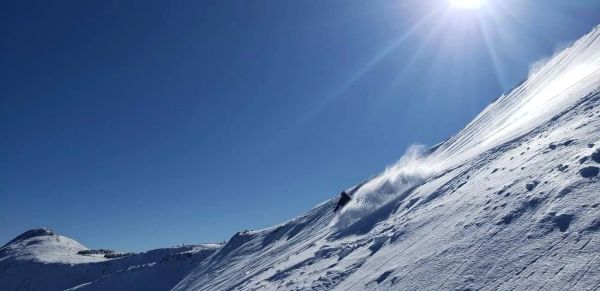
Wolf Creek Opens on Halloween Weekend as Colorado’s Early Season Gathers Pace
Colorado’s early-season dominoes keep falling. Arapahoe Basin opened on Wednesday, Keystone follows on Friday, and now Wolf Creek is joining in on Saturday 31 October, just in time for Halloween. A storm on 23 and 24 October left 20 inches of natural snow in the San Juans, and three lifts will turn from 9:00 am, covering about 30% of the mountain. Expect rocks, unmarked obstacles and open water, but also Local Appreciation lift tickets at $73 for adults.
30 Oct 2026
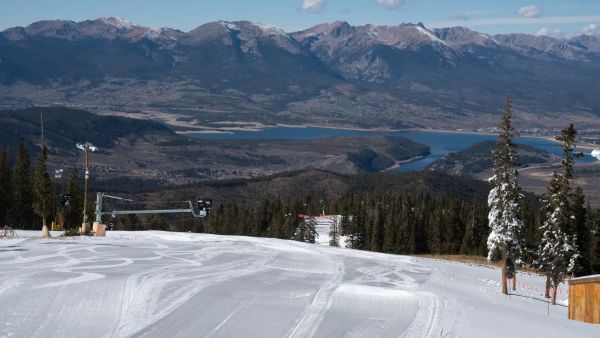
Keystone Resort Opens for 2026/27 With More Than Two Miles of Skiing
Keystone is next. After Arapahoe Basin claimed the first chairlift skiing of the season on Wednesday, Keystone opens on Friday 30 October at 9:00 am with more than two miles of snowmaking-built terrain on Schoolmarm and Silver Spoon, plus free donuts, coffee and a live DJ. Last year the order was reversed, when Keystone squeezed in a three-hour afternoon session to beat A-Basin by a day. Snowmaking has been running since 15 October.
29 Oct 2026
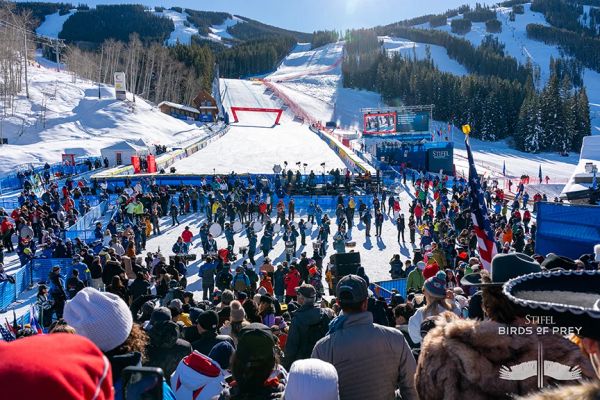
Beaver Creek Installs 16 Automated Snow Guns on Birds of Prey Ahead of Record World Cup
Beaver Creek is getting ready for the biggest Birds of Prey ever, and this time it is not leaving the snow to chance. Crews started making snow on 27 October with 16 newly installed automated guns on the lower third of the course, after last December’s warm spell forced a downhill off the schedule. Seven races across two weekends run from 3 to 13 December, the most the course has hosted since its 1997 debut, and the guns start themselves whenever the weather allows.
29 Oct 2026

Arapahoe Basin Opens First for North America’s 2026/27 Ski Season
Winter has officially started in North America, and it is one blue run long. On Wednesday 28 October, Arapahoe Basin fired up the Black Mountain Express at around 10:30 am after a surprise announcement just hours earlier, becoming the first major North American resort open for 2026/27. Cold nights, a dusting of natural snow and a lot of snowmaking made it happen in the resort’s 80th winter. More terrain is promised as the snow guns keep running.
28 Oct 2026
Pizol Bad Ragaz Snow Report
Snow Report
Updated 1 Nov 2026
2250m
summit
+0cm
new snow · last 24 hours
Depositing Rime Fog-4°C / -1°C · N 19km/h
Snowfall
24 hours
0cm
48 hours
0cm
7 days
1cm
Base depth
0cm
Season total
34cm
Typical winter 163cm
Total lifts13
Live open status isn’t available right now.
20 Nov 2026 - 4 Apr 2027
Hour by Hour
Next 45 hours· Updated Nov 1, 2026 at 5:02 PM
Scroll for the full outlook · Open-Meteo
7-Day Outlook
1,902 mUpdated Nov 1, 2026 at 5:02 PMOpen-Meteo
Days 1–7
0.0cm
Days 8–14
3.8cm
Sun, Nov 1
Snow Grains
Temp-1° / -4°°C
Snow0.0cm(43%)
Wind19 km/h N
Live snow from the resort feed; forecast from Open-Meteo, via Supabase.
Understanding the Pizol Bad Ragaz snow report
See what's happening on the mountain at Pizol Bad Ragaz right now — snowfall, snow depth, and weather data to help you plan your day in Switzerland.
Snow measurements
Our snow reports measure snowfall in centimeters over multiple time windows — last 24 hours, last 7 days, and the season total. Base depth reflects accumulation at the 509m base area, while summit depth captures conditions 1741m higher at 2250m, where snow typically stays colder and lingers longer. Imperial conversions are shown alongside for convenience.
Weather conditions
Wind and temperature swings matter as much as fresh snowfall. Cold, calm conditions hold snow quality well, while wind-loading or a warm-up can change things quickly — especially given the elevation spread between Pizol Bad Ragaz's base and summit.
Data sources
We pull Pizol Bad Ragaz's conditions from on-the-ground mountain reporting, then layer in forecast data so you get a fuller picture than either source alone. The mountain is served by 13 lifts, including 2 8-person chairlifts and 3 quad chairlifts.
When to check
The biggest swings usually happen right after a storm. Check Pizol Bad Ragaz's report in the morning for the freshest numbers, and again in the afternoon as conditions evolve.