
Scuol
70km of piste, 1535m vertical, sunny south-facing slopes above thermal spa village in Romansh-speaking Lower Engadin, Switzerland.
Season 2026 - 2027
Opens
12 Dec 2026
Closes
11 Apr 2027
Days open
120
Annual snow
4m
The Overview
Michael Fulton
Melbourne-based skier and snowboarder with 50+ resorts across 5 continents. Specialises in Australian resorts and international resort comparisons.
The Motta Naluns ski area spans 1250 to 2785 metres elevation across 70 kilometres of piste, offering 1535 metres of vertical drop above the Lower Engadin villages of Scuol, Ftan and Sent. The terrain divides into 39 per cent beginner, 46 per cent intermediate and 15 per cent advanced runs across sectors named Clünas, Champatsch, Mot da Ri and Salaniva. The signature descent runs 10 kilometres from Salaniva at 2710 metres down to Sent village, with the south-facing aspect delivering sunny slopes throughout the morning.
Scuol sits in Canton Graubünden where Romansh remains the official language, creating a spa town atmosphere around mineral springs and the Bogn Engiadina thermal baths. The resort draws family skiers and intermediates seeking wide groomed runs with views across to the Lower Engadin Dolomites and 2920-metre Piz Champatsch. Snowmaking covers 24 kilometres of the ski area, concentrated on lower-elevation south-facing terrain where snow reliability weakens in warmer winters. The resort operates 13 lifts with an uphill capacity of 17,000 skiers per hour, whilst free local buses connect the valley station with surrounding villages during the winter season.
The base village at 1250 metres sits adjacent to Scuol-Tarasp railway station, where the Rhaetian Railway terminates its line from Landquart and Klosters. The gondola departs directly from the station, eliminating transfer hassles and enabling car-free access throughout the region. Off-mountain attractions include Tarasp Castle from the 11th century, mineral water fountains scattered through village quarters, and a terrain park alongside beginner area Kinderland Nalusin at the mid-mountain station.
Scuol operates independently without multi-resort pass integration, focusing its 2025-26 season from 14 December through 21 April with pricing that rewards online advance purchase. The area receives 4.3 metres of annual snowfall, peaking through January and February when base depths typically reach 50 to 136 centimetres. The terrain suits progressing intermediates and families more than expert skiers, with limited steep pitches and off-piste options concentrated below Piz Champatsch requiring stable avalanche conditions and local knowledge.
1535m
Vertical
0
Runs
70 km
Piste
4m
Annual snow
The Terrain
0 runs across 70 km of piste
Scuol starts lower than most Engadin resorts, at 1,250 metres, and climbs to 2,785 metres at the top of the Motta Naluns area for 1,535 vertical metres over 70 kilometres of piste. Intermediates hold 46% of the terrain, beginners 39% and advanced 15%, with nothing rated expert. The slopes face the sun, and one gondola, an eight-seat chair, two six-seaters and four quads move skiers between the sectors of Clünas, Champatsch, Mot da Ri and Salaniva without long traverses. The result is a varied mountain that rarely feels crowded.
The signature descent runs about 10 kilometres from Salaniva at 2,710 metres down to the village of Sent, and it is the piste most visitors look for. Steeper skiing sits on the Salaniva and Mot da Ri sectors, so stronger skiers can lap something more testing before heading back to easier ground. Scuol suits families and relaxed intermediates in particular, and it is a good pick for anyone after a quieter corner of the Engadin, away from the larger and busier resorts further up the valley.
Terrain split
0
runs
0 runs across 4 grades
Beginner0 runs · 39%
Intermediate0 runs · 46%
Advanced0 runs · 15%
Expert0 runs · 0%
Time it right
When to visit Scuol
The 2025-26 winter season runs from 14 December 2025 through 21 April 2026, delivering a four-month operating window typical for Lower Engadin resorts at this elevation band. The resort historically opens mid-December and closes mid-April depending on snowpack, with online advance-purchase tickets offering discounts over cash desk rates that vary across high, normal and low season periods. Scuol divides its calendar into eight distinct pricing tiers, with differences reaching 12 Swiss francs on daily passes between peak and off-peak dates.
Average annual snowfall measures 4.3 metres, with the season typically accumulating 241 centimetres according to recent data tracking. The snowiest period arrives during the first week of February, averaging 4.2 snowy days with 31 centimetres of fresh accumulation, whilst January delivers the deepest base with historic averages reaching 123 centimetres at 2000 metres mid-elevation. March maintains reliable coverage at altitude with average depths of 123 centimetres on upper slopes, though lower south-facing terrain warms faster as spring progresses. The current 2025-26 season shows 70 centimetres base depth with 22 centimetres fallen in the past week and 229 centimetres total seasonal accumulation as of February 2026.
Optimal timing targets late January through mid-March when high-elevation snowpack peaks and temperatures remain cold enough to preserve powder on north-facing aspects above 2200 metres. Early December and late April offer quieter periods with reduced crowds, though coverage on the 1250-metre base and valley descent becomes marginal. Spring conditions develop from late March onwards, with corn snow forming on sunny slopes by mid-morning whilst shaded sectors retain winter snow quality into April.
The resort calendar includes periodic events though maintains a low-key atmosphere compared to larger Swiss destinations, with free local transport included for ski pass holders on designated bus routes until 20:30. No night skiing operates, though the Bogn Engiadina thermal baths extend hours on select Silenzi evening dates in summer. Weather patterns favour stable continental conditions through mid-winter, with the Flüela Pass closure requiring drivers from northern Switzerland to use the Vereina Tunnel car shuttle beneath the mountains.
Season 2026 - 2027
12 Dec 2026
Opens
11 Apr 2027
Closes
120
Days open
4 m
Annual snow
Getting there
Getting to Scuol, and where to stay
Scuol municipality sits in the Lower Engadin valley of Canton Graubünden at 1250 metres elevation, where the Inn River flows northeast towards Austria through Switzerland's southeastern corner. The ski area rises directly above Scuol village with additional access from Ftan at 1655 metres and the 10-kilometre descent finishing at Sent. The region borders Austria's Tyrol to the east and Italy's South Tyrol across the Reschen Pass to the south, with the Swiss National Park occupying wilderness areas immediately west of the valley.
The nearest towns include Ardez 7 kilometres west, Tarasp 9 kilometres southwest with its 11th-century castle, and Guarda 11 kilometres distant amongst traditional Engadine architecture. Scuol-Tarasp railway station sits adjacent to the gondola base, serving as the terminus for the Rhaetian Railway line that connects hourly to the Swiss rail network. The Lower Engadin maintains Romansh language and culture distinct from German-speaking Graubünden regions, with mineral springs shaping the valley's spa heritage across centuries of thermal bathing tradition.
Road access from the north requires either the Flüela Pass at 2383 metres (closed November through May) or the Vereina Tunnel car shuttle from Klosters, which transports vehicles in 18 minutes beneath the mountains for approximately 69 Swiss francs. From the east, Route H27 runs 60 kilometres from the Austrian A12 motorway's Reschen exit near Landeck through Martina border crossing. Zurich lies 177 kilometres northwest, involving car transport through the Vereina Tunnel during winter months, whilst the Graubünden capital Chur sits 87 kilometres west via Landquart.
Zurich Airport (ZRH) provides the primary international gateway 188 kilometres distant, with train connections requiring 3 hours 44 minutes including changes at Zurich Hauptbahnhof and Landquart before the Rhaetian Railway leg to Scuol-Tarasp. Innsbruck Airport in Austria lies closer at 127 kilometres, reachable in 90 minutes by road via Landeck without tunnel requirements. The scenic rail journey from Zurich traverses Klosters and the Prättigau valley, offering superior convenience to driving whilst eliminating parking costs and winter road complications on high Alpine passes.
Where to stay
Search all stays →Hotels and lodges near Scuol, powered by Stay22.
Latest News
From the SnowStash desk

Vermont Ski Resort Opening Dates 2026-27: Few Dates Set, Killington Waits on the Cold
Vermont's season is slow to take shape. Stratton is tentatively targeting 18 November and Sugarbush 21 November, while Pico has Friday 11 December on the calendar. Killington never sets a date and opens when the snowmaking allows, and Vail Resorts has yet to name days for Stowe, Okemo and Mount Snow. The forecasts disagree about snow, and the main El Niño worry for the Green Mountains is warmth.
9 Oct 2026
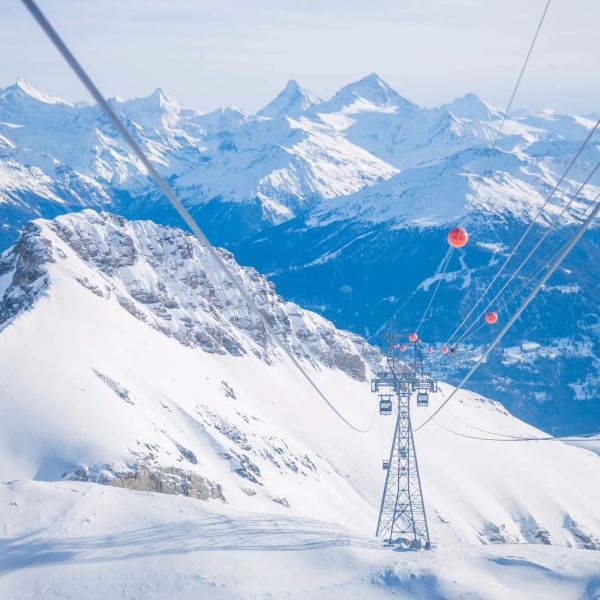
Crans-Montana 2027 World Championships President Resigns Ahead of Fraud Hearing
Less than four months out from the Crans-Montana 2027 World Championships, the man running the organising committee has stepped down. Claude-Alain Schmidhalter resigned as Swiss-Ski vice president and OC president after being indicted over a business dispute unrelated to skiing. He denies the allegations and faces court on October 27. Interim leaders are in place for the February 1-14 event.
9 Oct 2026
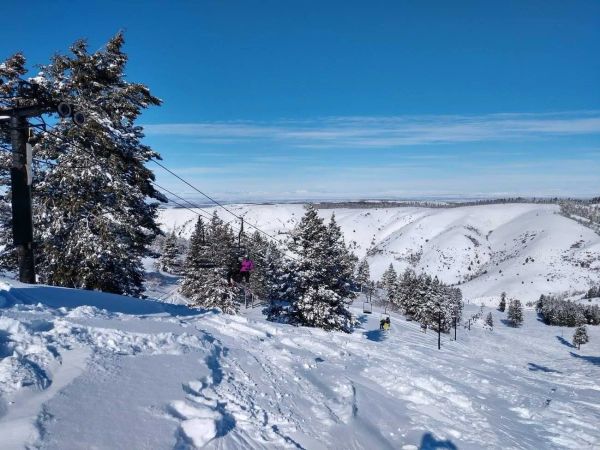
Kelly Canyon, Idaho, Adds Snowmaking, a Bigger Terrain Park and More Parking for 2026-27
Kelly Canyon had a rough 2025-26, and the Idaho resort has spent the summer making sure it doesn’t repeat. Snowmaking now reaches the top of Goldrush, the terrain park is doubling in size with a stereo system, lights and a snack shack, and the car park is getting bigger. Grooming is stepping up too. Target opening is December 4, conditions permitting.
9 Oct 2026
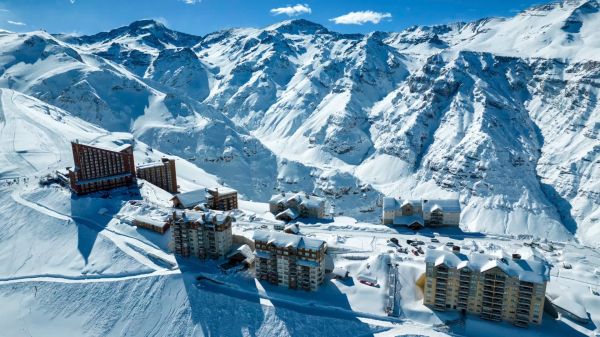
Valle Nevado Extends Season to November 8 After 108 cm in 48 Hours
Winter was meant to be winding down in Chile. Then Valle Nevado took 108 cm in 48 hours in early October, and the resort has pushed its closing date out to November 8 - its latest in 38 years of operation. That makes 143 days of skiing since opening day on June 19, with 690 cm banked for the season. Only part of the mountain is running while the storm settles, so check the mountain report before you plan a trip.
9 Oct 2026
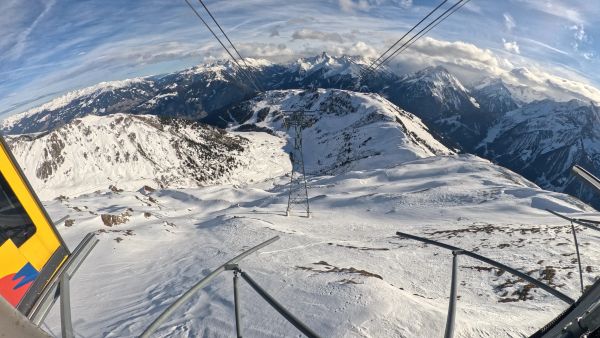
Alps Snow Forecast: Cold Front Brings Thursday Snow to the High Alps
The Alps look a lot more like winter today, for a day or so. A cold front is moving west to east, dropping up to 35 cm on high glaciers and peaks, with snow levels falling to around 1,500-1,800 m at times. Don’t plan a trip around it: mid-elevation snow will be thin and wet, every area is closed bar a limited Sölden glacier opening tomorrow, and warmer weather returns by Monday.
8 Oct 2026
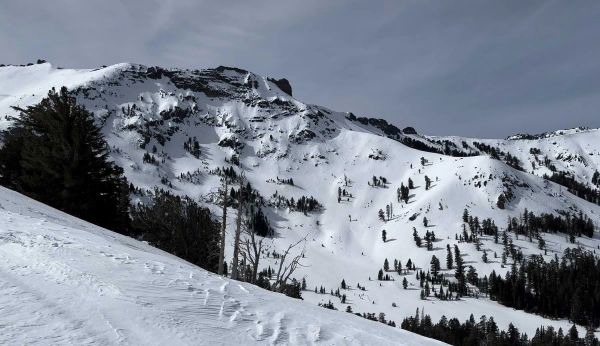
California Ski Resort Opening Dates 2026-27: Mammoth Leads, Tahoe Follows
Mammoth Mountain is first up in California, targeting Friday 13 November after a dusting of September snow. Heavenly and Northstar follow on 20 November, Palisades Tahoe on Wednesday 25 November and Sugar Bowl on 27 November, with Kirkwood on 4 December and June Mountain on 19 December. Plenty of smaller areas have no date yet. A super El Niño favours the Sierra, but a warmer storm track is the catch.
7 Oct 2026
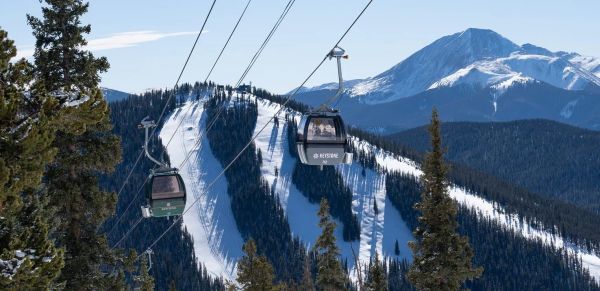
Colorado Ski Resort Opening Dates 2026-27: A-Basin and Keystone Race to Be First
Arapahoe Basin, Keystone and Winter Park are all chasing an October start, though none has a firm date yet. The first dated openers are Breckenridge and Copper on Friday 6 November, then Vail on 13 November, with most of the rest bunched around US Thanksgiving. Hesperus did not open at all last season. A super El Niño offers hope but no guarantee, and forecasters say the southern mountains have the better odds.
5 Oct 2026
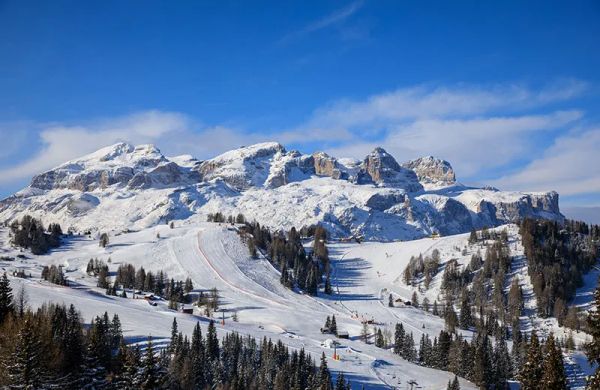
Dolomiti Superski 2026-27: Four New Gondolas, New Reservoirs and an €89 Peak Day Pass
Dolomiti Superski is spending around €100 million across its 12 areas before winter. Kronplatz gets a new 10-passenger gondola with a middle station, 3 Zinnen gets Helmissimo, and Val di Fassa swaps a chairlift for a gondola above Col Valvacin. New water-storage basins and upgraded snowmaking follow, and construction has started on the San Martino to Passo Rolle link. A peak adult day pass is €89.
4 Oct 2026
Scuol Lift System
Scuol operates 13 lifts comprising one eight-seat gondola, one six-seat chairlift, four quad chairlifts, two T-bars and three surface lifts alongside conveyor belts in the beginners' area. The eight-person gondola Scuol-Motta Naluns rises from the valley station at 1250 metres to the mid-mountain hub at 2202 metres, where Panorama Restaurant La Motta anchors the upper base. From Ftan village, a detachable quad chairlift with weather protection hoods provides alternative access to Prui at the western edge of the ski area.
The Prui-Clünas six-seat high-speed chairlift serves the upper mountain alongside four detachable quad chairs named Ftan-Prui, Jonvrai-Clünas, Jonvrai-Mot da Ri and Salaniva. These installations transport skiers across the four main sectors spanning from Clünas through Champatsch to Mot da Ri at 2583 metres and Salaniva at 2710 metres. Surface lifts and T-bars handle lower-elevation terrain and beginner zones, whilst the system collectively moves 17,000 skiers per hour across the mountain.
The gondola and modern detachable chairlifts create efficient flow between sectors, though the south-facing valley run back to Scuol requires strong snow conditions or a gondola download for less confident skiers. All lifts accommodate sit-skis for disabled access, with trained staff removing individual seat partitions on chairlifts to facilitate barrier-free boarding. The lift network connects three villages across 70 kilometres of marked runs, with the longest descent measuring 10 kilometres from Salaniva summit to Sent.
The resort maintains the infrastructure without recent headline installations, focusing operations on proven detachable technology and family-friendly conveniences including ski storage at mid-mountain where locals routinely leave equipment overnight. Parking at both Scuol and Ftan valley stations requires payment, though the railway connection and free ski bus network reduce car dependency. The lift system opens daily throughout the season with 12 of 13 lifts typically operating, as current 2025-26 data confirms.
13lifts across 6 types
1
Gondola
1
8-Person Chair
2
6-Person Chairs
4
Quad Chairs
2
T-Bars
3
Surface Lifts
Scuol lift system
Scuol is served by 13 lifts, listed here by type. Check which lifts are turning against the live conditions before you plan your first laps - early lifts and high-speed chairs get you to the best snow fastest.
More Scuol intelligence: trail map, snow report, webcams, resort overview.