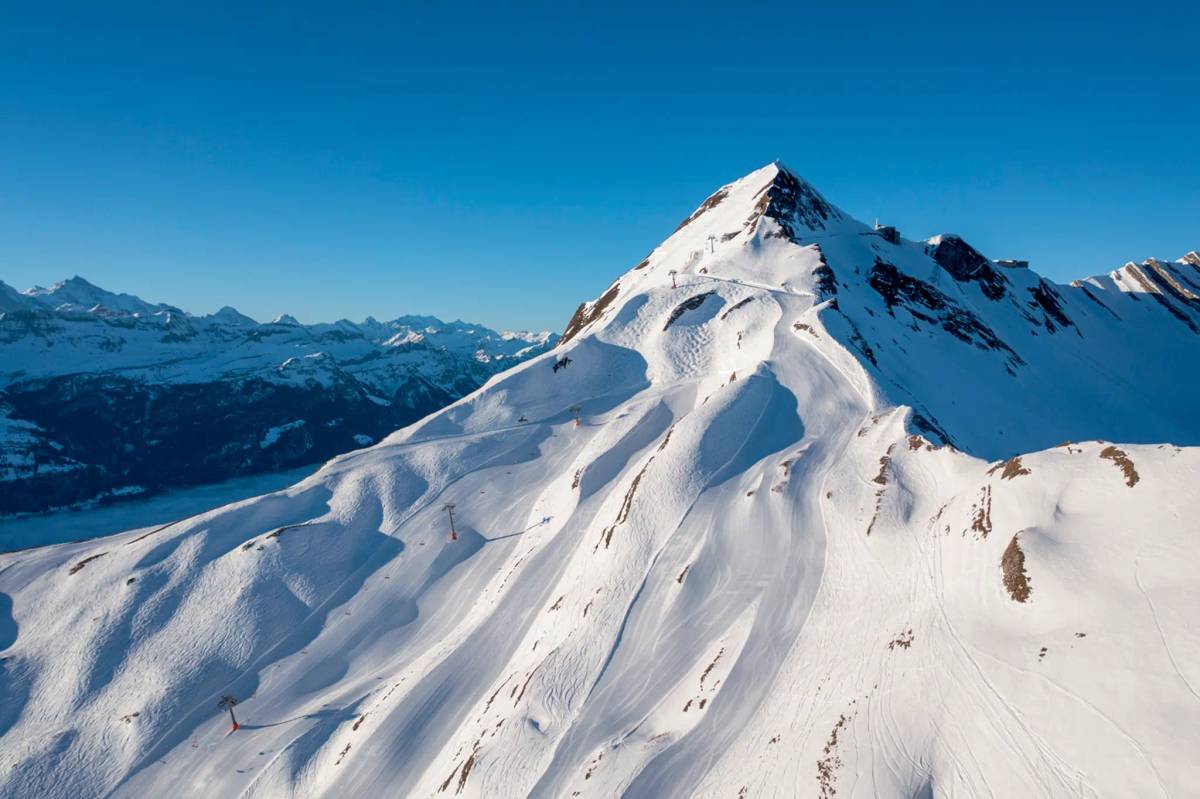
Sörenberg
42km of piste spanning 1110-2298m. Magic Pass included. UNESCO Biosphere setting in Canton Lucerne, Switzerland.
Season 2026 - 2027
Opens
19 Dec 2026
Closes
28 Mar 2027
Days open
99
Annual snow
2.5m
The Overview
Michael Fulton
Melbourne-based skier and snowboarder with 50+ resorts across 5 continents. Specialises in Australian resorts and international resort comparisons.
Sörenberg spans 1110 to 2298 metres with 1188 metres of vertical drop and 42 kilometres of piste across two distinct sectors. The Dorf sector offers 57 per cent beginner terrain directly from the village, whilst the Rothorn sector delivers advanced skiing on the Brienzer Rothorn, the highest peak in Canton Lucerne at 2350 metres. Annual snowfall averages 4.3 metres with extensive snowmaking coverage ensuring reliable conditions from mid-December through early April. Membership in Magic Pass since 2024 grants access to over 100 ski areas across Switzerland, France and Italy for one annual fee.
The ski area divides between the gentle Schwarzenegg sector rising from the village with 500 metres of vertical for beginners, and the Rothorn sector with 1000 metres of challenging on- and off-piste terrain. The Freestyle-Line Rossweid caters to park riders, whilst the Eisee sector between 1900 and 2298 metres provides technical red and black runs with panoramic views across Lake Brienz and the Bernese Alps. Over half the terrain suits beginners, with 24 per cent intermediate, 19 per cent advanced, creating a balanced progression terrain.
Sörenberg sits within the UNESCO Entlebuch Biosphere Reserve, where protected moorland and karst landscapes frame wide, uncrowded slopes favoured by families from Lucerne and Bern. The village at 1165 metres retains a traditional Swiss atmosphere with small hotels and apartment rentals rather than large-scale development. Berghaus Eisee at 1900 metres offers simple mountain accommodation, whilst rustic mountain restaurants anchor both sectors, and night skiing operates on the floodlit Ochsenweid slope.
Magic Pass validity runs 1 May to 30 April annually, covering both winter skiing and summer lift access at competitive early-bird rates from CHF 419. The resort appeals to families with certified Family Destination Switzerland status, beginners progressing on wide learning slopes, intermediate skiers seeking value and variety, and advanced riders exploring the Rothorn freeride terrain. Day passes cost CHF 61 for adults, with 4-hour options at CHF 51, whilst children under 8 ski free year-round.
1188m
Vertical
0
Runs
42 km
Piste
2.5m
Annual snow
The Terrain
0 runs across 42 km of piste
Sörenberg climbs 1,188 vertical metres in central Switzerland, from 1,110 metres to 2,298 metres, across 42 kilometres of piste. Beginners get the biggest slice at 57%, ahead of 24% intermediate and 19% advanced, and there is no expert grading. Learners can start straight from the village sector, and the lift list runs to a cable car, a gondola, three quad chairs, a six-seater and eight T-bars, which is plenty for an area this size and keeps most lift lines short, while the compact layout makes it easy to regroup.
The Rothorn sector holds the steeper skiing, on the Brienzer Rothorn, the highest peak in Canton Lucerne at 2,350 metres, while the Eisee area between 1,900 metres and the top offers technical red and black runs with views over Lake Brienz. Park riders have the Rossweid freestyle line, and the Entlebuch moors and limestone give the landscape a distinct feel. Sörenberg suits families from Lucerne and Bern, beginners and intermediates wanting an uncrowded day, with a modest advanced section for those wanting a little more edge.
Terrain split
0
runs
0 runs across 4 grades
Beginner0 runs · 57%
Intermediate0 runs · 24%
Advanced0 runs · 19%
Expert0 runs · 0%
Time it right
When to visit Sörenberg
The 2025-26 season runs 13 December 2025 to 6 April 2026, offering 16 weeks of operations typical for central Swiss resorts at this elevation. Lifts generally operate daily during season with exceptions for maintenance and low snow years, though Magic Pass holders enjoy guaranteed access throughout the validity period from 1 May to 30 April annually. Extended shoulder seasons depend on snow conditions, with pre-Christmas and late-March skiing contingent on sufficient base depth at the 1110-metre valley elevation.
Annual snowfall averages 354 centimetres with the snowiest period occurring in week 2 of January, delivering 40 centimetres across 3 to 4 snowy days. North-facing orientation and extensive snowmaking on lower slopes protect against thaws, though mid-mountain elevations around 1500 metres prove more reliable than valley runs during warm spells. Base depths commonly exceed 100 centimetres mid-season at upper elevations, with current data showing 170 centimetres at 2298 metres and 50 centimetres at 1110 metres in February 2026. The Rothorn sector benefits from altitude advantage and shaded aspects preserving powder longer than sun-exposed Dorf terrain.
January through mid-March delivers optimal snow coverage and powder potential, whilst late December through January attracts peak crowds during school holidays. February offers reliable conditions with moderate visitor numbers, and March brings spring corn snow with longer daylight and warming temperatures. Late-season skiing in April depends on snowpack, with the Rothorn sector holding coverage longer than village-level runs. Quieter periods occur weekdays in January and late March when locals return to work post-holidays.
The resort hosts a season opening party in mid-December, night skiing operates weekly on Ochsenweid with Magic Pass holders skiing free, and Sunday sunrise rides on the Rothorn tramway include breakfast at the summit restaurant. Cross-country skiing spans 38 kilometres of trails above 1500 metres, including the Salwideli Panoramic Trail through moorland. Two toboggan runs operate from Rossweid, with a 2-kilometre run descending to the valley, complementing alpine skiing for non-skiers.
Season 2026 - 2027
19 Dec 2026
Opens
28 Mar 2027
Closes
99
Days open
2.5 m
Annual snow
The record
Historical snowfall at Sörenberg
Daily snow reports at Sörenberg go back to 2017, 10 winters on the books. Open the record to compare winters, lifts and piste.
130 cm
Snowiest day
15 Jan 2019
16 cm
This winter · 2026-27
so far
251 cm
Typical winter
average of complete seasons
Winter totals
cm
Past wintersThis winter
Getting there
Getting to Sörenberg, and where to stay
Sörenberg occupies the upper Flühli valley at 1165 metres in Canton Lucerne, Central Switzerland, surrounded by the UNESCO Entlebuch Biosphere Reserve with protected moorland and the limestone ramparts of Schrattenfluh to the north. The village stretches 8 kilometres along the valley floor between Schönenboden at the Rothorn tramway base and Sörenberg Platz, with lift access points distributed throughout. The Brienzer Rothorn summit at 2350 metres forms the southern boundary, offering views across Lake Brienz to Eiger, Mönch and Jungfrau in the Bernese Oberland.
Schüpfheim lies 15 kilometres northwest as the nearest town with rail connections, whilst Flühli sits 8 kilometres down-valley as a climatic health resort and gateway village. Lucerne, the major regional city, is 50 kilometres northeast via Wolhusen and Schüpfheim, with Bern 70 kilometres west via Langnau and Schüpfheim. The resort sits in one of 400 UNESCO biosphere reserves globally, recognised for extensive naturally protected moorland covering an area unmatched elsewhere in Switzerland for concentration within a compact region.
From Lucerne, take route 10 south via Wolhusen to Schüpfheim, then follow signs 15 kilometres up-valley to Flühli and Sörenberg, totalling 65 kilometres in approximately 75 minutes. From Bern, drive east via Langnau to Schüpfheim, approximately 70 kilometres requiring 90 minutes. The Glaubenbielen Pass road from Giswil offers a summer-only alternative over narrow mountain switchbacks discouraged for nervous drivers and restricted for buses to one-direction hourly traffic. Free parking operates at valley station car parks, though weekend mornings see the Rossweid gondola lot fill early.
Zurich Airport lies 106 kilometres away with 90-minute drive time via the A2 motorway and route 10, whilst Bern Airport sits 67 kilometres distant requiring 75 minutes. Zurich serves as the primary international gateway with 700 daily flights to 170 destinations and direct trains to Lucerne every hour taking 70 minutes. From Zurich Airport or Lucerne, take trains to Schüpfheim, then PostBus line 241 to Sörenberg Post and Sörenberg Rothornbahn stops, totalling 3 hours 15 minutes from Zurich or 2 hours from Lucerne with reliable hourly connections.
Where to stay
Search all stays →Hotels and lodges near Sörenberg, powered by Stay22.
Latest News
From the SnowStash desk
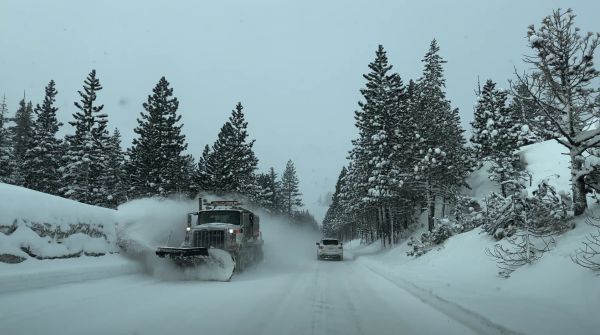
Sierra Nevada Halloween Storm: Dodge Ridge Forecast to Lead With 19 Inches
Halloween weekend brings a wet, windy storm to the Sierra Nevada. Our five-day forecast has Dodge Ridge on top with 19 in, followed by Bear Valley at 15 in and Mammoth Mountain at 12 in, with most of it landing on Saturday. A winter weather advisory covers the Tahoe Basin and Mono County until 7 AM Sunday, gusts could reach 47 mph and the freezing level swings between 4,900 and 8,700 ft, so some bases will see rain. A dry spell follows from Monday.
31 Oct 2026
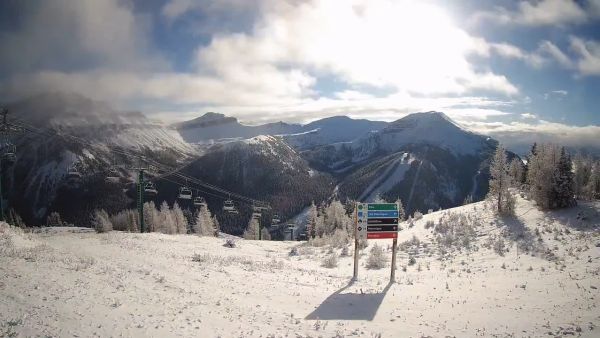
Lake Louise Opens Early on 1 November With Juniper Express and Easy Street
The Rockies get their first lift-served turns of the season early. Lake Louise opens Sunday 1 November, five days ahead of schedule, after a cold October and round-the-clock work from the snowmaking and mountain crews. Terrain is limited to Juniper Express Chair and Easy Street, with two small terrain parks and the beginner area for lessons. Opening-day tickets are over 60% off, with prices rising as more lifts open. First chair is at 9:30 am under the resort’s new lift hours.
31 Oct 2026
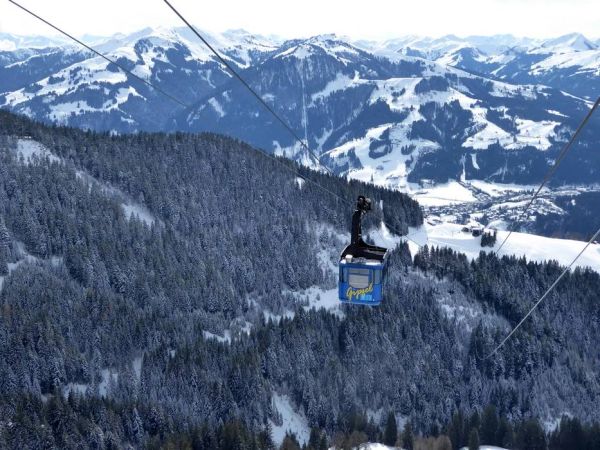
Kitzbüheler Horn Summit Cable Car to Be Replaced After 70 Years
A Tyrolean summit lift that has been carrying guests up the Kitzbüheler Horn since 1955 is on borrowed time. Its licence runs to 2045, but a new inspection rule has made refurbishment uneconomic, so Bergbahn AG Kitzbühel will spend around €15 million on a replacement on the same line. It should hold roughly 100 people and keep running in winds that would stop today’s lift. Building starts in autumn 2027, which makes this winter and next summer the last chances to ride the old one.
30 Oct 2026
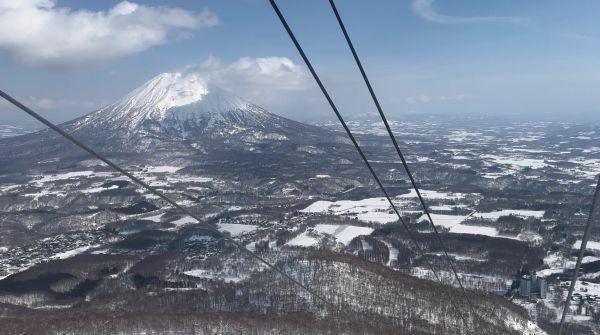
What’s New in Japan Skiing This Winter: Niseko Gondola, a Private Resort and a Bigger Ikon Pass
Niseko Village is replacing a lift from the early 1980s with an eight-person gondola, Tsugaike gets a six-person chairlift, Madarao joins the Ikon Pass and Togari opens Asia’s first private ski resort. Here’s what is actually new in Japan skiing for 2026/27, plus what is still a year or two away.
30 Oct 2026
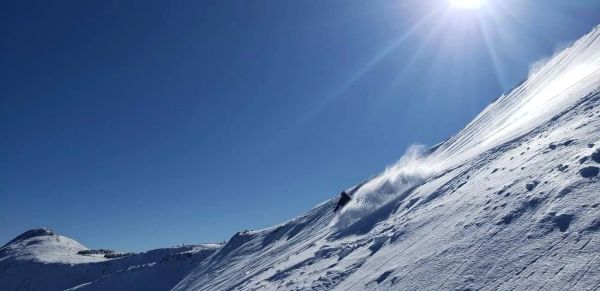
Wolf Creek Opens on Halloween Weekend as Colorado’s Early Season Gathers Pace
Colorado’s early-season dominoes keep falling. Arapahoe Basin opened on Wednesday, Keystone follows on Friday, and now Wolf Creek is joining in on Saturday 31 October, just in time for Halloween. A storm on 23 and 24 October left 20 inches of natural snow in the San Juans, and three lifts will turn from 9:00 am, covering about 30% of the mountain. Expect rocks, unmarked obstacles and open water, but also Local Appreciation lift tickets at $73 for adults.
30 Oct 2026
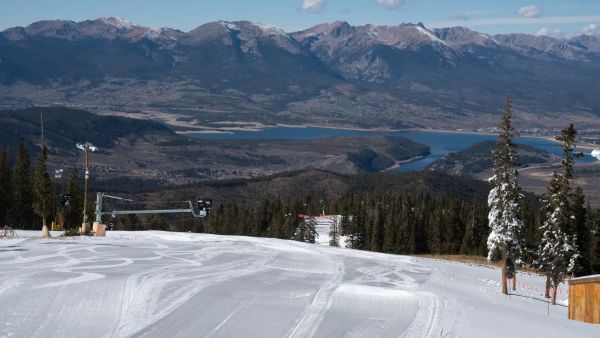
Keystone Resort Opens for 2026/27 With More Than Two Miles of Skiing
Keystone is next. After Arapahoe Basin claimed the first chairlift skiing of the season on Wednesday, Keystone opens on Friday 30 October at 9:00 am with more than two miles of snowmaking-built terrain on Schoolmarm and Silver Spoon, plus free donuts, coffee and a live DJ. Last year the order was reversed, when Keystone squeezed in a three-hour afternoon session to beat A-Basin by a day. Snowmaking has been running since 15 October.
29 Oct 2026
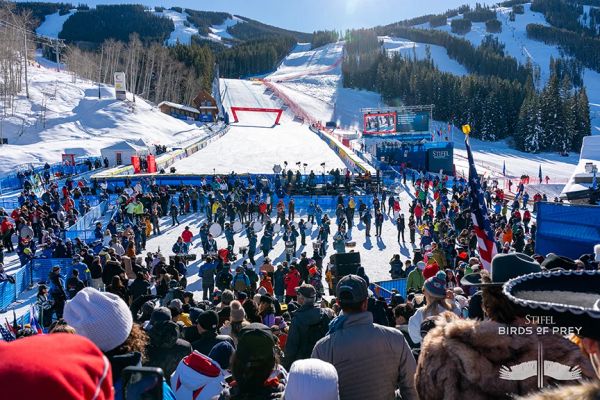
Beaver Creek Installs 16 Automated Snow Guns on Birds of Prey Ahead of Record World Cup
Beaver Creek is getting ready for the biggest Birds of Prey ever, and this time it is not leaving the snow to chance. Crews started making snow on 27 October with 16 newly installed automated guns on the lower third of the course, after last December’s warm spell forced a downhill off the schedule. Seven races across two weekends run from 3 to 13 December, the most the course has hosted since its 1997 debut, and the guns start themselves whenever the weather allows.
29 Oct 2026
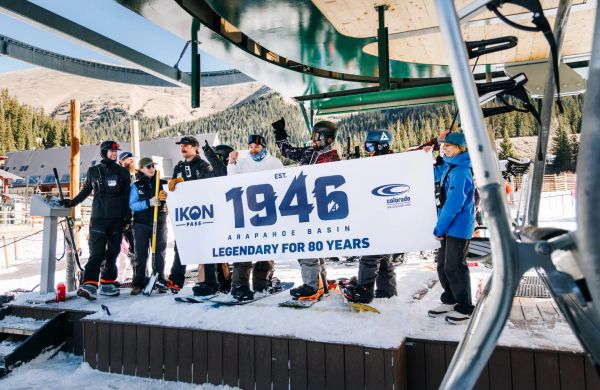
Arapahoe Basin Opens First for North America’s 2026/27 Ski Season
Winter has officially started in North America, and it is one blue run long. On Wednesday 28 October, Arapahoe Basin fired up the Black Mountain Express at around 10:30 am after a surprise announcement just hours earlier, becoming the first major North American resort open for 2026/27. Cold nights, a dusting of natural snow and a lot of snowmaking made it happen in the resort’s 80th winter. More terrain is promised as the snow guns keep running.
28 Oct 2026
Sörenberg Snow Report
Snow Report
Updated 31 Oct 2026
2298m
summit
+0cm
new snow · last 24 hours
Mainly Clear-2°C / 4°C · E 11km/h
Snowfall
24 hours
0cm
48 hours
0cm
7 days
8cm
Base depth
0cm
Season total
16cm
Typical winter 251cm
Total lifts15
Live open status isn’t available right now.
19 Dec 2026 - 28 Mar 2027
Hour by Hour
Next 42 hours· Updated Oct 31, 2026 at 5:02 AM
Scroll for the full outlook · Open-Meteo
7-Day Outlook
2,060 mUpdated Oct 31, 2026 at 5:02 AMOpen-Meteo
Days 1–7
1.5cm
Days 8–14
0.0cm
Sat, Oct 31
Mainly Clear
Temp4° / -2°°C
Snow0.0cm
Wind11 km/h E
Live snow from the resort feed; forecast from Open-Meteo, via Supabase.
Understanding the Sörenberg snow report
Track current conditions at Sörenberg in Switzerland. This report covers snowfall totals, base and summit depth, and the forecast across its terrain.
Snow measurements
Our snow reports measure snowfall in centimeters over multiple time windows — last 24 hours, last 7 days, and the season total. Base depth reflects accumulation at the 1110m base area, while summit depth captures conditions 1188m higher at 2298m, where snow typically stays colder and lingers longer. Imperial conversions are shown alongside for convenience.
Weather conditions
Wind and temperature swings matter as much as fresh snowfall. Cold, calm conditions hold snow quality well, while wind-loading or a warm-up can change things quickly — especially given the elevation spread between Sörenberg's base and summit.
Data sources
Sörenberg snow data is collected through a combination of on-mountain reports and weather forecasting services, giving you both official resort updates and independent forecast data in one place. The mountain is served by 15 lifts, including an aerial tram and 3 quad chairlifts.
When to check
Snow reports are typically updated early morning and late afternoon. For the most current conditions, check back regularly, especially if a winter storm is approaching.