
The Overview
Michael Fulton
Melbourne-based skier and snowboarder with 50+ resorts across 5 continents. Specialises in Australian resorts and international resort comparisons.
Hakuba 47 Winter Sports Park operates across 794 metres of vertical drop between 820 and 1,614 metres elevation. The resort spans 32 hectares with 8 official runs and receives 11 metres of snowfall annually. The longest run stretches 6.4 kilometres from summit to base.
Terrain distribution favours intermediates with 40 per cent, followed by 30 per cent beginner, 25 per cent advanced and 5 per cent expert. The resort connects to Goryu at the summit via the gondola, creating a combined ski area with shared lift tickets. Hakuba 47's north-facing aspect extends the season into early May with substantial snow cover.
The terrain park ranks among Hakuba Valley's best, featuring 10 kickers up to 20 metres, a half-pipe, rails, boxes and beams. Tree skiing requires registration with the Double Black Diamond Club and wearing provided bibs to access three gated zones. Route 3, a double black mogul run, drops directly above the gondola building.
Epic Pass holders receive five consecutive days across all 10 Hakuba Valley resorts with no blackout dates. The compact layout and mid-mountain cafeteria suit park riders and intermediates more than beginners. Hakuba 47 sits 1.9 kilometres from Kamishiro village and 5 kilometres from Hakuba village centre with regular shuttle bus connections.
794m
Vertical
8
Runs
79 acres
Skiable
11m
Annual snow
Epic Pass
Pass
The Terrain
8 runs across 79 acres skiable
Hakuba 47 Winter Sports Park, in Nagano's Hakuba Valley, is a steep-sided, north-facing 32-hectare mountain with a 794-metre vertical between 820 and 1,614 metres. Eight runs are graded 30% beginner, 40% intermediate, 25% advanced and 5% expert, a sharper skew than most of its neighbours. About 11 metres of snow falls annually, and the shaded aspect helps preserve it into spring. The summit connects across to Hakuba Goryu, so the two operate as a shared ski area for anyone holding a combined pass, with plenty of intermediate laps in between.
The park scene is what draws many riders, with a long line of kickers, rails and boxes alongside a halfpipe. Designated tree zones sit off the main trails for those who want soft snow among the conifers, and steeper groomed pitches reward anyone who wants to test their legs. Skiers who prefer steeper groomers will also find enough to keep them busy. Hakuba 47 suits freestylers, confident intermediates and families wanting a compact, easy-to-navigate mountain, but those chasing huge terrain should look to Happo-one or the Goryu side of the link instead.
Terrain split
8
runs
8 runs across 4 grades
Beginner2 runs · 30%
Intermediate3 runs · 40%
Advanced2 runs · 25%
Expert0 runs · 5%
Time it right
When to visit Hakuba 47
The 2025-26 season runs from 5 December 2025 to 29 March 2026, though dates fluctuate based on snowfall. Hakuba 47 typically opens late November to early May alongside Goryu, amongst the earliest in the valley. The completely north-facing aspect preserves snow quality deep into spring with substantial coverage even in late April.
Annual snowfall averages 11 metres across the valley, with cold Siberian air masses crossing the Sea of Japan to dump dry powder. January and February deliver peak powder frequency with 20 to 30 centimetre dumps every few days. Base depth reliability stems from the north-facing terrain and mid-elevation base at 820 metres.
Early December sees limited terrain as the snowpack builds, with full mountain access typically achieved after New Year. Mid-January through February offers the most consistent powder skiing with cold temperatures preserving snow quality. March and April transition to spring corn snow conditions with softer surfaces by mid-morning.
Night skiing operates on Goryu's beginner slopes but not at Hakuba 47. The terrain park maintains features throughout the season with meticulous grooming. Golden Week in late April draws domestic crowds for late-season turns on upper mountain terrain.
Season 2026 - 2027
21 Nov 2026
Opens
5 May 2027
Closes
165
Days open
11 m
Annual snow
Getting there
Getting to Hakuba 47, and where to stay
Hakuba 47 occupies the southern end of Hakuba Valley in Nagano Prefecture at the base of the Northern Japanese Alps. The resort lies within Hakuba village, 1.9 kilometres from Kamishiro and 5 kilometres from Hakuba village centre at 820 metres elevation. The Northern Alps rise to 3,000 metres, dominating the skyline with year-round snow on the highest peaks.
Hakuba village sits in the Kitaazumi district of northwestern Nagano Prefecture, part of the Chubu region on Honshu Island. The valley encompasses the municipalities of Omachi, Hakuba and Otari, forming Japan's largest international mountain resort. The 1998 Winter Olympics brought global recognition, with Happo One hosting alpine skiing events.
Nagano Station serves as the primary gateway, 70 minutes away by Alpico bus for 2,900 yen. The Nagano Snow Shuttle operates direct services taking approximately one hour. Route 148 provides road access through the valley with free parking at two large base lots.
Tokyo Narita and Haneda airports sit 200 kilometres southeast, requiring 5 to 5.5 hours via airport shuttle or 3 to 4 hours by shinkansen to Nagano then bus. The Hokuriku Shinkansen covers Tokyo to Nagano in 90 minutes. One daily Azusa express train runs direct from Shinjuku to Hakuba Station in 3 hours 41 minutes, eliminating transfers for early arrivals.
Where to stay
Search all stays →Hotels and lodges near Hakuba 47, powered by Stay22.
Latest News
From the SnowStash desk

Vermont Ski Resort Opening Dates 2026-27: Few Dates Set, Killington Waits on the Cold
Vermont's season is slow to take shape. Stratton is tentatively targeting 18 November and Sugarbush 21 November, while Pico has Friday 11 December on the calendar. Killington never sets a date and opens when the snowmaking allows, and Vail Resorts has yet to name days for Stowe, Okemo and Mount Snow. The forecasts disagree about snow, and the main El Niño worry for the Green Mountains is warmth.
9 Oct 2026
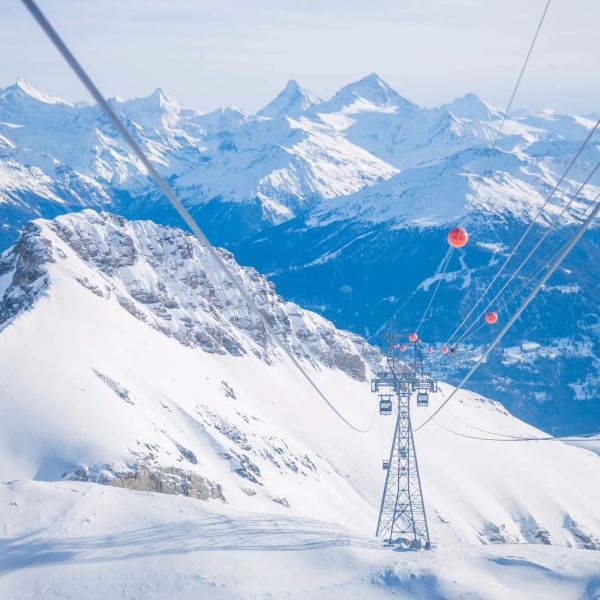
Crans-Montana 2027 World Championships President Resigns Ahead of Fraud Hearing
Less than four months out from the Crans-Montana 2027 World Championships, the man running the organising committee has stepped down. Claude-Alain Schmidhalter resigned as Swiss-Ski vice president and OC president after being indicted over a business dispute unrelated to skiing. He denies the allegations and faces court on October 27. Interim leaders are in place for the February 1-14 event.
9 Oct 2026
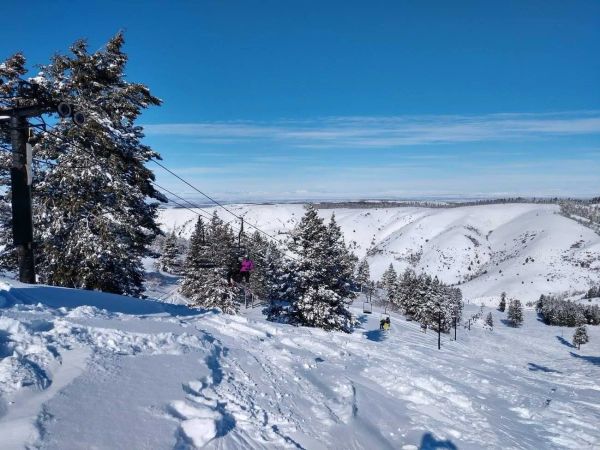
Kelly Canyon, Idaho, Adds Snowmaking, a Bigger Terrain Park and More Parking for 2026-27
Kelly Canyon had a rough 2025-26, and the Idaho resort has spent the summer making sure it doesn’t repeat. Snowmaking now reaches the top of Goldrush, the terrain park is doubling in size with a stereo system, lights and a snack shack, and the car park is getting bigger. Grooming is stepping up too. Target opening is December 4, conditions permitting.
9 Oct 2026
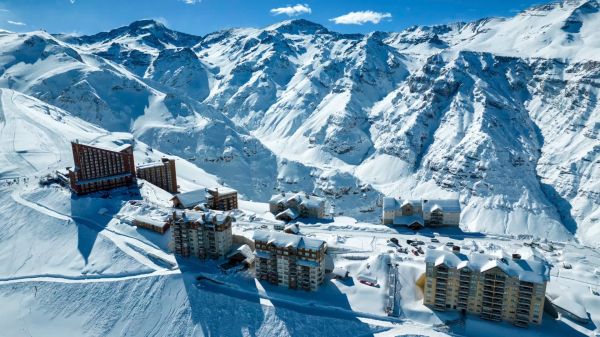
Valle Nevado Extends Season to November 8 After 108 cm in 48 Hours
Winter was meant to be winding down in Chile. Then Valle Nevado took 108 cm in 48 hours in early October, and the resort has pushed its closing date out to November 8 - its latest in 38 years of operation. That makes 143 days of skiing since opening day on June 19, with 690 cm banked for the season. Only part of the mountain is running while the storm settles, so check the mountain report before you plan a trip.
9 Oct 2026
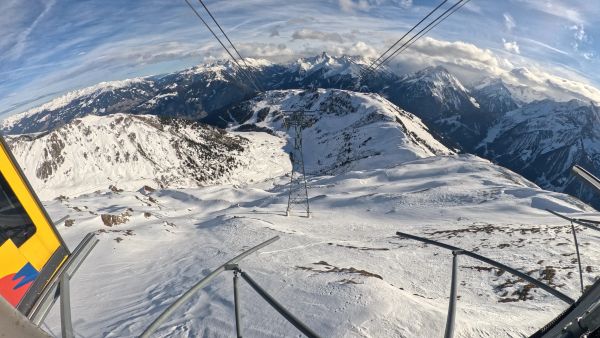
Alps Snow Forecast: Cold Front Brings Thursday Snow to the High Alps
The Alps look a lot more like winter today, for a day or so. A cold front is moving west to east, dropping up to 35 cm on high glaciers and peaks, with snow levels falling to around 1,500-1,800 m at times. Don’t plan a trip around it: mid-elevation snow will be thin and wet, every area is closed bar a limited Sölden glacier opening tomorrow, and warmer weather returns by Monday.
8 Oct 2026
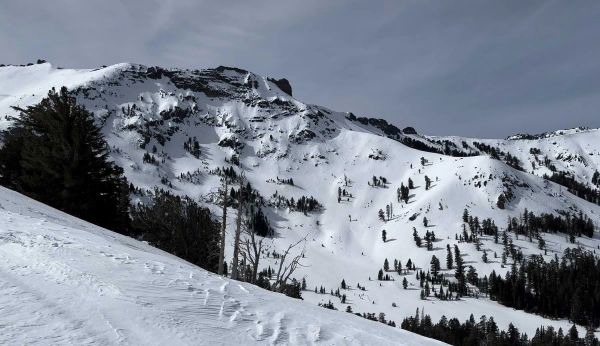
California Ski Resort Opening Dates 2026-27: Mammoth Leads, Tahoe Follows
Mammoth Mountain is first up in California, targeting Friday 13 November after a dusting of September snow. Heavenly and Northstar follow on 20 November, Palisades Tahoe on Wednesday 25 November and Sugar Bowl on 27 November, with Kirkwood on 4 December and June Mountain on 19 December. Plenty of smaller areas have no date yet. A super El Niño favours the Sierra, but a warmer storm track is the catch.
7 Oct 2026
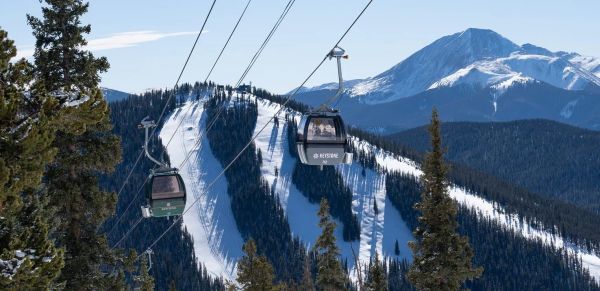
Colorado Ski Resort Opening Dates 2026-27: A-Basin and Keystone Race to Be First
Arapahoe Basin, Keystone and Winter Park are all chasing an October start, though none has a firm date yet. The first dated openers are Breckenridge and Copper on Friday 6 November, then Vail on 13 November, with most of the rest bunched around US Thanksgiving. Hesperus did not open at all last season. A super El Niño offers hope but no guarantee, and forecasters say the southern mountains have the better odds.
5 Oct 2026
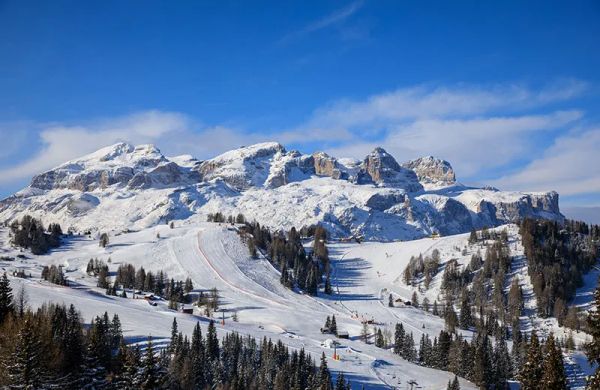
Dolomiti Superski 2026-27: Four New Gondolas, New Reservoirs and an €89 Peak Day Pass
Dolomiti Superski is spending around €100 million across its 12 areas before winter. Kronplatz gets a new 10-passenger gondola with a middle station, 3 Zinnen gets Helmissimo, and Val di Fassa swaps a chairlift for a gondola above Col Valvacin. New water-storage basins and upgraded snowmaking follow, and construction has started on the San Martino to Passo Rolle link. A peak adult day pass is €89.
4 Oct 2026
Hakuba 47 Lift System
Hakuba 47 operates 6 lifts comprising 1 eight-person gondola, 1 detachable quad chairlift, 1 detachable double chairlift and 3 fixed-grip double chairs. The express gondola rises from the 820-metre base to mid-mountain, serving as the primary uphill artery. Most days see only 4 lifts operating as Line D runs parallel to another chair and opens during peak periods or gondola wind-holds.
Quad Lift Line-C accesses the upper mountain whilst High Speed Chair Lift Line-E services the summit at 1,614 metres. The A-B pair lift dedicated to the terrain park minimises queues for freestyle progression. The gondola connects to Goryu's terrain at the top station, linking to an additional 11 chairlifts and 1 gondola on the same pass.
The lift layout concentrates infrastructure efficiently across the compact terrain with minimal bottlenecks. The detachable quad and express gondola move skiers quickly through the 794-metre vertical. Wind can force gondola closures, shrinking accessible terrain significantly when upper lifts shut down.
The resort installed the eight-person gondola to handle base-to-summit transport efficiently. No major lift upgrades have been announced for recent seasons. The compact lift network suits the terrain scale and rarely generates significant queues outside Japanese holiday periods.
0lifts across 0 types
Hakuba 47 lift system
Hakuba 47 is served by a network of lifts, listed here by type. Check which lifts are turning against the live conditions before you plan your first laps - early lifts and high-speed chairs get you to the best snow fastest.
More Hakuba 47 intelligence: trail map, snow report, webcams, resort overview.