
The Overview
Michael Fulton
Melbourne-based skier and snowboarder with 50+ resorts across 5 continents. Specialises in Australian resorts and international resort comparisons.
Madarao operates across 440 vertical metres from 910 to 1350 metres elevation with 44 runs spread over 125 hectares of skiable terrain. The resort receives 10 to 13 metres of annual snowfall and maintains 60% of courses ungroomed, creating a dedicated powder focus that sets it apart in northern Nagano. A combined Mountain Pass grants access to neighbouring Tangram Ski Circus, doubling the available terrain to 51 courses served by 14 lifts between the two areas.
Terrain divides 30% beginner, 35% intermediate, 30% advanced, and 5% expert across the bowl-shaped mountain. Named tree runs include Powder Wave, Powder Wave II, Powder Theatre, Crystal Bowl, Ninja, and Usagi, with 12 designated gladed zones forming one of Japan's largest in-bounds tree skiing networks. Crystal Bowl delivers the steepest pitch at 36 degrees, whilst the longest run extends 2500 metres from summit to base. Madarao hosted Japan's first Freestyle Skiing Competition and retains terrain parks with rails, boxes, kickers, and a natural halfpipe feature.
The base village spreads loosely around Madarao Kogen Hotel with a mix of pensions, lodges, and rider-owned accommodation. Three English-speaking ski schools operate on-mountain, including North Nagano Outdoor Sports, Madarao Sports Academy, and Action Snow Sports. The northern aspect protects snow quality through the season, and weekday crowds remain light despite growing international awareness. Children aged 12 and under ski free, and on-mountain dining includes Restaurant Tirol, Restaurant Heidi, and several cafeterias serving ramen, curry, and Japanese set meals.
The NAGANO6 Powder Dream Pass covers Madarao, Tangram, Shiga Kogen, Nozawa Onsen, Ryuoo, and Togakushi for multi-resort exploration. The 2025-2026 season runs 5 December to 29 March, offering 115 operating days. Madarao suits powder-focused intermediates through to advanced tree skiers, families benefiting from free children's lift access, and riders seeking a relaxed village atmosphere with consistent Japow conditions.
440m
Vertical
44
Runs
309 acres
Skiable
13m
Annual snow
The Terrain
44 runs across 309 acres skiable
Madarao is a 44-run mountain in Nagano Prefecture, running from 910 metres to 1,350 metres for a 440-metre vertical spread over 125 hectares. Terrain is spread evenly, with 30% beginner, 35% intermediate, 30% advanced and 5% expert. The 14 lifts include four quad chairs, six doubles, three triples and a single, enough to keep lines short on most days. Madarao has built its reputation on forest skiing, with a large network of natural tree runs threaded between the groomed pistes. It is a wide, friendly area where skiers who like variety will find plenty to explore over several days.
Look for the named tree zones such as Ninja, a sidecountry-style area, Sawa, a natural half-pipe gully, and gentler glades including Crystal Bowl, Usagi and Riverline, where slopes sit in a moderate pitch. Madarao links to neighbouring Tangram on a shared pass, which widens the choice of runs. Night skiing runs on selected dates through winter, so check the calendar before relying on it. This is a good match for intermediates stepping into trees for the first time, and for advanced skiers who want gladed terrain with an easy escape back to groomed runs. Wear a helmet in the forest zones.
Terrain split
44
runs
44 runs across 4 grades
Beginner13 runs · 30%
Intermediate15 runs · 35%
Advanced13 runs · 30%
Expert2 runs · 5%
Time it right
When to visit Madarao
The 2025-2026 season operates 5 December 2025 to 29 March 2026, delivering 115 lift-served days across mid-winter and spring conditions. Historical opening ranges from mid-December, with closing dates extending into late March depending on snowpack. Lift hours run 08:30 to 16:30 daily, with night skiing available 16:30 to 21:00 on Saturdays, New Year's Eve, and select January through March weekends.
Annual snowfall averages 10 to 13 metres, with the northern aspect and bowl topography concentrating storm deposits and protecting powder quality from wind degradation. Base depths build reliably through January and February, the peak powder months when Japan's northwest storm track delivers frequent dumps. The modest 1350-metre summit elevation limits high-alpine snowpack but ensures excellent base-area snow quality without the rain-snow line issues affecting taller peaks. Snowmaking supplements natural coverage on lower runs, though the resort's reputation centres on natural powder preservation.
January and February offer the deepest and most consistent powder conditions, with regular storm cycles refreshing the ungroomed zones that define Madarao's character. March transitions to spring snow with warmer temperatures, softer surfaces, and longer daylight, though north-facing tree runs often hold quality through closing. Weekdays between storm cycles provide the quietest conditions for lapping freshly gladed terrain without competition.
The resort hosts New Year's Eve fireworks and night skiing, plus the Dondoyaki Fire Festival in early January celebrating traditional mountain culture. Weekend night skiing illuminates select runs through mid-March. Spring events and closures vary annually based on snowpack, with some lifts ceasing operations by late March whilst core infrastructure remains open through 29 March 2026.
Season 2026 - 2027
12 Dec 2026
Opens
28 Mar 2027
Closes
106
Days open
13 m
Annual snow
Getting there
Getting to Madarao, and where to stay
Madarao sits on the Nagano-Niigata prefectural border in northern Nagano, with the base village at 910 metres in Iiyama City and upper slopes extending into Myoko City, Niigata Prefecture. The resort occupies the northeastern flank of 1382-metre Mount Madarao between the Chikuma River valley and the Myoko volcanic range. Clear-day views extend northwest to Mount Myoko and the Japan Sea, with the snow-covered peaks of the northern Japanese Alps filling the southern horizon.
Iiyama City lies 11 kilometres east of the resort, a former castle town established by warlord Uesugi Kenshin in 1564 during Japan's Warring States period. Novelist Toson Shimazaki called Iiyama "snow country's little Kyoto" for its 20-plus temples lining the historic Atago district and traditional gangi-roofed streets. Nozawa Onsen sits 40 minutes southwest, Myoko Kogen 40 minutes west, and Shiga Kogen 90 minutes south, positioning Madarao as a hub for multi-resort itineraries across northern Nagano and Niigata.
Road access follows Route 117 north from Nagano City for 38 kilometres, then climbs via local roads for the final 11 kilometres to Madarao Kogen. The Joshinetsu Expressway runs parallel to the west, with the Toyota-Iiyama interchange providing expressway access approximately 20 kilometres from the resort. Nagano City sits 40 kilometres southwest, whilst Tokyo lies 275 kilometres southeast via the Chuo and Nagano expressways, a 3.5 to 4-hour drive requiring winter tyres and chains during storms.
Iiyama Station on the Hokuriku Shinkansen provides the primary gateway, 110 minutes from Tokyo Station and 30 minutes from Nagano. Local buses run 20 to 30 minutes from Iiyama Station to Madarao, with increased winter frequency serving ski traffic. Tokyo's Narita Airport sits approximately 3.5 hours away via Narita Express to Tokyo, then Hokuriku Shinkansen to Iiyama, whilst Haneda Airport requires monorail connection to Tokyo Station before the same shinkansen routing. Direct airport shuttles operate in winter, eliminating transfers for door-to-resort convenience.
Where to stay
Search all stays →Hotels and lodges near Madarao, powered by Stay22.
Latest News
From the SnowStash desk

Vermont Ski Resort Opening Dates 2026-27: Few Dates Set, Killington Waits on the Cold
Vermont's season is slow to take shape. Stratton is tentatively targeting 18 November and Sugarbush 21 November, while Pico has Friday 11 December on the calendar. Killington never sets a date and opens when the snowmaking allows, and Vail Resorts has yet to name days for Stowe, Okemo and Mount Snow. The forecasts disagree about snow, and the main El Niño worry for the Green Mountains is warmth.
9 Oct 2026
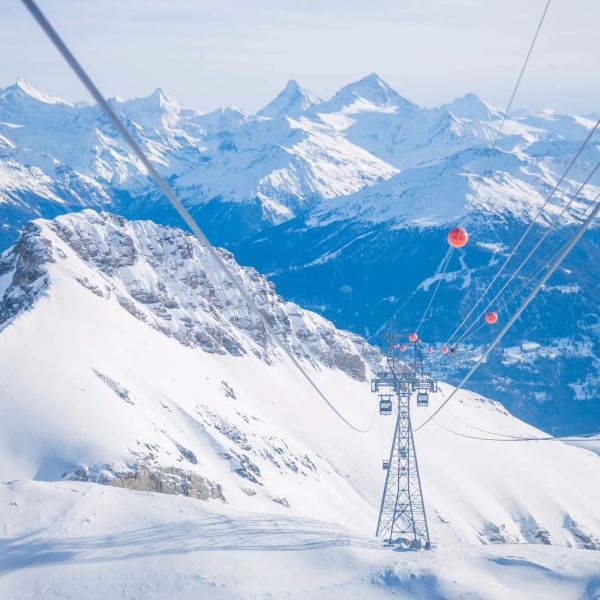
Crans-Montana 2027 World Championships President Resigns Ahead of Fraud Hearing
Less than four months out from the Crans-Montana 2027 World Championships, the man running the organising committee has stepped down. Claude-Alain Schmidhalter resigned as Swiss-Ski vice president and OC president after being indicted over a business dispute unrelated to skiing. He denies the allegations and faces court on October 27. Interim leaders are in place for the February 1-14 event.
9 Oct 2026
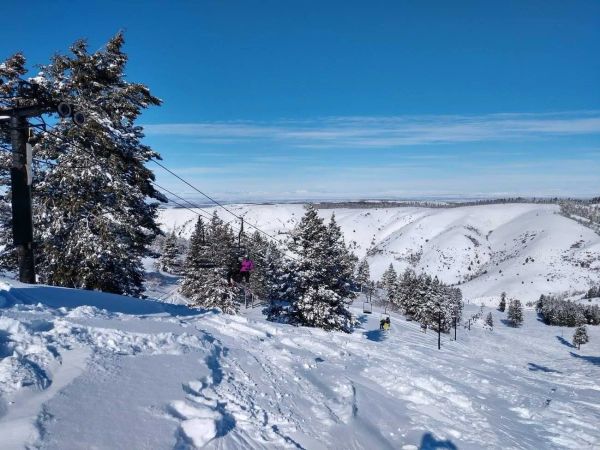
Kelly Canyon, Idaho, Adds Snowmaking, a Bigger Terrain Park and More Parking for 2026-27
Kelly Canyon had a rough 2025-26, and the Idaho resort has spent the summer making sure it doesn’t repeat. Snowmaking now reaches the top of Goldrush, the terrain park is doubling in size with a stereo system, lights and a snack shack, and the car park is getting bigger. Grooming is stepping up too. Target opening is December 4, conditions permitting.
9 Oct 2026
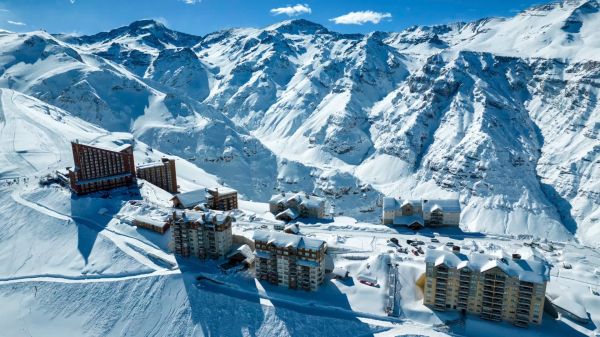
Valle Nevado Extends Season to November 8 After 108 cm in 48 Hours
Winter was meant to be winding down in Chile. Then Valle Nevado took 108 cm in 48 hours in early October, and the resort has pushed its closing date out to November 8 - its latest in 38 years of operation. That makes 143 days of skiing since opening day on June 19, with 690 cm banked for the season. Only part of the mountain is running while the storm settles, so check the mountain report before you plan a trip.
9 Oct 2026
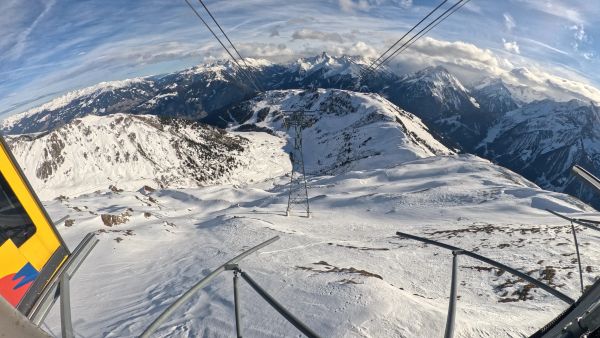
Alps Snow Forecast: Cold Front Brings Thursday Snow to the High Alps
The Alps look a lot more like winter today, for a day or so. A cold front is moving west to east, dropping up to 35 cm on high glaciers and peaks, with snow levels falling to around 1,500-1,800 m at times. Don’t plan a trip around it: mid-elevation snow will be thin and wet, every area is closed bar a limited Sölden glacier opening tomorrow, and warmer weather returns by Monday.
8 Oct 2026
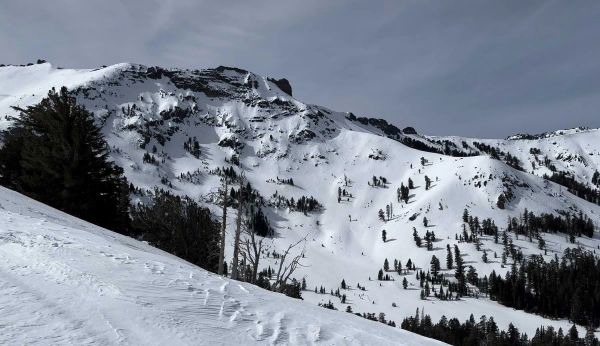
California Ski Resort Opening Dates 2026-27: Mammoth Leads, Tahoe Follows
Mammoth Mountain is first up in California, targeting Friday 13 November after a dusting of September snow. Heavenly and Northstar follow on 20 November, Palisades Tahoe on Wednesday 25 November and Sugar Bowl on 27 November, with Kirkwood on 4 December and June Mountain on 19 December. Plenty of smaller areas have no date yet. A super El Niño favours the Sierra, but a warmer storm track is the catch.
7 Oct 2026
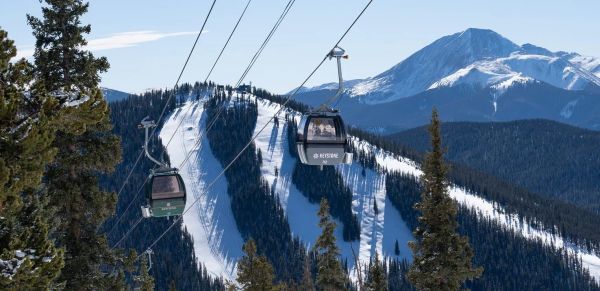
Colorado Ski Resort Opening Dates 2026-27: A-Basin and Keystone Race to Be First
Arapahoe Basin, Keystone and Winter Park are all chasing an October start, though none has a firm date yet. The first dated openers are Breckenridge and Copper on Friday 6 November, then Vail on 13 November, with most of the rest bunched around US Thanksgiving. Hesperus did not open at all last season. A super El Niño offers hope but no guarantee, and forecasters say the southern mountains have the better odds.
5 Oct 2026
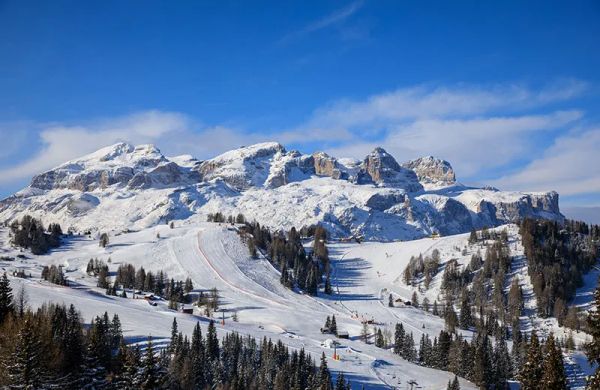
Dolomiti Superski 2026-27: Four New Gondolas, New Reservoirs and an €89 Peak Day Pass
Dolomiti Superski is spending around €100 million across its 12 areas before winter. Kronplatz gets a new 10-passenger gondola with a middle station, 3 Zinnen gets Helmissimo, and Val di Fassa swaps a chairlift for a gondola above Col Valvacin. New water-storage basins and upgraded snowmaking follow, and construction has started on the San Martino to Passo Rolle link. A peak adult day pass is €89.
4 Oct 2026