TL;DR
Lotte Arai receives 22 metres of annual snowfall - exceptional even by Japanese standards - but its corporate ownership model and limited terrain create an unusual cost-benefit equation. Here's what the numbers actually mean on the ground.
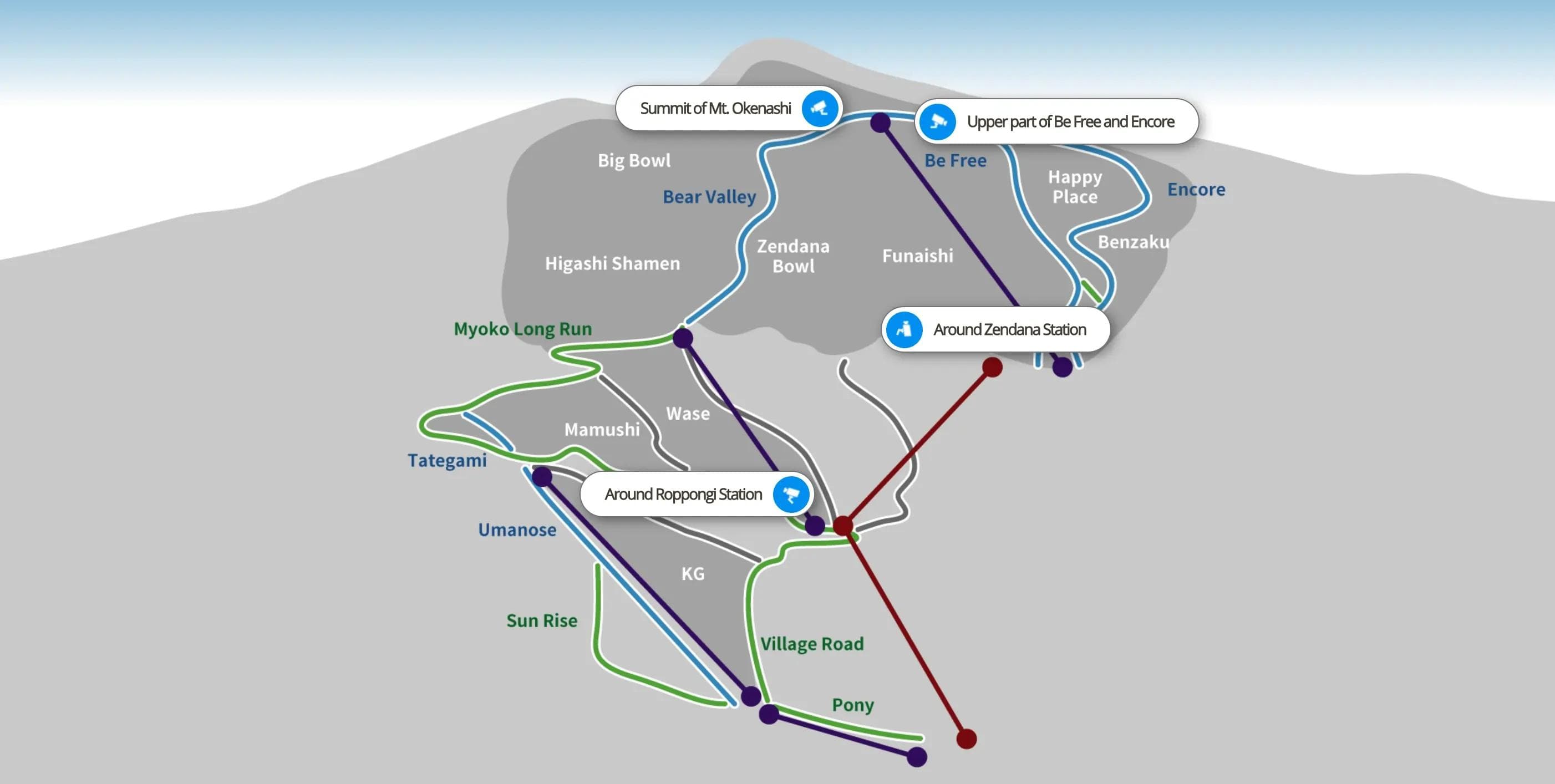
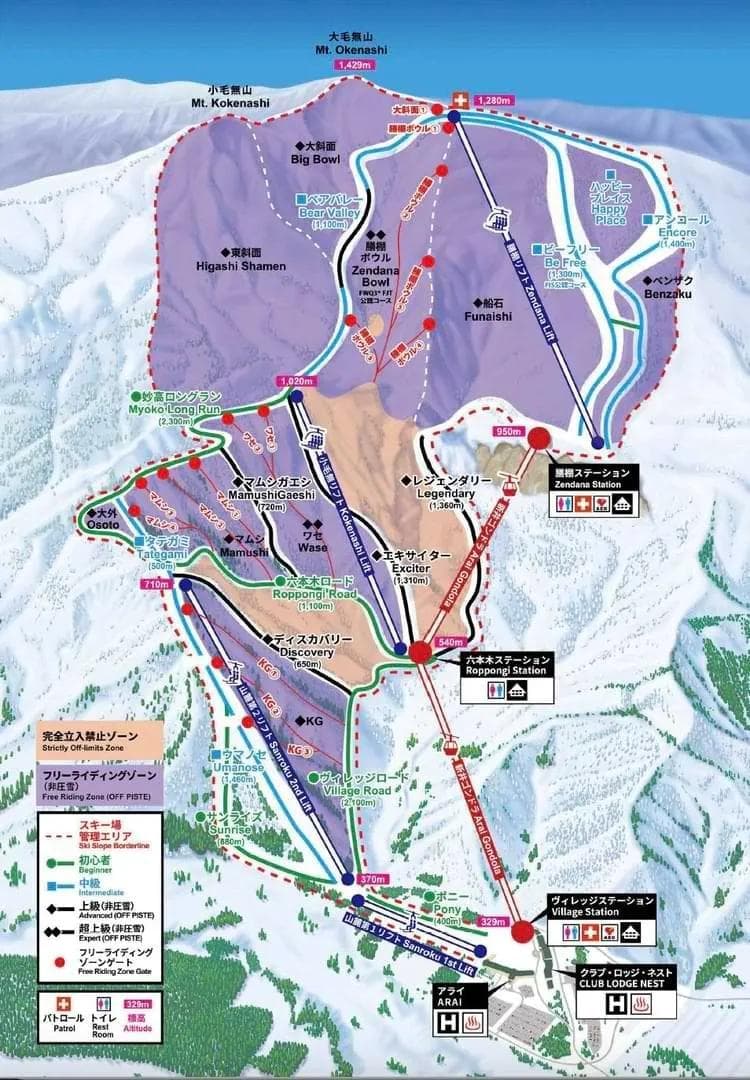
Lotte Arai occupies a strange position in Japan's ski resort ecosystem. Owned by the South Korean retail conglomerate since 2017, it represents a corporate hospitality model grafted onto Japanese powder terrain - complete with 22 metres of average annual snowfall but only 14 runs spread across 1,100 vertical metres. The math doesn't quite add up in the usual way.
The resort sits in Niigata Prefecture's Myoko region, historically known for deep snow and minimal infrastructure. Lotte's investment brought significant capital improvements, but the trade-off has been pricing and access policies more reminiscent of exclusive North American destination resorts than typical Japanese ski areas.
Lotte Arai Mountain Overview
The terrain splits into thirds: 36% beginner, 36% intermediate, 20% advanced, 8% expert. For a resort receiving this much snowfall, that's a conservative distribution. The 1,100-metre vertical drop runs from 329 metres at base to 1,429 metres at summit - decent by regional standards, though the 14 total runs mean you'll repeat terrain frequently.
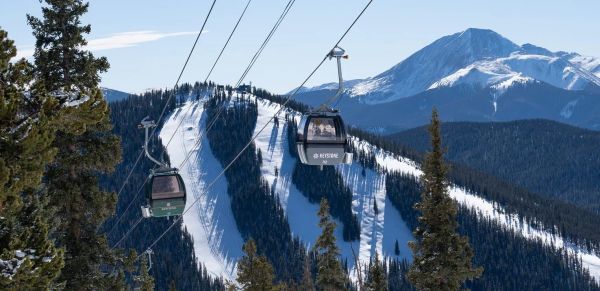
Six lifts service the mountain. No gondola, no high-speed quads in the current configuration - this is relatively slow uphill transport by modern Japanese standards. Lift capacity constraints can create queues during peak periods, particularly problematic given the resort's positioning as a premium product.
The 22-metre annual snowfall average puts Lotte Arai in the top tier of Japanese resorts for snow volume. Current season data shows 1,538 centimetres total with 379-centimetre base depth - those numbers reflect the genuine article. The terrain limitation means this snow gets tracked quickly on popular runs, though the resort does offer guided off-piste tours when conditions allow.