News category
Latest in Resort Spotlight

Resort Spotlight: Hoshino Tomamu - Corporate Japan's Mountain Playground Revisited
Hoshino Tomamu is the ski resort equivalent of a conference hotel that happens to have excellent powder. Built for corporate retreats and package tourists, it offers genuine Hokkaido snow on surprisingly limited terrain - 29 runs spread across 585 vertical metres.
Michael Fulton

Resort Spotlight: Lotte Arai - Japan's Corporate Ski Anomaly With 22 Metres of Annual Snowfall
Lotte Arai receives 22 metres of annual snowfall - exceptional even by Japanese standards - but its corporate ownership model and limited terrain create an unusual cost-benefit equation. Here's what the numbers actually mean on the ground.
Michael Fulton

Resort Spotlight: Banff Sunshine Village - Nine Metres of Snow and a Season That Runs Until May
Banff Sunshine Village sits at 1,660m base and receives 9.27m of snow annually. Inside Banff National Park, it offers a six-month season and terrain split that skews heavily advanced - though the crowds and lift infrastructure tell their own story.
Michael Fulton

Resort Spotlight: Magic Mountain - Vermont's Co-op Mountain Runs on Volunteer Spirit
Magic Mountain is the only skier-owned co-operative in the Northeast, running on volunteer labour and refusing snowmaking entirely. It's an unusual model that produces equally unusual skiing.
Michael Fulton

Resort Spotlight: Cannon Mountain - Why New Hampshire's State-Owned Mountain Skis Steeper Than Most
Cannon Mountain doesn't pretend to be something it isn't. Since 1938, this state-owned operation has offered steep fall-line skiing without the amenities or price tag of private resorts. For skiers who value terrain over convenience, that trade-off still makes sense.
Michael Fulton

Resort Spotlight: Manganui - New Zealand's Most Affordable Mountain
At NZ$50 for an adult day ticket, Manganui undercuts every commercial ski area in New Zealand by a significant margin. The catch? This North Island club field operates on a volcano with precisely four lifts and a five-week season.
Michael Fulton

Resort Spotlight: Arber - Bavaria's Highest Resort Without the Alpine Crowds
Arber bills itself as the Bavarian Forest's premier ski destination, which sounds optimistic until you realise it's also the only proper resort in the region. At 406 vertical metres and 11.5km of trails, this is weekend skiing territory - but that doesn't mean it isn't worth considering.
Michael Fulton

Resort Spotlight: Sapporo Kokusai - The Pragmatic Powder Stop Near Sapporo
Sapporo Kokusai trades scale for convenience - 18 metres of annual snowfall and genuine Hokkaido powder, all within an hour of Sapporo's city centre. For those with limited time or budget constraints, it's a reasonable compromise.
Michael Fulton

Resort Spotlight: Mont Sainte Anne - Eastern Canada's Vertical Heavyweight Gets the Fundamentals Right
With 625 metres of vertical and one of eastern North America's longest seasons, Mont Sainte Anne has the raw numbers. But does Quebec's resort-dense market force it to compete on more than just stats?
Michael Fulton

Resort Spotlight: Savognin - Switzerland's Least Pretentious Ski Valley
Savognin sits in Switzerland's Surses valley with 1,545 metres of vertical and none of the Engadine's inflated pricing. The terrain split heavily favours intermediates, but the vertical drop and consistent snowfall make it worth consideration if you're shopping the Grisons region.
Michael Fulton

Resort Spotlight: Hindelang Oberjoch - Germany's Highest Village Offers Reliable Intermediate Terrain
At 1,200 metres, Oberjoch claims the title of Germany's highest mountain village, which matters more for marketing than actual skiing. What does matter: 32 kilometres of well-maintained intermediate terrain, substantial snowmaking, and a notably lower-key atmosphere than the Bavarian circus further east.
Michael Fulton

Resort Spotlight: Okemo - Where New England Families Actually Want to Ski
Okemo bills itself as family-friendly with world-class terrain, but the peak day ticket approaches $240. We look at what 670 vertical metres, 20 lifts, and Vermont's most extensive snowmaking actually deliver for intermediate skiers and families willing to pay Northeast premium rates.
Michael Fulton

Resort Spotlight: Vail - America's Corporate Flagship Resort, Assessed Without the Hype
Vail's name recognition is global, but the reality on the ground is more nuanced than the marketing suggests. With 195 runs across 5,289 acres, the mountain delivers scale and variety - at a price point that demands scrutiny.
Michael Fulton

Resort Spotlight: Treble Cone - New Zealand's Steepest Field and Why Four Lifts Are Enough
With 700 vertical metres and 45% of terrain rated expert or advanced, Treble Cone markets itself as New Zealand's steepest ski field. Four lifts accessing 40 runs seems modest until you realise most of those runs are broad, ungroomed faces where you choose your own line.
Michael Fulton

Resort Spotlight: Boí Taüll - High-Altitude Skiing in the Catalan Pyrenees
Spain's highest ski resort sits at 2,035 metres base elevation in the Catalan Pyrenees. Boí Taüll trades extensive terrain for altitude and a longer potential season - a calculated bet on reliable snow when lower resorts struggle.
Michael Fulton

Resort Spotlight: Kreuzberg - Bavaria's Low-Key Alternative to the Alpine Circus
Kreuzberg delivers something increasingly rare in German skiing - uncrowded slopes at sensible prices. This Rhön Mountains resort offers 318 metres of vertical across 13 kilometres of trails, targeting families and intermediates who've had enough of Alpine weekend queues.
Michael Fulton

Resort Spotlight: Windham - East Coast Skiing Two Hours from Manhattan
Windham delivers 488 metres of vertical and genuine intermediate terrain just two hours from Manhattan. The trade-off for convenience is crowds on weekends and lift ticket prices that rival larger Western resorts.
Michael Fulton

Resort Spotlight: Elm im Sernftal - Switzerland's Quietly Impressive Family Resort in the Sernf Valley
Elm im Sernftal offers something increasingly rare in the Swiss Alps: legitimate vertical drop without the crowds or price tag of major resorts. With 40km of trails spread across 1,085 metres of elevation, it's a solid mid-sized option in the Glarus region.
Michael Fulton

Resort Spotlight: Hakuba Cortina - Hakuba's Tree Skiing Haven That Cruise Ship Crowds Miss
Hakuba Cortina sits at the quieter end of the valley with 12 metres of annual snowfall and genuinely excellent tree skiing. The trade-off for fewer crowds is modest vertical and a lift system that feels more 1990s than 2020s.
Michael Fulton

Resort Spotlight: LAAX - Where Switzerland's Freestyle Culture Meets Serious Terrain
LAAX built its reputation on terrain parks and freestyle culture, but the resort's 214 kilometres of trails and 1,918-metre vertical drop tell a more complete story. The question is whether the park-forward identity still defines the experience.
Michael Fulton

Resort Spotlight: Hoch-Ybrig - Central Switzerland's Low-Key Family Alternative
Hoch-Ybrig sits an hour from Zürich with 50 kilometres of pistes and none of the crowds that plague bigger Swiss resorts. It's a workable option for families and intermediates who prioritise convenience and groomed runs over vertical or challenging terrain.
Michael Fulton

Resort Spotlight: Arapahoe Basin - Colorado's High-Altitude Season Stretcher
Arapahoe Basin runs when other resorts don't - opening in October and frequently skiing into June. But this high-altitude workhorse trades amenities for snowfall and challenging terrain that skews heavily expert.
Michael Fulton

Resort Spotlight: Ordino Arcalís - Andorra's Northern Outpost Puts Terrain Ahead of Village Charm
Ordino Arcalís sits in Andorra's northwest corner, trading après-ski polish for terrain that actually challenges. With 685 vertical metres and nearly 6 metres of annual snowfall, this is where Andorra's serious skiers come when the lower resorts turn slushy.
Michael Fulton

Resort Spotlight: Les Mosses - Family-Friendly Swiss Skiing Without the Altitude or the Hype
Les Mosses sits in the Vaud Alps with 40 kilometres of exclusively beginner and intermediate terrain spread across 495 vertical metres. This is Swiss skiing for families who want reliable conditions without fighting lift queues or navigating expert-only couloirs.
Michael Fulton

Resort Spotlight: Arabba Marmolada - The Dolomiti Superski's Quiet Gateway to Endless Cruising
Arabba Marmolada sits at the intersection of the Sella Ronda circuit and access to the Marmolada glacier. With 1,823 metres of vertical and direct links into the Dolomiti Superski, it's a base village that prioritises ski touring over après.
Michael Fulton

Resort Spotlight: Aspen Buttermilk - The Smartest Learning Mountain in North America
Buttermilk doesn't pretend to be Aspen's big mountain - it's the area's designated learning terrain with 35% beginner runs. But look past the marketing and you'll find a properly designed progression mountain with enough intermediate and park terrain to justify the Aspen price tag.
Michael Fulton

Resort Spotlight: Adelboden/Lenk - Where the Bernese Oberland Meets the Beginner's Plateau
This linked Bernese Oberland resort spreads 86 kilometres of trails across classic Swiss villages, with over half the terrain marked for beginners. The statistics raise questions about whether there's enough here for accomplished skiers.
Michael Fulton

Resort Spotlight: Greek Peak - Central New York's Family Ski Tradition Examined
Greek Peak's 290 metres of vertical won't impress anyone coming from the Rockies, but its position 40 minutes from Syracuse and aggressive snowmaking programme have sustained a family ski operation here since 1958. Here's what the numbers actually mean on the ground.
Michael Fulton

Resort Spotlight: Saas Fee - The Glacier Resort That Opens in July
Saas Fee runs one of Europe's most extensive summer ski operations on the Fee Glacier, then expands to 100 kilometres of terrain when winter arrives. The car-free village and high-altitude setting create a specific type of resort experience that suits some skiers better than others.
Michael Fulton

Resort Spotlight: Arizona Snowbowl - The Desert's Unexpected Lift-Served Vertical
Arizona Snowbowl operates 701 vertical metres on the San Francisco Peaks above Flagstaff, claiming 6.6 metres of annual snowfall whilst running comprehensive snowmaking. The question isn't whether you can ski in Arizona - it's whether you should.
Michael Fulton

Resort Spotlight: Steamboat - Colorado's Champion Powder Machine Beyond the Front Range
Steamboat sits 157 miles from Denver in Colorado's Yampa Valley, claiming over eight metres of annual snowfall and a terrain split that heavily favours intermediates and advanced skiers. The distance from the Front Range keeps crowds manageable while the northwest location delivers consistent storms.
Michael Fulton

Resort Spotlight: Tazawako - Japan's Deep North Delivers 11 Metres of Snow Without the Crowds
Tazawako sits in Tohoku, the region that makes Hokkaido look like a weekend destination for Tokyo. With 11 metres of average annual snowfall and six lifts serving 13 runs, it's the sort of place that makes you question whether you actually need more terrain when the snow keeps falling.
Michael Fulton

Resort Spotlight: Todtnauberg - Black Forest Skiing Without the Crowd
Todtnauberg delivers 400 vertical metres of intermediate skiing in the Black Forest, backed by cross-country trails and woodland hiking. The terrain is modest, but the location works for families avoiding the Alps pricing.
Michael Fulton

Resort Spotlight: Wendelstein - Bavaria's Cogwheel Railway Ski Area
Wendelstein runs six trails accessed by a cogwheel railway built in 1912. The 932-metre vertical drop and north-facing aspect make this 11km Bavarian ski area worth considering for anyone within day-trip range of Munich.
Michael Fulton

Resort Spotlight: Dachstein West - Austria's Family-Focused Intermediate Playground
Dachstein West runs 48 lifts across 51km of terrain - an unusual ratio that hints at this Austrian resort's real character. With 65% intermediate terrain and a family-focused infrastructure, it's built for a specific market segment.
Michael Fulton

Resort Spotlight: Grands Montets (Chamonix) - Chamonix's Steep Learning Curve
Grands Montets offers 1,513 metres of vertical in the Chamonix Valley, with nearly half its terrain marked advanced or expert. The catch: when it's good, it's very good - but this is a mountain that closes sectors regularly, and you'll need to plan around both weather and lift operations.
Michael Fulton

Resort Spotlight: Whistler Blackcomb - Does North America's Largest Resort Live Up to the Numbers?
With 8,171 acres across two mountains and 305 runs, Whistler Blackcomb's scale is undeniable. But does size translate to quality? We examine what the numbers mean on the ground, from lift infrastructure to terrain distribution, and whether the resort justifies its position in the ski industry hierarchy.
Michael Fulton

Resort Spotlight: Dodge Ridge - California's Family-First Alternative to Tahoe
Two hours from the Bay Area, Dodge Ridge delivers 67 runs across 487 vertical metres without the Tahoe circus. This family-owned resort trades celebrity sightings and queues for accessible terrain and lift tickets that won't require a second mortgage.
Michael Fulton

Resort Spotlight: Mad River Glen - Where Co-Op Ownership Meets Old-School Terrain
Mad River Glen operates under a business model almost unheard of in modern skiing: it's owned by its skiers. This co-operative structure, combined with a strict natural-snow policy and the last operating single chairlift in the US, creates something genuinely different in Vermont's crowded ski market.
Michael Fulton

Resort Spotlight: Hörnle – Bad Kohlgrub - Bavaria's Family-Scale Alternative to the Garmisch Crowds
This small Bavarian resort delivers exactly what its stats suggest: straightforward skiing on nine kilometres of primarily beginner terrain, served by two lifts. An honest look at who Hörnle works for and who should look elsewhere.
Michael Fulton

Resort Spotlight: Bankei Ski Area - Sapporo's 20-Minute Escape for Quick Powder Hits
Bankei Ski Area sits 20 minutes from central Sapporo with 283 vertical metres and eight metres of annual snowfall. It's Hokkaido's most accessible option for visitors based in the city, though the modest vertical and limited terrain mean it works best as a half-day supplement rather than a destination.
Michael Fulton

Resort Spotlight: Sapporo Teine - Hokkaido's Olympic Mountain Within Reach of the City
Sapporo Teine hosted downhill and slalom events at the 1972 Winter Olympics, and that Olympic pedigree remains visible in the terrain layout. The resort sits close enough to Sapporo that you can ski in the morning and eat ramen in Susukino by evening, which matters when you're weighing up Hokkaido options.
Michael Fulton

Resort Spotlight: Mt Olympus - Canterbury's Club Field That Kept the Gondola
Mt Olympus stands apart from Canterbury's typical club fields with its chairlift access and learner-friendly terrain. At 1,430m base elevation with 450m vertical drop, it splits the difference between true backcountry and commercial resort - though that comes with trade-offs.
Michael Fulton

Resort Spotlight: Hakuba 47 - North-Facing Terrain and Japan's Largest Snow Park
Hakuba 47 combines serious vertical terrain with Japan's most developed snow park infrastructure. The resort's north-facing aspect and Olympic-grade features make it worth considering if you prioritise terrain parks or late-season conditions over pure powder hunting.
Michael Fulton

Resort Spotlight: Pajarito Mountain - The Volunteer-Built Lab Town Ski Hill That Punches Above Its Weight
This volunteer-built ski area above Los Alamos delivers 439 vertical metres and genuinely challenging terrain at prices that seem lifted from another decade. Born from Manhattan Project scientists needing winter recreation, it still operates with a community-first ethos that's increasingly rare.
Michael Fulton

Resort Spotlight: Wildcat Mountain - New Hampshire's Most Honest Vertical
Wildcat Mountain doesn't pretend to be something it's not. With 644 metres of vertical drop and terrain that genuinely challenges, this White Mountains resort has spent nearly 70 years refusing to soften its edges for mass appeal.
Michael Fulton

Resort Spotlight: Golm Ski Resort - Vorarlberg's Family-Focused Alternative to Arlberg Chaos
Golm occupies an interesting position in Austria's Montafon Valley - substantial vertical drop and legitimate terrain spread, but deliberately pitched at families and developing skiers. Whether that's a weakness or strength depends entirely on what you're after.
Michael Fulton

Resort Spotlight: Willingen - Germany's Sauerland Workhorse Delivers More Than Expected
Willingen punches above its weight for a central German resort. With 260 vertical metres, extensive night skiing, and snowmaking across nearly every run, it's built for consistency rather than bragging rights.
Michael Fulton

Resort Spotlight: Arnsberg - Where the Ruhr Valley Goes Skiing
An hour from Dortmund, Arnsberg offers something increasingly rare in European skiing - genuinely modest ambitions. With 9.5 kilometres of predominantly beginner terrain and €21 day tickets, this is skiing stripped back to essentials.
Michael Fulton

Resort Spotlight: Schladming Dachstein - Austria's Racing Pedigree Meets Intermediate Heaven
Schladming Dachstein hosts night races under floodlights every January, but the World Cup circus tells only part of the story. This Styrian resort spreads 123 kilometres across four interconnected mountains with surprisingly little genuine challenge for the grade on the lift pass.
Michael Fulton

Resort Spotlight: Monterosa Ski - Three Valleys, One Pass, No Crowds
While skiers queue at Chamonix and Cervinia, Monterosa Ski's three valleys offer 132km of largely intermediate terrain spread across an impressive 2,063 metres of vertical. It's not a household name, which is precisely the point.
Michael Fulton

Resort Spotlight: Mont Orford - Quebec's Three-Peak Alternative an Hour from Montreal
Mont Orford spreads 44 runs across three connected peaks in Quebec's Eastern Townships, offering 589 metres of vertical an hour from Montreal. The question is whether this multi-mountain layout delivers enough variety to compete with the Laurentians.
Michael Fulton

Resort Spotlight: Mont Blanc - Quebec's Steepest Surprise Near Montreal
Mont Blanc offers 210 metres of vertical drop packed into a compact Laurentian footprint. With 55% of terrain rated advanced or expert and 3.5 metres of annual snowfall, this Quebec resort punches above its modest elevation.
Michael Fulton

Resort Spotlight: Whitefish Mountain - Montana's Terrain-Rich Alternative to the Rockies
Whitefish Mountain delivers 5.87 metres of annual snowfall and 717 vertical metres across genuinely challenging terrain, all within sight of Glacier National Park. Montana's alternative to the Colorado crowds comes with trade-offs worth understanding.
Michael Fulton

Resort Spotlight: Grand Targhee - Where Consistent Powder Matters More Than Marketing
Grand Targhee's 12-metre average snowfall is among North America's highest, though the resort's six lifts and western Wyoming location require trade-offs. Here's what 630 vertical metres of consistent powder actually delivers.
Michael Fulton

Resort Spotlight: Gunstock - New Hampshire's County-Owned Mountain With a Radical History
Gunstock's county ownership model made international headlines in 2022 when its entire board resigned over political interference. The drama aside, this Lakes Region resort offers surprisingly varied terrain for its size and convenient Boston access.
Michael Fulton

Resort Spotlight: Gitschberg Jochtal - South Tyrol's Family Favourite Without the Dolomite Price Tag
Gitschberg Jochtal occupies an odd spot in South Tyrol's ski map - too small to draw the Dolomiti Superski crowds, too well-groomed to be ignored. The 1,203-metre vertical spread across two valleys offers predictable intermediate terrain at prices roughly 15% below Kronplatz next door.
Michael Fulton

Resort Spotlight: Red Lodge Mountain - Montana's Authentic Alternative to Corporate Mega-Resorts
Red Lodge Mountain offers 732 metres of vertical and genuinely challenging terrain an hour from Billings, with day tickets topping out at $85. It's the sort of place where advanced skiers find proper steeps without the branded village nonsense.
Michael Fulton

Resort Spotlight: Crans Montana - Where Switzerland's Sunny Side Meets Serious Skiing
Crans Montana markets itself on sunshine and sophistication, but beneath the resort town polish lies 140 kilometres of genuinely varied skiing. Two hours from Geneva, this south-facing plateau delivers the unusual combination of reliable snow and 300 days of sun.
Michael Fulton

Resort Spotlight: Mt Ashland - Southern Oregon's Community Mountain and 265 Inches of Snowfall
Thirty minutes from Ashland, Mt Ashland runs on community ownership and 6.7 metres of annual snowfall. With half the terrain rated advanced or expert, this Southern Oregon mountain offers proper Pacific Northwest steeps without the crowds.
Michael Fulton

Resort Spotlight: Neuastenberg Postwiesen - Low-Altitude Skiing That Actually Works
At 730 metres summit elevation, Neuastenberg Postwiesen shouldn't work as a ski resort. Yet this Sauerland area 150km from Cologne has cracked the low-altitude code through aggressive snowmaking and realistic expectations about what it offers.
Michael Fulton

Resort Spotlight: Plose Brixen - South Tyrol's Sunny Side with Dolomite Views
Plose Brixen sits on the opposite side of the valley from the main Dolomite ranges, trading dramatic rock faces for south-facing slopes and wider views. It's a compact area above a proper town rather than a purpose-built resort village.
Michael Fulton

Resort Spotlight: Nesselwang Alpspitzbahn - Bavaria's Perfectly Scaled Family Resort
With just six runs spread across 563 vertical metres, Nesselwang Alpspitzbahn isn't trying to compete with Bavaria's larger operations. Instead, it delivers exactly what learning families need: uncrowded slopes, reasonable pricing, and terrain that builds confidence without intimidation.
Michael Fulton

Resort Spotlight: Mt Norquay - Banff's Original Mountain Still Punches Above Its Weight
Mt Norquay doesn't pretend to be a sprawling destination resort. With just five lifts serving 60 runs, it's compact by Rockies standards - but 503 vertical metres and a genuine 37% advanced terrain split tell a different story about what's on offer.
Michael Fulton

Resort Spotlight: Thredbo - Australia's Tallest Lift-Accessed Terrain and What 672 Metres Actually Gets You
At 2,037 metres summit elevation, Thredbo offers Australia's highest lift-accessed skiing and the country's most significant vertical drop. But with 2.5 metres average annual snowfall and a four-month season window, expectations need calibrating to southern hemisphere realities.
Michael Fulton

Resort Spotlight: Abetone - Where Tuscany Meets Serious Apennine Terrain
Straddling the Tuscan-Emilian border with 44 kilometres of terrain and 652 metres of vertical, Abetone offers something increasingly rare in Italian skiing: genuine terrain variety without Alpine pretensions. The resort's four-valley layout and moderate pricing make it worth considering if you're already in central Italy.
Michael Fulton
Latest News
More from the SnowStash desk
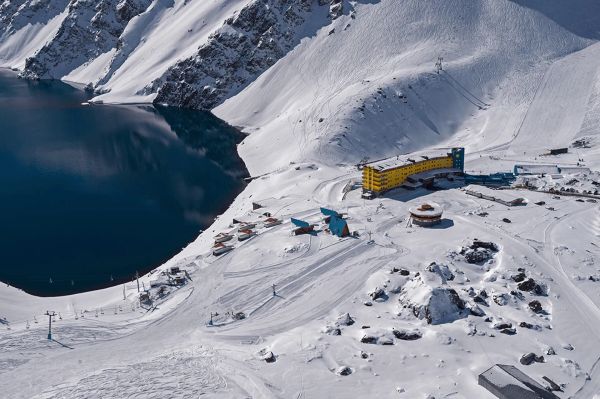
Four Dead After Avalanche Near Ski Portillo in Chile
A large avalanche struck near Laguna del Inca adjacent to Ski Portillo on Saturday afternoon, killing four people and injuring four others. The group were day visitors mountaineering in the backcountry after reportedly being warned about elevated avalanche risk by resort staff.
18 Oct 2026
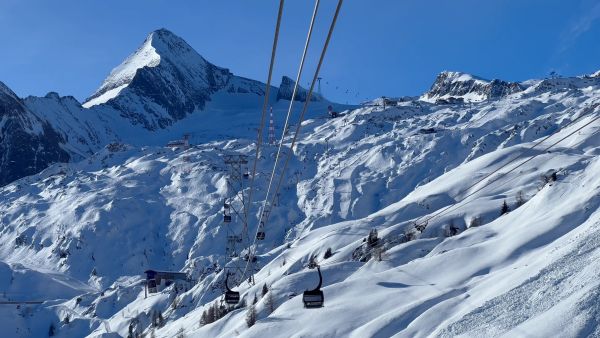
Europe Ski Resorts Open Now: What Is Skiable in Mid-October 2026
Europe’s ski season is open, technically. After a record-warm summer, glaciers in Austria, Switzerland and Italy are running a few pistes apiece, Sölden, Stubai and Kitzsteinhorn started late, Titlis has pushed back to 24 October, and Zermatt reopens a few lifts on 14 October after more than two months shut. Finland’s Levi and Ruka are skiing on stored snow. Here is what is open, and what you actually get at each.
14 Oct 2026
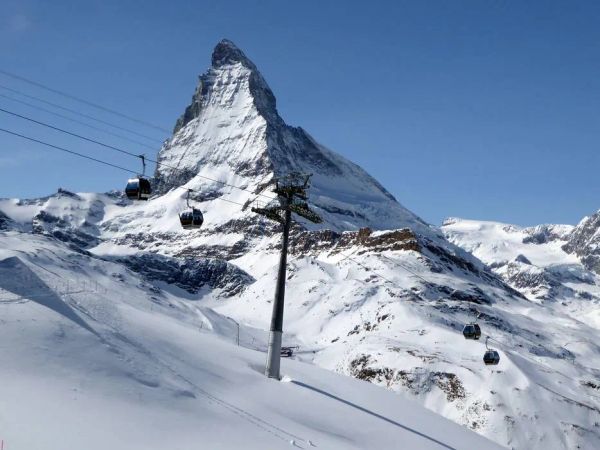
Zermatt Plans World Cup Downhill Return on the Gornergrat for 2028
Zermatt is having another crack at a World Cup downhill, and this time nobody has to cross a border. Around 13 million Swiss francs is going into rebuilding the Gornergrat piste, including a jump fed by a roughly 300-metre in-run across the roof of the Gornergrat Railway gallery, with the Matterhorn lined up behind it for the TV cameras. First men’s race is pencilled in for March 2028, pending FIS homologation.
14 Oct 2026
Mt. Rose Begins Snowmaking for the 2026-27 Season at Lake Tahoe
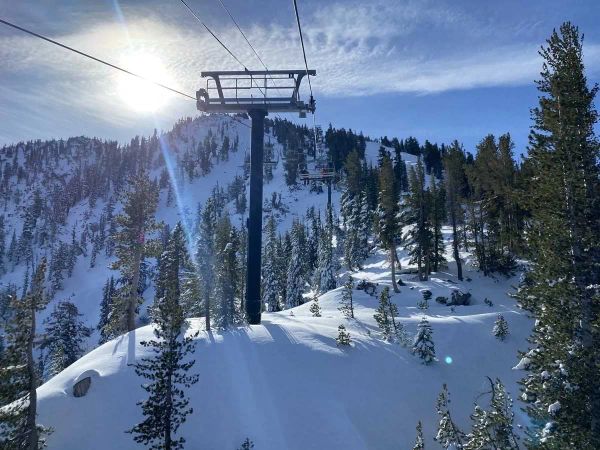
Lake Tahoe’s highest base elevation is paying off early: Mt. Rose has started making snow for 2026-27 after the first flurries and a cold snap. The Nevada resort is backing it with nearly US$2 million in upgrades, including a replacement snowmaking main line, a new PistenBully groomer and restraint bars on every lift. Opening day is yet to be confirmed, though Heavenly and Northstar are already eyeing 20 November.
13 Oct 2026

Utah Ski Resorts 2026-27: What’s New at Alta, Deer Valley, Powder Mountain and More
Utah is still building flat out. For 2026-27, Powder Mountain opens a steep new Skytrac chair into more than 1,000 acres of advanced terrain, Deer Valley adds 200 acres on Hail Peak, Sundance gets a new quad and Park City adds a gondola from its new parking structure. Snowmaking is expanding almost everywhere, Eagle Point stays closed after the Cottonwood Fire, and the 2034 Games are setting the pace. Here’s what’s new, resort by resort.
13 Oct 2026
Mt Hutt Invests NZ$12 Million in Base Area, Tripling Its Sun Deck
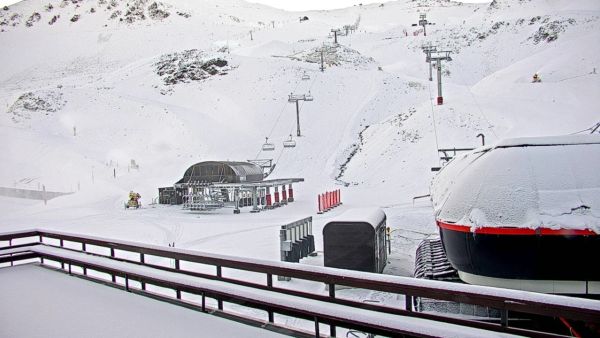
Mt Hutt is getting busier, and its base lodge is about to catch up. NZ$12 million goes into a heated sun deck roughly three times the current size (430 m² to 1,300 m²), plus a new toilet block, heated steps down to snow level, extra storage and a new food and beverage outlet. Building starts after the 2026 season, with everything due for winter 2027.
11 Oct 2026

Vermont Ski Resort Opening Dates 2026-27: Few Dates Set, Killington Waits on the Cold
Vermont's season is slow to take shape. Stratton is tentatively targeting 18 November and Sugarbush 21 November, while Pico has Friday 11 December on the calendar. Killington never sets a date and opens when the snowmaking allows, and Vail Resorts has yet to name days for Stowe, Okemo and Mount Snow. The forecasts disagree about snow, and the main El Niño worry for the Green Mountains is warmth.
9 Oct 2026
Crans-Montana 2027 World Championships President Resigns Ahead of Fraud Hearing
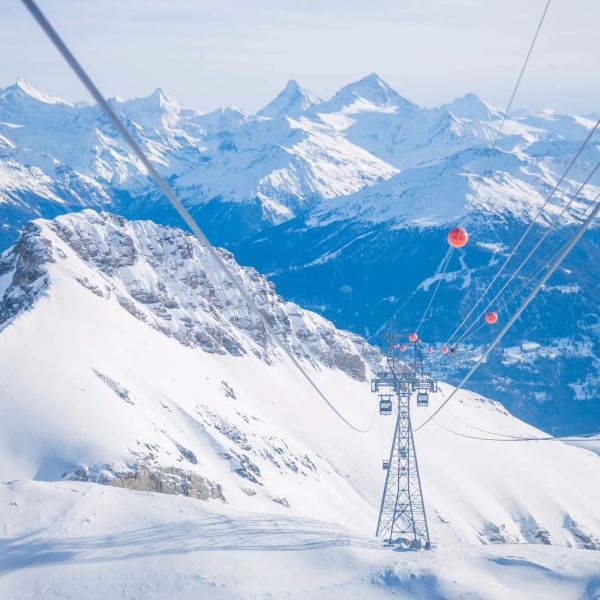
Less than four months out from the Crans-Montana 2027 World Championships, the man running the organising committee has stepped down. Claude-Alain Schmidhalter resigned as Swiss-Ski vice president and OC president after being indicted over a business dispute unrelated to skiing. He denies the allegations and faces court on October 27. Interim leaders are in place for the February 1-14 event.
9 Oct 2026