Eight runs sounds limiting until you factor in the terrain park's constantly evolving features. The park team rebuilds sections throughout the season, so regular visitors find different challenges on return trips. That said, if parks aren't your focus, you'll exhaust the available runs quickly.
Who is Hakuba 47 Best For
Terrain park riders have the clearest use case. The infrastructure here exceeds what most resorts offer - proper progression lines from beginner boxes through Olympic-sized jumps, qualified shapers maintaining features daily, and a commitment to innovation that extends beyond basic rails and boxes. If you're serious about park skiing, this matters more than total run count.
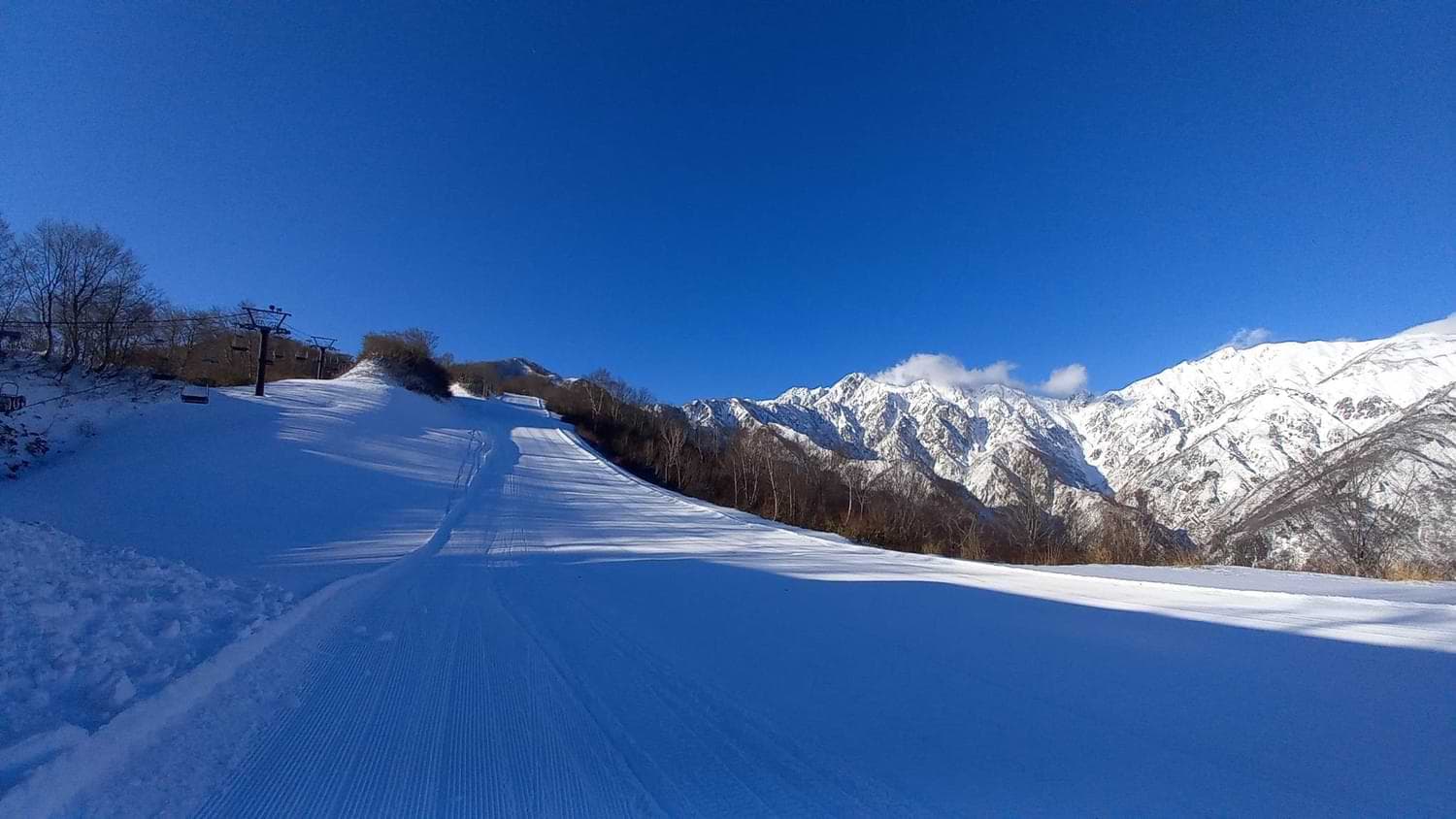
Intermediate skiers who value quality over quantity will find the groomed runs well-maintained, though you'll cover the available terrain in a morning. The connection to Goryu solves that limitation if you're willing to move between mountains. Advanced skiers will appreciate the snow quality and steeper pitches, but pure powder hunters might find better deep-snow options elsewhere in the valley.
Families and beginners have dedicated learning zones, though the resort's overall character skews towards more experienced riders. The 30% beginner terrain is legitimate, but the mountain's reputation and terrain park focus attract a different demographic than family-oriented resorts.
What doesn't work: skiers seeking extensive tree runs or backcountry-style terrain. The resort's groomed focus and limited acreage mean off-piste options are constrained compared to larger Hakuba Valley neighbours.
Hakuba 47 Snow & Season
The season runs early December through early April, with the north-facing aspect extending quality conditions beyond what south-facing resorts maintain. Eleven metres of average annual snowfall sits in the middle range for the Hakuba Valley - substantial by global standards, less than some nearby resorts claim.
January through March delivers peak conditions, with consistent snowfall and cold temperatures preserving powder. Current base depth of 245 centimetres and season total of 459 centimetres (as of this writing) demonstrate the accumulation patterns. The resort's grooming and snowmaking infrastructure maintain consistent quality even during dry spells.
Spring skiing here works better than most Japanese resorts. Whilst others turn slushy by March, the north-facing slopes hold firmer snow into April. That matters particularly for terrain park progression - warmer temperatures and softer landings make spring an ideal time for pushing limits.
Weather patterns in the Hakuba Valley bring both heavy snowfall and occasional extended storms that close lifts. The resort's elevation range (820-1,614 metres) means conditions vary significantly between base and summit, particularly in marginal temperature periods.
Getting to Hakuba 47
Tokyo to Hakuba 47 requires three hours via bullet train to Nagano, then local bus connections to the resort. That's manageable for a weekend trip if you're comfortable with Japanese transport systems, though most visitors base themselves in the valley for extended stays.
The resort sits within the broader Hakuba Valley infrastructure, meaning accommodation ranges from budget hostels to upscale hotels scattered across multiple villages. Staying near Hakuba 47 itself offers ski-in access, whilst properties in Echoland or Wadano provide more dining and nightlife options with short shuttle rides to the slopes.
Local amenities reflect the area's international visitor base - English is more common here than most Japanese ski resorts, and dining options extend beyond traditional fare. The valley's size means you'll likely need shuttle buses or rental cars to explore different villages and restaurants.
Hakuba 47 Lift Tickets
Pricing information wasn't available in the resort data, though Hakuba Valley resorts generally offer multi-day and area passes that include multiple mountains. The connection to Hakuba Goryu under a single ticket provides better value than the limited terrain at 47 alone might suggest.
Season pass holders in the valley often have access to 47 as part of broader agreements, making it worth checking pass benefits if you're planning extended time in the region.
The Verdict on Hakuba 47
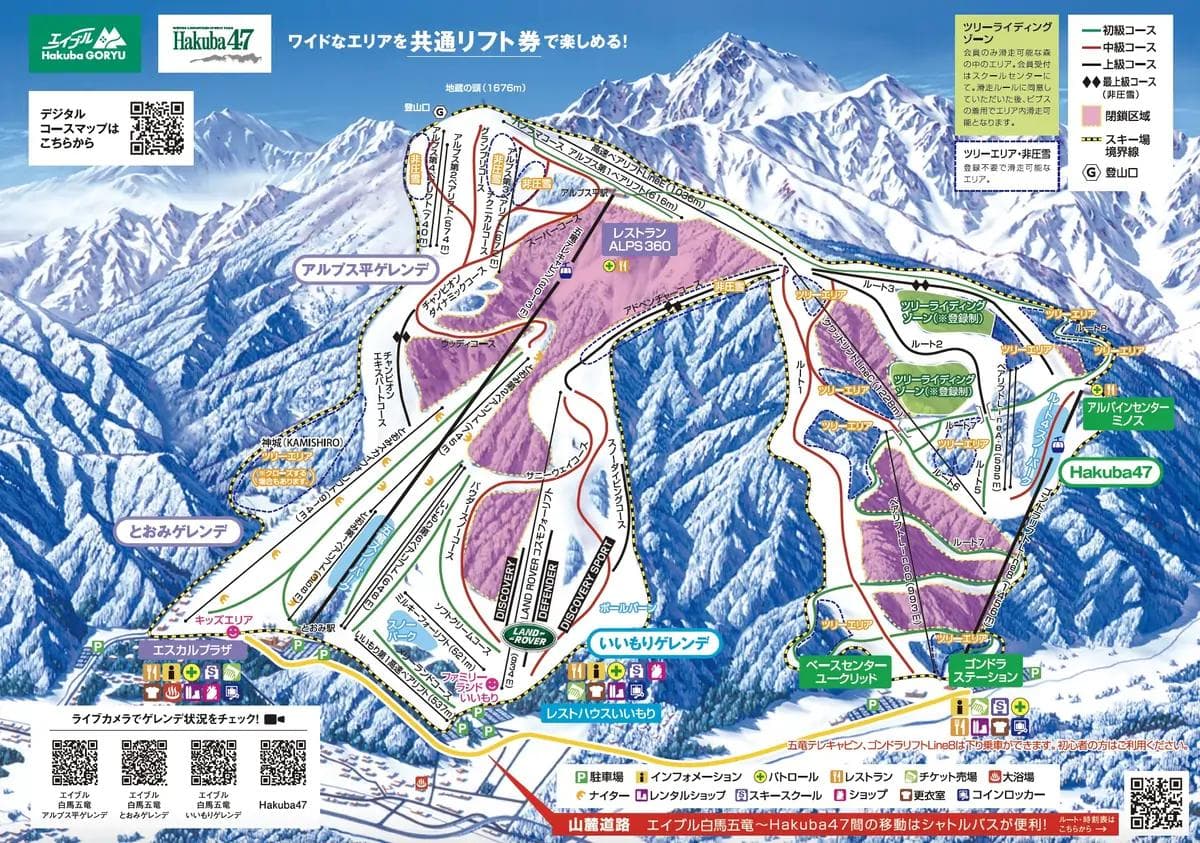
Hakuba 47 works if terrain parks matter to you, or if north-facing snow preservation justifies trading extensive terrain for quality conditions. The connection to Goryu addresses the size limitation, though that requires shuttling between bases. For powder-focused skiers, larger Hakuba Valley resorts offer more extensive off-piste terrain, but 47's grooming standards and park infrastructure fill a specific niche. Full resort details, webcams, and trail maps are on the Snowstash resort page.
Full resort details, live webcams, and trail maps for Hakuba 47 on Snowstash →